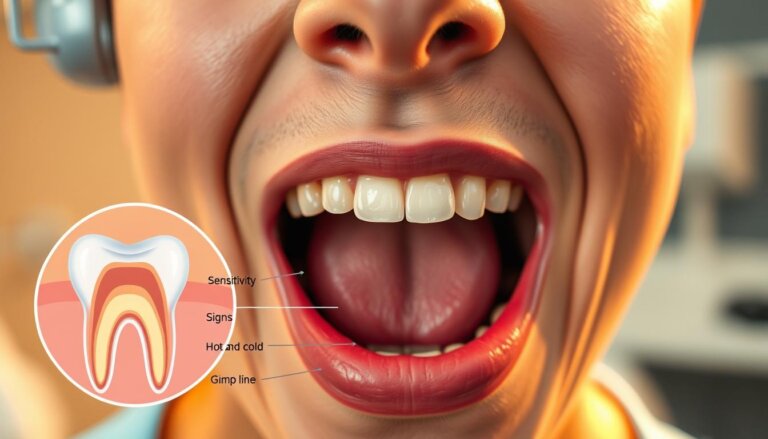
Are there any foods that help or hurt during Invisalign treatment
Did you know your diet affects your aligners’ comfort? Many patients feel discomfort during orthodontic treatment. But, they don’t know that the foods they eat can greatly impact this feeling.
When you start Invisalign, comfort is key. The type of food you eat and how it affects your aligners is important. Knowing which foods can make you feel better or worse can help a lot.
This article will show how choosing the right foods can change your experience with clear aligners. By controlling what you eat, you can make your treatment more comfortable. This can lead to better results in your orthodontic journey.
Key Takeaways
- Diet plays a significant role in the comfort of aligners.
- Food consistency can impact sensitivity levels.
- Proactive nutritional planning enhances treatment experience.
- Understanding the biomechanics of tooth movement is essential.
- Comfort can be strategically managed through dietary choices.
Understanding Invisalign Treatment
Invisalign is a new way to straighten teeth without metal braces. It uses clear, removable aligners to move teeth into place. These aligners are made from a special material that’s both comfortable and effective.
Patients wear the aligners for most of the day. They take them out to eat, drink, brush, and floss. The aligners change every week or two. Treatment usually lasts from a year to 18 months, depending on the case.
What is Invisalign?
Invisalign is a method to straighten teeth with clear aligners. It’s different from traditional braces because it’s less visible. The process starts with a digital scan of your mouth.
This scan creates a 3D model of your teeth. This model lets you and your orthodontist see how your teeth will look before treatment starts.
How Invisalign Works
The Invisalign process has several steps:
- First, you have a consultation and a digital scan of your teeth.
- Then, a custom treatment plan is made based on the 3D model.
- Next, you get custom aligners that gently move your teeth.
- After that, you’ll have regular check-ups with your orthodontist.
This method helps move your teeth slowly and safely. It’s key for effective orthodontic treatment.
Benefits of Using Invisalign
Invisalign has many advantages:
| Benefit | Description |
|---|---|
| Discreet Appearance | The clear aligners are almost invisible. They’re great for adults and teens. |
| Removability | You can take out the aligners to eat and brush your teeth. This helps with dental care. |
| Comfort | Without metal parts, there’s less irritation to your cheeks and gums. |
| Predictable Results | You can see how your teeth will look before starting treatment with the 3D model. |
These benefits make orthodontic treatment look better and improve dental health. It’s easier to keep your teeth clean during treatment.

Foods That Promote Comfort During Invisalign
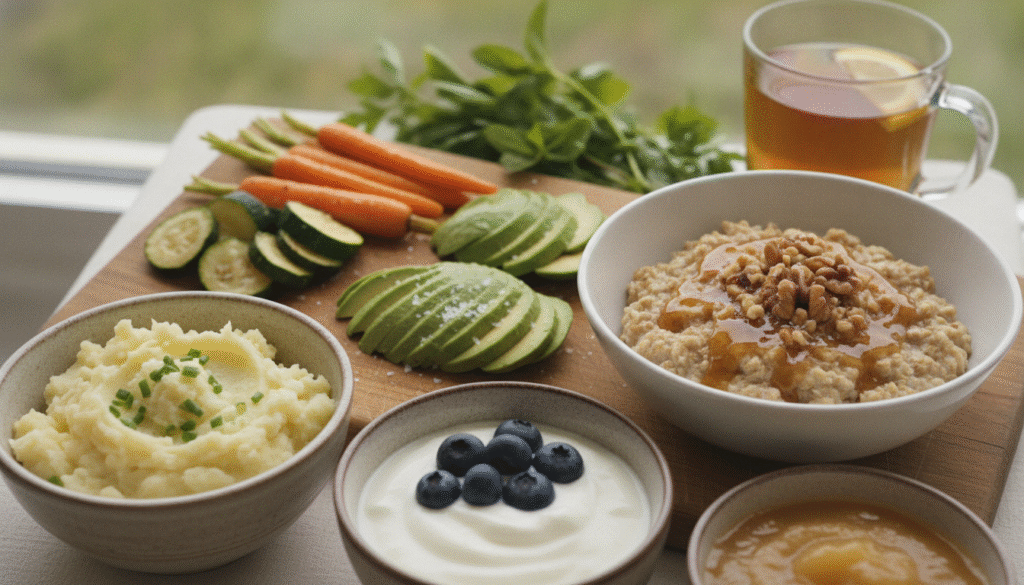
Choosing the right foods is key for Invisalign comfort. When you first start, soft foods help with sensitivity. Here are some good choices:
Soft Foods to Consider
- Mashed Potatoes or Sweet Potatoes: These are creamy and easy to eat, making them a comfort food.
- Smoothies or Fruit Purees: They’re full of nutrients and can be made with different fruits and veggies.
- Soft Scrambled Eggs or Omelets: A protein-rich option that’s gentle on your teeth and simple to make.
- Creamy Soups and Broths: They’re warm, soothing, and great for staying hydrated.
- Oatmeal or Porridge: A filling choice that’s soft and can be flavored with fruits or honey.
- Yogurt with Soft Fruits: This mix is refreshing, nutritious, and gentle on your mouth.
Soothing Beverages for Relief
Some drinks can also help with sensitivity:
- Water: It’s essential for staying hydrated and keeping your mouth healthy.
- Unsweetened Herbal Teas: Teas like chamomile or rooibos have anti-inflammatory properties and are gentle.
- Cool or Room-Temperature Drinks: They can help soothe irritated tissues, making them a good choice during treatment.
| Food Type | Benefits | Preparation Tips |
|---|---|---|
| Mashed Potatoes | Comforting and easy to chew | Use milk or butter for creaminess |
| Smoothies | Nutrient-dense and hydrating | Blend fruits with yogurt or milk |
| Creamy Soups | Warm and soothing | Puree vegetables for a smooth texture |
Foods to Avoid for Better Comfort
When you’re wearing Invisalign, it’s important to avoid certain foods. This can help you stay comfortable. Some foods can cause discomfort or even damage your aligners. Here are two types of foods to steer clear of:
Hard and Crunchy Foods
Hard and crunchy foods can put too much pressure on your aligners and teeth. This can lead to discomfort. Foods that need a lot of chewing are often hard on your teeth when they’re sensitive from treatment. Try to avoid:
- Nuts
- Hard bread crusts
- Raw vegetables
- Hard candies
- Popcorn
- Chips and pretzels
Eating these foods can make your teeth sore, even more so after getting new aligners. They can also damage your aligners, making your treatment harder.
Sticky Foods and Their Impact
Sticky foods are another challenge. Foods like caramel, taffy, and some dried fruits stick to your teeth and aligners. This sticky residue is hard to clean and can cause:
- Increased risk of cavities
- Formation of plaque
- Unpleasant odors
Not cleaning your teeth and aligners well after eating these foods can lead to problems. It can cause bacterial growth, leading to serious oral health issues like white spot lesions and interproximal caries.
The Role of Temperature in Food Choices
The way food feels in your mouth is key for Invisalign users. Picking the right temperature for your meals can really help. Knowing how food temperature affects comfort is important for those with Invisalign.
Warm and cold foods both have their own perks. They can either ease discomfort or relax your muscles. This makes your Invisalign experience better.
Warm Foods and Their Benefits
Warm foods can be very comforting, which is great when you’re feeling sore from new aligners. Soups and broths are soft and easy to swallow. They also help relax your jaw muscles. Here are some warm foods to try:
| Food Item | Benefits | Serving Suggestions |
|---|---|---|
| Chicken Broth | Soothing and hydrating | Serve warm, without added spices |
| Vegetable Soup | Rich in nutrients | Blend for a smooth texture |
| Mashed Potatoes | Soft and filling | Serve warm with butter |
| Oatmeal | Comforting and nutritious | Top with soft fruits |
Cold Foods to Soothe Discomfort
Cold foods can also help. They can numb the pain from new aligners. Here are some cold foods to try:
- Chilled yogurt
- Smoothies made with soft fruits
- Sugar-free ice pops
- Frozen bananas or berries
These foods not only ease pain but also keep you hydrated. But, eat them in moderation to avoid harm to your aligners.
In conclusion, both warm and cold foods can help with Invisalign comfort. By choosing the right temperature, you can support your treatment and feel better.
Nutritional Considerations During Treatment
Eating right is key to feeling good with Invisalign. Eating foods rich in vitamins and minerals helps a lot. Also, drinking plenty of water is important. A healthy diet keeps your mouth and teeth in top shape.
Essential Vitamins and Minerals
Some nutrients are more important than others when you’re wearing Invisalign. Here are a few:
- Calcium: It’s great for bone health, helping your teeth stay in place.
- Vitamin D: This vitamin helps your body use calcium better, keeping bones strong.
- Vitamin C: It’s good for making collagen, which keeps your gums and teeth healthy.
You can get these nutrients from soft foods like yogurt and smoothies. Foods like Greek yogurt are not only full of protein but also have good bacteria for your stomach.
Hydration Tips for Comfort
Drinking enough water is also very important. Water keeps your mouth clean and your aligners free of bad stuff. Here are some tips:
- Drink lots of plain water all day to keep your mouth moist.
- Stay away from sugary drinks that can hurt your mouth and teeth.
- Try herbal teas or infused water for something different, but make sure they don’t have sugar.
Drinking water helps prevent dry mouth, a common problem with aligners. Dry mouth can make your mouth feel sore. Drinking water helps keep your mouth comfortable.
Specific Food Recommendations
Wearing Invisalign means choosing foods that are both comfortable and nutritious. The right foods can help reduce discomfort and keep you healthy during treatment. Here are some snack and meal ideas for Invisalign users.
Recommended Snacks
Snacking with Invisalign can be tricky, but there are many soft and healthy options. Here are some great picks:
- Greek Yogurt: A creamy snack that’s high in protein. Add a swirl of sugar-free fruit puree for extra flavor.
- Cottage Cheese: This soft cheese is easy to eat and full of calcium.
- Hummus with Soft Bread: A small portion of hummus with very soft bread makes for a satisfying snack.
- Applesauce: This pureed fruit is gentle on the teeth and easy to eat.
Popular Meal Ideas for Invisalign Wearers
Choosing meals that are nutritious and easy to chew is key. Here are some popular meal ideas:
- Smoothies: Blend together whey or plant-based protein, spinach, avocado, and berries for a nutrient-packed drink.
- Creamy Lentil Soup: A warm, comforting soup that’s rich in protein and easy to swallow.
- Soft Frittata: Made with finely chopped, well-cooked vegetables, this dish is soft and filling.
- Flaked Salmon with Mashed Cauliflower: A delicious dinner option that combines healthy fats with a soft side.
Planning meals that don’t require often removing your aligners can improve your treatment. Remember, “the key is to maintain a balanced diet while ensuring comfort.” This helps avoid grazing, which can harm your oral hygiene and aligner wear time.
Managing Discomfort with Diet
What you eat can really affect how you feel during Invisalign treatment. Making smart food choices can help ease the discomfort that comes with changing aligners. This part will look at how to use diet to manage discomfort.
Eating Habits for Reduced Sensitivity
Timing when you switch to new aligners is key. Try to do it at night so you can sleep through the initial discomfort. This way, you wake up feeling better.
Start your day with something soft and cold, like a smoothie. This can help ease any leftover soreness. Also, using chewies or soft gum after putting in new aligners can help. It ensures the aligners fit right and spreads out the pressure.
Timing Meals for Optimal Comfort
Eating three main meals a day instead of snacking helps. It keeps the aligners in place longer and avoids too much acid or sugar. It also makes cleaning your teeth easier, making treatment more comfortable.
By following these Invisalign eating tips, you can better handle discomfort. Smart meal planning and eating habits make orthodontic care easier.
The Impact of Sugar on Invisalign
Sugar can hurt your teeth, even more so when you’re wearing Invisalign. Eating sugary foods and drinks makes your mouth a breeding ground for dental problems. This is bad news for aligner wearers, as the trays can trap sugar and bacteria against your teeth.
Too much sugar leads to plaque, which can cause cavities and wear down your enamel. Aligners block saliva flow, which is key for fighting acids and keeping teeth strong. Without enough saliva, your teeth are more at risk for decay.
How Sugar Affects Oral Health
Sugary foods leave your teeth in an acidic state for too long. This problem gets worse with Invisalign, as it keeps sugars against your enamel. Patients may face:
- Higher chances of getting cavities
- Enamel weakening
- Stains on their aligners
To avoid these issues, it’s important to watch your sugar intake. Reducing sugary drinks, candies, and foods can greatly improve your oral health during treatment.
Recommended Sugar Alternatives
There are safe sugar substitutes for Invisalign users. These include:
- Xylitol: This natural sweetener tastes great and helps prevent cavities by stopping bad bacteria growth.
- Erythritol: A low-calorie sugar alcohol that doesn’t cause tooth decay.
- Stevia: A plant-based sweetener with no calories and doesn’t raise blood sugar levels.
Choosing these alternatives lets you enjoy sweet tastes without harming your teeth. This smart choice is key to getting the most out of Invisalign.
The Importance of Oral Hygiene
For those with Invisalign, keeping your mouth clean is key. A clean mouth makes wearing aligners more comfortable. It also helps them work better. This part talks about foods that help with oral care and what to do after meals.
Foods That Support Oral Care
Choosing the right foods is important for oral hygiene with Invisalign. Some foods, called Invisalign comfort foods, are gentle on teeth and help keep your mouth clean.
- Crunchy Fruits and Vegetables: Raw apples, carrots, and celery clean your teeth and boost saliva. Saliva helps clean your mouth naturally.
- Dairy Products: Yogurt and cheese fight acids and strengthen teeth with calcium.
- Green Leafy Vegetables: Spinach and kale are full of vitamins and keep gums healthy.
While these foods are good, eat them in small amounts if you’re sensitive. Always take out your aligners before eating to avoid food getting stuck.
Post-Meal Routines for Comfort
Having a regular routine after meals is vital for oral hygiene. Here’s what to do after eating:
- Floss: Flossing gets rid of food stuck between your teeth.
- Brush: Use toothpaste with fluoride to clean your teeth well. This removes plaque and acids.
- Clean Your Aligners: Rinse and brush your aligners with a mild solution. This keeps them free from bacteria.
Skipping these steps can cause bad breath and gum problems. Following this routine keeps your aligners comfortable, not a place for bacteria.
Consulting with Professionals
Getting professional advice is key during your Invisalign treatment. Regular visits to your orthodontist or dentist are important. They can check if your treatment is on track and fix any problems early.
If you feel pain, tell your dentist right away. Pain that lasts more than 3-5 days might mean your tray doesn’t fit right. Catching these issues early helps keep your treatment smooth.
When to Talk to Your Orthodontist
See your orthodontist if you notice:
- Persistent localized pain
- Signs of gingival hyperplasia
- Recurrent aphthous ulcers from aligner edges
- Suspected carious lesions
These signs need quick attention. Early action can stop bigger problems and make your treatment better.
Nutritional Advice from Dentists
A registered dentist can give you diet tips based on your needs. For example, if you’re prone to cavities, they might suggest fluoride gels. This mix of diet, hygiene, and dental care is key.
Keeping a food diary is also helpful. It lets your dentist see what you eat and how it affects your treatment. This teamwork helps make your Invisalign journey more comfortable and successful.
| Symptom | Recommended Action | Potential Outcome |
|---|---|---|
| Persistent Pain | Consult Orthodontist | Adjustment of Aligners |
| Gingival Hyperplasia | Seek Professional Evaluation | Prevent Further Complications |
| Aphthous Ulcers | Discuss with Dentist | Relief from Discomfort |
Lifestyle Adjustments During Treatment
Starting an Invisalign lifestyle means making choices that go beyond what you eat. It’s about changing your daily habits. This includes both what you eat and how you behave.
First, you need to balance food choices with comfort. Plan your meals to get the nutrients you need without feeling rushed. Eating at the right times helps your treatment and keeps your mouth healthy.
Eating mindfully is key. Take your time while eating, without distractions. This helps you feel full longer and reduces the need to snack too much. It’s a step towards a healthier relationship with food.
Behavioral Changes for Better Adaptation
Eating out can be tough for Invisalign users. It’s important to excuse yourself to remove your aligners before meals. If you can’t brush right away, a quick rinse helps keep your mouth clean.
Also, prepare soft, healthy snacks in advance. Carry a travel oral hygiene kit for work, travel, or social events. These steps turn dietary rules into a positive part of your healthy lifestyle.
| Adjustment Type | Description | Benefits |
|---|---|---|
| Meal Planning | Schedule meals around aligner routine. | Supports oral health and treatment efficiency. |
| Mindful Eating | Savor meals without distractions. | Enhances satiety and reduces snacking. |
| Social Dining | Excuse yourself to remove aligners before meals. | Maintains hygiene and comfort during meals. |
| Snack Preparation | Pre-portion soft, nutrient-dense snacks. | Facilitates healthy eating on the go. |
Patient Testimonials and Experiences
Starting the Invisalign journey can change how you eat. Many people say making small changes in their diet helped a lot. The first week is tough, with lots of discomfort and learning about what foods to eat.
Success Stories of Dietary Adjustments
Many patients say eating soft foods first made things easier. For example, one person mentioned,
“During my first week, I focused on soft foods like mashed potatoes and smoothies. By mid-week, the discomfort had lessened significantly.”
Others found comfort in chilled mango smoothies and lukewarm butternut squash soup. These foods were gentle on their sensitive mouths.
Planning meals ahead is key. Having soft foods ready can make the treatment easier and keep your spirits up.
Lessons Learned from Inconveniences
But, there are also bumps along the way. Patients sometimes forget to take out their aligners, leading to small problems. For instance, one person said,
“I forgot to remove my aligners before enjoying a turmeric latte, and it stained them temporarily.”
This shows why it’s important to always remove your aligners. It keeps you comfortable and prevents damage.
Some also learned not to bite into hard foods like apples. Doing so can cause pain right away. These experiences teach new patients the importance of choosing soft foods for comfort.
Keeping Track of Your Diet
It’s important to watch what you eat while you’re getting Invisalign. Keeping a food diary can help you find out which foods might bother you. This way, you can make your treatment more comfortable.
Keeping a food diary is a great idea. You can use a digital or paper one. It helps you keep track of what you eat. Here are some tips for a good food diary:
- Log Everything: Write down every meal, snack, and drink you have all day.
- Note Timing: Write down when you eat each thing. This helps you see if it causes any problems later.
- Rate Sensitivity: Rate how sensitive you feel after eating something from 1 to 10.
- Identify Triggers: Look for patterns to see which foods might cause problems, like acidic foods.
Apps can also help you track your diet. There are many apps for tracking food. Here are a few good ones:
- MyFitnessPal: It tracks all the nutrients you need.
- Cronometer: It gives you detailed nutrition info to help you eat right.
- Fooducate: It helps you choose better foods.
Tracking your diet makes you more mindful and responsible. It turns you from just getting treatment to being part of it. At your orthodontic visits, you can talk about your diet. This way, you can make your treatment as easy as possible.
Conclusion: Finding Comfort Through Food Choices
Invisalign treatment is a modern way to get a straighter smile. The food choices you make can greatly affect your comfort and experience. Eating soft, nutrient-rich foods can help ease the discomfort when you first start wearing new aligners.
These foods are not only gentle on your teeth but also good for your mouth. It’s important to avoid hard, sticky, and sugary foods. They can damage your aligners and harm your teeth.
Choosing soft, easy-to-chew foods and staying hydrated helps your treatment go smoothly. Keeping your teeth clean is also key. This, along with careful meal planning, keeps your aligners in top shape.
By making smart food choices, you can make your Invisalign journey better. It’s all about eating mindfully to get a healthier, more confident smile. The slight discomfort is a sign you’re getting closer to your goal.