Can a broken tooth be reattached or glued back on?
Did you know that about 5 million teeth are knocked out each year in the United States? This shows how common dental injuries are. Knowing how to handle them is key.
If you save the broken piece, your dentist might be able to put it back. This is a real option, backed by dental experts. Storing the tooth in milk or saliva can help it bond better.
Dentistry has made big strides in fixing broken teeth. Now, we can fix them in a way that looks natural. This means your tooth can keep its original color and feel.
But, you must act fast. The longer you wait, the less likely it is to work. Knowing when to see a dentist can greatly improve your chances.
Key Takeaways
- Over 5 million teeth are knocked out annually in the U.S.
- Saving the broken piece increases the chance of successful reattachment.
- Proper storage in milk or saliva is essential for optimal results.
- Modern techniques allow for natural-looking repairs.
- Timely dental consultation is critical for the best outcome.
Understanding Tooth Breakage
Tooth breakage is a common issue with many causes. Knowing these causes is key for good dental care and quick action. A broken tooth can harm your oral health and overall well-being.
Common Causes of Broken Teeth
Several factors can cause broken teeth, including:
- Trauma or Injury: Accidents like falls or face blows can damage teeth right away.
- Hard Objects: Chewing on hard items like ice or candy can chip or crack teeth.
- Tooth Decay: Cavities weaken teeth, making them more likely to break.
- Bruxism: Grinding or clenching teeth can put too much pressure, causing fractures.
- Poor Dental Hygiene: Not taking care of your teeth can weaken them.
Symptoms of a Broken Tooth
It’s important to know the signs of a broken tooth to get help fast. Signs include:
- Visible cracks, chips, or fractures on the tooth surface.
- Sudden pain when biting down or chewing.
- Sensitivity to hot and cold temperatures.
- Swelling or bleeding around the affected tooth or gums.
- Feeling a sharp or jagged edge with the tongue.
When to Seek Dental Help
Knowing when to get emergency dental care is vital. If you have:
- Exposed pulp or significant tooth mobility,
- Severe pain or discomfort,
- Any tooth displacement,
you need to see a dentist right away. Even small chips should be checked by a dentist to avoid bigger problems.
“Even asymptomatic breaks warrant prompt professional assessment to prevent cascading complications.”
| Cause | Symptoms | Action Required |
|---|---|---|
| Trauma | Pain, swelling | Seek immediate care |
| Decay | Visible cracks | Schedule a dental visit |
| Bruxism | Sensitivity | Consult a dentist |
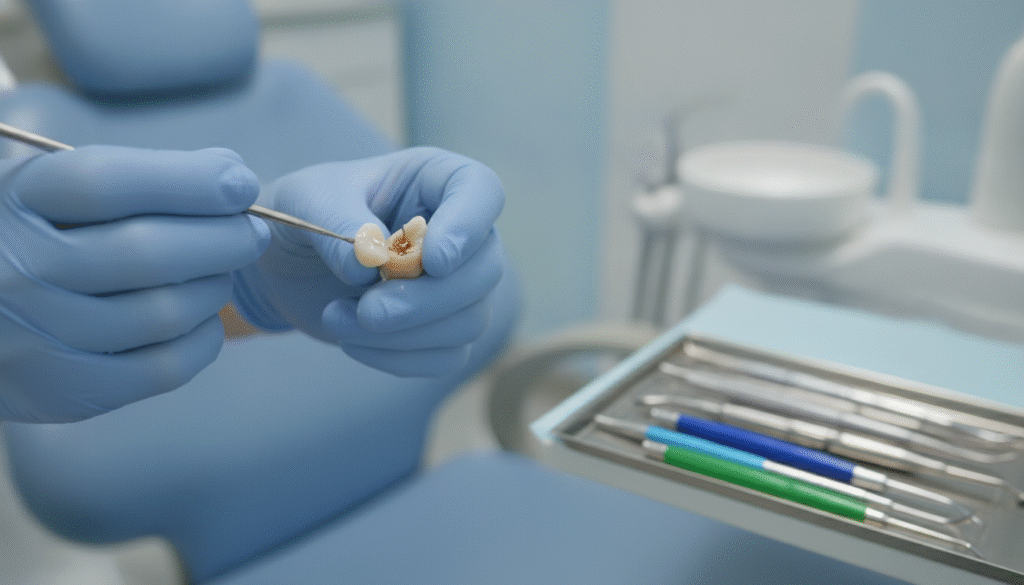
Types of Tooth Breakage
It’s important to know the different types of tooth breakage to get the right treatment. Each breakage type affects dental repair and recovery differently. This section explains tooth fractures, helping you understand their characteristics and treatment needs.
Chipped Teeth
A chipped tooth happens when a small part of the tooth’s enamel or dentin breaks off. This can be just for looks or can expose the tooth’s inner pulp, leading to bigger problems. Chips can come from many things, like biting hard objects or getting hit. Treatment might include smoothing the edges or using a dental bond to fix the tooth’s look.
Cracked Teeth
Cracked teeth have a vertical split from the crown to the gum line. These can hurt a lot, mostly when you chew or release the tooth after biting. It’s key to get help early to stop more damage and help with broken tooth repair.
Fractured Teeth
A fractured tooth is completely split through its structure. This might mean the pulp is exposed, needing endodontic treatment. The severity of the fracture decides the treatment, which could be reattaching or pulling the tooth. Quick dental care is important to save the tooth and avoid more issues.
Complete Tooth Avulsion
Complete tooth avulsion is the worst kind of tooth breakage, where the tooth is completely knocked out. In these cases, time is very important. If the tooth is put back in within 30 to 60 minutes, it might stick again. The success depends on keeping the periodontal ligament cells alive. Getting to the dentist fast is key for the best chance of success.
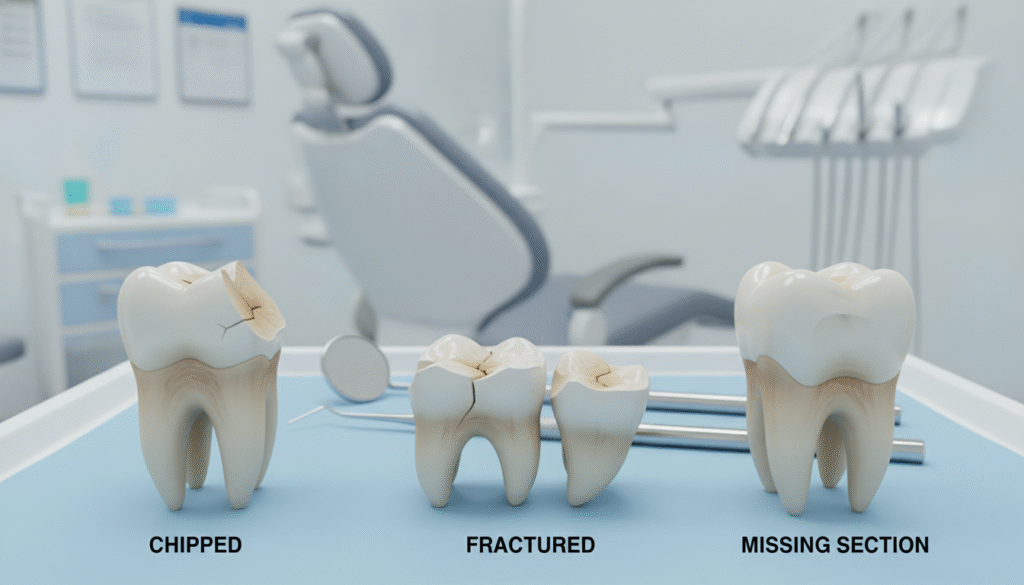
In short, knowing the type of tooth breakage is key for the right treatment. Whether it’s a chipped, cracked, fractured, or completely knocked out tooth, knowing the details helps guide dental care.
The Dental Reattachment Process
The dental reattachment process has several key steps to fix a broken tooth. When a tooth breaks, the dentist checks it carefully to decide the best fix.
How Dentists Assess the Damage
Dentists start by carefully checking the tooth. They look at it closely to see how bad the damage is.
- Visual Inspection: They look at the tooth to see how bad the damage is.
- Tactile Exploration: They use a special tool to feel for cracks or rough spots.
- Transillumination: This technique shows them where cracks are spreading.
- Radiographic Imaging: X-rays help them see if the root is damaged.
They also check if the tooth’s pulp is alive. If it’s not, they might need to do a root canal first.
Steps for Reattaching a Broken Tooth
After checking the tooth, the dentist starts the reattachment process. Here’s what they do:
- Cleaning the Fragment: They clean the tooth and the broken piece to get rid of dirt.
- Hydration: They might soak the tooth in water to keep the cells alive.
- Bonding: They use special adhesives to stick the broken piece back on.
They can fix the tooth directly if it fits well. Studies show this can make the tooth almost as strong as before.
Temporary Solutions Before Treatment
Before seeing the dentist, there are things you can do to help:
- Storage: If you can’t fix it right away, keep the piece in milk.
- Pain Management: A cold pack can help with pain.
- Dietary Modifications: Eat soft foods to avoid making it worse.
| Assessment Method | Purpose | Outcome |
|---|---|---|
| Visual Inspection | Identify visible damage | Initial assessment of fracture |
| Tactile Exploration | Detect cracks | Detailed damage evaluation |
| Transillumination | Reveal crack propagation | Insight into fracture depth |
| Radiographic Imaging | Assess root involvement | Determine treatment needs |
Materials Used for Reattachment
Choosing the right materials is key when fixing a broken tooth. New advancements in dental science offer many options. These materials help fix the tooth and make it last longer and look better.
Dental Adhesives and Glues
Dental adhesives have changed a lot. Old methods like acid-etch are now replaced by better systems. Total-etch adhesives are top-notch because they bond well with the tooth. This is thanks to how they prepare the tooth surface.
Self-etch systems are easier to use but might not bond as well. Studies show that the right adhesive is key for fixing teeth. For example, some composites work better than others for fixing broken teeth.
Types of Crowns and Caps
When fixing a tooth isn’t possible, crowns and caps are the next best thing. Different types, like porcelain-fused-to-metal and all-ceramic, offer strength and beauty. They make sure the fixed tooth looks and feels like the real thing.
Biocompatibility of Reattachment Materials
It’s important that the materials used are safe for the body. They should not harm the tooth or cause problems. Materials that match the tooth’s growth and don’t let bacteria stick are best.
A study found that how well a tooth is fixed depends on the method used. This shows that both the materials and the fixing technique matter a lot.
Factors Influencing Reattachment Success
The success of reattaching a broken tooth depends on several factors. Knowing these can help both patients and dentists make better choices about treatment.
Extent of the Break
The extent of the break is key to success. Simple breaks in the enamel and dentin usually work well. But, if the pulp is exposed, it’s more complicated and might need root canal treatment.
Location of the Tooth
The location of the tooth matters too. Front teeth face different forces than back teeth. This affects how well a tooth can be fixed and how long it will last.
Timing of Dental Visit
Seeing a dentist quickly is important. Teeth start to dry out fast after they’re knocked out. Keeping the tooth moist, like in milk, helps keep it healthy for fixing.
Even with the best start, keeping an eye on the tooth is important. Look out for signs of problems like tooth decay or damage. Knowing these details helps patients make the best choices for fixing a broken tooth repair.
Alternatives to Reattachment
When reattaching a broken tooth isn’t possible, there are many good alternatives. These options help keep your tooth working well and looking good. Here are some common choices in today’s dentistry.
Dental Implants
Dental implants are seen as the best choice for fixing a tooth. They involve putting a titanium or zirconia screw into your jawbone. This screw grows into the bone over time, a process called osseointegration.
The steps are:
- Extraction or Site Preparation: If the tooth is only partly there, it might need to be pulled.
- Healing Period: It takes three to six months for the implant to bond with the bone.
- Abutment Placement: After bonding, an abutment is attached to the implant.
- Crown Delivery: Last, a custom crown is put on the abutment to finish the job.
Implants last a long time and help keep the bone strong. But, they need enough bone and you must keep your mouth clean.
Bridges and Dentures
If implants aren’t right for you, bridges and dentures are good choices:
- Bridges: This option makes a fake tooth (pontic) held by crowns on nearby teeth. It works well but needs healthy teeth to be changed.
- Partial Dentures: These are removable and good for people with many missing teeth. They’re cheaper but might not be as comfortable or efficient for chewing.
Cosmetic Options for Improvement
If your broken tooth looks bad but works okay, there are cosmetic fixes. These don’t change the tooth’s structure much but make it look better:
- Veneers: Thin, tooth-colored shells that cover the front of the tooth.
- Dental Bonding: Uses a tooth-colored resin to fix small chips and cracks.
- Enamel Microabrasion: A gentle way to remove stains and small flaws.
These options not only make your tooth look better but also keep it strong.
Preventive Measures for Tooth Health
Keeping your teeth healthy starts with preventive steps. Good oral hygiene, regular dental visits, and smart food choices are key. These habits help keep your teeth strong and healthy.
Good Oral Hygiene Practices
Brushing your teeth twice a day and flossing often is a must. Using fluoride toothpaste strengthens your enamel, fighting off decay. Drinking water helps keep your mouth’s pH balanced, which is good for your teeth.
Regular Dental Check-ups
Dental check-ups are more than just cleanings. They help catch problems early. Dentists can spot cavities, cracks, and other issues before they get worse. They also check for signs of teeth grinding, which can damage your teeth.
Avoiding Hard Foods
What you eat affects your teeth. Avoid foods like ice, popcorn kernels, and hard candies. They can harm your teeth. Also, don’t use your teeth to open things, as it can damage them.
If you play sports, wear a mouthguard. Custom-made mouthguards fit your teeth perfectly, giving you comfort and protection. While you can buy mouthguards at stores, a custom one is safer.
Potential Risks of Reattachment
The process of reattaching a broken tooth comes with risks. It’s important to know these risks to make good dental care choices. While tooth reattachment is possible, there are complications to consider.
Infection and Complications
One big risk is infection. Even with careful bonding, bacteria can get into the tooth. This is a worry if the tooth was dirty before treatment.
If bacteria get into the pulp, it can cause serious problems. This might need a root canal, which can be hard and might harm the tooth.
Sensitivity After Treatment
Many people feel sensitive after treatment. This can happen for a few reasons:
- Hydraulic fluid movement within dentinal tubules (hydrodynamic theory).
- Polymerization shrinkage stress transmitted to the dentin-pulp complex.
- Incomplete sealing of the fracture margin, allowing bacterial byproducts to stimulate pulpal nociceptors.
This sensitivity can be uncomfortable and last for a while.
Long-term Durability Concerns
How long a reattached tooth lasts is a big worry. No method can make it as strong as a whole tooth. Simple reattachment works about 36% of the time. But, using special techniques can make it nearly 90% effective.
Reattached teeth are not as strong as they used to be. They need to be watched closely. Eventually, they might need to be replaced with crowns or implants.
Cost Considerations for Reattachment
Knowing the costs of fixing a broken tooth is key for making smart choices. Money matters a lot when it comes to dental care. Reattaching a tooth is often the best and most affordable option when it can be done.
Reattaching a tooth uses your own tooth, which saves time and money. But, prices can change a lot based on where you live, who you see, and how complex the case is. Here’s a table showing the average costs for fixing a broken tooth:
| Type of Treatment | Average Cost | Notes |
|---|---|---|
| Tooth Reattachment | $300 – $1,500 | Cost-effective and utilizes existing tooth structure. |
| Crown Placement | $800 – $2,500 | More extensive and time-consuming procedure. |
| Dental Implants | $3,000 – $4,500 | Involves surgical placement; higher overall cost. |
Many dental insurance plans cover reattachment as a restorative procedure. But, there are limits. For example, if you’ve used up your yearly max, you might not get coverage. Also, if you’re new to a plan, there might be a waiting period. Some treatments, like implants, might not be covered at all or might be covered less.
It’s also important to know the difference between medical and dental insurance for accidents. Medical insurance might cover emergency care first, while dental insurance handles the final fix. Knowing this can help you make better choices.
If money is a worry, there are ways to make treatment more affordable. You can:
- Dental Savings Plans: Get discounts on dental work.
- Third-party Healthcare Credit Cards: Pay over time.
- In-office Payment Arrangements: Set up payment plans with your dentist.
- Dental School Clinics: Get treatment at lower costs from students under supervision.
By looking into these options, you can get the care you need without worrying about money.
Recovery After Reattachment
After a tooth is reattached, it’s important to follow recovery steps for the best results. Patients need to take care of their mouth after the procedure to help the tooth heal. Here are some tips to make the recovery smoother.
Post-Procedure Care Instructions
Proper care after the procedure is key for healing. Here are some important steps:
- Keep the area around the reattached tooth clean with a soft toothbrush.
- Use chlorhexidine mouth rinses to fight bacteria, if brushing is hard.
- Avoid chewing with the reattached tooth during the healing time.
Dentists say that splinting helps keep the tooth stable while it heals. This is a big part of the recovery.
Foods to Avoid During Recovery
Changing your diet is important for healing. Stay away from:
- Hard and crunchy foods that can harm the tooth.
- Sticky foods that might pull the tooth loose.
- Very hot or cold foods that can cause tooth sensitivity.
In the first days, eat soft foods. Slowly add more variety as your tooth heals.
Signs of Complications to Look For
It’s important to watch for signs of trouble. Look out for:
- More pain or throbbing, which could mean infection.
- If the tooth feels loose, the bond might have failed.
- Swelling or a fistula could mean a bigger problem.
- Changes in tooth color might show the pulp is dying.
Seeing a dentist early can often fix problems. Waiting too long might mean more serious treatment.
| Complication | Symptoms | Recommended Action |
|---|---|---|
| Infection | Throbbing pain, swelling | Contact dentist immediately |
| Bond Failure | Mobility of tooth | Seek dental evaluation |
| Pulpal Necrosis | Color change in tooth | Urgent dental assessment |
Age and Tooth Reattachment
Age is key when it comes to fixing a knocked-out tooth. Knowing how people of different ages react to dental trauma helps plan better treatments. Each age group has its own dental needs and challenges.
In children, their teeth are always changing. If a child loses a tooth, it’s important to think about their growing teeth.
Reattachment in Children vs. Adults
For baby teeth, reattaching a knocked-out tooth is not a good idea. It could harm the tooth that will come in later. Kids should see a dentist right away for the best care.
Kids get hurt in sports and while playing outside a lot. Dentists stress the need for mouthguards to prevent these injuries.
Adults face different problems. Their teeth’s healing power depends on the break’s size and their overall health. Adults have fully grown roots, which can make fixing a tooth harder if the pulp dies.
Unique Considerations for Seniors
Seniors have their own set of issues with broken tooth repair. As people get older, their teeth can become more brittle and their pulp chambers smaller. Conditions like osteoporosis can also affect healing. A complete look at the mouth is needed for the best treatment.
Knowing how age affects tooth reattachment can really help. By adjusting treatments for each age, dentists can do better and help patients more.
Impact on Oral Functionality
Getting a broken tooth reattached can really change how you eat. It’s key to get back to chewing and biting like before. Knowing how your tooth works after repair helps keep your mouth healthy.
Attached teeth must handle lots of pressure from eating. Front teeth deal with forces when you bite and chew. Back teeth face even more pressure, sometimes over 200 Newtons. This shows how important the right dental care and materials are.
Chewing and Biting After Reattachment
After a tooth is fixed, eating might feel different. If the tooth’s enamel is kept, it wears down like other teeth. But, fixed teeth might not be as strong as natural ones.
To keep your tooth safe, avoid hard foods. Also, stop biting nails or pens to reduce stress on your tooth.
Discussing Lifestyle Adjustments
Changing your lifestyle after fixing a tooth is key. Wearing a mouthguard during sports can protect your tooth. This is very important for people in risky jobs or sports.
Talking to your dentist about other options is also smart. This helps you make choices for your dental health in the long run.
Success in keeping your tooth working well comes from working together. Dentists do their part, and you must protect your tooth with good habits.
Emotional Impact of Tooth Breakage
A broken tooth can cause a lot of emotional pain. It affects how we feel about ourselves and how we interact with others. For many, it leads to feelings of embarrassment, anxiety, and a fear of smiling. This is very true for teenagers, who are already dealing with tough social situations.
It’s important to understand these emotional challenges. The way a broken tooth looks can really bother someone. It’s not just about fixing the tooth; it’s about feeling good about oneself again.
Coping with Aesthetic Concerns
Many people worry about how a broken tooth looks. This worry can make them want to hide and feel less confident. To deal with this, it helps to:
- Get dental care right away to look at tooth restoration options.
- Talk openly with dentists about what treatment can do.
- Use temporary fixes, like dental bonding for broken teeth, to feel better right away.
Support from Dental Professionals
Dentists do more than just fix teeth. They also offer emotional support by:
- Listening to and understanding patient worries.
- Sharing clear info about treatment choices and results.
- Building trust so patients feel comfortable getting help.
Having a dental home—a regular dentist—helps a lot. It builds trust and encourages good dental care. This support is key for dealing with the emotional and physical effects of a broken tooth.
| Emotional Response | Description | Potential Coping Strategies |
|---|---|---|
| Embarrassment | Feeling self-conscious about appearance. | Immediate dental consultation. |
| Anxiety | Worrying about treatment outcomes. | Open communication with dental professionals. |
| Social Withdrawal | Avoiding social interactions due to embarrassment. | Temporary aesthetic solutions. |
In conclusion, dealing with a broken tooth is about more than just fixing it. It’s about handling the emotional side too. With the right support and quick action, people can get through this tough time with confidence.
Dental Technology Advances
New dental technology has changed how we fix broken teeth. Advances in adhesives have made fixing teeth less painful and more effective.
One big improvement is fragment reattachment. This method uses dental glue for broken tooth to bond fragments together. Dentists now have several ways to prepare teeth for this, including:
- Simple Reattachment
- Enamel Beveling
- V-shaped Internal Enamel Groove
- Internal Dentine Groove
- External Chamfer
- Overcontour
- Vertical Groove
- Pinhole Techniques
These methods help keep more of the tooth while making it stronger. Even though no fix can make a tooth as strong as before, the right dental bonding for broken teeth can make it look and work well.
The future of dental care looks bright. New technologies include:
- Bioactive materials that help teeth heal by releasing minerals.
- Stem cell treatments that might grow back tooth pulp.
- Using digital tools for making custom dental pieces.
- AI to spot problems in teeth early.
These new ideas are exciting, but we need to be careful. We must test them well in clinical trials before they become common in dental offices.
Conclusion: Making Informed Choices
Dental trauma can be scary. Knowing if a broken tooth can be fixed is key. It’s important to see a dentist right away for any tooth injury.
Choosing how to fix a broken tooth depends on several things. The type of break, the tooth’s condition, and your age matter. Each situation is different, so the treatment must fit you perfectly.
Getting help from a dentist is a must. They can spot problems like cracked tooth syndrome. They’ll help you decide between fixing the tooth, getting a crown, or an implant. This way, you get care that’s just right for you.
Acting fast to fix a broken tooth can save your teeth and improve your life. Learn as much as you can and talk to your dentist. Together, you can find the best solution for your teeth.