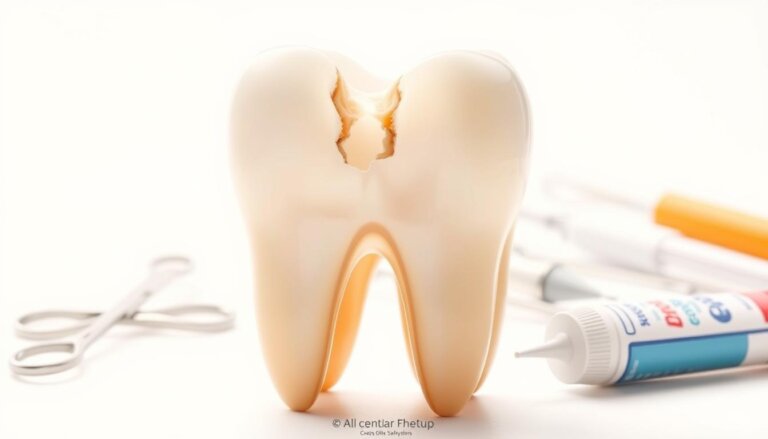
Can a dental implant get cavities or need root canals?
Did you know over 90% of adults have had cavities? This shows how common oral health issues are, mainly with natural teeth. But, implants are different.
Implants are made from materials like titanium and porcelain that don’t decay. These materials fight off harmful bacteria that cause cavities. So, implants can’t get cavities, but natural teeth can.
It’s key to know the difference between natural teeth and implants. This helps people make better choices for their teeth. It also shows why keeping the area around implants healthy is important.
We’ll look into why implants are strong and how to keep them healthy. This is important for everyone thinking about dental options.
Key Takeaways
- Implants are made from materials that do not decay.
- Natural teeth can develop cavities, even with implants.
- Understanding the difference between natural and synthetic materials is essential.
- Maintaining oral hygiene is key for the area around implants.
- Implants are a strong choice compared to traditional dental solutions.
Understanding Dental Implants
Dental implants are a new way to fix teeth. They act as artificial roots in the jawbone. This makes them stable for new teeth. It also makes your smile look better.
What is a dental implant?
A dental implant is a titanium post that fits into the jawbone. It’s called osseointegration. This makes it strong, like a real tooth root. It supports many types of fake teeth.
Components of a dental implant
Dental implants have three parts:
- Implant Post: The titanium post that goes into the jawbone.
- Abutment: A piece that connects the post to the crown.
- Prosthetic Crown: The part you see that looks like a real tooth.
Benefits of dental implants
Dental implants do more than just look good. They have many benefits:
| Benefit | Description |
|---|---|
| Restoration of Functionality | They help you chew and speak better, improving your life. |
| Bone Preservation | They keep the jawbone strong, stopping it from getting weaker. |
| Preventing Tooth Migration | They keep other teeth in place, stopping them from moving. |
| Long-term Aesthetics | With care, they can last forever, looking natural. |
Did you know dental implants can also protect your other teeth? They work like real tooth roots, keeping your mouth healthy.
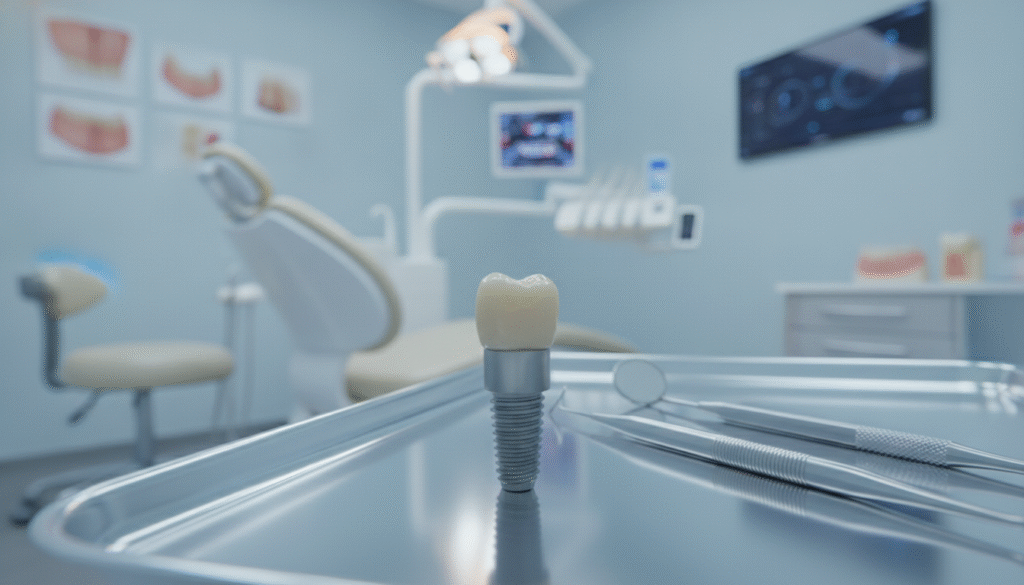
Can Dental Implants Get Cavities?
Dental implants are a big help for people who have lost teeth. But, many people wonder if they can get cavities. Let’s look at what implants are made of and why they don’t decay.
Structure of dental implants
A dental implant has a titanium post and a crown made of ceramic or porcelain. Unlike real teeth, implants don’t have soft parts that can rot. This makes them last longer and work better.
Reasons why implants don’t decay
Implants don’t get cavities because they’re made of materials that don’t decay. The titanium and ceramic parts don’t have the soft parts that bacteria can attack. This means you won’t need fillings or root canals on an implant!
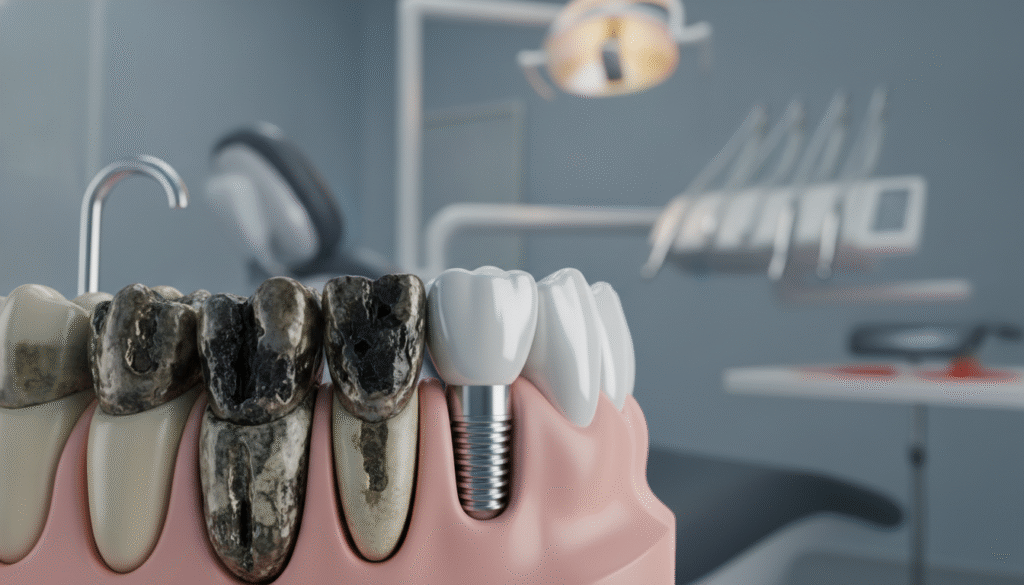
But, it’s important to keep your mouth clean. Even though implants don’t get cavities, the teeth around them can. If you don’t brush and floss well, you can get cavities in your real teeth.
Surrounding natural teeth and cavities
Implants can’t get cavities, but the teeth next to them can. Cavities in your real teeth show you need to brush and floss better. So, even with implants, you must take care of your teeth.
| Feature | Dental Implants | Natural Teeth |
|---|---|---|
| Vulnerability to Cavities | No | Yes |
| Material Composition | Titanium and Ceramic | Enamel and Dentin |
| Need for Fillings | No | Yes |
| Oral Hygiene Importance | Essential | Critical |
Assessing the Need for Root Canals
This section explores the nature of root canals and their relevance to dental care. Understanding this procedure can help patients make informed decisions about their dental health.
What is a root canal?
A root canal is a dental procedure aimed at removing infected or damaged pulp from within a natural tooth. The pulp is the soft tissue inside the tooth that contains nerves and blood vessels. When decay, trauma, or cracks expose the pulp to bacteria, it can become infected. This infection can lead to severe pain and even tooth loss if not treated.
When is a root canal necessary?
Several situations may necessitate a root canal:
- Severe toothache that persists
- Swelling and tenderness in the surrounding gums
- Discoloration of the tooth
- Prolonged sensitivity to hot or cold
In these cases, a root canal can alleviate pain and save the tooth from extraction.
Can an implant require a root canal?
Dental implants are designed to replace missing teeth and are made from artificial materials. Unlike natural teeth, implants lack pulp, nerves, and an organic root structure. This means you’ll never need a filling or root canal on an implant!
But, peri-implant infections can occur, which may mimic the symptoms of endodontic pain. Proper diagnosis is essential to differentiate between implant-related issues and those requiring traditional endodontic treatment.
| Condition | Root Canal Needed? | Implant Required? |
|---|---|---|
| Infected Pulp | Yes | No |
| Severe Decay | Yes | No |
| Trauma to Tooth | Yes | No |
| Peri-implantitis | No | Potential Treatment Needed |
Maintenance of Dental Implants
Caring for dental implants is key to their long-term success. Keeping them clean not only extends their life but also protects the gums. A regular oral hygiene routine is vital for the best implant care.
Here are some daily care tips for maintaining dental implants:
- Brush at least twice a day using a soft-bristle toothbrush.
- Floss daily around the implant area, utilizing special tools like interdental brushes or water flossers.
- Rinse with an antibacterial mouthwash to help reduce plaque buildup.
Professional cleaning for implants
Professional cleanings are also essential. Dentists use special tools to clean implants without damage. Regular cleanings help prevent problems like mucositis or peri-implantitis.
Importance of regular dental check-ups
Regular dental visits are key for implant health. Seeing your dentist at least twice a year helps catch problems early. They can check for issues and fix them quickly.
In summary, taking care of implants is a team effort. While implants can’t decay, they need careful care to avoid gum disease and other problems.
| Care Type | Frequency | Purpose |
|---|---|---|
| Daily Care | Twice a day | Prevent plaque buildup |
| Professional Cleaning | Every 6 months | Remove tartar and assess implant health |
| Dental Check-ups | Every 6 months | Early detection of issues |
Factors That Affect Implant Longevity
The life of dental implants depends on many things. Knowing these can help both patients and doctors make better choices. Important factors include the implant’s material, the patient’s health, and their lifestyle.
Material quality of implants
The materials in dental implants are very important. They need to be strong and safe for the body. Titanium alloys are often used because they are strong and safe.
Dental experts say implants can last a long time. This means no more worrying about dentures or relines. Choosing the right materials is key to a long-lasting implant.
Health conditions influencing implants
Some health problems can affect how well implants work. Issues like:
- Uncontrolled diabetes mellitus
- Osteoporosis
- Immunocompromised states
These can make it harder for the implant to stick and heal. People with these problems should talk to their dentist about implants.
Lifestyle factors impacting dental health
How you live can also affect your implants. Things like:
- Tobacco use
- Excessive alcohol consumption
- Poor dietary habits
can make it harder for your body to heal. Staying healthy is important for your implants to last.
Understanding these factors helps doctors and patients plan better. Implant maintenance is about more than just the implant. It’s about keeping your whole mouth healthy.
Signs of Implant Failure
It’s key to know the signs of implant failure for good dental care. Spotting these signs early can greatly help your dental implants work well and keep your dental health in check.
Symptoms to watch for
Keep an eye out for several symptoms that might mean your implant is failing. Common signs include:
- Persistent pain or discomfort: Ongoing pain around the implant site can signal issues.
- Mobility of the implant: If the implant feels loose, it may be failing.
- Suppuration or exudate: Any discharge from the implant area should be addressed immediately.
- Radiographic evidence: X-rays may show progressive bone loss around the implant.
- Soft tissue recession: If the gum tissue recedes, exposing the implant threads, this could indicate a problem.
Importance of early detection
Spotting these symptoms early is very important. Issues like peri-implant mucositis, which can lead to peri-implantitis, can be fixed with quick treatment. But, once bone loss happens, it’s often too late to fix it. So, acting fast is key.
When to consult your dentist
If you see any odd symptoms, see your dentist right away. Delaying treatment can cause bigger problems and risk your investment in implant care. Taking action early can keep your dental health strong and your implants lasting longer.
Comparing Dental Implants to Other Options
Dental implants are a top choice for tooth restoration. They stand out because of their unique benefits. Let’s look at how they compare to crowns, bridges, dentures, and implants.
Dental crowns vs. dental implants
Dental crowns fix damaged teeth by covering them. But they don’t replace the root. Dental implants, on the other hand, involve surgery to place a titanium post in the jawbone. This post acts as a new root for a crown.
This key difference means:
- Durability: Implants can last a lifetime with care, while crowns may need to be replaced in a few years.
- Bone Preservation: Implants help keep the jawbone dense, preventing loss, which crowns can’t do.
Bridges and dentures: pros and cons
Bridges and dentures are alternatives to implants. Bridges need teeth next to the missing one to be filed down. This can harm those teeth. They also don’t stop bone loss in the missing tooth area.
Dentures are less invasive at first but can cause:
- Progressive ridge atrophy: The jawbone can shrink over time, making dentures less comfortable.
- Reduced function: Dentures don’t chew as well as implants.
Long-term benefits of implants
Dental implants have many long-term benefits. They offer:
| Benefit | Description |
|---|---|
| Longevity | Implants can last a lifetime with proper care. |
| Natural Appearance | They look and feel like natural teeth, improving looks. |
| Bone Health | Implants keep the jawbone healthy, stopping it from getting worse. |
In conclusion, while crowns, bridges, and dentures have their uses, implants have special benefits. These benefits can lead to better results over time. Patients should think about these points when picking a tooth restoration method. This ensures they make a well-informed choice for their dental health.
Impact of Gum Health on Implants
Gum health is key to dental implant success. The gum tissue supports the implant, ensuring it stays stable and integrates with the jawbone. It’s important to understand how gum health affects dental implants for good oral health.
Gum tissue acts as a biological seal around the implant. This is vital for stopping bacteria from getting in. Dental implants lack the protective cementum of natural teeth, making them more prone to infection. So, keeping up with dental hygiene is critical.
Role of gum tissue in implant success
Healthy gums are essential for dental implants. They provide a strong foundation and help create a biological seal. This seal is key to preventing infections like peri-implantitis.
Preventing gum disease around implants
To prevent gum disease around implants, controlling plaque is key. Here are some effective strategies:
- Regular brushing and flossing to remove plaque.
- Using antimicrobial rinses to reduce bacteria.
- Scheduling professional cleanings to ensure thorough debridement.
These practices help protect the gums and extend the life of the implants.
Signs of gum problems with implants
Knowing the signs of gum issues is important for early treatment. Common signs include:
| Symptom | Description |
|---|---|
| Bleeding on probing | Gums bleed when gently probed, indicating inflammation. |
| Erythema | Redness of the gums, a sign of infection. |
| Swelling | Inflammation of the gum tissue around the implant. |
| Suppuration | Pus formation, indicating a severe infection. |
“Even though your implants can’t get cavities, the gums and bone supporting them are vulnerable to infection.”
Recognizing these signs early can help ensure implants stay healthy and functional. In summary, keeping gum health in check is as important for implants as it is for natural teeth. Effective oral health practices are vital for maintaining dental implants.
Common Misconceptions About Implants
Many myths and fears surround dental implants. It’s important to know the truth for those thinking about them. Dental implants are very successful, but wrong information can stop people from trying them.
Myths about implant maintenance
One big myth is that implants need no care. But, implant maintenance is key for them to last. Patients must brush and floss regularly to avoid problems like peri-implantitis.
Understanding implant complications
Some think implants can’t break. But, they can face issues like screws coming loose or prosthetics breaking. These problems are usually fixable with good care. Experts say implants are reliable but need ongoing research and education.
Debunking common fears
Many worry the implant surgery is too risky. But, new methods like guided surgery make it safer. Plus, implants have a high success rate, lasting over 95% for ten years.
| Myth | Fact | Impact |
|---|---|---|
| Implants require no maintenance | Regular hygiene is essential | Neglect can lead to complications |
| Implants are indestructible | They can experience issues | Awareness leads to better care |
| Surgery is excessively risky | Modern techniques reduce risks | Informed patients feel more confident |
By facing these myths with facts, we help patients feel more confident about implants. Knowing the truth is the first step to a successful implant treatment.
Cost Considerations for Dental Implants
It’s important for patients to know the costs of dental implants. The prices can be high, depending on several factors. Knowing these can help patients make better choices for their teeth.
Several elements affect the cost of dental implants:
| Factor | Description | Cost Impact |
|---|---|---|
| Number of Implants | The total number of implants needed for treatment. | More implants mean a higher cost. |
| Adjunctive Procedures | Extra treatments like bone grafting or sinus lifts. | These can greatly increase the cost. |
| Type of Restoration | Choosing between fixed or removable prosthetics. | Different types have different prices. |
| Material Quality | Implants made from high-quality materials cost more. | Quality affects how long they last and how well they work. |
| Geographic Location | Prices can change based on where you are and the dentist’s skill. | Prices are often higher in cities. |
Insurance for dental implants varies a lot. While many plans see implants as cosmetic, more are starting to see them as necessary. Some plans may help pay for part of the cost, making it easier for patients.
To deal with the cost of implants, patients can look into different ways to pay:
- Third-party healthcare credit companies
- In-house payment plans from dentists
- Health savings accounts (HSAs)
Understanding these financial aspects helps patients make good choices without sacrificing the quality of their dental care.
Innovations in Dental Implant Technology
Dental implant technology has seen big changes that change how we restore teeth. New advancements are making implants better and more natural-looking. These changes are exciting for the future of dental care.
Advances in implant materials
New implant materials are being developed. Now, we have options like zirconia, which looks like natural teeth and doesn’t attract plaque. These materials are better for your body and help implants fit better in your jaw.
Digital dentistry and implant planning
Digital dentistry has changed how we plan and place implants. Tools like CBCT and intraoral scanning give us detailed pictures of your teeth. This lets us make guides for implants and even create temporary teeth on the same day.
Future trends in dental implants
There are exciting changes coming to dental implants. Soon, implants might help your body grow new bone. Also, implants could have sensors to check how they’re doing and spot problems early. Personalized treatments might make implants even better at healing and fitting in.
| Material Type | Advantages | Disadvantages |
|---|---|---|
| Titanium | Durable, well-researched, excellent osseointegration | Metallic appearance, possible corrosion |
| Zirconia | Metal-free, aesthetic, less plaque | Less research, might be brittle |
| Bioactive materials | Promotes bone growth, better integration | Developmental, might be expensive |
The Role of the Dentist in Implant Care
Finding a good dentist is key for implant care. The dentist’s skill and care are critical for implant success. Look for a dentist with advanced training and experience in implants.
This ensures implants are placed right and work well. The dentist’s job doesn’t stop after the surgery. They must also provide follow-up care and check-ups.
These visits are important for:
- Checking the implant’s health through X-rays.
- Examining the bite to make sure it’s right.
- Looking at the gums for any problems.
By doing these things, dentists can catch problems early. This helps implants last longer and keeps your dental health good.
It’s also key for the dentist to teach patients about caring for their implants. Good communication helps patients take care of their teeth. This includes:
- Learning how to clean around the implant every day.
- Knowing what to expect from the implant’s life span.
- Staying on track with regular dental visits.
In short, a good relationship between dentist and patient is essential. This partnership helps patients feel supported in caring for their implants.
| Aspect of Care | Importance | Frequency |
|---|---|---|
| Radiographic Evaluation | Detects complications early | Every 6-12 months |
| Occlusal Analysis | Ensures proper bite | Annually |
| Soft Tissue Assessment | Monitors gum health | Every visit |
Case Studies: Success Rates of Implants
Real-world examples show dental implants have high success rates. These stories highlight how implants have changed lives. They improve both function and looks, boosting oral health and quality of life.
Stories of patients with implants
Many patients have shared their dental implant journeys. One patient, who got a single-tooth replacement, felt relief and gained confidence. Another patient, who got full-arch rehabilitation, could eat and speak comfortably again.
These stories not only show individual success but also the emotional benefits. They prove dental implants can greatly improve a person’s life.
Statistics on implant performance
Statistics show dental implants have a 95-98% success rate over ten years. This durability comes from better technology and surgical methods. With proper care, implants are a reliable choice for tooth replacement.
Factors leading to successful outcomes
Several factors affect dental implant success. Key ones include:
- Thorough preoperative assessment: A detailed check of the patient’s oral health is key.
- Meticulous surgical technique: Skilled surgeons perform with precision, lowering risks.
- Bone quality and volume: Enough bone support is essential for implant stability.
- Patient compliance: Following care instructions is critical for long-term success.
- Management of systemic health conditions: Treating any health issues can improve implant results.
Understanding these factors helps patients make better dental health choices. Combining patient stories with statistics makes a strong case for dental implants.
Addressing Complications After Implant Placement
After a dental procedure, complications can happen. It’s important to know about them and how to handle them. This ensures a smooth recovery.
Common issues post-surgery
Patients may face several issues after implant placement. These include:
- Surgical site pain
- Swelling and bruising
- Transient paresthesia
Some pain is normal. But, knowing the difference between healing and infection is key. If problems get worse, get help right away.
Troubleshooting implant discomfort
When you feel discomfort, there’s a way to figure out why. Here are some steps:
- Check if the implant is under too much stress.
- Look for loose screws that might be causing pain.
- Watch for signs of inflammation around the implant.
Remember,
If left untreated, peri-implantitis can lead to bone loss and eventually cause the implant to fail.
Fixing these problems quickly helps your implant last longer.
Importance of follow-up appointments
Regular check-ups are key for your implant’s health. These visits help with:
- Cleaning the implant to keep it healthy.
- Checking the bone around the implant.
- Spotting and fixing problems early.
By getting ready for possible problems and understanding how to solve them, we make dental care less scary. This leads to better results and a longer-lasting implant.
Conclusion: Is an Implant Right for You?
Choosing the right tooth restoration is key for your dental health. Dental implants can change your smile, but they’re not for everyone. You need to think about your dental needs carefully.
Look at how many teeth you’re missing, the health of your teeth, and your bone structure. These things help decide if implants are right for you.
Understanding dental implants is important. They last long and are stable, but you must take care of them. Talking to your dentist about this can help you make the best choice.
Getting advice from a professional is very important. A good dentist will check you and give advice just for you. This way, you get the best treatment for your needs. Talk to your dentist about implants today, and you might get a beautiful smile for life!