
Can a toothache go away on its own without treatment?
Did you know that nearly 80% of adults experience dental pain at some point in their lives? This is a surprising fact. Many people feel relieved when the pain goes away. But, this relief might hide a bigger problem.
When pain stops, it doesn’t always mean the problem is fixed. It could mean the nerve inside the tooth is damaged or dead. This can be dangerous because it might let infections spread without anyone noticing.
It’s important to understand why tooth pain happens and how it can go away. Small issues like food stuck in your teeth or minor injuries can cause pain. But, if the pain keeps coming back, it could mean something serious like a cavity or pulpitis. Ignoring these signs can make things worse.
Key Takeaways
- Dental pain is a common experience for many adults.
- Temporary relief from pain does not guarantee that the underlying issue is resolved.
- Damage to the tooth nerve can stop pain signals, leading to potentially serious complications.
- Minor irritations may resolve, but persistent pain often indicates serious dental problems.
- Seeking professional help is essential to address and treat underlying issues.
Understanding Toothaches: Causes and Types
Toothaches can feel different, depending on why they happen. Knowing the causes and types is key to treating them right. They can come from dental problems or other health issues. Knowing the cause helps figure out when to see a dentist.
Common Causes of Toothaches
Toothaches can come from several common reasons. Here are the main ones:
- Cavities and Tooth Decay: Bacteria eating away at tooth enamel is the top reason.
- Gum Disease: Gum inflammation can cause pain and sensitivity.
- Dental Abscess: A localized infection can cause severe pain and swelling.
- Tooth Injury: Damage to a tooth can lead to pain, if the pulp is hurt.
- Cracked or Fractured Teeth: These can cause sharp pain, when biting.
- Teeth Grinding: Grinding teeth can wear them down and cause pain.
- Sinus Infections: These can cause pain in the upper teeth.
Types of Toothaches
Toothaches can be different based on their symptoms:
| Type of Toothache | Description | Common Causes |
|---|---|---|
| Sharp Pain | Sudden, jabbing sensations | Reversible pulpitis, cavities |
| Dull Throbbing Pain | Persistent, aching discomfort | Irreversible pulpitis, abscess |
| Sensitivity to Temperature | Discomfort when consuming hot or cold items | Enamel erosion, gum recession |
When to Seek Professional Help
Knowing when to get help for a toothache is important. If pain lasts more than 48 hours, is sudden, or keeps you awake, see a dentist. These signs can mean serious problems that need quick action. Early treatment can stop infections and other serious issues.
“Ignoring a toothache can lead to serious health issues.”
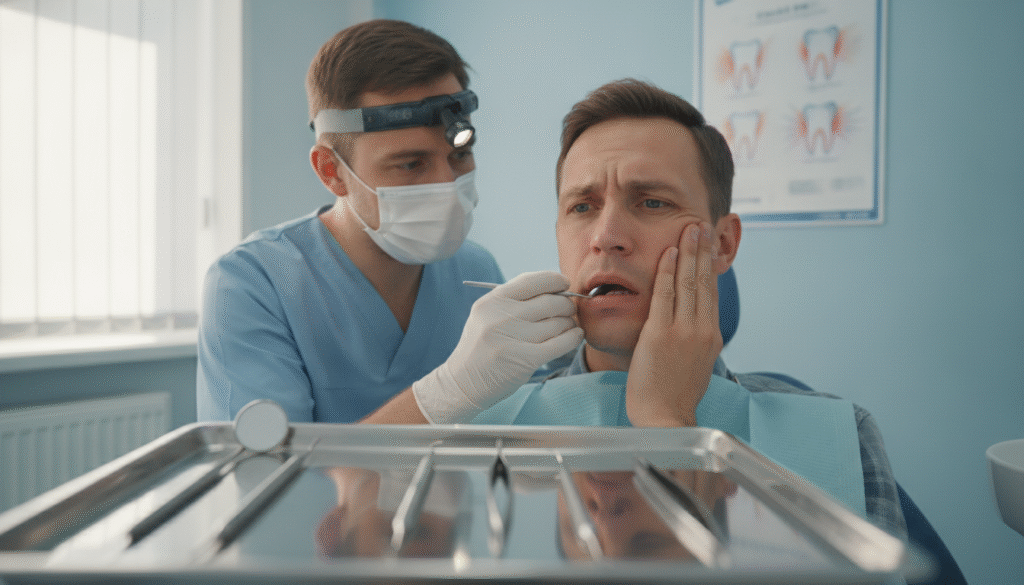
Symptoms of a Toothache
It’s important to know the signs of a toothache to get the right help. Toothaches can feel different, from mild to severe. Spotting these signs can help you find the right care.
Pain Intensity and Duration
Tooth pain can feel like a dull ache or sharp pokes. The pain’s strength can tell you what’s wrong. For example, a quick, sharp pain from cold might be fixable. But, a constant, throbbing pain that keeps you awake is a bigger problem.
The pain’s length is also key. It can last from a day to weeks, depending on the cause. Knowing if the pain comes and goes, lasts all day, or wakes you up at night can help figure out what’s wrong.
Associated Symptoms
Toothaches can also bring other signs that mean you need to see a dentist fast. These signs include:
- Extra sensitivity to hot and cold temperatures
- Aching or swollen gums
- Bad breath
- Headaches
- Ear pain
- Fever and chills
- Pain when biting or applying pressure
These symptoms can mean the infection is spreading or getting worse. It’s a clear sign you need to act quickly.
Impact on Daily Life
Toothaches can really mess up your day. They can make it hard to eat or talk, affecting your social life and happiness. They can also keep you up at night and make it tough to focus at work or school.
Knowing these signs and what they mean is key for finding tooth pain relief. Getting help early can lessen the pain and improve your life.

Natural Remedies for Toothache Relief
Toothache relief can often be achieved through various natural remedies that are readily available. These remedies serve as temporary solutions, providing symptomatic relief while addressing inflammation and discomfort. Here, we explore some of the most effective natural methods.
Saltwater Rinse
A saltwater rinse is a well-known remedy that many people use for toothache relief. This hypertonic solution creates an osmotic gradient, which can help reduce swelling and inflammation in the gums. By altering the oral pH, it also provides a mild bacteriostatic effect, which may assist in managing bacterial growth in the mouth.
Cold Compress Application
Applying a cold compress to the outside of the cheek can significantly alleviate toothache pain. The cold temperature induces vasoconstriction, which limits blood flow to the area. This process reduces inflammation and nerve conduction velocity, leading to localized analgesia. It is an effective method for managing acute pain, such as dental abscesses.
Clove Oil and Other Home Remedies
Clove oil, known for its active component eugenol, acts as both a topical anesthetic and a mild antiseptic. When applied correctly, it can provide relief from toothache pain. It is important to dilute clove oil and use a cotton pellet to avoid chemical burns to the oral mucosa.
Other home remedies, such as garlic and hydrogen peroxide rinses, have also been explored for their benefits. While these may offer symptomatic relief, they do not address the underlying dental issues causing the pain.
For those experiencing toothaches, it is advisable to avoid very hot or cold foods and drinks, as these can exacerbate discomfort. Instead, opting for soft foods like Greek yogurt, scrambled eggs, and whole-grain oatmeal can provide nutritional benefits while minimizing irritation.
The Role of Oral Hygiene in Toothache Management
Keeping your mouth clean is key to avoiding toothaches and keeping your teeth healthy. Brushing and flossing every day are not just habits. They are critical steps that help prevent dental pain. By using the right techniques, you can stop toothaches before they start.
Importance of Regular Brushing and Flossing
Brush your teeth twice a day with a soft toothbrush and toothpaste. This removes food bits and plaque. Flossing daily or using a water flosser is also vital. It cleans between your teeth, where a toothbrush can’t reach.
To brush right, hold your toothbrush at a 45-degree angle to your gums. This helps remove plaque better and avoids gum irritation. Change your toothbrush every three months or sooner if it’s worn out.
Understanding Plaque and Tartar Buildup
Plaque is a sticky film of bacteria on your teeth. If you don’t brush and floss, it turns into hard tartar. Tartar is a breeding ground for harmful bacteria like Streptococcus mutans and Porphyromonas gingivalis. These bacteria cause cavities and gum disease.
Going to the dentist regularly is important for fighting plaque and tartar. Dentists can clean your teeth professionally and spot problems early.
Importance of Routine Dental Check-ups
Dental visits are essential for managing toothaches. They help catch problems like tooth decay or gum disease early. This way, you can avoid pain and costly treatments later.
In short, good oral hygiene is the best way to prevent toothaches. Brushing, flossing, and regular dental visits are the keys. They help keep your teeth and mouth healthy and pain-free.
Can Toothaches Resolve Themselves?
Many think a toothache can just go away. But, it’s not always true. Sometimes, tooth pain might stop by itself. Yet, this doesn’t mean the problem is fixed.
For example, if a small piece of food gets stuck between your teeth, the pain might go away. But, this relief is usually short-lived. It doesn’t mean the real problem is solved.
Factors Influencing Self-resolution
Several things can decide if a toothache goes away on its own:
- Severity of Pain: Mild pain might be a small issue. But, severe pain often means a bigger problem.
- Duration of Symptoms: If the pain lasts more than a few days, see a dentist.
- Underlying Conditions: Problems like infections or decay can get worse if not treated.
Temporary vs. Permanent Relief
It’s key to know the difference between temporary and lasting relief. Sometimes, pain might stop, but that’s not always good news. For instance, if a toothache goes away after being very painful, it might mean the nerve is dead.
This doesn’t mean the pain is gone for good. It could mean the problem is even worse.
The table below shows the main differences between temporary and lasting relief:
| Type of Relief | Indicators | Potential Risks |
|---|---|---|
| Temporary Relief | Short-lived pain cessation | Possible underlying infection |
| Permanently Resolved | Long-term absence of pain | Underlying issue addressed |
Only a dentist can really tell if the pain is gone for good. If you have a toothache, it’s best to see a dentist. They can make sure your teeth are healthy.
Risks of Ignoring a Toothache
Ignoring a toothache can lead to serious health problems. The causes of tooth pain, like decay or infection, don’t go away by themselves. They get worse, causing big issues. It’s important to know how oral diseases can get worse if a toothache is ignored.
Potential Progression of Oral Diseases
Toothaches often mean more serious dental problems are coming. At first, you might just have enamel caries. But if not treated, it can turn into deep decay. This decay can reach the pulp, causing serious damage.
This damage can lead to a periapical granuloma, cyst, or abscess. Each one is more serious. The risks include:
- Bone Loss: Infection can eat away at the bone.
- Abscess Rupture: This can cause systemic infections and a lot of pain.
- Need for Root Canal or Extraction: Advanced decay might need more serious treatments.
Complications Associated with Untreated Toothaches
Ignoring a toothache can lead to many problems. You might get an acute or chronic abscess. This can cause serious infections like cellulitis or Ludwig’s angina, which is very dangerous.
Also, chronic infections can harm your overall health. This includes:
- Cardiovascular Disease: Ongoing inflammation can hurt your heart.
- Adverse Glycemic Control: Diabetic patients may see their blood sugar levels get worse.
In summary, ignoring a toothache is risky. Delayed treatment can make things worse. You might need simple fixes or more serious treatments like endodontic therapy or extraction. Remember, “The mouth is a window to the body; what happens there can affect your overall health.”
When Toothaches Warrant Immediate Attention
Certain signs with a toothache mean it’s a medical emergency. It’s key to spot these signs early to avoid bigger problems. If you notice any of these symptoms, get to the dentist right away:
Symptoms Indicating a Medical Emergency
- Severe Pain: If the pain is really bad and doesn’t go away, it could be serious.
- Fever: A fever with a toothache means you might have an infection.
- Swelling: If your face or jaw is swelling, you need to see a dentist fast.
- Difficulty Opening Your Mouth: Trouble opening your mouth wide could mean your jaw muscles are involved.
- Traumatic Injury: If you hurt your tooth, you should get it checked out right away.
Even if the pain goes away, don’t skip your dental visit. Your dentist will check everything and might take X-rays. They’ll look for decay, infection, or nerve damage.
Importance of Timely Treatment
Getting treatment quickly is not just for the pain. It’s to stop infections from getting worse. Treatments like cleaning the pulp, draining an abscess, and antibiotics can stop the infection. This helps keep your tooth safe and improves your chances of a good outcome.
Just because the pain stops doesn’t mean you’re all fixed. You need to see a dentist to make sure there’s no serious problem.
Role of Diet in Toothache Management
A balanced diet is key to managing toothaches. What we eat can make tooth pain better or worse. Knowing how diet affects toothaches helps us handle pain better.
When you have a toothache, watch what you eat. Some foods can make it worse, while others can help. Here’s what to eat and avoid.
Foods to Avoid with a Toothache
Some foods can make tooth pain and swelling worse:
- Very hot and cold foods and drinks: They can cause sharp pain by irritating the tooth’s nerves.
- Hard or chewy foods: These can put too much pressure on an inflamed tooth.
- Sugary foods and drinks: They feed bad bacteria, leading to more plaque and swelling.
Beneficial Foods for Oral Health
But, some foods can help with toothaches and keep your mouth healthy:
- Soft foods: Like Greek yogurt, scrambled eggs, and oatmeal, they’re easy on your teeth and full of nutrients.
- Dairy products: They’re full of calcium and phosphate, which help strengthen tooth enamel and aid in healing.
- Vitamin C-rich foods: Oranges and strawberries help heal mouth tissues.
Changing your diet can help reduce pain while you wait for dental care. Here’s a quick guide on what to avoid and what to eat:
| Foods to Avoid | Beneficial Foods |
|---|---|
| Very hot foods | Greek yogurt |
| Cold beverages | Scrambled eggs |
| Hard candies | Whole-grain oatmeal |
| Sugary snacks | Dairy products |
| Chewy foods | Vitamin C-rich fruits |
Medications for Toothache Relief
When you have a toothache, knowing the right medicines can help a lot. There are many choices, from over-the-counter pain relievers to prescription drugs. Knowing what’s available can help you feel better.
Over-the-Counter Pain Relief Options
Over-the-counter (OTC) medicines are often the first choice for tooth pain. They work fast and are easy to find. The most common ones are:
- Ibuprofen: A non-steroidal anti-inflammatory drug (NSAID) that reduces inflammation and pain.
- Acetaminophen: An effective analgesic that is a suitable alternative when NSAIDs are contraindicated.
- Topical Pain Relievers: Products that can be applied directly to the gums to numb the area temporarily.
These medicines can help with pain, but they’re not a replacement for seeing a dentist.
Prescription Medications and Their Uses
Sometimes, you might need prescription medicines for more serious pain or infections. These can include:
- Stronger NSAIDs: Prescribed for more intense pain that OTC options cannot alleviate.
- Combination Analgesics: Medications that combine different pain relief mechanisms for enhanced effectiveness.
- Antibiotics: Indicated when there are signs of infection, such as swelling or fever. They should be used judiciously to avoid antibiotic resistance.
Always talk to a healthcare professional before starting any prescription medicine. This ensures it’s right for your situation.
| Medication Type | Use | Notes |
|---|---|---|
| Ibuprofen | Pain and inflammation | Take with food to reduce stomach upset. |
| Acetaminophen | Pain relief | Does not reduce inflammation. |
| Topical Pain Relievers | Localized pain relief | Apply as directed on the packaging. |
| Stronger NSAIDs | Severe pain | Requires a prescription. |
| Antibiotics | Infection | Only for confirmed infections. |
Knowing about the medicines available can help you manage tooth pain. But remember, these are just temporary fixes. Seeing a dentist for a proper diagnosis and treatment is key.
Professional Treatments for Toothaches
Dealing with a toothache can be tough. Knowing the professional treatments can help a lot. Dental pain management is key for comfort and to avoid more problems. At your dentist visit, they will check your whole mouth.
They will ask about your health and dental history. This helps them find out what’s wrong. Then, they’ll look closely at the painful area. They might take a digital X-ray to see if there are cracks or swelling.
After finding the problem, your dentist will talk about treatment options. These could be:
- Fillings: To remove decay and seal the tooth.
- Crowns: To cover and protect teeth that are cracked.
- Root Canal Therapy: A way to clean and fill the infected tooth.
- Extractions: When the tooth can’t be saved.
These treatments are backed by science. They aim to get rid of the infection and manage pain. Knowing about these options helps you make better choices for your teeth.
Emotional Impact of Toothaches
A toothache can cause more than just physical pain. It can also lead to stress and anxiety. Many people feel anxious about going to the dentist, which can delay treatment.
Studies show that long-lasting tooth pain can make people feel stressed and even depressed. This emotional pain can greatly affect how well someone lives. The fear of dental visits can make the pain worse, so it’s important to deal with both the physical and emotional sides of toothaches.
Stress and Anxiety Related to Dental Pain
Dental pain can cause a lot of emotional distress. Many people get caught in a cycle of anxiety about their teeth. This anxiety can show up in different ways, such as:
- Increased heart rate and sweating when thinking about dental visits.
- Difficulty sleeping due to persistent pain or worry.
- Avoidance of necessary dental care, leading to more severe issues.
It’s important to understand how dental pain affects our emotions. By recognizing this connection, we can take steps to reduce anxiety.
Coping Mechanisms
There are effective ways to handle the emotional side of toothaches. Here are some strategies backed by research:
- Cognitive Behavioral Strategies: Change negative thoughts about dental visits to lower anxiety.
- Mindfulness and Deep Breathing: Use mindfulness to stay calm during pain episodes.
- Open Communication: Talk about fears and concerns with your dentist to create a supportive environment.
Using these strategies can help break the cycle of fear and pain. A caring dentist who understands these emotional challenges can provide better care.
| Emotional Response | Impact on Dental Care | Coping Strategy |
|---|---|---|
| Stress | Avoidance of dental visits | Mindfulness techniques |
| Anxiety | Increased pain perception | Cognitive reframing |
| Fear | Delayed treatment | Open communication with providers |
Preventive Measures for Toothaches
Keeping your teeth and gums healthy can help avoid toothaches. By following certain steps, you can keep your mouth in good shape. Here are some key practices to keep your teeth and gums healthy.
Best Practices for Dental Care
Toothache prevention begins with good dental hygiene. Here are some important steps:
- Brush Twice Daily: Use a soft-bristled toothbrush and fluoride toothpaste to clean your teeth.
- Floss Daily: Flossing removes food and plaque from between teeth, where a toothbrush can’t reach.
- Replace Your Toothbrush: Change your toothbrush every three months for best cleaning.
- Limit Sugary Foods: Eating less sugar helps prevent cavities and tooth decay.
- Ask About Sealants: Dental sealants can protect teeth, which is good for kids.
- Use Protective Gear: Mouthguards during sports can prevent dental injuries.
Importance of Regular Check-ups
Regular dental visits are key for good oral health. These visits help in many ways:
- Early Detection: Dentists can spot problems like cavities or gum disease early.
- Professional Cleaning: Professional cleanings remove plaque and tartar that brushing might miss.
- Assessment of Dental Work: Regular checks ensure your dental work is good and working right.
In summary, taking these steps is important to avoid toothaches. A regular dental care routine and visits to the dentist are essential. They help keep your mouth healthy and strong.
The Connection Between Toothaches and Overall Health
Tooth pain can mean more than just a dental problem. It might show a bigger health issue. It’s important to understand this link for good oral and overall health. Many people ignore the signs their body gives them, thinking a toothache is just a dental issue. But, these pains can be signs of bigger health problems.
Toothaches can come from different sources. Sometimes, they show a bigger health issue that needs attention. For example, a sharp pain might mean a sinus problem, not just a cavity. Or, what seems like gum sensitivity could actually be a cracked tooth under an old filling. As one expert said,
“Tooth pain is a symptom that is telling you something is not quite right.”
Indicators of Larger Health Issues
Many health problems can show up as tooth pain, including:
- Sinusitis: Inflammation of the sinuses can cause pain in the upper molars.
- Cardiovascular conditions: Pain from the heart can feel like tooth pain.
- Diabetes: Oral infections can make diabetes harder to manage.
Chronic oral infections, like periodontitis, can harm your overall health. Bacteria from these infections can get into your blood. This can lead to heart problems and infections in the heart valves. This shows how connected our mouth and body are. It’s key to fix dental problems quickly.
Monitoring Changes in Oral Health
Watching for changes in your mouth is important. Look out for:
- Non-healing ulcers
- Persistent white or red patches
- Unexplained tooth mobility
These signs could mean serious problems, like oral cancer. Regular dental check-ups are key for catching and treating these issues early. They are a big part of keeping your whole body healthy.
Conclusion: Evaluating Your Toothache and Next Steps
Having a toothache can be really upsetting. Some people might find quick toothache relief with home remedies. But, it’s key to know when these fixes aren’t enough.
A toothache that goes away might seem like a win. Yet, it could hide serious problems that need a dentist’s help.
For minor issues, like gum pain from food, just cleaning your teeth might help. But, if the pain is strong or doesn’t go away, see a dentist. They can find and fix problems that home treatments can’t.
Ignoring a toothache can cause bigger problems. Relying only on toothache remedies without a dentist’s advice can let diseases get worse. Remember, feeling no pain doesn’t mean you’re healed. It might mean you need to see a dentist right away.
Looking after your teeth is very important. Going to the dentist regularly and dealing with tooth pain fast can prevent bigger issues. A dentist’s advice is the best way to make sure you’re getting the right care for your teeth.
