Can I Eat Normally with a Dental Implant or Bridge?
Did you know that about 70% of people say they can chew and enjoy food better after dental work? Dental implants and bridges can change how you feel about your smile. They not only fix your teeth but also boost your confidence.
Many people wonder if they can eat like they used to after getting dental implants or bridges. The good news is yes, most people can eat normally after a little time to get used to it. But, how easy it is can depend on the type of dental work you got.
Fixed bridges are more stable than dentures you can take out. Dental implants work like your own teeth. It’s key to know that it takes a few weeks to get used to bridges. But implants need a longer time because they need to bond with your bone.
In this article, we’ll dive into the details of eating normally after dental work. Knowing how to adjust and following your dentist’s food advice can help you get the best results.
Key Takeaways
- Most patients can return to regular eating after dental restorations.
- Fixed bridges provide greater stability than removable options.
- Dental implants offer functionality similar to natural teeth.
- Adjustment periods vary; typically four to six weeks for bridges.
- Recovery for implants involves a staged process.
Understanding Dental Implants and Bridges
Knowing about dental implants and bridges is key to better dental care. These options help in different ways. It’s important to understand their differences to make good choices for your teeth.
What Are Dental Implants?
Dental implants are made of titanium or zirconia. They are placed in the jawbone during surgery. This creates a strong base for new teeth.
The bone cells attach to the implant, making it strong. This is why implants last a long time.
What Are Dental Bridges?
Dental bridges replace missing teeth. They have artificial teeth and are held by crowns on nearby teeth. There are many types of bridges, each with its own design.
- Traditional Bridges: Crowns on both sides of the gap.
- Cantilever Bridges: Supported on one side only.
- Maryland Bonded Bridges: Use a framework to support the pontic.
- Implant-Supported Bridges: Attached to dental implants instead of natural teeth.
Key Differences Between Implants and Bridges
It’s important to know the differences between implants and bridges. Here are the main points:
| Feature | Dental Implants | Dental Bridges |
|---|---|---|
| Support | Directly anchored to the jawbone | Supported by adjacent teeth |
| Bone Preservation | Helps maintain alveolar bone | May lead to bone loss over time |
| Longevity | Can last a lifetime with proper care | Typically last 5-15 years |
| Procedure | Involves surgical placement | Less invasive, no surgery required |
In summary, dental implants are a long-term solution that helps keep the bone healthy. Bridges are good for filling gaps but can cause problems over time because they rely on nearby teeth.
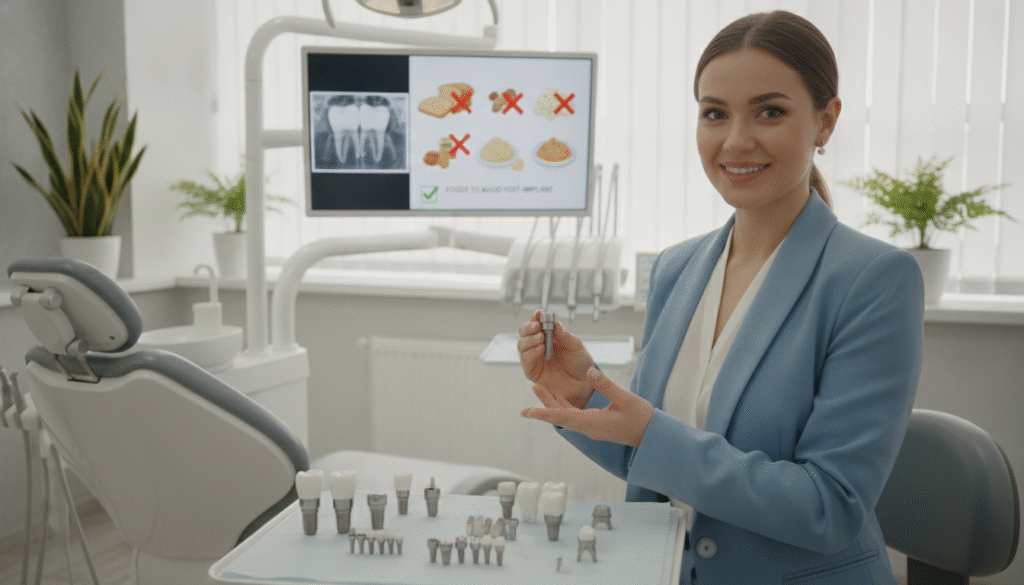
Eating After Dental Implant Surgery
Eating habits right after dental implant surgery are key to healing and feeling good. It’s important to choose the right foods during the first 24 to 48 hours. This helps protect the area where the implant was placed.
Immediate Aftercare Instructions
After dental implant surgery, taking care of the area is top priority. This means:
- Avoid chewing on the implant site for a few days.
- Don’t eat or drink anything hot to avoid discomfort.
- Keep your mouth clean but be gentle around the surgery area.
Following these steps helps avoid problems and makes recovery smoother.
Foods to Avoid Initially
There are foods to avoid with dental implant surgery that can slow healing. Stay away from:
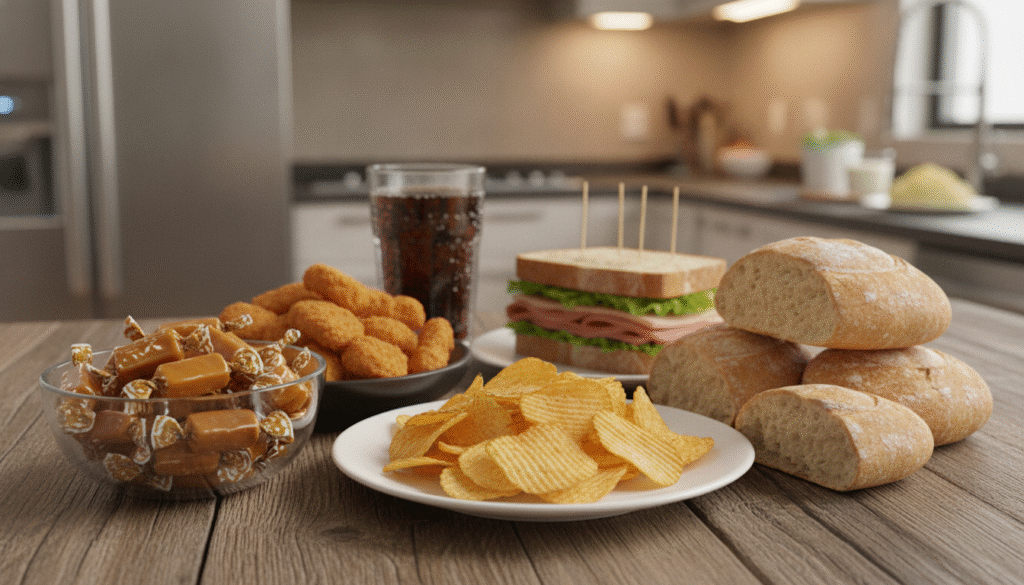
- Hard foods like ice, hard candies, and crusty bread that can harm the implant.
- Sticky foods like caramel and taffy that can stick to the area and slow healing.
- Food with seeds and nuts that can get stuck and cause infection.
Avoiding these foods helps keep the surgery area safe during the healing time.
Recommended Soft Foods for Recovery
Eating soft foods is best for recovery. Good choices include:
- Scrambled eggs and Greek yogurt for protein.
- Mashed potatoes and pureed soups for comfort and nutrition.
- Steamed veggies and soft fish for vitamins and minerals.
- Smoothies for hydration and easy eating.
These foods help you get enough calories and keep your protein levels up. This diet is not just for comfort. It’s also important for the implant to bond with your bone.
Adapting to a Dental Bridge
Getting used to a dental bridge takes time and some changes in what you eat. At first, the bridge might feel odd, and you might notice small changes in how you speak. But these changes usually go away as you get more comfortable with your new appliance.
What to Expect After Placement
Right after getting a dental bridge, you’ll need about one to two weeks to adjust. Your mouth will go through a process of getting used to the new bridge. You might feel a bit sore or tender, but this usually goes away in a few days.
Ideal Foods for the First Few Days
In the first 24 to 48 hours, eat soft, easy-to-chew foods. Good choices include:
- Scrambled eggs
- Oatmeal
- Mashed potatoes
- Yogurt
- Well-cooked pasta
As your gums heal and the soreness goes down, you can start eating semi-solid foods. By the end of two weeks, you should be able to eat like normal again.
Long-Term Care for Dental Bridges
To keep your dental bridge in good shape, you need to take care of it every day. Bridges are strong, but they can break if you use them wrong. Avoid using them to open packages or biting into hard foods. Instead, cut food into small pieces and chew evenly.
Keeping your bridge clean is very important. Use:
- Floss threaders
- Super floss
- Interdental brushes
- Water flossers
Go to the dentist every six months to check on your bridge and teeth. With the right care, a bridge can last 10 to 15 years or more.
Nutritional Considerations
Nutrition is key for healing after dental work. After getting dental implants or bridges, eating well is important. It helps with recovery and keeps your dental solutions working well for a long time.
Maintaining a Balanced Diet
To help heal, eat soft, nutrient-rich foods. These include:
- Cooked vegetables
- Soft proteins like fish and eggs
- Grains such as pasta and oatmeal
- Dairy products for calcium
- Soft fruits like bananas and berries
Eating these foods helps meet your body’s needs while you recover. It’s important to have the right mix of nutrients, even when chewing is hard.
Foods to Support Oral Health
Some foods are great for your mouth:
- Calcium-rich dairy products help keep enamel strong and bones healthy.
- Vitamin C-rich fruits and vegetables keep gums healthy.
- Omega-3 fatty acids from foods like salmon reduce swelling and help healing.
Supplements for Bone Health
Keeping bones strong is key for dental implants. Think about taking supplements for bone health, if needed. Vitamin D helps your body use calcium, and calcium and phosphorus help create new bone around implants.
Always talk to a doctor before taking supplements. But remember, eating whole foods is best. They give you lots of nutrients and benefits.
Managing Discomfort
Learning how to deal with discomfort after dental implants or bridges is key. It helps patients feel better faster. Discomfort is normal after these treatments, but knowing how to handle it is important.
Over-the-Counter Pain Relief
Many patients find relief with over-the-counter pain meds. NSAIDs, like ibuprofen, are good because they reduce pain and swelling. They help a lot.
It’s important to follow the dosage instructions. If you can’t take NSAIDs, acetaminophen is a good choice. Remember, discomfort usually gets worse in the first 48 to 72 hours and then starts to go away.
When to Contact Your Dentist
Some discomfort is okay, but certain signs mean you should call your dentist. If you have:
- Persistent trouble eating or speaking for more than two to three weeks
- Pain that gets worse instead of better
- A loose bridge or visible damage
- Increasing sensitivity to hot or cold
These signs might mean you need help from your dentist. Talking to them early can fix problems before they get worse. This keeps your dental work working well.
“Early professional intervention for these symptoms can often salvage restorations that would other wise fail.”
Best Practices for Eating with Dental Implants
Eating with dental implants needs a careful start. Start with soft foods and then move to a more varied diet. This helps you enjoy meals without pain.
At first, you’ll eat soft foods for about two weeks. Then, you can add firmer foods as you get more comfortable. Here’s how to do it:
How to Transition Back to Regular Eating
- Start with Soft Foods: Begin with pureed items, yogurt, and soups.
- Introduce Firmer Textures: After two weeks, add steamed vegetables and tender meats.
- Chew Carefully: Take smaller bites and chew slowly to avoid putting excess pressure on the implants.
- Distribute Chewing: Use both sides of your mouth to prevent unilateral overload on the implant site.
- Monitor Comfort: If discomfort arises, revert to softer foods and consult your dentist.
Most people can eat normally in a month. But, be careful with hard or sticky foods.
Suggested Foods for Dental Implant Patients
Include these foods in your diet to help with healing and nutrition:
- Soft Fruits: Bananas, applesauce, and ripe peaches.
- Vegetables: Steamed carrots, mashed potatoes, and avocados.
- Proteins: Eggs, fish, and tender chicken.
- Dairy: Yogurt and cottage cheese for calcium and protein.
- Grains: Soft bread and oatmeal to provide energy.
“Eating should be a pleasurable experience, even after dental surgery. With patience and the right choices, you can enjoy a varied diet again.”
Transitioning back to regular eating with dental implants needs careful planning. By following these tips, you can enjoy your meals and keep your dental work in good shape.
Common Concerns with Eating
Many people worry about how dental work affects their eating. Knowing about these worries can help patients make better choices. This way, they can enjoy their meals without anxiety.
Can I Bite into Hard Foods?
Patients often wonder if they can eat hard foods after dental implants or bridges. Well-placed implants can handle a lot of pressure. But, the materials for crowns or bridges, like porcelain or acrylic, can break easily.
So, it’s smart to avoid hard foods like ice, nuts, and hard candies. Instead, cut fruits like apples into small pieces. This helps avoid putting too much stress on your dental work.
Effects of Sticky Foods on Dental Work
Sticky foods are another concern. Foods like caramel, toffee, and gummy candies can pull on dental bridges. This can weaken the bond over time, causing problems.
To keep your dental work safe, eat fewer sticky foods. If you do eat them, clean your teeth well afterward. This helps remove any food that might harm your dental restorations.
Sensitivity Post-Procedure
Feeling some sensitivity after dental work is normal. You might notice it more when eating hot or cold foods, or when biting down. This usually gets better as you heal.
But, if the sensitivity gets worse or doesn’t go away, it could be a sign of a problem. Contact your dentist to check if everything is healing right.
Oral Hygiene Tips After Eating
Keeping your mouth clean after meals is key to your dental health. Good hygiene helps your implants and bridges last longer. Here are some important tips to follow:
Cleaning Around Implants and Bridges
Cleaning implants and bridges needs special care. Regular brushing might not be enough, but there are ways to do it right:
- Use Floss Threaders: Start by threading the floss from the outside. Then, gently move it back and forth against the implant and teeth.
- Water Flossers: Water flossers with special tips can clean hard spots well.
- Interdental Brushes: These brushes clean between teeth and around implants safely.
Recommended Oral Care Products
Choosing the right products is important for your dental health. Here are some good options:
- Soft-Bristle Toothbrush: A soft-bristled toothbrush is best for cleaning your dental work.
- Antimicrobial Mouth Rinse: Use a rinse with chlorhexidine for a few days after surgery to kill bacteria.
- Non-Abrasive Fluoride Toothpaste: This toothpaste protects your teeth without harming your dental work.
Importance of Regular Dental Check-ups
Going to the dentist regularly is vital for your dental health. Dentists do many important things:
- They check if the bridge is loose.
- They look for signs of disease around implants.
- They clean areas that are hard to reach at home.
By following these tips and going to the dentist regularly, you can keep your dental work in great shape.
Lifestyle Adjustments
Getting used to a new dental restoration is more than just a visit to the dentist. It’s about making lifestyle changes too. These changes help make dental implants and bridges last longer. By changing how you eat and checking your teeth regularly, you can keep your dental work in top shape.
One big change is changing how you eat. It’s important to eat mindfully. This means:
- Taking smaller bites to avoid putting too much pressure on your teeth.
- Chewing slowly to help with digestion and to feel less discomfort.
- Chewing on both sides of your mouth to wear down your teeth evenly.
- Not using your teeth to open things like packages.
These changes are not forever. They help you eat more consciously. Using smaller utensils or pre-cut food can also help you eat smaller bites.
Also, regular self-monitoring is key. Keep an eye out for any changes in how your teeth feel. Here are some ways to check:
- Feel your bridge gently with your finger to see if it’s moving.
- Notice how your bite feels when you first bite into something.
- Watch for bad tastes or smells, which could mean trapped food or a problem with the cement.
- Look at your gums around the implants for any signs of trouble like redness or swelling.
If you grind your teeth at night, talk to your dentist about night guards. They can help protect your teeth from damage.
By making these lifestyle changes, you can take care of your teeth better. This helps your dental restorations last longer.
| Adjustment Type | Benefits | Examples |
|---|---|---|
| Eating Habits | Reduced strain on restorations | Smaller bites, bilateral chewing |
| Self-Monitoring | Early detection of issues | Regular check-ups, self-exams |
| Night Guards | Protection against grinding | Custom-fitted occlusal guards |
Long-Term Longevity of Implants and Bridges
Many factors affect how long dental implants and bridges last. Knowing these is key for patients wanting their restorations to last. Oral hygiene, diet, and health are all important.
Factors Affecting Durability
Several things can influence how long dental implants and bridges last:
- Oral Hygiene Quality: Brushing and flossing regularly helps avoid plaque.
- Dietary Habits: Eating well supports your mouth, but too much sugar can harm it.
- Parafunctional Forces: Habits like grinding teeth can stress dental work.
- Regular Professional Maintenance: Seeing your dentist every six months is important.
- Overall Health Status: Health issues like diabetes can affect healing and increase risks.
Best Practices for Maintenance
Good maintenance can make dental implants and bridges last longer. Here are some tips:
- Brush Twice Daily: Use a soft toothbrush and fluoride toothpaste for your teeth and restorations.
- Interdental Cleaning: Use tools made for your restoration type to clean between teeth.
- Avoid Destructive Habits: Don’t chew ice or hard things that can damage your dental work.
- Regular Dental Visits: Go to your dentist every six months for cleanings and checks.
- Use Antimicrobial Mouthwash: Choose alcohol-free mouthwash to fight plaque without irritating your mouth.
“A well-maintained dental bridge can last 10 to 15 years or longer, while dental implants can potentially last a lifetime with proper care.”
In conclusion, the life of dental implants and bridges depends on more than just the materials. Daily choices and habits play a big role. By following these dental implant maintenance tips, patients can help their restorations last longer.
Conclusion: Eating Comfortably with Dental Solutions
Dental implants and bridges do more than just make your smile look good. They help you eat, speak, and smile with confidence again. It might take some time to get used to them, but most people find they can eat like they used to.
It’s important to take good care of your dental restorations to make them last. Brushing and flossing regularly, along with dental check-ups, are essential. These steps help your implants and bridges work well, so you can eat a wide variety of foods.
Many people worry about changing their diet and possible problems. But, these worries are common and usually short-lived. The initial adjustments are worth it for a future filled with comfort and confidence in eating.
Dental professionals are there to help. They want you to do well and enjoy life without dietary limits. Their goal is to help you get back to eating normally, so you can enjoy life more fully.
In short, choosing dental implants or bridges is a big step towards better health and happiness. With the right care and attitude, you can look forward to a fulfilling eating experience.