
Can Invisalign Help with Jaw Pain or TMJ Issues?
Did you know nearly 10% of adults have TMJ disorders? This is a big dental problem for many. People with symptoms like clicking, discomfort, or headaches look for ways to feel better.
A popular clear aligner system is one option. It’s mainly for straightening teeth but might help with jaw pain too. If your teeth are not aligned right, it could cause jaw strain and pain.
But, it’s important to know this isn’t a fix for everyone. The link between how your teeth bite and jaw health is very complex. This article will look into how clear aligners might help with TMJ issues. We’ll see when they work and when you might need something else.
Key Takeaways
- TMJ disorders affect a significant portion of the adult population.
- Clear aligners may assist in cases of bite misalignment.
- Not all patients will experience relief from using aligners.
- The relationship between bite function and jaw health is complex.
- Understanding individual cases is key for effective treatment.
Understanding TMJ and Jaw Pain
The temporomandibular joint (TMJ) is key for daily tasks like chewing and speaking. Knowing about TMJ disorders is important for those with jaw pain. This part will explain what TMJ is, its symptoms, and causes.
What is TMJ?
TMJ stands for the temporomandibular joint, linking the jaw to the skull. There are two TMJs, one on each side, near the ears. These joints are complex, allowing the jaw to move in many ways.
- Hinging open and closed
- Sliding forward and back
- Moving side to side
TMJ disorders, or TMD, affect the joint and surrounding tissues. This can cause a lot of pain and affect daily life.
Common Symptoms of TMJ Disorders
People with TMJ disorders may feel different symptoms. These can range from mild to severe. Common symptoms include:
- Jaw pain or stiffness
- Clicking, popping, or grinding sounds when moving the jaw
- Headaches or earaches
- Difficulty chewing or fully opening the mouth
- Jaw locking
- Tension headaches
These symptoms can also affect the temples and even the eyes.
Causes of TMJ Disorders
TMJ disorders have many causes. Some include:
| Cause | Description |
|---|---|
| Misaligned Bite | Improper alignment of teeth can lead to stress on the TMJ. |
| Teeth Grinding (Bruxism) | Grinding teeth can wear down enamel and stress the joint. |
| Stress | Clenching the jaw during stressful situations can contribute to TMD. |
| Arthritis | Degenerative joint diseases can affect the TMJ. |
| Injury | Trauma to the jaw can lead to dysfunction in the joint. |
Knowing these causes helps in treating TMJ disorders. Options like Invisalign can help with misalignment and pain.
How Invisalign Works
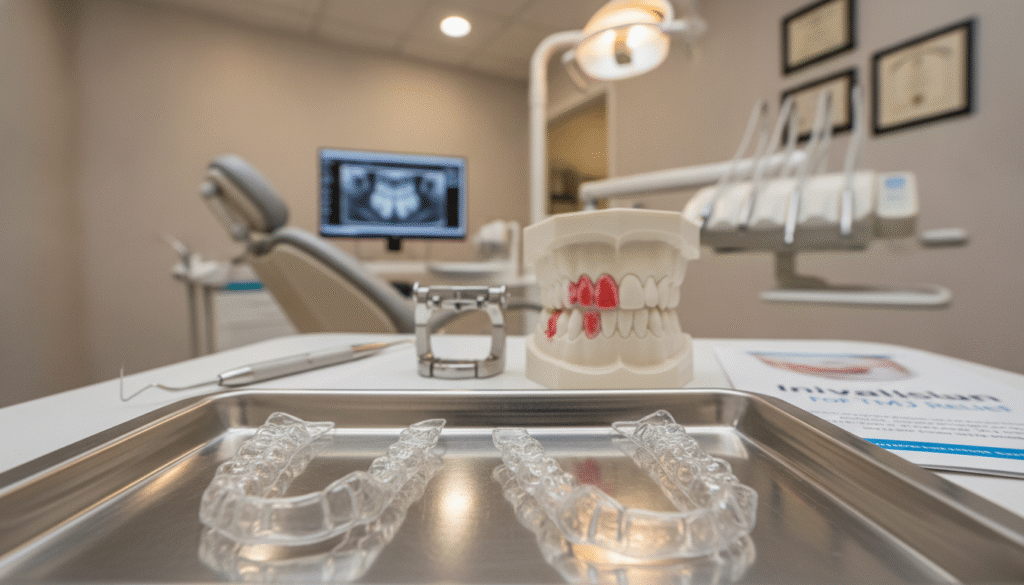
Invisalign aligners use advanced tech for a comfy and effective teeth-straightening solution. These clear, removable trays are made just for you. They’re crafted from special materials and designed with 3D scans of your mouth.
These aligners work by applying gentle forces to your teeth. This helps them move bit by bit. You’ll get new aligners every 1 to 2 weeks to keep the movement going.
The Mechanics of Invisalign Aligners
Wear your aligners for 20 to 22 hours a day. This is key for the treatment to work. You’ll also need to see your dentist or orthodontist regularly.
Invisalign not only makes your teeth look better but also helps with bite problems. These problems can cause jaw pain. By fixing these issues, Invisalign can ease jaw pain and improve your bite.
Treatment Timeline and Adjustments
Most people need 12 to 18 months of treatment. But, some might see changes in just 6 months. You’ll notice your teeth moving over time.
Wearing Invisalign can also help with clenching. This can make you feel more comfortable while you’re getting your teeth straightened.
| Stage | Duration | Expected Outcomes |
|---|---|---|
| Initial Consultation | 1 Visit | Assessment and treatment plan creation |
| Aligner Fitting | 1 Visit | First set of aligners provided |
| Regular Check-ups | Every 6-8 weeks | Progress monitoring and adjustments |
| Final Evaluation | 1 Visit | Assessment of treatment completion |
Connection Between Misalignment and Jaw Pain
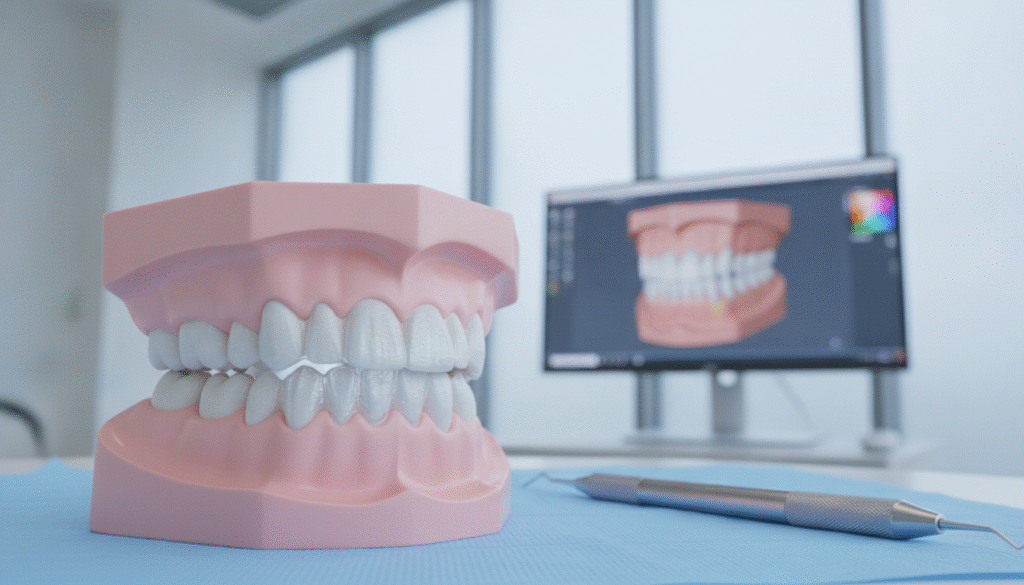
The link between dental alignment and jaw pain is complex. Teeth that don’t fit right can put a lot of pressure on the jaw joint. This can cause pain and even harm the joint over time.
It’s important to understand how teeth alignment impacts jaw health. The jaw joint, or TMJ, works with the teeth. When teeth fit together right, the jaw stays in a stable position. But, if teeth don’t align, the jaw has to move in ways that can hurt.
For example, deep bites can push the lower jaw back, putting too much pressure on the joint. This can cause pain and problems. Open bites, on the other hand, can make the back teeth carry more weight, changing how the jaw moves during chewing.
Crossbites, like posterior crossbites, can make one side of the jaw carry more weight. This can make jaw pain worse. Over time, these stresses can lead to TMJ disorders.
Invisalign therapy can help with these issues. It slowly moves teeth into better positions, easing the pressure on the jaw joint. This treatment is a gentle way to help those with jaw pain caused by dental misalignment.
Benefits of Using Invisalign for TMJ
Using Invisalign can greatly improve life for those with TMJ disorders. This new orthodontic treatment has many benefits. It can ease discomfort and boost jaw function.
One big plus is that it reduces pressure on the jaw. Invisalign aligners fix misalignment, spreading out biting forces. This even distribution can greatly lessen jaw strain and muscle tiredness.
Also, Invisalign helps improve jaw health by aligning teeth better. When teeth are straight, muscles don’t have to work as hard. This can reduce muscle tension and fatigue, making the jaw feel more comfortable.
Another advantage is that Invisalign is a non-invasive solution. It’s a clear and effective way to treat TMJ symptoms without surgery risks.
The clear aligners also look good. They are almost invisible, which is great for adults who want to look professional while getting treatment.
Plus, you can take out the aligners to eat or brush your teeth. This makes it easy to keep your mouth clean during treatment.
In short, Invisalign can improve TMJ symptoms by fixing alignment issues. It offers both practical and biomechanical benefits, making it a good choice for TMJ sufferers.
Limitations of Invisalign for TMJ
Invisalign can help some TMJ patients, but it has its limits. Many people with jaw pain find Invisalign doesn’t solve their problem. TMJ disorders come from different causes, and knowing these limits is key for good treatment.
Invisalign is not enough for TMJ problems. It mainly corrects tooth alignment. But for those with TMJ issues from:
- Arthritis or joint injuries
- Chronic stress-related habits
- Structural damage to the TMJ
Other treatments might be better. These include:
- Night guards to prevent teeth grinding
- Physical therapy to strengthen jaw muscles
- Stress management techniques to reduce tension
- Medical interventions for severe conditions
Invisalign might cause some discomfort as teeth move. But this shouldn’t be confused with TMJ symptoms getting worse. It’s important to watch patients closely during treatment. Invisalign won’t fix TMJ damage, like:
- Disc displacement
- Arthritic changes
- Joint degeneration
Orthodontic treatment doesn’t solve TMD caused by stress and teeth grinding. For these cases, a full plan that includes behavior changes and guards is needed.
In short, Invisalign benefits for jaw pain management are real, but it’s not always enough. A dentist must check each case to find the best treatment.
Patient Experiences with Invisalign and TMJ Relief
Many people with TMJ disorders have found relief with Invisalign. This new orthodontic method has changed smiles and eased jaw pain for many. Their stories show how well Invisalign works for TMJ problems.
Success Stories and Testimonials
Many patients have shared their Invisalign experiences. They talk about big improvements in their TMJ symptoms. Here are some common themes:
- Improved Comfort: Many say their jaw feels better after starting Invisalign.
- Enhanced Functionality: Patients often say they can chew and speak better, thanks to Invisalign.
- Increased Awareness: Some people are glad to understand how their bite affects their jaw pain.
- Long-Term Relief: Many say the benefits of Invisalign keep improving their life even after treatment ends.
These stories show Invisalign is more than a cosmetic fix. It’s a key part of managing TMJ disorders.
Professional Opinions from Dental Experts
Dental experts, like orthodontists and general dentists, stress the need for a thorough check before starting treatment. They say:
- Patient Selection is Key: Invisalign works best for those whose TMJ problems are linked to bite issues.
- Multimodal Approach: Experts suggest using Invisalign with other treatments for the best results.
- Evidence-Based Practice: Groups like the American Dental Association see Invisalign as a good option, but not for everyone.
These expert views highlight the importance of realistic expectations and a full treatment plan for Invisalign.
Consulting with a Dentist or Orthodontist
When you have jaw pain or TMJ disorders, seeing a dental expert is key. They can check you out and find the best treatment for you. This might include Invisalign, night guards, or other options.
A TMJ-focused orthodontic evaluation is more than just a routine check-up. It includes:
- Digital scans to create a 3D model of your teeth and jaw.
- X-rays to check your joint health and structure.
- Hands-on assessment of jaw range of motion.
- Palpation of jaw muscles and joints to identify tenderness.
- Analysis of how teeth align across various jaw positions.
- A detailed conversation about symptom history, duration, and triggers.
Finding the right dentist is important. Look for their qualifications, memberships, and patient reviews. A thorough evaluation can greatly help your treatment.
Importance of Professional Evaluation
TMJ disorders need a professional’s touch. A dentist can spot issues that cause your symptoms. This is key for a treatment plan that might include Invisalign.
Questions to Ask During Your Consultation
Be ready with questions during your visit. Here are some:
| Question | Purpose |
|---|---|
| Is my malocclusion contributing to my TMJ symptoms? | To understand the relationship between teeth alignment and TMJ issues. |
| What specific bite problems would Invisalign address in my case? | To clarify how treatment can directly impact your symptoms. |
| What other treatments might I need alongside orthodontic care? | To explore all treatment options. |
| How will we monitor my TMJ symptoms during treatment? | To plan for symptom management. |
| What outcomes can I realistically expect? | To set goals for your treatment. |
These questions help you work with your dentist. This way, you’re part of your treatment plan.
Alternative Treatments for TMJ Issues
There are many ways to treat TMJ problems, aside from Invisalign. Many people find that mixing different treatments works best. We’ll look at two main options: physical therapy and stress management.
Physical Therapy
Physical therapy is key for TMJ issues. Experts use various methods to ease pain and improve jaw movement. Here are some important techniques:
- Manual Therapy: This involves moving the jaw joint to improve its function.
- Therapeutic Exercises: These exercises strengthen jaw muscles and increase movement.
- Ultrasound Therapy: It uses sound waves to reduce swelling and aid in healing.
- Transcutaneous Electrical Nerve Stimulation (TENS): This method uses electrical impulses to control pain.
Physical therapists who focus on orofacial pain also work on muscle restrictions and posture. These factors can cause TMJ problems.
Stress Management Techniques
Stress is a big factor in TMJ disorders, causing muscle tension and teeth grinding. Managing stress can help. Here are some effective ways:
- Cognitive-Behavioral Therapy (CBT): This helps change negative thoughts that lead to stress.
- Biofeedback Training: It teaches patients to control their body’s functions, reducing tension.
- Progressive Muscle Relaxation: This method relaxes muscles by tensing and relaxing them in sequence.
- Mindfulness-Based Stress Reduction: It promotes being in the present moment to manage stress and anxiety.
These methods can greatly reduce teeth grinding and clenching. This improves treatment results.
| Treatment Type | Benefits | Considerations |
|---|---|---|
| Physical Therapy | Improves jaw function, reduces pain | Requires commitment to therapy sessions |
| Stress Management | Reduces muscle tension, improves coping strategies | May need professional guidance |
| Medications | Alleviates inflammation and pain | Potential side effects; consult a doctor |
These treatments can work together with orthodontic care. They might be used one after the other or together, depending on the patient. Always talk to your healthcare provider to find the best way to manage TMJ symptoms.
Cost Considerations for Invisalign
The cost of Invisalign therapy for TMJ disorders is a big deal. It’s important to know what you’ll pay. This helps you make smart choices about your teeth.
In the U.S., Invisalign costs can be between $3,000 to $8,000. This price changes based on how complex your case is, how long treatment takes, and where you live. So, be ready for different prices when thinking about Invisalign.
Insurance can help with the cost, but it depends on your plan. Dental insurance might cover orthodontics, but only up to $1,000 to $2,000. Medical insurance might help with TMJ treatments if they’re needed for health reasons.
To get insurance to cover Invisalign for TMJ, it must be for a health reason, not just looks. You’ll need a diagnosis and approval first. You’ll also need to show that your bite problem is causing TMJ issues.
To deal with insurance, consider these tips:
- Ask your insurance for a detailed breakdown of what they’ll cover.
- Save all your talks with your insurance company.
- Talk to your dentist or orthodontist about what you need for your claim.
Also, look into ways to pay for treatment. FSAs, HSAs, and financing plans can help spread out the cost.
Lastly, compare Invisalign costs to other TMJ treatments. Splints, physical therapy, and surgery have different prices and results. Knowing these options helps you choose the best for you.
Dietary Recommendations for TMJ Relief
Changing your diet can help with TMJ pain. The foods you eat can affect your jaw health, which is important during Invisalign treatment. Choosing the right foods can improve TMJ symptoms.
Foods to Avoid
Some foods can make TMJ problems worse by putting too much strain on the jaw. It’s best to avoid:
- Hard foods: Raw carrots and tough meats need a lot of force to chew, causing pain.
- Chewy foods: Chewy candies and gum make jaw muscles work hard for a long time.
- Sticky foods: These can put uneven pressure on the jaw joints, causing more strain.
Also, during Invisalign treatment, it’s important to avoid foods that could damage the aligners or get stuck in them. This helps keep your mouth clean.
Nutritional Strategies for Jaw Health
To help your jaw, eat foods that fight inflammation. These include:
- Omega-3 fatty acids: Cold-water fish have these, which help reduce inflammation.
- Antioxidants: Colorful fruits and veggies are full of nutrients that fight oxidative stress.
- Vitamin D and Calcium: These are key for bone health and help keep the jaw strong.
Drinking plenty of water is also important. It keeps the joints lubricated and helps with healing. By making these dietary changes, you can help your jaw heal while Invisalign corrects any mechanical issues.
Maintaining Oral Health During Invisalign Treatment
Maintaining oral health is key during Invisalign treatment. Good hygiene and regular dental visits are vital. These steps help your treatment go well and keep your jaw pain under control.
Proper Hygiene Practices
Invisalign aligners are easy to clean because they can be taken out. Here’s how to keep them clean:
- Clean Aligners Daily: Use a soft-bristled toothbrush and a clear, non-abrasive cleanser. Don’t use toothpaste, as it can scratch the aligner.
- Brush and Floss After Meals: Brush and floss your teeth after every meal before putting the aligners back in. This stops food from getting stuck and causing problems.
- Avoid Colored Beverages: Don’t drink colored drinks while wearing aligners. The material can soak up colors, making the aligners less clear.
Regular Check-ups
Going to the dentist regularly is important. These visits help in many ways:
- They check if your teeth are moving as planned.
- They look at your gums to prevent problems.
- They check for cavities and TMJ issues.
People with TMJ problems need even more care. Changes in how your teeth fit together can affect your jaw. So, it’s important to watch closely.
Wearing your aligners as directed and going to your dental appointments is critical. Taking care of your teeth makes your Invisalign experience better.
Conclusion: Is Invisalign Right for You?
Deciding if Invisalign is right for jaw pain or TMJ issues needs careful thought. First, look at your TMJ case. Do you have a deep bite, open bite, or crossbite? Knowing how your bite affects your TMJ is important.
Check if you’ve tried treatments before. Did night guards or physical therapy help? A dental professional’s evaluation is key. They’ll use imaging to see how your jaw works.
If you’re thinking about Invisalign, here’s what to do next. Book a meeting with a dentist or orthodontist who knows about TMD. Talk about your bite and if Invisalign can help. A plan that fits you might include different treatments for the best results.
In short, Invisalign might help with TMJ problems if your symptoms come from your bite. Taking the right steps is important for fixing jaw pain.
