Can veneers be used to fix a chipped or cracked tooth?
Did you know that nearly 40% of adults face dental problems like chips or cracks? These issues can affect how your teeth look and work. Luckily, there are good solutions out there, including a popular dental cosmetic option.
Dental veneers are a great way to fix small to medium-sized damage, like chips and cracks. They make your smile look better and work better too. This process involves attaching thin shells to your teeth, giving them a smooth look and protecting them.
But, veneers might not be right for everyone. It’s key to get a dental check-up first to see if they’re good for you. Knowing what veneers can do and how they’re done can help you decide if they’re right for you.
Let’s dive deeper into the benefits and things to think about when considering veneers as a fix.
Key Takeaways
- Dental veneers can effectively cover minor chips and cracks.
- They enhance both the appearance and function of damaged teeth.
- A thorough dental evaluation is critical before choosing veneers.
- The extent of the damage decides if veneers are a good choice.
- Understanding the process helps patients make better choices.
Understanding Dental Veneers
Dental veneers are a great way to improve your smile and fix small dental issues. These thin, custom-made shells are made from porcelain or composite resin. They cover the front of your teeth, making them look better and protecting damaged areas.
Definition of Veneers
Veneers are thin, custom-made shells that bond to the front of your teeth. They help fix teeth that are discolored, chipped, or slightly crooked. With veneers, you can get a smile that looks natural and boosts your confidence.
Types of Veneers
There are two main types of dental veneers: porcelain and composite resin. Each has its own benefits:
- Porcelain Veneers: These are durable and resistant to stains, giving a natural look and feel. They’re great for long-term beauty.
- Composite Resin Veneers: These are cheaper and can be put on in one visit. But they might not last as long and can stain more easily.
How Veneers Work
Getting dental veneers involves removing a bit of enamel from your tooth. This lets the veneer stick well. The dentist then bonds the veneer with a special adhesive. This hides chips, cracks, and stains, giving you a smooth smile.
For those with chipped or cracked teeth, veneers are a good choice. They work well when the damage is only on the front of the teeth. This way, you keep as much of your natural tooth as possible.
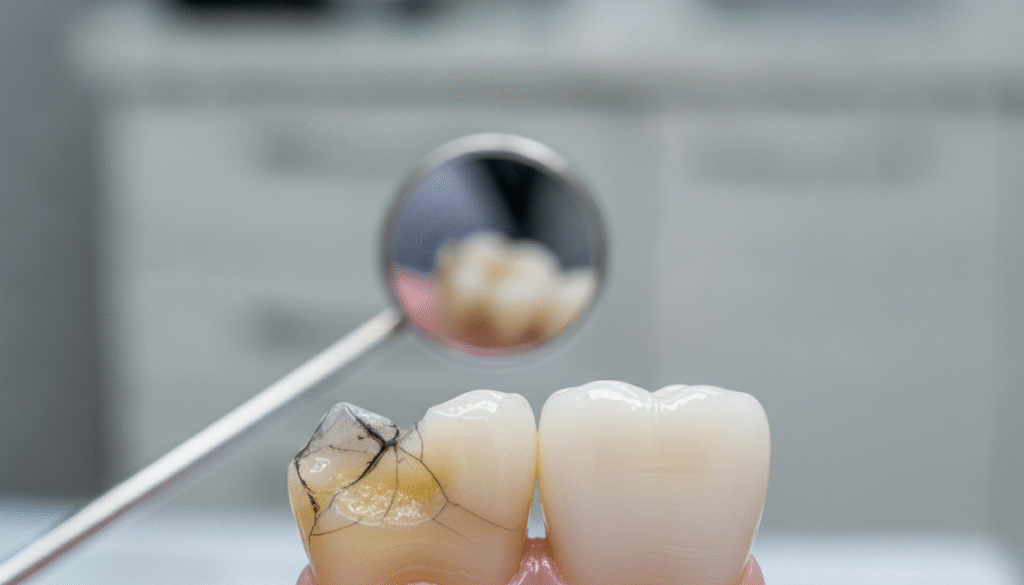
Causes of Chipped or Cracked Teeth
It’s important to know why teeth chip or crack. These problems can come from many things that make teeth weak. Knowing what causes them helps in preventing them and finding the right fix, like veneers for chipped teeth.
Common Causes
Teeth can chip or crack from:
- Traumatic Injuries: Accidents, sports injuries, or falls can damage teeth right away.
- Dietary Factors: Eating hard foods like ice, popcorn kernels, or bones can cause fractures.
- Parafunctional Habits: Habits like nail-biting or using teeth as tools can weaken teeth over time.
- Bruxism: Grinding teeth at night can cause stress and small cracks.
- Pre-existing Conditions: Big fillings or cavities can make teeth weak.
Effects on Oral Health
Chipped or cracked teeth affect more than just looks. They can also cause:
- Increased Sensitivity: Exposed dentin can make eating hot or cold foods painful.
- Risk of Pulp Exposure: Big cracks can expose the pulp, leading to infection risk.
- Aesthetic Concerns: Chipped teeth can hurt your smile and self-confidence.
- Potential for Further Damage: A cracked tooth is more likely to break or decay if not fixed.
Knowing the causes and effects is key to keeping your mouth healthy. After finding out the damage, options like veneers for chipped tooth can help fix both looks and function.
| Cause | Description | Impact on Health |
|---|---|---|
| Traumatic Injuries | Accidents leading to sudden tooth damage | Immediate pain, possible pulp exposure |
| Dietary Factors | Hard foods causing fractures | Increased sensitivity, aesthetic issues |
| Bruxism | Grinding teeth during sleep | Microfractures, chronic pain |
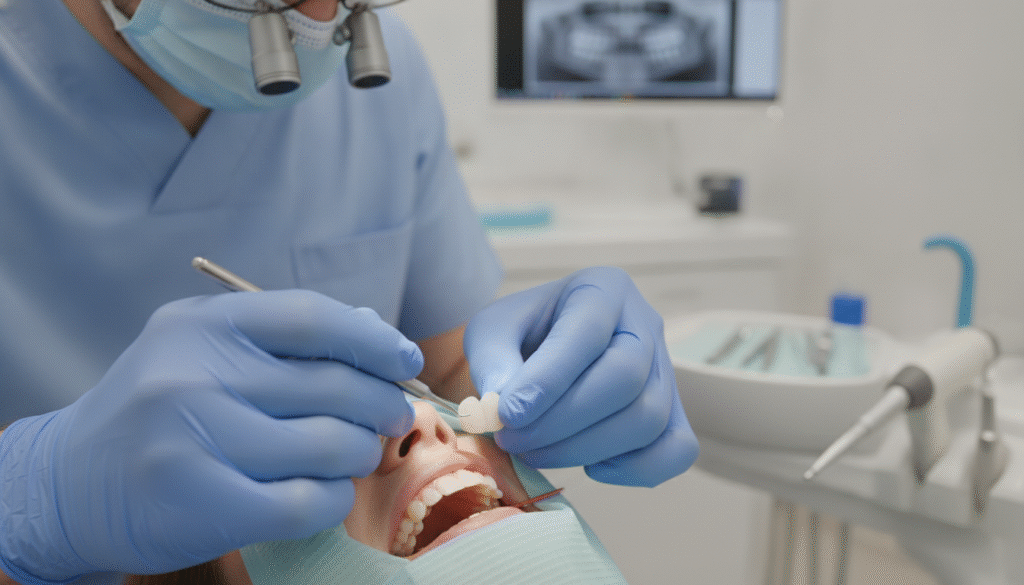
How Veneers Address Damaged Teeth
Dental veneers are a great fix for chipped or cracked teeth. They are thin, tooth-colored shells that cover the front of damaged teeth. This makes them look better and work better too.
Benefits of Using Veneers
- Natural Appearance: Veneers look a lot like real teeth, making them perfect for those who want a natural look.
- Minimal Tooth Reduction: Unlike crowns, veneers change the tooth less, keeping more of the natural tooth.
- Stain Resistance: Porcelain veneers don’t stain easily, keeping your smile bright for a long time.
- Multi-Imperfection Correction: Veneers can fix chips, cracks, and discoloration all at once.
Porcelain veneers are also great for fixing chipped teeth. They make the tooth stronger and prevent more damage. They are popular because they look good and last long.
Comparison with Other Dental Solutions
When you’re choosing how to fix damaged teeth, it’s good to compare veneers with other options:
| Dental Solution | Durability | Aesthetics | Invasiveness |
|---|---|---|---|
| Veneers | High | Excellent | Low |
| Crowns | Very High | Good | High |
| Bonding | Moderate | Fair | Low |
| Whitening | N/A | Good | Very Low |
Crowns are very durable but change the tooth a lot. Bonding is less durable and stains easily. Whitening doesn’t fix structural problems. Veneers are a good mix of looks and function for fixing teeth.
The Veneer Procedure
Understanding the veneer procedure is key for those with chipped or cracked teeth. It involves three steps: the initial consultation, tooth preparation, and veneer application.
Initial Consultation
The dentist will examine your teeth during the first visit. They might take X-rays to check the tooth’s health. They will also talk about what you want your teeth to look like after the treatment.
Preparation of the Tooth
To get the tooth ready, a thin layer of enamel is removed. This is about 0.3 to 0.5 mm. It’s important for the veneer to fit right without making the tooth look odd.
If your tooth is cracked, the dentist will check how deep it is. They make sure it doesn’t reach the pulp, which could make the treatment harder.
Application of Veneers
After preparing the tooth, the veneer is applied. The dentist etches the tooth to help the veneer stick better. Then, they bond it with resin cement.
They use light to make sure the veneer is stuck well. The dentist will adjust your bite and polish the veneer for a natural look. Sometimes, temporary veneers are used while the permanent ones are made.
Durability of Veneers
Understanding how long veneers last is key. They can make your smile better, but how long they last depends on a few things. Porcelain veneers can last 10 to 15 years, while composite ones last about 5 to 7 years. Taking good care of them helps them last longer.
Lifespan of Veneers
The life of veneers changes based on the material. Porcelain veneers are strong and don’t stain easily, making them a top pick. But, composite veneers are cheaper but wear down faster and need more replacements.
To keep your veneers in top shape, clean your teeth well. Brushing, flossing, and dental visits are key. They help keep your veneers and teeth healthy.
Factors Affecting Longevity
Several things can affect how long veneers last. These include:
- Occlusal Forces: Grinding your teeth (bruxism) can damage veneers. It puts too much pressure on them.
- Dietary Habits: Eating hard or sticky foods can harm veneers. Try to avoid chewing ice or hard candies.
- Oral Hygiene: Good oral care is critical. Poor care can lead to decay, which can harm the bond between the veneer and tooth.
- Quality of the Bond: The dentist’s skill in applying veneers matters. A well-done bond is less likely to chip or come loose.
Veneers are a good fix for a chipped tooth, but they’re not invincible. Regular dental check-ups are important. They help keep your veneers in good shape. For those who grind their teeth, a night guard can help protect them while sleeping.
Maintenance of Veneers
Keeping your dental veneers in good shape is key to their lasting beauty and function. This is even more important if you got veneers for a cracked tooth. Taking good care of them keeps your smile looking great and protects the tooth underneath.
Daily Care Tips
Here are some daily tips to keep your veneers looking their best:
- Use Non-Abrasive Toothpaste: Pick a fluoride toothpaste that won’t scratch your veneers.
- Brush Gently: Use a soft toothbrush and brush gently to avoid damage.
- Floss Regularly: Flossing helps remove plaque and food around your veneers.
- Rinse with Antimicrobial Mouthwash: This helps keep bacteria at bay and keeps your mouth healthy.
Also, try not to use your teeth as tools or bite hard objects. This can chip or crack your veneers.
Foods to Avoid
Some foods can be bad for your veneers. Here are some to avoid:
- Hard Candies: They can easily chip or crack your veneers.
- Ice: Chewing on ice can damage your dental work.
- Popcorn Kernels: They can get stuck and may cause damage if bitten down on.
- Staining Agents: Foods and drinks like coffee and red wine can stain the bonding margin, even though porcelain is generally stain-resistant.
Remember, veneers keep their color, but your natural teeth may darken over time. This might mean you need whitening treatments for your other teeth to match.
“Proper maintenance of veneers not only enhances their appearance but also protects the health of the underlying tooth.”
In short, taking good care of your veneers is vital for their longevity and beauty. By following these care tips and avoiding certain foods, you can enjoy your veneers for many years.
Cost of Veneers for Chipped or Cracked Teeth
Understanding the cost of veneers is key for those thinking about this dental option. The price can change a lot based on several things. These include the type of veneer, where you live, and your dentist’s skills.
Average Costs in the U.S.
In the United States, porcelain veneers usually cost between $800 to $2,500 per tooth. This price can vary a lot because of where you are and lab fees. Composite veneers are cheaper, costing between $250 and $1,500 per tooth.
Patients should think about these costs when planning their dental budget. Veneers are often seen as cosmetic, so insurance might not cover them. But, if the tooth damage was from an accident, some insurance might help.
Insurance Coverage Considerations
Most insurance plans don’t cover veneers because they’re cosmetic. It’s smart to get a cost estimate from your dentist before starting treatment. This helps you know how much you’ll have to pay yourself.
Looking into financing options can also help. Many dentists offer payment plans. This can make the cost easier to handle over time.
“Veneers are a bit more costly, but they can last ten years or more.”
Knowing about the costs and insurance for veneers helps patients make better choices for their teeth.
Alternatives to Veneers
Veneers are a common choice for dental restoration. But, there are other options that might fit better. Each choice has its own level of invasiveness, durability, and beauty. Knowing these alternatives helps patients make better dental care choices.
Crowns
Crowns cover the whole tooth, great for big damage or after root canals. They offer strong support. Here’s what you need to know about crowns:
- Durability: Made from materials like porcelain or metal, crowns last a long time.
- Invasiveness: They need more tooth cutting than veneers, so they’re more invasive.
- Indications: Best for teeth with big decay, cracks, or after root canals.
Bonding
Dental bonding fixes small chips and cracks with a resin. It’s quick and cheap but doesn’t last as long as veneers or crowns. Here are some points to consider:
- Application: Bonding can be done in one visit, making it easy.
- Durability: It’s good for small fixes but not as strong as crowns or veneers.
- Cost: It’s cheaper, making it a good choice for many.
Whitening
Teeth whitening makes teeth look brighter but doesn’t fix structural damage. It’s great with veneers for a brighter smile. Here’s what you should know:
- Purpose: It’s for looks, making teeth whiter but doesn’t fix chips or cracks.
- Combination: Often paired with veneers for a full smile makeover.
- Options: There are many ways to whiten teeth, including in-office and at-home kits.
In summary, veneers are popular for fixing chipped or cracked teeth. But, crowns, bonding, and whitening are also good options. Talking to a dentist can help find the best choice for you.
Risks and Considerations when Choosing Veneers
Choosing dental veneers requires careful thought. They can make chipped or cracked teeth look better. But, there are downsides to consider.
It’s important to know about possible side effects:
- Tooth Sensitivity: Removing enamel can make teeth more sensitive to hot and cold.
- Veneer Debonding: Veneers might come off over time, needing to be replaced.
- Color Mismatch: Veneers might not change color with teeth whitening, causing looks to mismatch.
- Gingival Irritation: Poorly sealed veneer margins can irritate the gums.
Also, veneers might not be right for everyone:
- Severe Bruxism: Those who grind their teeth a lot might need a night guard to protect veneers.
- Insufficient Enamel: Not enough enamel can make bonding hard, making veneers less effective.
- Active Periodontal Disease: Gum disease needs to be treated before getting veneers.
- Subgingival Cracks: Cracks that go below the gum line or into the pulp might not be fixed with veneers.
To lower risks, a detailed diagnostic workup is key. This includes tests and X-rays to check if veneers are safe and right for you. Knowing the risks and when veneers aren’t a good choice helps patients make better dental health decisions.
| Risk/Consideration | Description | Recommendation |
|---|---|---|
| Tooth Sensitivity | Increased sensitivity to temperature changes | Discuss sensitivity management with your dentist |
| Veneer Debonding | Risk of veneers detaching over time | Regular dental check-ups |
| Color Mismatch | Veneers may not match whitened teeth | Consider whitening before veneer placement |
| Gingival Irritation | Potential gum irritation from improper sealing | Ensure proper sealing during application |
FAQs about Veneers for Damage
Many people have questions about veneers. This includes how they work, how comfortable they are, and if they can be removed or replaced. Here are some common questions and answers.
How long does the procedure take?
The veneer process usually takes a few weeks. It involves three visits. The first visit is a consultation to discuss options.
The second visit is for preparation. A small amount of enamel is removed, and temporary veneers might be placed. The third visit is for the permanent veneers.
Is the treatment painful?
Some worry about pain during the procedure. But, local anesthesia is used to make it painless. Most people only feel a little discomfort.
After the procedure, some sensitivity might occur. But, it usually goes away in a few days.
Can veneers be removed or replaced?
Veneers are a permanent solution because enamel is removed. They can’t be easily removed without affecting the tooth. But, if a veneer gets damaged, it can be replaced.
Choosing the Right Dentist for Veneers
Finding a skilled cosmetic dentist is key for great veneer results. The search can seem daunting, but knowing what to look for helps. Here are important things to think about when picking a dentist for veneers.
What to Look for in a Dentist
When looking for a dentist, consider these points:
- Advanced Training: Find a dentist with extra training in cosmetic dentistry. Being accredited by groups like the American Academy of Cosmetic Dentistry (AACD) shows they know their stuff.
- Experience with Veneers: Make sure the dentist has lots of experience with veneers. Their experience can greatly impact how your veneers look and last.
- Portfolio of Work: A good dentist should show you before-and-after photos. This lets you see their skill and style.
- Quality of Materials: Ask about the dental labs they use. High-quality materials make your veneers last longer and look better.
- Patient Reviews: Look at what other patients say. Their feedback can tell you a lot about the dentist’s work and how happy patients are.
Importance of Experience
Experience is very important. A skilled dentist knows how to pick the right cases for veneers. They also know how to prepare the tooth and bond the veneers correctly. These skills affect how your veneers look and last.
Before you decide, meet with the dentist. This meeting lets you talk about their approach and see if you feel comfortable with them. A good relationship with your dentist can make your experience better and help you feel confident in your treatment.
| Criteria | Importance | Questions to Ask |
|---|---|---|
| Advanced Training | Ensures expertise in cosmetic procedures | What certifications do you hold? |
| Experience with Veneers | Directly affects results | How many veneer cases have you completed? |
| Quality of Materials | Affects durability and aesthetics | What brands of materials do you use? |
| Patient Reviews | Indicates patient satisfaction | Can you provide references from past patients? |
Patient Testimonials and Success Stories
Many patients have shared their amazing journeys with veneers. They talk about how veneers have changed their smiles and confidence. These stories show how veneers can fix chipped or cracked teeth.
Real-Life Experiences
Patients often say veneers have changed their lives. Here are some common themes from their testimonials:
- Increased Confidence: Many feel more confident after getting veneers, letting them smile freely.
- Enhanced Aesthetics: Patients love how natural their new veneers look, fitting right in with their teeth.
- Positive Reactions: Getting compliments from friends and family makes them feel even more successful.
For example, one patient was shy to smile because of a chipped tooth. But after veneers, they felt much more confident. They could smile more in social situations.
Before and After Photos
Visual proof is powerful. Before and after photos show the big changes veneers can make. These pictures not only show the beauty of the results but also the skill of dentists.
While results can vary, veneers work well when done by experts. Many patients leave the dentist feeling hopeful and excited about their smiles.
Future Trends in Dental Veneers
Dental veneers are changing fast, thanks to new tech that makes them better looking and more functional. Ultra-thin lithium disilicate veneers, like IPS e.max, are a big step forward. They need less tooth prep, keeping more of your natural tooth, and look great.
CAD/CAM tech is changing how veneers are made. Now, you can get veneers in just one visit. This makes getting a new smile easier and faster, with fewer trips to the dentist.
Bioactive materials are also becoming popular. They not only make teeth look better but also help keep them healthy. This shows dentistry is moving towards treatments that last longer and are better for your health.
With digital smile design, you can see what your smile will look like before it’s done. This lets you make choices about your dental care. People want treatments that are less invasive, which is becoming more common.
Artificial intelligence is set to change how dentists plan veneer treatments. It will make treatments more precise and tailored to each patient. This means better results for everyone.
The future of dental veneers looks bright. Thanks to new tech, veneers will be stronger, look better, and be more in line with conservative dentistry. Dentistry is always getting better, so you’ll have the best options for fixing chipped and cracked teeth.
FAQ
Can veneers be used to fix a chipped or cracked tooth?
What types of veneers are available for chipped or cracked teeth?
How do veneers work to conceal damage?
What are the common causes of chipped or cracked teeth?
What effects can chipped or cracked teeth have on oral health?
What are the benefits of using veneers for damaged teeth?
How do veneers compare to other dental solutions?
What is the procedure for getting veneers?
How long do veneers last?
What factors affect the longevity of veneers?
How should veneers be maintained?
What are the average costs for veneers?
FAQ
Can veneers be used to fix a chipped or cracked tooth?
Yes, dental veneers are a good choice for minor to moderate damage. They look good and work well.
What types of veneers are available for chipped or cracked teeth?
You can choose from porcelain veneers, which last long and don’t stain, or composite veneers. They are cheaper but don’t last as long.
How do veneers work to conceal damage?
Veneers are thin, custom-made shells that cover the front of teeth. They hide chips, cracks, and stains with little enamel loss.
What are the common causes of chipped or cracked teeth?
Teeth can chip or crack from injuries, grinding teeth, eating hard candies, or weak tooth structure.
What effects can chipped or cracked teeth have on oral health?
Chipped or cracked teeth can make teeth sensitive, risk pulp exposure, look bad, and may break or decay more.
What are the benefits of using veneers for damaged teeth?
Veneers are less invasive than crowns, look great, resist stains, and fix many problems at once.
How do veneers compare to other dental solutions?
Veneers are less invasive than crowns, last longer than bonding, and improve looks more than whitening.
What is the procedure for getting veneers?
First, you get a consultation. Then, your teeth are prepared and veneers are applied with resin cement.
How long do veneers last?
Porcelain veneers last 10–15 years. Composite veneers last about 5–7 years, depending on care.
What factors affect the longevity of veneers?
Longevity depends on forces from biting, diet, oral hygiene, and the bond between veneer and tooth.
How should veneers be maintained?
Use non-abrasive toothpaste, soft brushes, floss, and avoid hard foods and stains.
What are the average costs for veneers?
Porcelain veneers cost 0 to ,500 per tooth. Composite veneers cost 0 to
FAQ
Can veneers be used to fix a chipped or cracked tooth?
Yes, dental veneers are a good choice for minor to moderate damage. They look good and work well.
What types of veneers are available for chipped or cracked teeth?
You can choose from porcelain veneers, which last long and don’t stain, or composite veneers. They are cheaper but don’t last as long.
How do veneers work to conceal damage?
Veneers are thin, custom-made shells that cover the front of teeth. They hide chips, cracks, and stains with little enamel loss.
What are the common causes of chipped or cracked teeth?
Teeth can chip or crack from injuries, grinding teeth, eating hard candies, or weak tooth structure.
What effects can chipped or cracked teeth have on oral health?
Chipped or cracked teeth can make teeth sensitive, risk pulp exposure, look bad, and may break or decay more.
What are the benefits of using veneers for damaged teeth?
Veneers are less invasive than crowns, look great, resist stains, and fix many problems at once.
How do veneers compare to other dental solutions?
Veneers are less invasive than crowns, last longer than bonding, and improve looks more than whitening.
What is the procedure for getting veneers?
First, you get a consultation. Then, your teeth are prepared and veneers are applied with resin cement.
How long do veneers last?
Porcelain veneers last 10–15 years. Composite veneers last about 5–7 years, depending on care.
What factors affect the longevity of veneers?
Longevity depends on forces from biting, diet, oral hygiene, and the bond between veneer and tooth.
How should veneers be maintained?
Use non-abrasive toothpaste, soft brushes, floss, and avoid hard foods and stains.
What are the average costs for veneers?
Porcelain veneers cost $800 to $2,500 per tooth. Composite veneers cost $250 to $1,500 per tooth.
Will insurance cover the cost of veneers?
Insurance may cover veneers if they are needed for medical reasons, like after an injury.
What are the risks associated with getting veneers?
Risks include tooth sensitivity, veneer failure, color changes, and gum irritation if not sealed well.
When are veneers not suitable?
Veneers aren’t good for those with severe grinding, not enough enamel, or gum disease.
How long does the veneer procedure take?
It takes two to three visits over a few weeks for consultation, preparation, and placement.
Is the veneer treatment painful?
You’ll get numbing shots during preparation, so it’s not painful. You might feel some sensitivity later.
Can veneers be removed or replaced?
Veneers can’t be removed because they remove enamel. But, they can be replaced if damaged, though the tooth needs coverage.
What should I look for in a dentist for veneers?
Look for a dentist with cosmetic dentistry training, lots of veneer experience, before-and-after photos, and good patient reviews.
What are some real-life experiences of patients with veneers?
Many patients feel more confident after fixing chipped teeth with veneers. They look better.
What innovations are emerging in dental veneers?
New things include ultra-thin veneers, same-day veneers made with CAD/CAM, and materials that help teeth remineralize.
,500 per tooth.
Will insurance cover the cost of veneers?
Insurance may cover veneers if they are needed for medical reasons, like after an injury.
What are the risks associated with getting veneers?
Risks include tooth sensitivity, veneer failure, color changes, and gum irritation if not sealed well.
When are veneers not suitable?
Veneers aren’t good for those with severe grinding, not enough enamel, or gum disease.
How long does the veneer procedure take?
It takes two to three visits over a few weeks for consultation, preparation, and placement.
Is the veneer treatment painful?
You’ll get numbing shots during preparation, so it’s not painful. You might feel some sensitivity later.
Can veneers be removed or replaced?
Veneers can’t be removed because they remove enamel. But, they can be replaced if damaged, though the tooth needs coverage.
What should I look for in a dentist for veneers?
Look for a dentist with cosmetic dentistry training, lots of veneer experience, before-and-after photos, and good patient reviews.
What are some real-life experiences of patients with veneers?
Many patients feel more confident after fixing chipped teeth with veneers. They look better.
What innovations are emerging in dental veneers?
New things include ultra-thin veneers, same-day veneers made with CAD/CAM, and materials that help teeth remineralize.