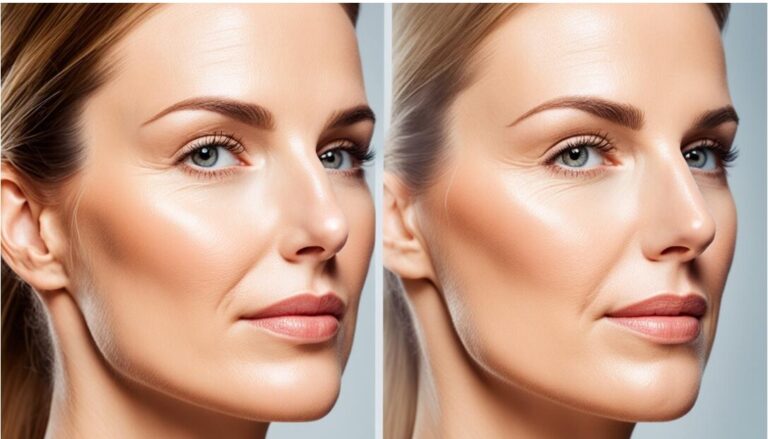
Discover How Ultherapy Works for Skin Tightening
Here’s how Ultherapy tightens skin: it sends focused ultrasound energy deep under the surface, which heats tiny spots in the tissue. Your body responds by making new collagen, and over two to three months the skin slowly becomes firmer and slightly lifted.
Ultherapy is FDA-cleared to lift the brow, the neck and the area under the chin, and to improve lines on the chest. It doesn’t cut or damage the skin’s surface, so there’s little downtime.
It isn’t painless, though, and results are subtle. Here’s a closer look at how it works and what to expect.
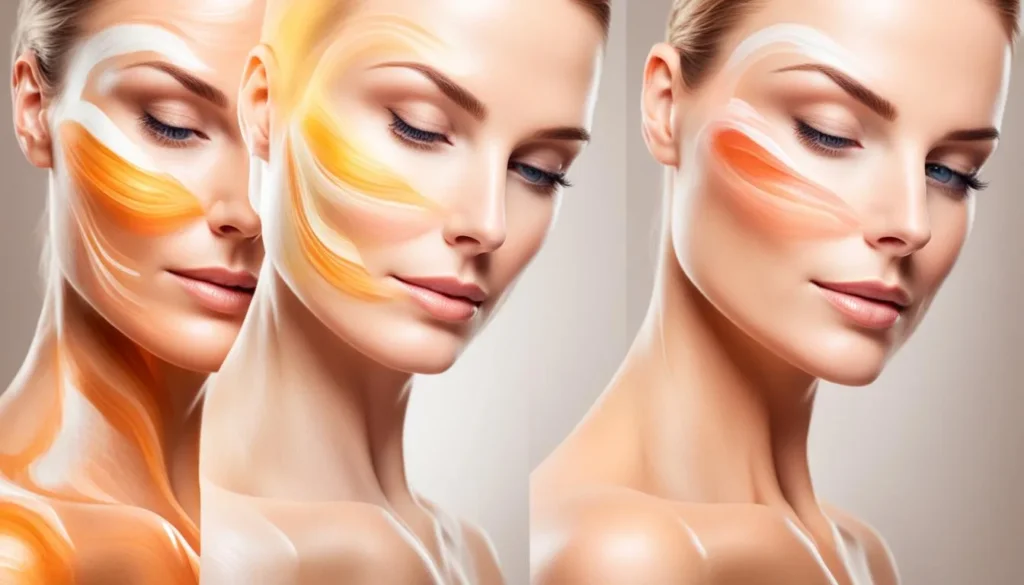
What is Ultherapy?
Ultherapy is a nonsurgical treatment that uses micro-focused ultrasound. The FDA cleared it in 2009 for brow lifting, and later for the neck, under the chin and chest lines.
How Does Ultherapy Work?
The device sends ultrasound energy to set depths, up to about 4.5 millimeters. That’s deep enough to reach the layer surgeons tighten in a facelift. The energy heats small points of tissue while leaving the surface alone.
Collagen keeps skin firm, but we make less of it as we age. The heat sets off a healing response, and your body builds fresh collagen in those spots. That’s what tightens and lifts the skin over time.
What Happens During Treatment?
First, a provider looks at your skin and goals to see if you’re a good fit.
On the day, your skin is cleaned and marked. The provider puts on ultrasound gel and uses an imaging screen to see the layers below. Then the device delivers energy in rows across each area.
A session takes about 30 to 90 minutes. You can go back to your normal day right after.
Who is a Good Candidate for Ultherapy?
The best candidates are healthy adults with mild to moderate skin laxity, often in their 30s to 60s. If your skin is very loose, surgery may give a better result.
Your provider should tell you honestly what it can and can’t do for you.
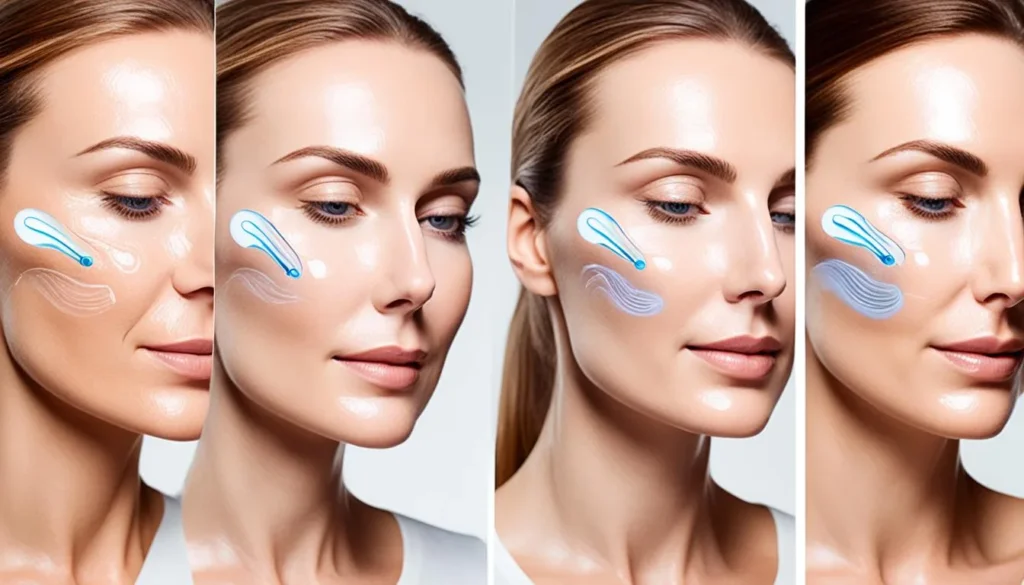
When Will You See Results?
You might notice a small change in the first few days. That’s mostly swelling, though. The real change comes slowly over the next two to three months as your body makes collagen.
Most people see the full result at three to six months. It usually lasts about a year, so plan on a touch-up each year.
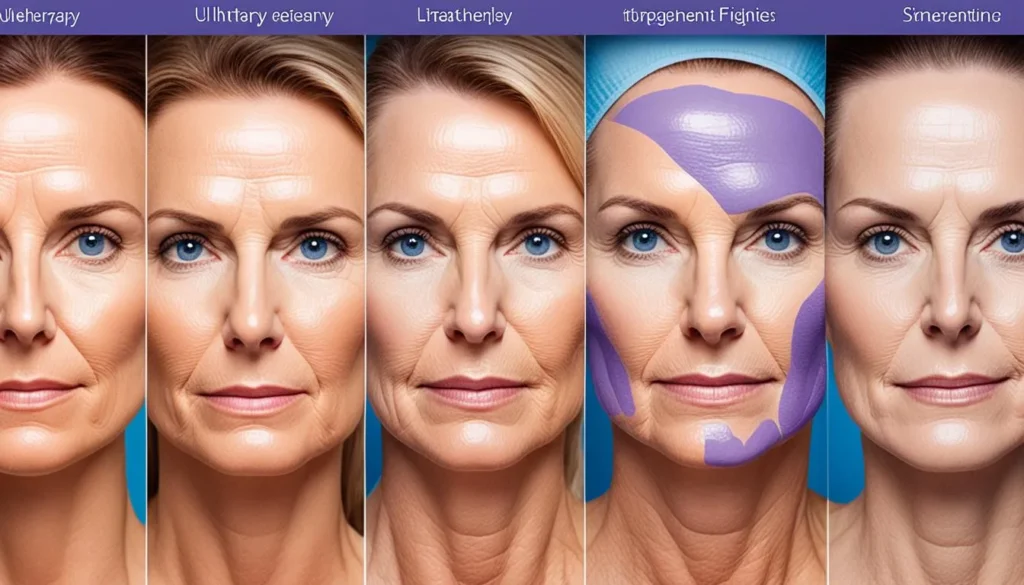
What Are the Side Effects?
Most side effects are mild and short-lived. Redness can last a few hours. Swelling often lasts one to three days. Tingling, tenderness or bruising can linger a bit longer, sometimes up to a couple of weeks.
Temporary numbness is rare. Here’s a quick summary:
| Side Effect | Prevalence | Duration |
|---|---|---|
| Skin Redness | Common | Hours to Days |
| Slight Swelling | Common | 1 to 3 Days |
| Pain or Mild Discomfort | Variable | During treatment; eased with numbing or pain relievers |
| Tingling and Tenderness | Less Common | Up to 2 Weeks |
| Temporary Numbness | Rare | Days to Weeks |
Cold compresses help with swelling. An over-the-counter pain reliever can help with soreness, if your doctor says it’s okay. Follow your provider’s advice.
Is Ultherapy Right for You?
If you want a subtle lift without surgery and have mild sagging, it can be a good fit. Expect gradual, natural-looking change rather than a dramatic one. A licensed provider can tell you what to expect for your skin.