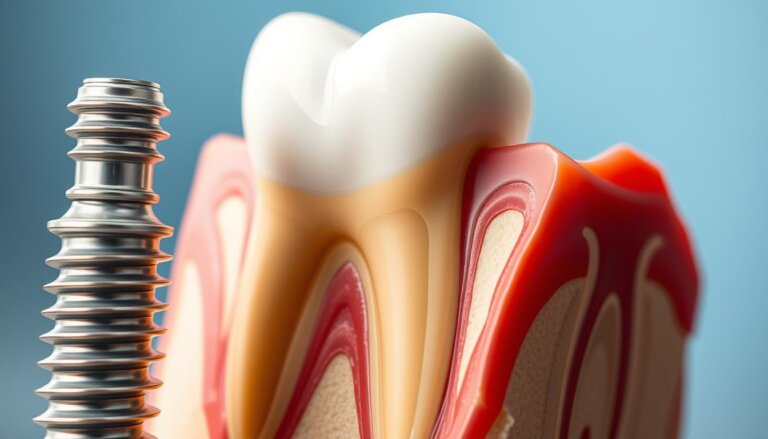
Do Teeth Become More Fragile with Age or After a Root Canal?
Did you know that about 30% of adults over 65 lose a lot of teeth? This shows how important oral health is as we get older. We wonder: how does aging compare to the effects of dental work, like root canals, on our teeth?
As we age, our teeth change. The enamel wears off, dentin gets harder, and the pulp chamber shrinks. These changes affect how strong our teeth are. Root canals, on the other hand, remove the pulp, changing the tooth’s structure and strength.
It’s key to know how aging and dental treatments like root canals affect our teeth. This article will look into how both aging and dental work change tooth durability. It aims to help you understand dental health better.
Key Takeaways
- Aging leads to gradual structural changes in teeth.
- Root canal therapy alters the tooth’s internal environment.
- Both processes can impact tooth strength, but in different ways.
- Understanding these differences is vital for effective dental care.
- Awareness of oral health changes can guide preventive measures.
Understanding Tooth Fragility
Tooth fragility means teeth are more likely to break or chip during chewing. It’s important to keep teeth strong and healthy for life.
Definition of Tooth Fragility
Tooth fragility makes teeth weak against everyday chewing forces. It’s not just about getting older. Many factors can weaken teeth. The key signs include:
- Increased susceptibility to fractures or chips.
- Decreased enamel thickness and integrity.
- Compromised dentin and pulp vitality.
- Presence of restorations or untreated caries.
Factors Affecting Tooth Strength
Many things can affect how strong teeth are. These include:
- Enamel quality: Thicker enamel protects better against damage.
- Dentin integrity: Healthy dentin helps support enamel and handle pressure.
- Pulp vitality: A healthy pulp keeps the tooth nourished and strong.
- Occlusal forces: How teeth meet can affect their strength.
- Parafunctional habits: Habits like bruxism can cause too much wear.
Importance of Dental Health
Good dental health is key for strong teeth and overall health. Bad dental health can cause:
- Nutritional deficiencies: Trouble chewing can limit food choices.
- Social withdrawal: Dental problems can hurt self-esteem and social life.
- Diminished quality of life: Pain and discomfort can make daily tasks hard.
So, taking care of your teeth is a big investment in your health and future. Regular dental visits and good oral care can help prevent tooth fragility.
The Aging Process and Teeth
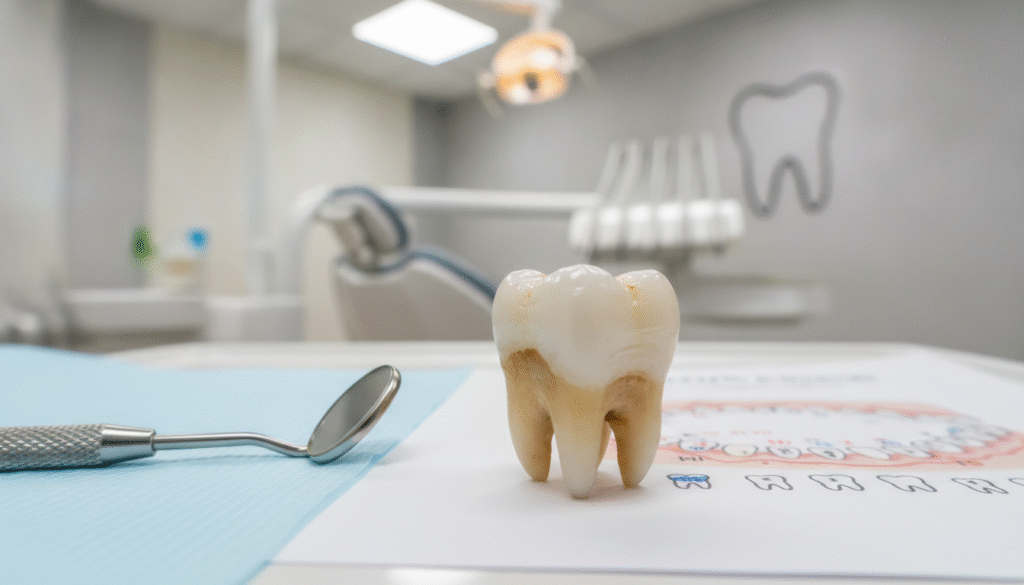
The dental aging process changes teeth in many ways. As we get older, our teeth go through changes that affect their strength. These changes are not just about looks; they also impact how well our teeth work.
How Aging Impacts Dental Structure
As we age, our teeth change a lot. The enamel, the hard outer layer, starts to wear and chip. This creates lines that can get stained over time.
When enamel wears off, the dentin underneath gets exposed. This makes teeth more prone to decay and pain. Also, the pulp chamber and canals get smaller, making dental health harder to manage.
Teeth also get harder but more brittle with age. This makes them more likely to break.
Changes in Enamel Over Time
Enamel changes a lot with age. It gets denser but also more fragile. This means older people might break their teeth more often.
Studies show that older adults need more dental care because of this. It’s a big concern for their health.
Prevalence of Tooth Loss in Older Adults
Tooth loss is a big problem for older adults. Even though most over 65 keep some teeth, they face many dental issues. Tooth decay is even more common in them than in kids.
| Age Group | Percentage Retaining Natural Teeth | Common Dental Issues |
|---|---|---|
| 65-74 | 85% | Gum Disease, Tooth Decay |
| 75-84 | 70% | Root Surface Caries, Sensitivity |
| 85+ | 60% | Periodontal Attachment Loss |
“The dental aging process is a universal biological phenomenon that carries significant clinical implications.”
It’s important to understand these changes. Knowing about dental aging helps us take better care of older adults’ teeth.
Root Canal Treatment Overview
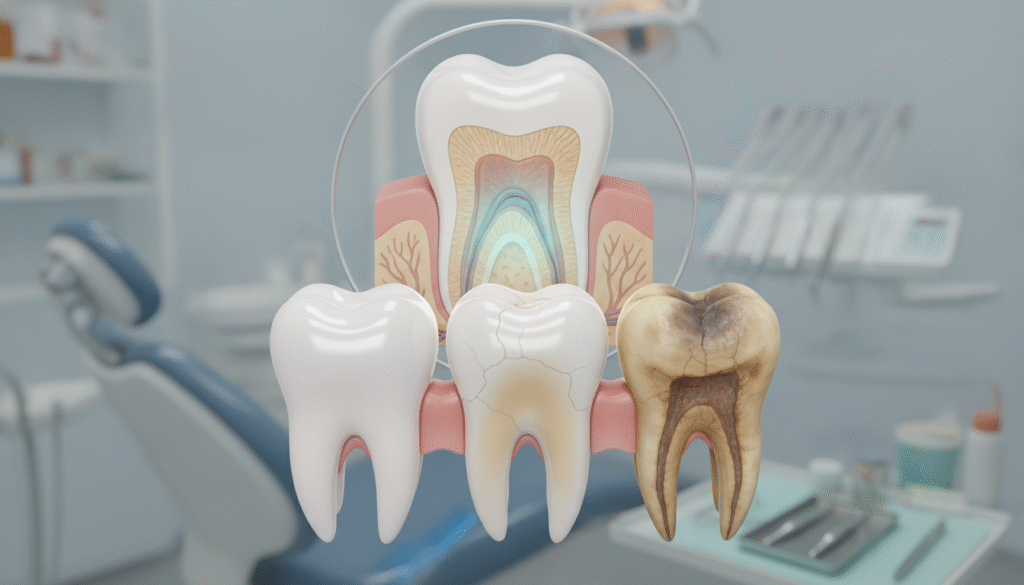
Root canal treatment is often misunderstood, yet it plays a key role in dental health. It helps save teeth that might need to be pulled due to infection or damage. Knowing what happens during a root canal can ease anxiety and lead to better dental health choices.
What Happens During a Root Canal?
During a root canal, the dentist removes infected or dead pulp tissue from the tooth. The steps include:
- Access Cavity Preparation: The dentist makes an opening in the tooth to reach the pulp chamber.
- Cleaning and Shaping: The infected tissue is taken out, and the canal is cleaned and shaped for filling.
- Obturation: The canals are filled with a material that seals them and prevents future infections.
This detailed process keeps the tooth working and lowers the chance of more problems.
Purpose of a Root Canal Procedure
The main goal of a root canal is to get rid of infection and keep the natural tooth. This helps keep the dental arch in place and supports prosthetic devices if needed. Research shows that keeping the natural tooth is key because it:
- Keeps the teeth in line.
- Prevents jaw bone loss.
- Ensures good chewing and speaking.
Root canal treatment aims to keep your natural smile and improve dental health.
Common Misconceptions about Root Canals
Many myths surround root canals, causing unnecessary fear. One myth is that root canals don’t work well for older patients. But studies prove that non-surgical treatments are effective for all ages. Another myth is that treated teeth are more likely to break. In truth, with the right care, these teeth can last a long time.
“Root canal treatment has a high success rate, when followed by proper restoration.”
Research from the American Board of Endodontics shows that over 65s make up 26% of endodontically treated patients. Their outcomes are similar to younger people. Knowing this can help clear up fears and encourage patients to get the treatment they need.
Effects of Aging on Tooth Fragility
As we get older, our teeth become weaker. This section looks at how aging affects our teeth. It focuses on dentin, sensitivity, and how age-related health issues play a role.
Dentin and Its Role in Tooth Health
Dentin is key to our tooth’s strength. It’s the main part of the tooth and helps absorb chewing forces. But, as we age, dentin builds up, changing the tooth’s structure.
This buildup can slow down tooth decay but also makes teeth more prone to breaking. It changes the tooth’s strength, raising the risk of fractures.
Increased Sensitivity in Older Teeth
Older teeth often feel more sensitive. This is due to several reasons. Gingival recession, which exposes the roots, is a big one. It makes eating and drinking hot or cold uncomfortable.
Also, sensitivity can signal deeper problems like cracks or weak dentin. Knowing these signs is important for keeping our teeth healthy as we age.
The Impact of Other Age-Related Health Issues
Health problems like osteoporosis and heart disease can make teeth weaker. Osteoporosis affects bone density, which impacts tooth stability. Medications for these conditions can also cause dry mouth.
Dry mouth, or xerostomia, affects 25% to 50% of older adults. It raises the risk of tooth decay because saliva helps protect teeth. Without it, teeth are more vulnerable to decay.
| Health Issue | Effect on Teeth | Management Strategies |
|---|---|---|
| Osteoporosis | Reduced bone density affecting tooth stability | Calcium and vitamin D supplementation |
| Cardiovascular Disease | Potential for reduced blood flow to gums | Regular dental check-ups |
| Xerostomia | Increased risk of dental caries | Use of saliva substitutes |
Effects of Root Canal on Tooth Structure
It’s important to know how root canals affect teeth. After a root canal, the tooth’s strength depends on the restoration used. Sealing the tooth well is key to avoid problems.
Sealants and Fillings After a Root Canal
Using the right sealants and fillings is critical after a root canal. They protect the tooth and help it work right. Studies show that certain restorations work well, even for older patients.
Long-term Strength of Treated Teeth
The strength of teeth after a root canal depends on how much tooth is left and the seal quality. Losing pulp doesn’t weaken the tooth much. But, removing dentin can affect it for a long time. New sealers and techniques help teeth last longer.
Potential Complications Post-Procedure
Even with better root canal treatments, problems can happen. Vertical root fractures are a big worry, caused by bad post design or habits. Also, leaks can lead to infection. As one expert says,
“The quality of the coronal seal is as critical to success as the root canal procedure itself.”
| Complication | Cause | Prevention |
|---|---|---|
| Vertical Root Fracture | Excessive taper from post placement | Careful consideration of post design |
| Coronal Leakage | Poor sealing of the access cavity | Use of high-quality sealants |
| Reinfection | Coronal leakage | Regular dental check-ups |
Comparing Aging and Root Canal Outcomes
It’s important to know how aging and root canal treatments affect teeth. Aging teeth naturally get weaker over time. On the other hand, root canal treatments can weaken teeth due to the process itself.
Studies on Tooth Strength After Root Canal
Many studies have looked into how strong teeth are after a root canal. They found that aging teeth get more brittle and calcified. But, teeth that have had a root canal can also lose strength. Yet, with the right care, these teeth can be as strong as healthy ones.
Longitudinal Studies on Aging Teeth
Long-term studies have shown changes in aging teeth. Key findings include:
- Enamel wear increases, leading to reduced toughness.
- Dentin becomes less elastic, which can affect overall tooth strength.
- Pulp chamber size decreases, impacting the tooth’s vitality.
These changes get worse after the age of 60, making teeth more prone to breaking.
Clinical Observations from Dentists
Dentists have shared their insights on aging and root canals. They say:
- Aging makes all teeth more likely to break.
- Root canals can make one tooth more likely to break.
- Older patients often have both aging and root canal issues, making treatment harder.
This mix of aging and root canals means each tooth needs a special look at its condition.
| Factor | Aging Teeth | Root Canal-Treated Teeth |
|---|---|---|
| Structural Integrity | Progressive loss due to calcification | Loss from access preparation |
| Fracture Risk | Increased risk across all teeth | Localized risk in treated teeth |
| Long-term Strength | Decreased enamel toughness | Can be restored to near vital strength |
In conclusion, aging and root canals both weaken teeth but in different ways. Knowing this helps make better dental choices.
Signs of Teeth Becoming Fragile
It’s important to know when your teeth might be getting weak. This can help you avoid bigger dental problems. Knowing the signs is key to keeping your teeth healthy.
Symptoms of Weak Teeth
Here are some common signs that your teeth might be getting fragile:
- Sensitivity to Temperature Changes: Feeling pain when eating hot or cold foods and drinks.
- Pain Upon Biting: Feeling pain when you bite down or release pressure.
- Visible Crack Lines: Seeing cracks or fractures in your teeth.
- Chipped Enamel: Losing enamel makes your teeth weak and more prone to damage.
- Sensation of Looseness: Feeling like a tooth is unstable or moving.
As we get older, our teeth might not hurt as much when they’re damaged. This means problems can get worse before we notice. So, it’s important to keep an eye on your teeth’s health.
When to Seek Professional Advice
If you notice any of these symptoms, see a dentist right away. Don’t wait if they last more than a few days. Getting help early can save your teeth from more harm.
Preventative Measures for Maintaining Strength
To keep your teeth strong, try these steps:
- Fluoride Application: Regular fluoride treatments can make your enamel stronger and prevent decay.
- Dietary Modifications: Eating less acidic foods and drinks can help protect your enamel.
- Mouthguards for Bruxism: Wearing a mouthguard can protect your teeth from grinding damage.
- Regular Dental Examinations: Going to the dentist often helps catch problems early.
By following these steps, you can greatly improve your dental health. This will help keep your teeth strong and healthy for a long time.
Impact of Lifestyle on Tooth Fragility
Our teeth’s health can be greatly affected by our lifestyle choices. What we eat, whether we smoke, drink alcohol, and how we brush our teeth all matter. Knowing how these habits impact our teeth is key to keeping them strong.
Role of Diet in Dental Health
Eating a balanced diet is essential for strong teeth. Foods high in acid, like citrus fruits and soda, can wear away tooth enamel. This makes teeth more prone to decay and sensitivity.
Regularly eating sugary snacks can also lead to tooth decay. Bacteria in our mouths feed on sugar, producing acids that harm enamel. On the other hand, foods rich in calcium and phosphorus, like dairy and leafy greens, can help strengthen teeth.
Effects of Smoking and Alcohol
Smoking is a big risk for dental problems, including gum disease and oral cancer. It cuts down blood flow to the gums, making them harder to heal and more likely to get infected. The risk of oral cancer goes up with how long you smoke.
Drinking alcohol can also harm your teeth. It can cause dry mouth, which is bad because saliva helps neutralize acids and clean our mouths. Alcohol also makes acidic foods and drinks worse for our teeth.
Importance of Oral Hygiene Practices
Good oral hygiene is key to preventing weak teeth. Brushing with fluoride toothpaste twice a day and flossing regularly can remove plaque and prevent cavities. For those who find it hard to brush, electric toothbrushes can be a good option.
Regular dental check-ups are also important. Dentists can spot problems early and give advice on how to take care of your teeth better.
In conclusion, while we can’t stop aging, we can greatly improve our dental health with the right choices. Eating well, avoiding harmful substances, and keeping up with oral hygiene can help prevent tooth fragility.
Dental Treatments for Strengthening Teeth
Dental treatments are key to making teeth stronger and lasting longer. Many procedures help fight tooth enamel wear and fix tooth damage. These treatments keep teeth healthy, helping people smile for years to come.
Fluoride Treatments
Fluoride treatments are vital for rebuilding tooth enamel. They stop bacteria from sticking to teeth. Dentists use fluoride rinses, gels, and varnishes to stop tooth decay and even reverse some damage.
Fluoride makes teeth more resistant to acid. It does this by changing the tooth’s mineral structure. This makes teeth stronger against acid attacks.
Crowns and Bridges
Crowns and bridges are mechanical fixes for weak teeth. Crowns cover the whole tooth, spreading out chewing forces. This prevents teeth from breaking.
The ferrule effect, from proper tooth prep, makes crowns last longer. Bridges fill in gaps, keeping the mouth balanced. They replace missing teeth, ensuring a proper bite.
Bone Grafting Procedures
Bone grafting fixes gaps in the jawbone. It’s important for implants or better denture fit. These procedures don’t directly strengthen teeth but support the dental structure.
Early treatment for tooth wear can avoid bigger problems later. It’s a step towards a healthier smile.
Preventive Care for Aging Teeth
Preventive care for aging teeth is key to keeping your mouth healthy. Regular dental visits help catch problems early, like cavities and gum disease. Sadly, many seniors skip dental visits, showing the need for better dental care for the elderly.
These visits do more than just clean teeth. They also check for cavities, gum disease, tooth wear, and even mouth cancer. A dental expert says,
“Regular visits can significantly improve the quality of life for seniors by addressing dental issues before they escalate.”
Regular Dental Check-ups
Older adults need regular dental exams. These visits help catch problems early, saving money and pain. Dentists can also give advice based on your health, which is very important for seniors.
Importance of X-rays
X-rays are key for finding hidden problems. They show cavities between teeth and check bone health. These tools help dentists create the best treatment plans for seniors.
Custom Care Plans for Seniors
Seniors need care plans made just for them. These plans consider their health, medicines, and how well they can do things. For example, some medicines need special dental care. A plan made just for you helps keep your health in check.
| Preventive Care Strategy | Benefits | Considerations |
|---|---|---|
| Regular Check-ups | Early detection of issues | Access to care |
| X-ray Assessments | Identifies hidden problems | Radiation exposure |
| Custom Care Plans | Personalized treatment | Health status integration |
The Role of Genetics in Tooth Health
Genetics play a big role in how healthy our teeth are. Knowing your family’s dental history can tell you a lot about your own teeth. This knowledge helps in preventing and treating dental problems.
Genetic disorders can change how teeth are formed. This leads to issues like:
- Enamel Hypoplasia: Teeth grow with less enamel, making them more prone to cavities.
- Dentinogenesis Imperfecta: Teeth turn discolored and weak, often with no pulp inside.
- Amelogenesis Imperfecta: Teeth have thin or no enamel, making them weak.
These conditions can make teeth look different and feel fragile. They show how important genetics are in tooth health.
Family History and Tooth Fragility
Early tooth loss or frequent tooth breaks in your family might mean you’re at risk. Knowing this helps doctors plan better care for you.
Genetic Disorders Affecting Teeth
Some genetic conditions really affect how teeth grow and last. For example, dentinogenesis imperfecta makes teeth weak and discolored. Amelogenesis imperfecta causes enamel to be thin and pitted. Hypophosphatasia affects cementum, leading to teeth falling out early.
How Genetics Influence Aging
Genetics can also affect how fast teeth age. Studies show that certain genes can make teeth more prone to wear and tear as we get older.
Knowing about these genetic effects helps in preventing dental problems. It helps both patients and doctors fight tooth fragility better.
| Genetic Condition | Effect on Teeth | Symptoms |
|---|---|---|
| Enamel Hypoplasia | Underdeveloped enamel | Increased decay risk |
| Dentinogenesis Imperfecta | Brittle, discolored teeth | Pulp chamber obliteration |
| Amelogenesis Imperfecta | Thin or absent enamel | Pitted surface, sensitivity |
Myths Surrounding Tooth Fragility
Many people believe wrong things about tooth fragility, often because of dental treatments. These myths can cause worry and bad health choices. Knowing the truth helps patients make better dental care decisions.
Debunking Common Misconceptions
One big myth is that root canals are bad for older people. But, studies show root canal treatments work well for everyone, no matter their age. Some think teeth fixed with root canals will always break. But, with the right care, these teeth can last a long time.
Differentiating Between Fact and Fiction
Many think losing teeth is a natural part of aging. But, research shows most people over 65 keep their teeth. This shows how dental care has improved and regular check-ups are key.
Understanding Dental Advice
In today’s world, it’s important to check dental advice carefully. Patients often see false claims on social media and websites. To stay safe:
- Check if the source is a real expert.
- Look for studies that have been reviewed by others.
- Talk to a real dentist before making any decisions.
By knowing what’s true and what’s not, patients can make smarter choices about their teeth.
Conclusion: Age or Procedure? Insights on Tooth Fragility
Understanding tooth fragility is key to good oral health. Aging and root canal treatments affect teeth differently. Aging changes teeth over time, while root canals target specific areas. With the right care, you can keep your teeth strong.
Regular dental visits are vital for early detection and care. These visits help dentists track changes and offer oral care tips just for you. Make sure to keep these appointments to keep your teeth healthy.
Knowing about dental health helps you protect your teeth. Simple habits like good brushing and smart eating choices can help your teeth last longer. With the right steps, you can keep your natural teeth strong, even as you age.