Does a throbbing tooth mean I have an infection? Scientific insights
Toothaches are among the most intense pains people can feel. This is because of the unique structure of teeth. Even small problems can feel huge. A throbbing tooth often makes people think of infection, but it’s not always the case.
Throbbing pain can mean an infection, but it’s not the only reason. The pulp chamber in the tooth, where nerves and blood vessels are, is key. When it gets inflamed, pressure builds up. This pressure makes the nerves send out pain signals, causing that pulsing pain.
It’s important to understand this to get help quickly. Many people think the pain will go away by itself. But dentists know that tooth pain usually needs a doctor’s check-up. This article will dive into dental pain, showing why seeing a dentist fast is vital.
Key Takeaways
- Toothaches can be extremely painful due to the tooth’s unique anatomy.
- Throbbing pain may indicate an infection but can also stem from other causes.
- Inflammation in the pulp chamber increases pressure, leading to pulsatile pain.
- Many patients delay seeking help, assuming pain will resolve itself.
- Professional evaluation is key for effective dental pain management.
- Understanding dental pain helps patients make better health choices.
- For more info on dental exams and cleanings, visit this link.
Understanding Tooth Pain
Tooth pain is a complex experience that shows many dental health problems. Knowing the different types of tooth pain helps us understand what might be wrong. Each pain type can point to a specific cause, which is key for finding and fixing the problem.
Tooth pain can be broken down into several types:
- Sharp and Lancinating: This pain is sudden and intense. It often means you have a cavity or irritated nerves.
- Dull and Aching: This pain is ongoing and annoying. It might mean you have a long-term problem like pulpitis or gum disease.
- Throbbing and Pulsatile: This pain is linked to inflammation. It could mean you have a serious infection or abscess.
- Intermittent vs. Constant: Pain that comes and goes might be a short-term issue. But pain that never stops is usually a bigger problem.
The main reason for most toothaches is pulpitis. This is when the pulp inside the tooth gets inflamed. The pulp is trapped and gets squeezed by the inflammation. This squeezing hurts the nerves, sending pain signals to the brain.
Some common reasons for tooth pain include:
| Cause | Description | Symptoms |
|---|---|---|
| Dental Caries | Cavities caused by decay. | Sharp pain when biting or sweet foods. |
| Cracked Tooth Syndrome | Fractures in the tooth structure. | Intermittent pain during chewing. |
| Traumatic Injury | Injuries from accidents or falls. | Sudden, severe pain and swelling. |
| Periodontal Disease | Infection and inflammation of the gums. | Persistent dull ache and gum tenderness. |
It’s also important to know about referred pain. This is when pain from one tooth feels like it’s coming from another. This can make it harder to figure out where the pain is coming from. So, it’s important to tell the difference between pain from the tooth itself and pain from other sources.
What is a Throbbing Tooth?
A throbbing tooth is more than just a pain; it’s a sign of something serious. This pain feels like it’s beating in time with your heart. Knowing what it means can help find the cause and fix it.
Characteristics of Throbbing Pain
Throbbing tooth pain comes from the way the tooth is structured. When the pulp inside gets inflamed, it can’t swell because of the tooth’s hard shell. This buildup of pressure makes the nerves send strong pain signals to your brain.
The pain feels like a wave, getting worse with each heartbeat. This is because of special nerve fibers called C-fibers. They carry slow, throbbing pain. Unlike sharp pain, throbbing pain can keep going even after the cause is gone, which might mean the pulp is damaged.
How Throbbing Differs from Other Tooth Pain
It’s important to know how throbbing pain is different from other tooth pains. Sharp pain usually comes from a temporary issue, like a cold drink. Dull pain might mean something is wrong with the bone around the tooth.
Here’s a table to show the differences:
| Type of Pain | Characteristics | Possible Causes |
|---|---|---|
| Throbbing Pain | Rhythmic, pulsating sensation | Irreversible pulpitis, infection |
| Sharp Pain | Localized, sudden | Reversible pulpitis, thermal stimuli |
| Dull Ache | Constant, lingering | Periodontal ligament inflammation |
Knowing these differences can help you get the right treatment sooner. If you have throbbing tooth pain, see a dentist right away.
Signs of Infection in Teeth
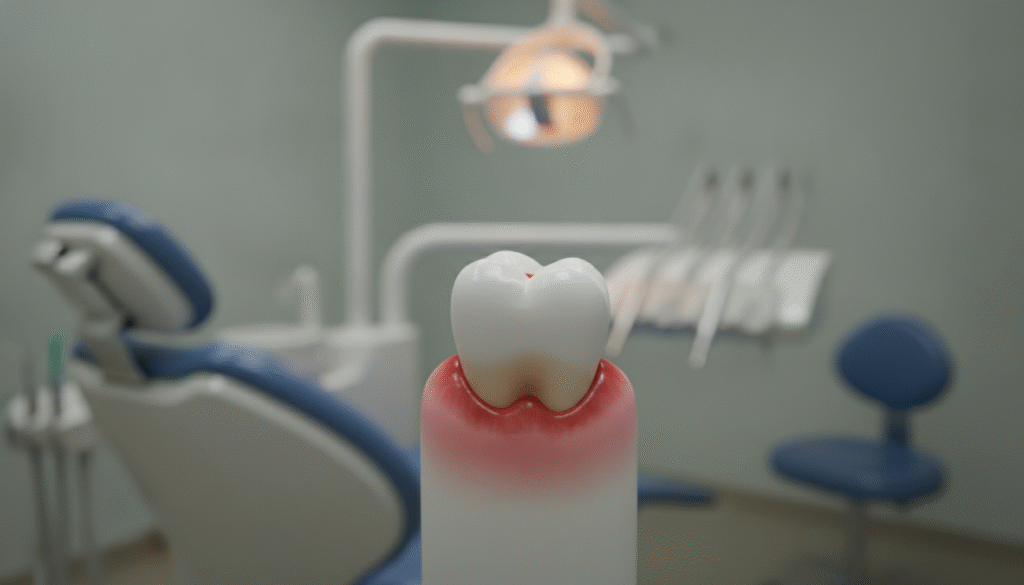
It’s key to spot tooth infection signs early for quick treatment. These symptoms guide you to when to see a dentist. Knowing them helps avoid bigger problems and keeps your mouth healthy.
Swelling and Tenderness
Swelling and tenderness are early signs of a tooth infection. The body’s reaction to the infection causes this. You might see:
- Swelling around the tooth.
- Tenderness when you press on it.
- Swelling that spreads to the jaw or face, showing it’s serious.
Pus or Discharge
Pus or discharge means you have a tooth infection. You might notice:
- Pus coming out from the gum line or through a fistula.
- A foul-smelling discharge.
- Fluid buildup that causes more pressure and pain.
Changes in Gum Color
Gum color changes can also hint at an infection. Watch for:
- Red or inflamed gums around the tooth.
- Bluish or dark spots, which could be an abscess.
- Gums that look swollen or are pulling back, getting worse over time.
Remember, not feeling pain doesn’t mean you’re okay. Sometimes, pain goes away as the infection grows. Always see a dentist if you see these signs.
The Relationship Between Throbbing Pain and Infection
Throbbing tooth pain often makes us worry about dental infections. But, not all throbbing pain means an infection. This part will help you understand when to see a dentist.
Is Throbbing Pain Always Related to Infection?
Throbbing pain can be scary, but it’s not always from an infection. Here are some reasons for throbbing pain without an infection:
- Reversible Pulpitis: This happens when deep cavities bother the pulp but don’t reach it. It can hurt when eating hot or cold foods.
- Cracked Tooth Syndrome: A tooth crack can hurt, mainly when biting down. This pain can feel like throbbing and might not be an infection.
- Traumatic Occlusion: Teeth that don’t fit right can cause inflammation in the gums. This can feel like throbbing pain.
- Maxillary Sinusitis: Sinus inflammation can hurt the upper teeth. This is because the roots of these teeth are near the sinus.
Other Possible Causes of Throbbing Tooth Pain
Other things can also cause throbbing tooth pain:
- Bruxism: Grinding teeth at night can cause a lot of discomfort. It often feels like throbbing pain.
- Temporomandibular Joint Disorders (TMJ): Problems with the jaw joint can hurt the teeth. This pain can feel like throbbing.
- Dental Procedures: Recent dental work can cause throbbing pain as it heals.
Even though throbbing pain might mean an infection, other causes are possible. A detailed check-up and X-rays are key for a correct diagnosis. This way, you get the right treatment for your pain.
Diagnosing a Tooth Infection
Getting a tooth infection diagnosed is key to treating it right. Dentists use many methods to find infections and plan the best treatment. This part will cover the main steps to diagnose an infected tooth.
How Dentists Diagnose Infections
Dentists start by doing a detailed check-up. They look for:
- Visual Inspection: They search for decay, cracks, or gum swelling.
- Palpation: They feel the tooth for tenderness, swelling, and roughness.
- Percussion Testing: Tapping the tooth shows if it’s sensitive, which means inflammation.
They also use cold tests to check if the pulp is alive. If pain lasts after cold, it might mean the pulp is dying. No pain means it’s dead.
Common Diagnostic Tools and Tests
X-rays are a big help in finding tooth infections. Dentists often use:
- Periapical Radiographs: These show bone loss and infection signs.
- Bitewing Radiographs: They spot hidden cavities.
- Cone-Beam Computed Tomography (CBCT): This gives a 3D view of the tooth and infection.
Other tools include:
- Transillumination: It finds cracks in the tooth.
- Periodontal Probing: It checks for root fractures or gum problems.
- Selective Anesthesia: It finds where the pain is coming from.
Knowing how a tooth infection is diagnosed helps patients. It makes them feel more part of their dental care.
Treatment Options for Tooth Infection
To fight a tooth infection, patients need several treatments. These aim at both the symptoms and the root cause. Knowing the treatment options is key to managing dental infections well.
Dental infections need treatment and can’t heal on their own. The main treatments are antibiotics and dental procedures.
Antibiotics and Their Role
Antibiotics help with dental infections, mainly when you have fever or swollen lymph nodes. But, remember, antibiotics can’t fix the infection in the tooth’s pulp or gums. This is because dead pulp tissue doesn’t let antibiotics work well.
Here are some common antibiotics:
- Amoxicillin: Often the first choice for bacterial infections.
- Amoxicillin-clavulanate: Good for tougher infections.
- Clindamycin: A good option if you’re allergic to penicillin.
- Metronidazole: Works well against anaerobic bacteria.
Possible Dental Procedures
Along with antibiotics, dental procedures are needed to treat a tooth infection:
- Root Canal Therapy: This saves the tooth by removing infected pulp, cleaning the root canal, and sealing it to stop more infection.
- Incision and Drainage: Done for abscesses to relieve pressure and let the infection drain.
- Apicoectomy: A surgery for ongoing problems around the tooth when other treatments don’t work.
- Extraction: The final option if the tooth can’t be saved.
The goal of treatment is to control the infection’s source. Fixing the infection’s source is vital for lasting health and keeping your mouth healthy.
Home Remedies for Throbbing Tooth Pain
Home remedies can offer temporary relief for throbbing tooth pain. They are not a replacement for dental care, but they can help until you see a dentist. Here are some effective ways to ease your pain.
Over-the-Counter Pain Relief
Over-the-counter medications can help manage tooth pain. Here are some common options:
- Ibuprofen: This NSAID reduces pain and inflammation.
- Acetaminophen: It’s good for pain relief and safe if you can’t take NSAIDs.
- Alternating Medications: Try alternating between ibuprofen and acetaminophen. This can target different pain pathways for better relief.
Always follow the dosage instructions to stay safe and effective.
Natural Remedies and Their Effectiveness
There are also natural remedies for throbbing tooth pain:
- Warm Salt Water Rinse: Warm salt water can reduce inflammation and kill bacteria. Rinse for one to two minutes, up to five times a day.
- Cold Compress: A cold compress on your cheek can reduce swelling and numb the area, giving temporary relief.
- Clove Oil: Clove oil has eugenol, which is anesthetic and antibacterial. A small amount on the affected area may help with pain.
But don’t put aspirin on your gums, as it can burn. You can find temporary filling materials with eugenol at pharmacies. They may seal exposed dentin and offer short-term relief.
“In the meantime, you can manage the pain of a toothache using over-the-counter pain relievers like Tylenol or Advil.”
While these remedies can help, they’re not a substitute for dental care. If your pain doesn’t go away, you need to see a dentist to find out why.
Prevention Strategies for Dental Infections
Keeping your teeth healthy is key to avoiding painful tooth infections. Good prevention strategies help keep your teeth safe and improve your mouth’s health. Knowing these strategies can help you protect your teeth.
Importance of Oral Hygiene
Good oral hygiene is vital in stopping dental infections. Brush your teeth well twice a day. Pay special attention to the gumline, where plaque builds up. Flossing every day is also important to remove food and bacteria that can hurt your gums.
Dental plaque is a harmful biofilm with bacteria like Streptococcus mutans and Lactobacillus. These bacteria eat carbs and make acids that harm your enamel. To fight this, brush at a 45-degree angle and use fluoride toothpaste to strengthen your teeth.
Antimicrobial mouth rinses with chlorhexidine or essential oils can also help. They reduce bacteria in your mouth, which helps prevent infections.
Regular Dental Check-Ups
Dental check-ups are more than just routine. They are essential for your teeth’s health. These visits let dentists find problems early, before you feel pain. Radiographs can spot hidden cavities and gum issues.
Professional cleanings remove plaque and bacteria. Tailor your dental visits based on your risk, not just every six months. This approach is more effective and saves money compared to treating serious infections.
“Preventing tooth pain isn’t just about avoiding cavities—it’s about maintaining strong, healthy teeth and gums over the long term.”
When to Seek Professional Help
Knowing when to see a dentist is key to handling dental problems well. Some symptoms mean you need to go right away, while others can wait. It’s all about understanding the urgency of your dental pain.
Tooth infection symptoms that need quick attention include severe pain and fever. Also, facial swelling and long-lasting nasal discharge are warning signs. If you have eye pain, swelling, confusion, or a stiff neck, get medical help fast.
Identifying Urgency
Here are some red flags that mean it’s time to call the dentist:
- Pain that wakes you up at night
- Sensitivity that lingers after consuming hot or cold foods
- Visible swelling or a bad taste in the mouth
- Persistent bad breath
- Uneven biting sensations or sharp twinges in one spot
Urgent dental issues need same-day care. These include sudden, severe pain, facial swelling, and pus. Spotting these signs early can stop bigger problems and keep your mouth healthy.
What to Expect During Your Visit
At an urgent dental visit, you’ll get a full check-up. This includes:
- A detailed history-taking regarding pain characteristics, onset, and duration
- A thorough clinical and radiographic examination
- Establishing a clear diagnosis
- Starting the right treatment, like cleaning, draining, or pulling the tooth
It’s also key to know if your pain comes from your tooth or sinuses. Knowing your symptoms helps decide if you should see a doctor or dentist.
Understanding Dental Anatomy
Knowing how teeth are structured is key to understanding infections. Each tooth has layers with different roles. By looking at these layers, we can see how an infected tooth forms and how infections spread.
The Structure of a Tooth
A tooth has four main parts:
- Enamel: The outer layer, enamel is very hard and made mostly of minerals. It protects the tooth but can’t heal itself.
- Dentin: Under the enamel, dentin is a living tissue with tiny tubes. These tubes connect to the pulp, causing sensitivity when exposed.
- Cementum: This layer covers the root and holds the tooth in place with fibers.
- Pulp Chamber: Inside the tooth, the pulp chamber has nerves and blood vessels. It supplies the tooth with feeling and nutrients.
How Infections Develop in Teeth
Infections in teeth come from two main ways:
- Coronal Route: Dental caries can spread through the enamel and dentin, reaching the pulp. This can cause pulpitis and eventually lead to periapical periodontitis.
- Radicular Route: Periodontal disease can create deep pockets that reach the pulp. Bacteria from the mouth can then enter the pulp through these canals.
As infections grow, the body tries to fight them at the root tip. This fight can create a lesion that shows up on X-rays.
Understanding tooth anatomy is vital. It helps us see why infections act the way they do. It also shows why treating the whole root canal system is necessary.
| Tooth Structure | Function | Characteristics |
|---|---|---|
| Enamel | Protection | Hard, non-regenerative |
| Dentin | Support | Living tissue, sensitive |
| Cementum | Anchorage | Thin, covers roots |
| Pulp | Nourishment, sensation | Contains nerves and blood vessels |
Risk Factors for Tooth Infections
Knowing the risk factors for tooth infections helps us prevent them. It’s key to keep our teeth healthy and avoid problems.
Poor oral hygiene is a big risk. Not cleaning our teeth well lets bacteria build up. This can start tooth decay and even gum disease.
Our diet also matters. Some foods and drinks can harm our teeth. Foods with sugar are bad because they help bacteria make acid. Drinking acidic drinks can also hurt our teeth.
Other things can increase the risk too. For example, xerostomia, or dry mouth, can make teeth more prone to decay. Grinding our teeth can also damage them, making them more likely to get infected.
Using our teeth as tools is another risk. Biting hard things can hurt our teeth and lead to infections. To stay safe, we should brush regularly, eat right, and avoid bad habits.
The Role of Stress in Dental Health
Stress and dental health are closely linked, but often overlooked. Stress can cause physical symptoms, including tooth pain. It’s important to understand this connection to manage dental pain well.
Bruxism, or grinding and clenching teeth, is a major stress-related issue. It happens during the day and at night. This can wear down teeth, leading to pain and even cracks.
Chronic stress also raises cortisol levels, weakening the immune system. This makes it harder for the body to fight off infections. Stress can also worsen gum disease by increasing inflammation.
Stress can lead to poor dental habits. People might skip brushing, eat sugary foods, or smoke more. These actions increase the risk of dental problems and toothaches.
To fight stress and protect teeth, several methods work:
- Custom-fabricated occlusal guards: These protect teeth from wear and tear.
- Cognitive behavioral therapy: It helps change habits linked to bruxism.
- Mindfulness practices: Like meditation, they reduce stress.
- Regular physical exercise: It helps manage stress and boosts health.
- Pharmacological interventions: In severe cases, certain medications or injections might be needed.
Aftercare Following Treatment
After dental procedures, managing pain is key to a smooth recovery. Patients may feel different levels of pain. Knowing how to handle this discomfort is vital.
Pain management includes both medicine and non-medical ways. Medicines like NSAIDs are often the first choice. They help with pain and swelling, speeding up healing.
It’s important to take medicine as directed for the first 24 to 48 hours. This keeps the pain under control. If pain is severe, doctors might prescribe stronger medicines, but only for a short time to avoid addiction.
Non-medical steps also help a lot. Here are some tips:
- Use cold compresses on the affected area for the first 24 hours to reduce swelling.
- Keep your head up while sleeping to ease pressure and pain.
- Eat soft foods to avoid irritating the surgical site.
- Stay away from smoking and alcohol, as they can slow healing.
Regular dental check-ups are also critical. They let dentists check on healing and catch any problems early. Going to all recommended visits, like after a root canal, is important. It helps keep the tooth clean and sealed, preventing infections and ensuring dental work lasts longer.
Talking openly with your dentist is also key. Tell them about any pain or concerns right away. Waiting too long can lead to bigger problems.
| Post-Procedure Care | Pharmacological Methods | Non-Pharmacological Methods |
|---|---|---|
| Scheduled pain relief | NSAIDs | Cold compress application |
| Regular follow-ups | Opioid analgesics (if needed) | Head elevation during sleep |
| Monitoring symptoms | Topical anesthetics (if recommended) | Soft diet adherence |
Myths About Tooth Infections
Many myths about tooth infections can confuse people and delay treatment. It’s important to know these myths to get good dental care. Here, we’ll look at common myths and share facts to clear up the truth about tooth infections.
Common Misconceptions
One big myth is that pain stopping means the infection is cured. But, when a tooth’s nerve dies, it stops hurting. Yet, the infection can stay, causing silent damage to the bone.
Another myth is that antibiotics alone can fix an infected tooth. The dead pulp can’t be reached by antibiotics. You need a dentist to clean it out.
Some think teeth can heal themselves. But, enamel and dentin can’t fix themselves once damaged. Also, infections in baby teeth can harm growing permanent teeth and cause serious infections.
Debunking Myths with Facts
Some think natural remedies like oil pulling can cure infections. But, they can’t replace a dentist’s care. Even if a tooth looks fine, it might need treatment if X-rays show problems.
| Myth | Fact |
|---|---|
| Cessation of pain means healing | Pain may stop, but infection can persist. |
| Antibiotics can cure tooth infections | Mechanical treatment is necessary for effective healing. |
| Teeth can regenerate | Teeth do not have regenerative properties. |
| Baby teeth infections are harmless | They can affect permanent teeth and overall health. |
| Natural remedies can replace dental treatment | Professional care is essential for established infections. |
Lifestyle Changes for Better Tooth Health
Making lifestyle changes can greatly improve dental health. These changes help lower the risk of dental infections and boost overall health. It’s key to understand how diet and smoking affect our teeth and gums.
Diet Recommendations
What we eat is very important for our teeth and gums. A balanced diet can make teeth stronger and gums healthier. Here are some important dietary tips:
- Calcium-rich foods: Include dairy, leafy greens, and fortified foods to help teeth.
- Vitamin D: This vitamin helps our body use calcium better and keeps the immune system strong.
- Vitamin C: It’s vital for making collagen, which keeps gums healthy.
- Crisp fruits and vegetables: Foods like apples and carrots help clean teeth by making saliva.
- Polyphenol-rich foods: Green tea, cranberries, and cocoa can fight bacteria and prevent plaque.
It’s also good to limit foods that can harm teeth. Avoid sugary drinks and rinse with water after meals if you can’t brush.
Smoking and Its Impact on Oral Health
Smoking is very bad for our teeth and gums. It can block blood flow, weaken the immune system, and hide signs of gum disease. Smoking can lead to:
- More chance of losing teeth due to gum disease.
- Higher risk of oral cancer.
- Slower healing after dental work.
Quitting smoking can greatly improve your oral health. Studies show that ex-smokers’ risk of gum disease is similar to never-smokers within 10 to 11 years after quitting.
In summary, our lifestyle choices greatly affect our dental health. The link between oral health and diseases like heart disease and diabetes shows why we should make better choices. Eating right and avoiding smoking can protect our teeth and overall health.
Conclusion: Key Takeaways on Throbbing Tooth Pain and Infection
Understanding the link between throbbing tooth pain and infection is key for good dental health. A throbbing tooth might mean an infection, with signs like sensitivity to hot or cold. But, not all throbbing pain is from an infection. Issues like reversible pulpitis or a cracked tooth can also cause similar pain.
Dental infections usually need a dentist’s help. Using pain relief without seeing a dentist might not fix the problem. It could even mean nerve damage. Getting to a dentist early can lead to better and less painful treatments.
Preventing dental problems is the best approach. Keep your teeth clean, go to regular dental check-ups, and choose healthy habits. By acting fast on dental pain, you can keep your teeth and stay healthy.
New dental care methods, like regenerative endodontics, are improving. Seeing dental pain as a warning sign helps you take care of your teeth. Taking action now can mean a healthier smile later.