Exosomes for Wrinkles: Do They Really Work?
Exosomes for wrinkles are one of the newest trends in skin care. Do they work? They may help a little, mostly when paired with microneedling, but the proof in people is still thin. No exosome product is FDA-approved, so it pays to know what you’re buying.
Exosomes are tiny sacs that cells release. They carry proteins, growth factors and bits of genetic code to other cells. In the lab, those signals push skin cells to make more collagen. That’s why skin clinics got interested.
How Do Exosomes Work in Skin?
When an exosome reaches a skin cell, it hands over its cargo. That can tell the cell to make collagen and elastin, calm inflammation or repair damage. Exosomes for medical use are often taken from stem cells grown in a lab. Some skin products use exosomes from plants instead.
What Can Exosomes Do for Wrinkles?
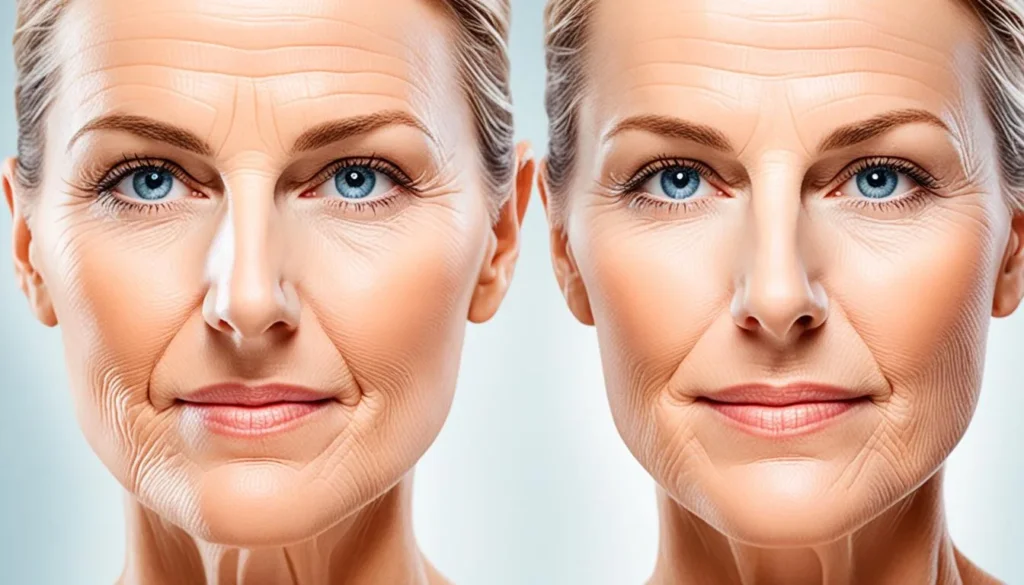
Small studies suggest exosome treatments can soften fine lines and make skin look smoother and more even. They may also help with acne scars and dark spots. Most of these studies are short, though, and many pair exosomes with microneedling or lasers. So it’s hard to say how much the exosomes alone are doing.
What About Exosome Serums and Creams?
You can buy exosome serums and creams to use at home. The problem is getting them into your skin. Exosomes are fairly large, and healthy skin keeps most of them out. That’s why clinics usually apply them right after microneedling.
If you shop for a product, check the label. Many say exosome but don’t say where the exosomes came from or how much is inside. Plant-based exosomes are a different thing from human-derived ones.
Do Exosomes Get Rid of Wrinkles?
Not completely. At best, they may make lines look softer. Deep wrinkles usually need other treatments, like fillers or lasers. Think of exosomes as a possible add-on, not a fix.
A clinic session usually takes about an hour. Most of that time goes to numbing and microneedling. Then the exosome solution goes on your skin.
Afterward, your skin may be red or pink for a day or two. Any results build slowly over several weeks as new collagen forms.
Can You Combine Exosomes With Other Treatments?
Yes, and that’s how they’re most often used. Microneedling makes tiny channels in your skin, so the exosomes can get in. The needling itself also boosts collagen.
Some clinics put exosomes on after laser treatments or chemical peels, too. The idea is to help skin heal faster. Others mix them with PRP, which uses growth factors from your own blood.
Here’s how the combos compare:
| Treatment Combination | Key Benefits |
|---|---|
| Exosome with Microneedling | Reduces acne scarring, enhances collagen production, smooths fine lines |
| Exosome with Laser Therapy | Improves scar appearance, reduces pigmentation, addresses sun damage |
| Exosome with Chemical Peels and PRP Therapy | Enhances skin texture, stimulates collagen synthesis, treats wrinkles and uneven skin tone |
What Are the Risks?
Side effects are usually mild: redness, swelling or some peeling for a few days. The bigger worry is the product itself. Exosomes from human cells could carry germs if they aren’t screened and tested well.
No exosome product is FDA-approved. In 2019, the FDA warned the public about unapproved exosome products after reports of serious side effects. So ask your provider where the product comes from and how it was tested.
Are Exosomes Worth Trying?
They might be, if you keep your hopes in check. You may see softer lines and a smoother texture, especially with microneedling. You won’t see a facelift. Talk to a licensed provider about what’s proven, what it costs, and what else might work better for your skin.