Exploring the Pain Level in Ultherapy Treatments
How painful is Ultherapy?
What’s the Ultherapy pain level? Most people call it moderate and brief: a deep heat or prickle with each pulse that stops as soon as the pulse ends. Ultherapy uses focused ultrasound to heat tissue below the skin so it builds new collagen, and that heat is what you feel.
How Does Ultherapy Work?

Unlike a laser, which works from the surface down, an Ultherapy treatment delivers energy under the skin and leaves the surface alone, so there’s no wound to heal afterward.
What does it feel like?
Each pulse feels like a quick burst of deep warmth or a sharp prickle, lasting a second or two. Bony areas such as the jawline and forehead tend to feel stronger than the cheeks.
How much it bothers you depends on your own pain tolerance, the area being treated and the energy settings, which your provider can adjust if you need a break.

How does it compare with lasers and surgery?
Compared with many laser resurfacing treatments, which can leave skin raw and peeling for days, Ultherapy usually has little downtime, though the treatment itself can feel more intense in short bursts.
It’s far less involved than a facelift. There’s no anesthesia, no incision and no surgical recovery, but the lift is also more modest.
How can you make it more comfortable?
Your provider may suggest an over-the-counter pain reliever beforehand if it’s safe for you, and some offices offer other comfort options. Ask what’s available at your consultation.
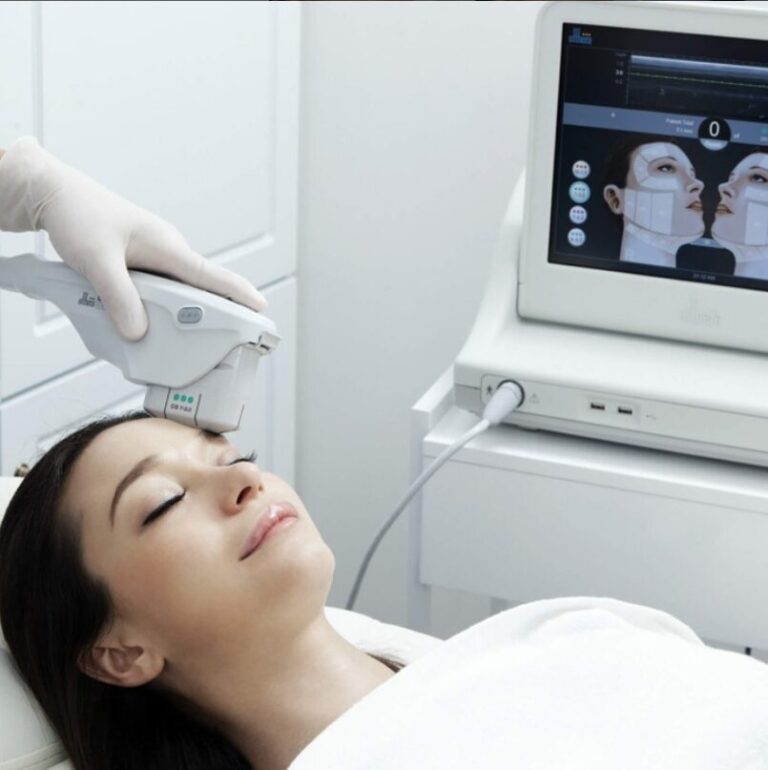
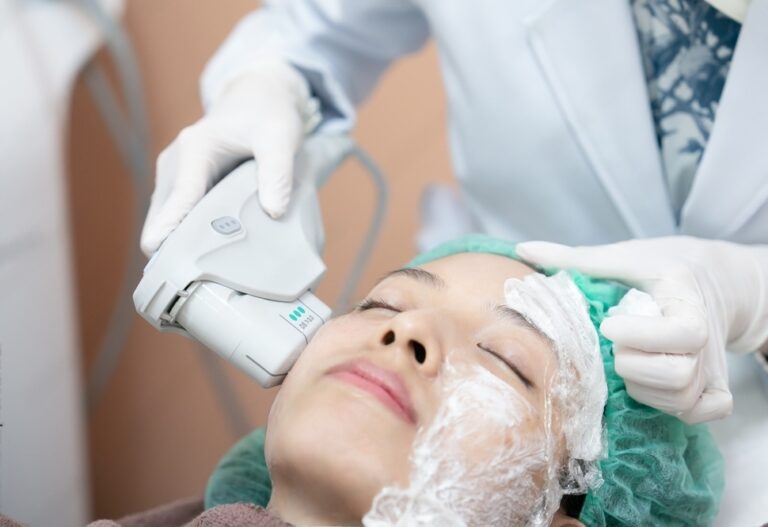
During the session, gel goes on, the handpiece is placed against the skin, and short pulses of energy are delivered row by row. A session takes about 30 to 90 minutes depending on the areas.
What happens afterward?
Mild redness, swelling or tingling is common right after and usually settles within hours to a few days. Some people feel tender for a couple of weeks.
Wear sunscreen and keep up a good skincare routine. Results build over two to three months, reach their full effect around six months and typically last one to two years.
So, is it worth the discomfort?
Usually. The sting lasts seconds, the recovery is short, and a good provider can adjust the settings as you go. If pain worries you, say so up front.