
Foods to Avoid While Using Invisalign
Can what you eat affect your orthodontic success? This is a big question for many when starting clear aligner therapy.
Invisalign offers a revolutionary advantage over traditional braces. Its removable design lets patients take out their aligners during meals. But, this freedom brings new challenges that need to be understood.
Good nutrition is key to keeping your aligners in top shape. Some drinks and eating habits can damage your aligners, even if you remove them correctly. Knowing what foods to avoid helps protect your investment and keeps your mouth healthy during treatment.
This guide dives into the science behind how food and aligners interact. We look at how different substances impact treatment success and aligner materials. By grasping these biochemical links, patients can make choices that boost their orthodontic results and keep their mouth healthy.
Key Takeaways
- Clear aligners need to be removed before eating anything except water to avoid damage and staining
- Hot drinks can warp aligner materials, making them less effective
- Sweet and acidic drinks raise the risk of cavities when worn with aligners
- Sticky or hard foods can harm oral hygiene even after aligners are removed
- Good diet choices can shorten treatment time and improve results
- Understanding how food and aligners interact helps protect your orthodontic investment
Understanding Invisalign and Its Benefits
Invisalign uses invisible aligners to straighten teeth. This method is a big step forward in orthodontics. It offers a way to straighten teeth without the look and feel of metal braces.
For Invisalign to work, patients need to know how to use it right. Knowing about the aligners helps patients make better choices. This includes what to eat to keep their teeth straight.
The Revolutionary Clear Aligner System
Invisalign uses special trays made from a strong plastic. These trays are made just for each patient. They are made using advanced technology that takes precise pictures of the teeth.
These trays are designed to move teeth slowly but surely. They can be taken out for meals and cleaning. This makes it easier to eat and take care of your teeth.
Invisalign can fix many problems with teeth. It works for crowding, spacing, and more. Sometimes, it needs extra help to fix very complex problems.

Patients wear each tray for about one to two weeks. Then, they switch to the next one. This process moves teeth slowly over time. Treatment can last from six months to two years.
Biomechanical Principles Behind Tooth Movement
Invisalign works by applying gentle forces to teeth. This makes teeth move slowly and safely. It’s based on how teeth and bones work together.
The forces from Invisalign must be just right. Too much can harm teeth. The trays are made to keep the right pressure all the time.
Being able to take out the trays is a big plus. It helps avoid problems with food and keeps the trays in good shape. But, not wearing them enough can slow down results.
Our research shows that wearing the trays as directed is key. It helps teeth move as planned. Not wearing them enough can slow down progress.
| Aligner Component | Material Properties | Clinical Function | Patient Consideration |
|---|---|---|---|
| Thermoplastic Shell | Medical-grade polyurethane with controlled elasticity | Delivers orthodontic forces to tooth surfaces | Must remain dimensionally stable; avoid heat exposure |
| Precision Trim Line | Digitally designed edges following gingival contours | Ensures comfort and optimal force distribution | Custom fit prevents irritation and maintains retention |
| Attachment Points | Composite resin bonded to tooth enamel | Enhances grip and enables complex movements | Requires careful cleaning around attachment sites |
| Surface Texture | Smooth interior and exterior finish | Minimizes friction and maintains transparency | Staining and surface damage reduce aesthetics |
Eating with Invisalign trays can affect how well they work. Food can put extra pressure on teeth. This can make teeth move in ways that aren’t planned.
The trays can also get stained by food and drinks. This not only looks bad but can also mean the trays aren’t working right. Hot or cold foods can also change the shape of the trays.
Knowing how Invisalign works helps patients make better choices. Taking out the trays before eating is important. It helps keep the treatment on track and gets the best results.
Why Diet Matters During Invisalign Treatment
Dietary changes during Invisalign treatment are important. Aligners are in the mouth for over 22 hours a day. This means every food choice affects the aligners and your mouth.
Our eating habits need to change a lot during treatment. We must remove aligners for meals, brush our teeth well, and put them back carefully. This keeps the treatment working right.
How Food Affects Aligner Materials
Invisalign aligners are made of a special plastic. They work well at normal body temperature. But, they can get damaged by hot or cold foods.
Acidic foods can also harm the plastic. They can make it weak over time. Foods with colors can stain the aligners, making them less clear.
Hard foods can scratch the aligners. This creates small places for bacteria to grow. These spots are hard to clean and can stain and harbor bacteria.
Invisalign maintenance and food choices affect the space between aligners and teeth. Food left on teeth before putting in aligners can cause problems. This creates a warm, moist place for bacteria to grow.
| Food Property | Effect on Aligners | Impact on Oral Health | Severity Level |
|---|---|---|---|
| High Temperature | Warping and permanent deformation | Reduced treatment precision | Critical |
| Acidic Content | Material degradation and weakening | Enamel demineralization | High |
| Chromogen Pigments | Permanent discoloration and staining | Aesthetic compromise | Moderate |
| Hard Particles | Surface scratching and damage | Increased bacterial colonization sites | High |
| Sugar Residue | Bacterial film accumulation | Rapid caries development | Critical |
Oral Health Complications From Poor Dietary Choices
The way food affects Invisalign aligners is complex. Our diet must change a lot during treatment. This helps keep the aligners working well.
Aligners change how our mouth works. They block saliva from reaching our teeth. This makes it harder for our teeth to stay healthy.
Studies show certain bacteria can cause problems with aligners. These bacteria grow in the space between the aligners and teeth. They feed on sugars and make acid that harms teeth.
This acid can start to damage teeth quickly. Without saliva to neutralize it, the acid can dissolve tooth enamel. This is when teeth start to decay.
Plaque builds up faster with aligners. This makes it hard to clean our teeth. It’s not just about looks; it’s about preventing disease.
Gingivitis is another problem with bad diet choices. Food trapped by the aligners feeds bacteria that cause inflammation. This can make our gums bleed and our breath bad.
So, what we eat affects our Invisalign treatment in two ways. Eating right keeps the aligners working and prevents mouth problems. Knowing this helps us stay on track with our treatment.
Hard Foods to Avoid
When you’re getting Invisalign, eating hard foods can be risky. It’s not just about damaging the aligners. Hard foods can also harm your teeth, which are already moving during treatment. Even though you can eat anything with Invisalign, it’s important to think about how certain foods affect your teeth.
Teeth are more vulnerable during orthodontic treatment. The periodontal ligament gets a bit inflamed as teeth move into place. This makes teeth more likely to get damaged by hard foods.
Crunchy foods like unpopped popcorn kernels and ice cubes can chip or crack your teeth. This might need fillings or other treatments, which can slow down your treatment.
Nuts and Hard Candies
Nuts and hard candies are hard on your teeth. They put a lot of pressure on your teeth, which can cause damage. This is even more true when you’re getting Invisalign.
Hard candies can also get stuck in your teeth. This makes it hard to clean your teeth after eating. It also increases the chance of getting cavities.
Nuts, like almonds and walnuts, need a lot of chewing. This can put too much stress on your teeth. If your teeth get damaged, it can affect how well your Invisalign works.
Nut butters and finely chopped nuts are safer. They’re easier to chew and don’t put as much stress on your teeth. This way, you can enjoy the good stuff in nuts without hurting your teeth.
Raw Vegetables
Raw vegetables can be tough on your teeth during Invisalign. Not all veggies are the same, and knowing which ones are safer can help. The texture and water content of veggies can affect how hard they are on your teeth.
Carrots, celery, and broccoli stems are the worst. They’re very fibrous and need a lot of chewing. This can hurt your teeth, which are already moving.
Steaming veggies can make them softer. This keeps more of their nutrients. Cutting veggies into smaller pieces also makes them easier to chew. This spreads out the stress on your teeth.
Some raw veggies are safer than others. Leafy greens, cucumbers, and ripe tomatoes don’t need as much chewing. This lets you eat a variety of foods without hurting your teeth.
| Hard Food Category | Specific Examples | Primary Risk | Recommended Alternative |
|---|---|---|---|
| Hard Candies | Lollipops, jawbreakers, butterscotch discs | Enamel fractures, particle retention | Soft chocolates, melt-in-mouth confections |
| Nuts | Whole almonds, walnuts, peanuts | Crown damage, excessive masticatory force | Nut butters, finely ground nut meals |
| Raw Crunchy Vegetables | Raw carrots, celery, broccoli stems | Repetitive grinding stress on moving teeth | Steamed vegetables, smaller cut pieces |
| Ice and Frozen Items | Ice cubes, frozen candy bars | Temperature shock, enamel microfractures | Cold beverages without ice, chilled foods |
| Unpopped Kernels | Popcorn kernels, corn nuts | Severe fractures requiring restoration | Soft snacks, fully popped corn without kernels |
Staying away from hard foods is important for your treatment. Any damage to your teeth can mean you need to change your aligners or wait longer. This can make your treatment longer and more expensive.
Knowing how hard foods affect Invisalign helps you make better choices. A little bit of dietary change during treatment is worth it for straight teeth. By following these tips, you can avoid problems and get the best results from your treatment.
Sticky Foods to Steer Clear Of
Adhesive foods can be a big problem during Invisalign treatment. Sticky foods and orthodontic treatment have a complex relationship. These foods stick to teeth and can’t be easily cleaned off.
Chewy foods like caramels and gummy candy are a big risk. They get stuck in teeth and make cleaning hard. This is a big problem for people wearing aligners.
Even if you remove your aligners before eating, sticky foods can cause problems. It’s hard to clean them all out before putting your aligners back on. This can lead to gum irritation and inflammation.
Chewing Gum
Chewing gum is a special problem for those with clear aligners. Modern gum is made to last longer and stick to teeth. It’s hard to clean off with regular brushing and flossing.
Gum with sugar is even worse. It feeds bacteria and makes acid, which harms teeth. This is a big problem when gum gets stuck under aligners.
Sugar-free gum might seem better, but it’s not. It can also change the mouth’s pH. Gum sticks to teeth, even after just a short time, and can affect aligner fit.
Caramel and Toffee
Caramel and toffee are very sticky and hard to clean off. They melt in your mouth and stick to teeth. Getting them off is very hard.
Not cleaning off sticky food before putting in aligners can cause problems. Bacteria grow in the sticky food, making acid. This acid harms teeth.
Sticky food also makes aligners fit poorly. This means treatment takes longer. It’s better to avoid sticky foods altogether.
Sticky foods like dried fruit and caramel apples should be avoided. They make aligners fit poorly and can delay treatment. Cleaning well before putting in aligners is key to keeping treatment on track.
Sugary Foods and Beverages
Sugar affects your teeth when you wear clear aligners. It creates a perfect environment for tooth decay. The aligners trap sugar against your teeth for a long time.
Very sweet foods give bacteria a feast. This can lead to cavities quickly. The lack of saliva and high sugar content are bad for your teeth.
The Bacterial Response to Sugar Exposure
Oral bacteria, like Streptococcus mutans, break down sugars. This process makes acid that harms your teeth. Acid levels drop fast after eating sugary foods.
This drop in pH is called the Stephan curve phenomenon. When pH levels fall below 5.5, your teeth start to erode.
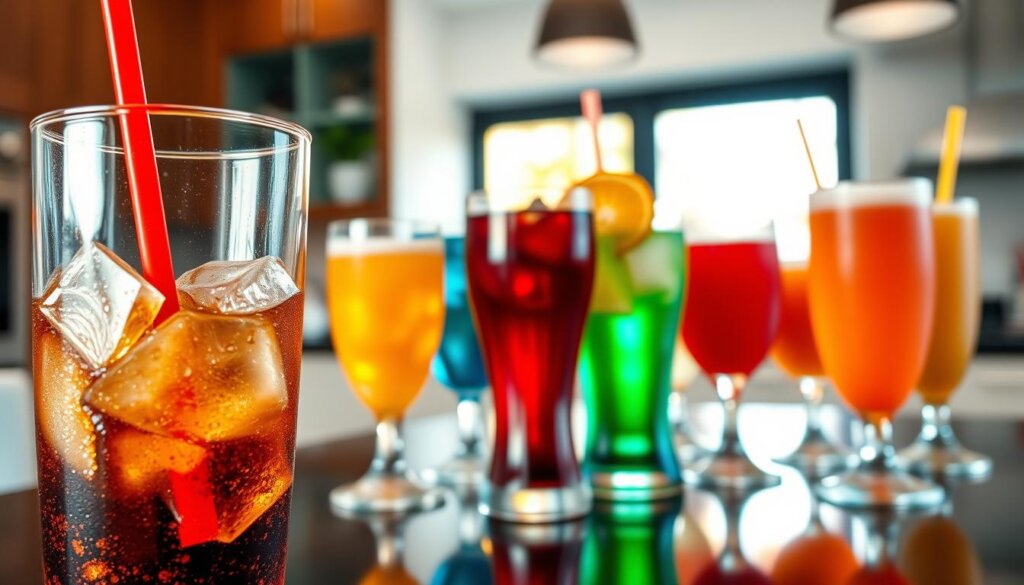
Wearing aligners after eating sugar is risky. The acid stays against your teeth. This stops saliva from helping your teeth.
Plaque, caused by bacteria, can lead to cavities. Aligners trap plaque, making it worse. This increases your risk of tooth decay.
Identifying High-Risk Beverages
Some drinks are bad for your aligners and teeth. Knowing which ones to avoid is key. Drinks with sugar and acid are the biggest threats.
Drinks like soda and energy drinks are bad. They have sugar and acid. Fruit juices also have sugar and acid, making them risky.
Many think natural sugars are safer. But, bacteria break down all sugars the same. The source of sugar doesn’t matter for tooth decay.
Drinks with lots of sugar are bad, like soda and sweetened coffee. Even healthy drinks like kombucha have sugar. This sugar feeds harmful bacteria.
| Beverage Type | Sugar Content (per 12 oz) | pH Level | Risk Factor |
|---|---|---|---|
| Regular Soda | 39-41 grams | 2.5-3.5 | Extremely High |
| Energy Drinks | 27-35 grams | 3.0-3.3 | Very High |
| Fruit Juice (Orange) | 21-24 grams | 3.3-4.2 | High |
| Sweetened Iced Tea | 18-22 grams | 4.0-4.5 | Moderate-High |
| Sports Drinks | 14-21 grams | 3.0-3.5 | Moderate-High |
Sugary foods and drinks can stain your aligners. Acid in these foods can also harm your teeth. The colors in these drinks can make your aligners yellow or brown.
The duration of sugar exposure is important. Drinking sugary drinks all day is worse than eating them in one sitting. Each sip keeps your mouth acidic, stopping it from getting back to normal.
This constant acid makes your teeth worse. It stops your teeth from getting better. Wearing aligners during this time makes it even worse for your teeth.
Many foods, like sweets and alcohol, help plaque grow. Desserts, like cake and ice cream, are also risky. These foods give bacteria a lot of food to make acid.
Highly Acidic Foods to Avoid
Knowing how acidic foods can harm teeth is key for Invisalign patients. Unlike sugary foods, acids directly damage tooth enamel. This makes them a big worry for those with orthodontic appliances.
Acidic foods are a double threat for Invisalign wearers. They weaken tooth enamel and can also damage aligners. This makes teeth more prone to stains and bacteria.
The danger zone for enamel damage is around 5.5 pH. Foods with a pH below this can harm teeth. Many common foods are too acidic, with some as low as 2.0 pH. Invisalign patients need to be careful about what they eat.

The Risks of Citrus Varieties
Citrus fruits are very acidic. They contain acids like citric acid, malic acid, and ascorbic acid. Lemons, for example, have a pH of 2.0.
Citrus fruits are good for you but can be bad for teeth during orthodontic treatment. Their acidity doesn’t just damage enamel. It also makes teeth soft, making them more vulnerable to damage.
Patients should rinse their mouth with water after eating citrus fruits. Wait at least 30 minutes before brushing to let enamel harden again. Brushing soft enamel can cause more harm than the acid itself.
When to eat citrus fruits matters a lot. Eating them and then putting aligners back on without cleaning your mouth traps acid against your teeth. This can lead to cavities and enamel damage during treatment.
Vinegar-Based Condiments and Their Impact
Vinegar-based foods are also acidic and need careful handling. Acetic acid in vinegar has a pH between 2.4 and 3.4. Dressings, marinades, pickled veggies, and fermented foods are all high in this acid.
Vinegar-based foods are not just acidic. They also stain aligners. This makes them a double threat for Invisalign patients.
The material of Invisalign aligners can change when exposed to acid. This makes them more prone to stains and bacteria. The polyurethane matrix in aligners can become rougher, trapping stains and bacteria.
Rougher aligners are not just ugly. They also attract bacteria and biofilm. This can lead to gum disease and tooth decay during treatment.
To avoid problems, plan ahead and keep your mouth clean. Remove aligners before eating acidic foods, then rinse and brush carefully. Drinking water during meals can help dilute acids and remove residue.
Foods that stain aligners often have acid in them too. This makes them a challenge for treatment success. Knowing this helps patients make better choices to keep their aligners clear and effective.
Dark-Colored Foods and Drinks
Dark-colored foods and drinks can stain Invisalign aligners. This is because of the way certain substances interact with teeth and aligners. These interactions can make it hard to remove stains once they appear.
Extrinsic staining happens when colorless compounds turn into pigments. These pigments then stick to teeth and aligners. The porous nature of both dental enamel and clear aligner materials makes them susceptible to staining.
Alcoholic drinks like beer and whiskey can stain aligners. So can many foods and drinks. Once aligners get stained, it’s hard to clean them without damaging the material.
Beverages that Stain Aligners
Coffee is a big problem for Invisalign users. It has many chemicals that can stain. The darker the coffee, the more it stains.
Tea, like black tea, also stains aligners. Green and white teas stain less but can also cause problems. Both coffee and tea can ruin the look of aligners.
Red wine is another big problem. It has pigments that stain well. The acidity and tannins in red wine make it very effective at staining.
Preventing stains is key. Once stains happen, it’s hard to get aligners back to their original color without damaging them.
Sports drinks are bad because they have artificial colors, are acidic, and have a lot of sugar. This combination can stain aligners, erode enamel, and cause cavities. Drinks like blue, red, and orange sports drinks are the most risky.
Foods that Cause Discoloration
Fruits like blueberries and blackberries can stain aligners. They have pigments that can last a long time. Eating these fruits requires careful timing and good oral hygiene.
Sauces like soy sauce and tomato sauce can also stain. Their concentrated pigments can quickly stain teeth and aligners. Curry preparations are a big problem because of turmeric’s yellow pigment, curcumin.
Chewing tobacco is very bad for aligners and overall health. It stains and can cause serious health problems.
| Staining Agent | Primary Chromogen | Staining Severity | Additional Risks |
|---|---|---|---|
| Coffee | Tannins, polyphenols | High | Acidity, temperature sensitivity |
| Black Tea | Tannins | High | Acidity |
| Red Wine | Anthocyanins, tannins | Very High | High acidity, alcohol content |
| Sports Drinks | Artificial dyes | Moderate to High | Sugar content, acidity, erosion |
| Curry Sauce | Curcumin (turmeric) | Very High | Oil content, difficult removal |
Stains on aligners often mean poor oral hygiene. Colored drinks and Invisalign damage can be a sign of bigger hygiene problems. If you notice stains, it’s time to clean better and eat differently.
Dark foods and drinks can stain not just aligners but also teeth. Protecting both means avoiding stains. This is why it’s important to avoid these substances or clean well after eating them.
Carbonated Drinks and Their Risks
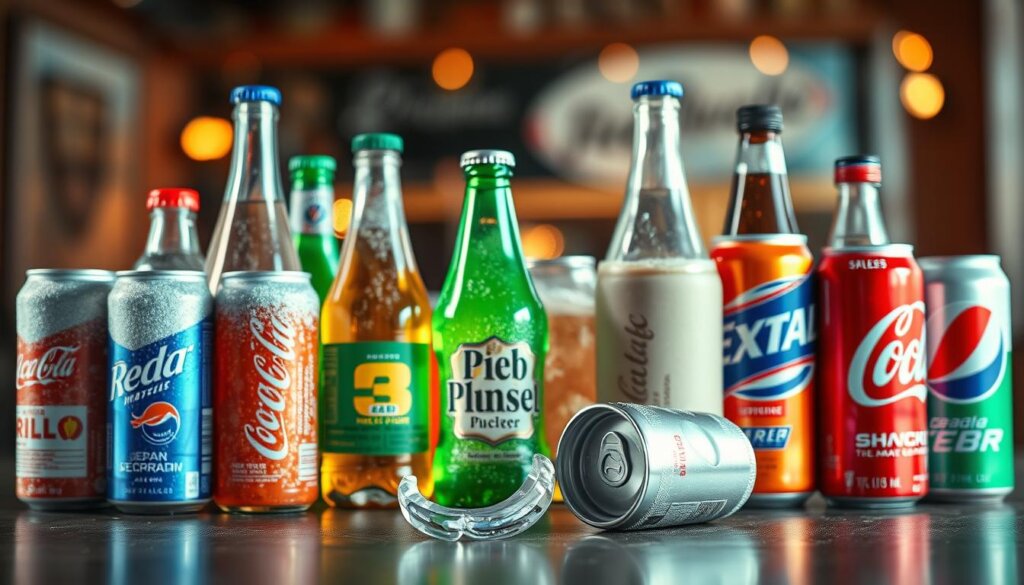
Carbonated drinks may taste good, but they can harm your aligners and teeth. The carbonation process creates acid when these drinks meet saliva. This acid problem is true for all carbonated drinks, whether they have sugar or artificial additives.
It’s important to know how these beverages to avoid with clear aligners affect your teeth. Even simple choices like carbonated water with lime can damage your teeth and cause plaque.
The Effect of Soda on Oral Health
Soft drinks are a big risk for your teeth during orthodontic treatment. They have acids that can harm your teeth and affect your treatment. The acid in soda can dissolve the minerals in your teeth.
A 12-ounce soda has a lot of sugar. This sugar feeds bad bacteria in your mouth, making more acid. This acid attack can’t be fixed by your teeth’s natural repair process.
Artificial colors in sodas also stain your teeth and aligners. Diet sodas don’t have sugar but are just as acidic. Many people think sugar-free drinks are safe, but they’re not.
For Invisalign users, drinking carbonated drinks often is a big problem. It keeps your mouth acidic for a long time. This stops your mouth from fixing itself.
Carbonated soft drinks cause several problems:
- Direct acid erosion: Phosphoric and citric acids dissolve enamel mineral crystals on contact
- Carbonic acid formation: The carbonation process itself lowers pH levels below neutral
- Bacterial acid production: Sugar content feeds harmful bacteria that generate lactic acid
- Staining compounds: Artificial colorants penetrate porous aligner material and demineralized enamel
- Reduced saliva effectiveness: Acid exposure impairs saliva’s natural protective and remineralizing functions
Alternatives to Carbonated Beverages
Choosing the right drinks during Invisalign treatment is key. Plain water is the best choice because it hydrates without harming your teeth. It also helps clean your mouth and keep your saliva flowing.
Sparkling water is a bit different. Unflavored, it’s safer than soda. But, it’s better to stick with plain water for constant hydration.
There are other ways to enjoy drinks without harming your treatment:
- Herbal teas: Enjoy unsweetened herbal teas without aligners to add flavor without risk
- Infused waters: Add cucumber or mint to water for flavor without acidity
- Milk alternatives: Try unsweetened almond or oat milk for nutrition and neutral pH
- Diluted natural juices: Mix water with juice to reduce acidity and drink it quickly
When you drink, timing is everything. Remove your aligners before drinking anything but water. This stops liquids from damaging your teeth.
After drinking, rinse your mouth well before putting your aligners back. Brushing your teeth after drinking acidic drinks is best. But, rinsing with water helps if you can’t brush right away.
Plan your drink times to help your treatment. Choose times to drink when you can remove your aligners. This way, you can enjoy different drinks while keeping your aligners on most of the time.
Stopping carbonated drinks can make a big difference. Clearer aligners mean less visible treatment. Less acid and sugar mean healthier teeth and a lower risk of cavities.
Foods That Crumble or Break
Many people worry about hard or sticky foods when they have clear aligners. But crumbly foods can also be a problem. They can make it hard to keep your teeth and aligners clean.
Crumbly foods break into small pieces when you chew. These pieces can get stuck in your teeth. This makes it hard for your aligners to fit right, which can affect how well they work.

Baked Goods with Nuts or Hard Pieces
Baked goods with nuts or seeds are tricky. They have soft parts and hard parts mixed together. This makes them hard to clean.
Items like cookies with nuts, muffins with seeds, and whole-grain breads are examples. They break into small pieces that can get stuck in your teeth. This can lead to more bacteria and problems with your teeth and gums.
These foods can also damage your aligners if you bite them while wearing them. The small pieces are hard to clean out, causing more problems.
Granola and Snack Bars
Granola bars and similar snacks are a big problem for clear aligner users. They have hard parts like nuts and seeds, sticky parts like honey, and small pieces like oats. This makes them hard to keep clean.
Many granola bars also have dried fruits that are sticky and break into small pieces. These pieces can get stuck in your teeth and gums. Foods like popcorn and chips can also damage your aligners and need careful cleaning.
It’s not about avoiding these snacks completely. It’s about knowing you need to clean your mouth very well after eating them. Just brushing might not get rid of all the small pieces.
To clean your mouth after eating granola or snack bars, you need to:
- Brush thoroughly for at least two minutes, focusing on the gum line and chewing surfaces
- Use interdental cleaning devices like floss threaders or interproximal brushes to clean between teeth
- Rinse with water several times to remove any remaining pieces
- Inspect teeth carefully in good lighting before putting in your aligners to make sure you’ve removed all pieces
- Consider using a water flosser to get rid of particles in hard-to-reach areas
Keeping your teeth and aligners clean is key to success with Invisalign. If you eat crumbly foods, you need to spend more time cleaning your mouth. This helps prevent cavities and gum problems during treatment.
Knowing which foods are harder to clean helps you make better choices. If you’re short on time, picking snacks that are easier to clean is a good idea. This helps keep your teeth and aligners in good shape during your Invisalign treatment.
Alcohol Consumption During Treatment
Drinking alcohol can be tricky for people getting clear aligners. Many adults like to drink sometimes, but it’s important to think about how it affects your teeth. Knowing how alcohol impacts your mouth helps you make choices that keep your treatment on track.
Alcohol isn’t just about sugar or stains. Different drinks affect your mouth in different ways. If you’re following Invisalign diet restrictions, it’s key to know that clear spirits, wine, and beer each have their own challenges.
The Biological Impact of Alcohol on Oral Tissues
Alcohol dries out your mouth, which is bad for your teeth. Saliva helps fight germs and keeps your mouth healthy. Without enough saliva, your mouth is more open to problems.
Drinking alcohol can make your mouth more likely to get cavities. It also makes it harder to keep your teeth and aligners clean. This can lead to serious issues during your treatment.
Many drinks have sugars that harm your teeth. Beer has sugars, wine has sugars, and mixed drinks have lots of sugar. These sugars feed the bad bacteria in your mouth.
Drinks like wine can also hurt your teeth. Wine is acidic, which can weaken your tooth enamel. Drinks with citrus can make this problem worse.
Even clear drinks like vodka can cause problems. They might look harmless, but they can help plaque grow. This is a common mistake people make.
Some drinks can stain your teeth and aligners. Drinks like red wine and dark beer have pigments that can stain. These stains can ruin the look of your clear aligners.
| Beverage Type | Primary Oral Health Concern | Secondary Risk Factor | Invisalign Diet Restrictions Impact |
|---|---|---|---|
| Red Wine | High chromogen content causing staining | Acidic pH (3.0-3.5) eroding enamel | Severe discoloration risk to aligners and teeth |
| Beer | Residual sugars feeding bacteria | Chromogen staining from darker varieties | Moderate plaque development and staining |
| Clear Spirits | Significant salivary flow reduction | Enhanced plaque formation environment | Hidden bacterial proliferation risk |
| Sweet Liqueurs | Extremely high sugar content | Sticky residue adhering to surfaces | Maximum cariogenic bacterial activity |
Practical Alternatives and Management Strategies
There are ways to drink alcohol without harming your teeth. Drinking with meals can help. This way, you don’t have to clean your mouth as much.
Drinking between meals means you need to clean your mouth more. This can be hard, as you need to brush and floss well before putting your aligners back in. This might not be easy in social situations.
There are non-alcoholic drinks you can have instead. These include:
- Sparkling water with fresh herbs like mint or basil for sophisticated flavor profiles
- Kombucha varieties with complex tastes but low alcohol content
- Non-alcoholic spirits that mimic traditional cocktails
- Herbal tea blends served over ice for refreshing drinks
After drinking, rinse your mouth with water. This helps dilute sugars and acids. It also helps keep your mouth moist.
Talking about your treatment can help in social situations. Explain your Invisalign diet restrictions to friends. Most people will understand and respect your choices.
Remember, your treatment is worth it. Changing your habits for a short time is easier than you think. Knowing why you’re doing it helps you stay motivated.
Drinking too much can harm your teeth and gums over time. But, even occasional drinking can be a problem. Drinking wisely now can help you keep your teeth healthy for years to come.
Temperature Considerations for Foods and Drinks
Many patients don’t realize how important the temperature of their drinks is for their Invisalign treatment. While most guidelines focus on what to eat and how to chew, the temperature of your drinks is just as important. The materials in Invisalign aligners can change shape when they get too hot or too cold.
Knowing about these temperature changes can help you avoid having to replace your aligners too often. The materials in your aligners work best within a certain temperature range. But if they get too hot or too cold, they can break.
Extremely Hot or Cold Items
Hot drinks are the biggest danger to your aligners. Coffee and tea are usually too hot for your aligners. They can get damaged if they touch hot liquids for even a short time.
Even tap water can be too hot for your aligners. It’s best to avoid using hot water to clean them. This is because the materials in your aligners can’t handle high temperatures.
Safe temperature guidelines include:
- Only drink cold or room temperature water with your aligners in.
- Let hot drinks cool down before drinking them, even if you take out your aligners.
- Don’t put your aligners near heat sources like radiators or sunny windowsills.
- Use cool or lukewarm water for cleaning your aligners.
- Take out your aligners before eating or drinking anything hot.
Cold foods and drinks can also be a problem. They can make your teeth feel sensitive. This is because your teeth are already moving a bit when you have aligners.
Cold temperatures don’t usually damage your aligners. But sudden changes in temperature can cause tiny cracks over time. Try to let frozen foods and drinks get closer to room temperature before eating or drinking them.
How Temperature Affects Aligners
The way aligners change shape is due to the movement of tiny molecules. These molecules are arranged in a special way in the materials used for Invisalign. At body temperature, these materials stay stable and work well.
When it gets hotter, the molecules move more. This makes the material bend and warp. Thin parts of the aligner are more likely to bend because they don’t have enough strength.
This bending messes up the way the aligners move your teeth. Orthodontic treatment needs precise movements to work right. If the aligners bend, they can’t move your teeth as planned.
Warped aligners can’t move your teeth the way they should. The exact way the aligners move your teeth is based on their shape. If they bend, they can move your teeth in the wrong way.
Damage from heat can cause problems beyond just not moving your teeth right. You might have to get new aligners, which costs money and takes time. Getting new aligners can take 1-2 weeks.
Material science considerations for eating with Invisalign trays:
- Heat distortion temperature defines maximum safe thermal exposure
- Polymer chain networks lose rigidity above glass transition temperature
- Localized heating creates uneven deformation patterns
- Thermal cycling (repeated heating and cooling) accelerates material fatigue
- Body temperature represents optimal operational range for aligner materials
If you accidentally get your aligners too hot, check them carefully. Look for any bending or warping, which can be seen when you hold them up to light. If you see any damage, you need to see your orthodontist right away.
It’s better to prevent damage than to try to fix it. Using a thermometer to check the temperature of your drinks can help. Waiting a few minutes after pouring hot drinks can also help them cool down enough to be safe.
Being careful about the temperature of your drinks is important. It helps your treatment go smoothly and on time. Simple steps to avoid heat damage can save you from having to deal with problems that could make your treatment last longer.
Soft Foods That Are Safe to Eat
Invisalign aligners are removable, giving patients freedom to eat soft, nutritious foods. This is different from traditional braces, where diet changes are permanent. With Invisalign, you can eat without worrying about food getting stuck in your teeth.
Knowing what foods to avoid with Invisalign is important. But, it’s also good to know what you can eat. Eating soft, nutrient-rich foods helps keep you healthy and supports your orthodontic treatment. Choose foods that are easy to clean and don’t need a lot of chewing.
Incorporating Soft Proteins
Proteins that are easy to chew are great for Invisalign treatment. They don’t trap food particles and don’t have harmful sugars or acids. Protein is important for tooth movement because it helps the periodontal ligament heal and rebuild.
Here are some soft protein options:
- Eggs prepared through various methods – scrambled, poached, or soft-boiled eggs provide complete amino acid profiles with minimal texture complexity
- Tender fish varieties – cod, tilapia, and salmon offer flaky textures along with omega-3 fatty acids beneficial for reducing inflammation
- Well-cooked legumes – lentils, split peas, and soft beans deliver plant-based protein combined with dietary fiber
- Greek yogurt and cottage cheese – these dairy options provide protein along with probiotics potentially beneficial for oral microbiome balance
- Tofu and tempeh – plant-based proteins prepared in soft preparations work well for vegetarian patients
- Slow-cooked meats – tender meats that achieve soft consistency through collagen breakdown during extended cooking
These proteins offer variety and support tooth movement. You can switch between them to keep your diet interesting during treatment.
Delicious Options for Smoothies
Smoothies are a great choice for Invisalign patients. They’re easy to drink and don’t trap food particles. Smoothies can be made with many ingredients to make a complete meal.
Here are some good smoothie ingredients:
- Protein sources – protein powder, Greek yogurt, or silken tofu provide essential amino acids
- Fruits for vitamins – berries, bananas, and mangoes offer natural sweetness and micronutrients, though awareness of sugar content remains important
- Vegetables for nutrients – spinach, kale, and cucumber add vitamins without significantly altering flavor profiles
- Healthy fats – avocado, nut butters, and chia seeds contribute to satiety and nutrient absorption
- Liquid bases – milk, plant-based alternatives, or water create the desired consistency
It’s best to drink smoothies as a full meal. This way, they can reach all parts of your mouth. This is important because solid foods might not get to all areas.
Make sure to rinse or brush your teeth after drinking smoothies before putting in your aligners. This helps protect your teeth from acid and sugar. It keeps your teeth healthy while you enjoy your smoothies.
Recommended Hydration
Choosing the right drinks during Invisalign treatment is key. It keeps your aligners in good shape and your mouth healthy. Knowing which drinks are safe helps avoid problems and supports your body’s healing.
Best Beverages for Invisalign Patients
Plain water is the only safe drink for wearing aligners. You can drink cold or room temperature water without taking out your aligners. This includes tap, filtered, and bottled water without additives.
Water is perfect for aligners because it’s neutral and doesn’t harm your teeth. It also doesn’t let bacteria grow under the aligners.
Knowing what drinks to avoid with clear aligners helps you make better choices. All drinks except plain water need you to take out your aligners first. This includes flavored water, vitamin water, and sparkling water.
When you remove your aligners, you can drink more things. But, you should think carefully about what you choose:
- Milk and plant-based alternatives: They’re good for your bones but need good oral care because of sugar and lactose
- Herbal teas without added sugars: Safe if they’re not too hot and you rinse well, they might also be good for you
- Freshly squeezed vegetable juices: Good for you but be careful because they’re acidic and have sugar
- Protein shakes: Good for nutrition but brush your teeth right away before putting your aligners back on
Even safe drinks without aligners need good oral care. Brush and rinse well before putting your aligners back in to avoid bacteria and food particles.
The Importance of Water
Water does more than just hydrate you during orthodontic treatment. It helps your teeth move properly and keeps your mouth healthy.
Adults should drink 2 to 3 liters of water a day. How much you need depends on your size, activity level, and climate. Drinking enough water helps keep your mouth moist and protects your teeth.
Saliva is important for your mouth health. It helps fight acids, remineralize teeth, and stop bacteria. Drinking enough water keeps your saliva flowing well, which is good for your teeth and gums.
Water has many benefits for Invisalign patients:
- It cleans your mouth naturally
- It helps with inflammation and tooth movement
- It prevents dry mouth, which can lead to cavities and gum disease
- It supports bone and tissue changes
- It helps your body handle the treatment’s heat
Drinking fluoridated water is also good for your teeth. It helps keep your teeth strong and prevents cavities. This is very important during orthodontic treatment when your teeth are more at risk.
It’s important to choose safe water for your treatment. Use filtered or bottled water that meets EPA standards. If you use well water, make sure it’s tested regularly for safety and fluoride.
| Beverage Type | With Aligners | Without Aligners | Post-Consumption Care |
|---|---|---|---|
| Plain Water (cold/room temp) | Safe – Recommended | Safe – Recommended | None required |
| Milk & Dairy Alternatives | Not Recommended | Acceptable with caution | Brush and rinse before reinsertion |
| Herbal Tea (unsweetened) | Avoid | Acceptable when cooled | Rinse thoroughly, brush if possible |
| Soft Drinks & Juices | Avoid | Not Recommended | Brush and rinse mandatory |
| Alcohol & Carbonated Drinks | Avoid | Not Recommended | Brush, rinse, wait 30 minutes before reinsertion |
Planning your hydration is key for a successful treatment. Drinking enough water helps avoid problems and keeps your aligners fitting well. Keep a water bottle with you to remind you to drink enough and to help the environment.
Maintaining Oral Hygiene
Keeping your mouth clean with Invisalign is key. Food bits can get stuck between your teeth and gums. Saliva helps clean some of it, but not all.
When you put your Invisalign trays back in without cleaning, food stays trapped. This can lead to cavities and gum disease. Cleaning your mouth well is very important to avoid problems during orthodontic treatment.
The Essential Practice of Brushing After Every Meal
For Invisalign users, brushing after meals is a must. This stops food from getting stuck and causing bacteria to grow. Brush after every meal or snack before putting your aligners back in.
The modified Bass technique is best for cleaning teeth with Invisalign. It cleans the area where plaque builds up. Make sure to brush all surfaces well.
Focus on these areas when brushing:
- Facial surfaces: Outer tooth surfaces facing the cheeks and lips
- Lingual surfaces: Inner tooth surfaces facing the tongue and palate
- Occlusal surfaces: Chewing surfaces where food particles commonly lodge
- Interproximal areas: Spaces between teeth requiring special attention
Brush for at least two minutes. Use a soft-bristled brush to avoid damaging your teeth, which can happen if your enamel is soft after eating acidic foods.
Wait 30-60 minutes after eating acidic foods to let your teeth harden again.
This waiting time can be hard for Invisalign users. Try rinsing with water first, then brush when you can. You can also use toothpaste with fluoride and calcium phosphate to help your teeth.
Cleaning between your teeth is also important. Brushing only removes about 60% of plaque. Use floss or interdental brushes to get to the areas your toothbrush can’t.
Water Rinsing as a Critical Secondary Measure
Water rinsing is not a replacement for brushing and flossing but helps a lot. It removes food, dilutes acids, and helps your mouth get back to a neutral pH. Water rinsing is very helpful when you can’t brush right away.
To rinse effectively, follow these steps:
- Use enough water, about 20-30 milliliters
- Swish vigorously to dislodge particles
- Do this several times for a good clean
- Brush as soon as you can for a complete clean
If you can’t brush, rinsing with water is the next best thing. This helps protect your teeth until you can brush properly. Antibacterial mouthwashes can also help, but they shouldn’t replace brushing and flossing.
Brush and floss before putting your aligners back in. Clean your aligners with a soft-bristled toothbrush and clear antibacterial soap. Avoid using hot water to clean your aligners, as it can warp the plastic.
Don’t use harsh chemicals that can damage your aligners or irritate your mouth. Clean your aligners gently to keep them in good shape and your mouth healthy. Choosing the right foods and keeping your mouth clean will help your Invisalign treatment go well and keep your teeth healthy.
Tips for Managing Your Diet
Starting an Invisalign diet is easier with good meal timing and aligner care. It’s not just about avoiding bad foods. It’s about making habits that help you stick to treatment and stay healthy. Knowing how to plan meals and manage aligners makes these rules easier to follow.
Invisalign only works when worn for at least 22 hours a day. This leaves about two hours for eating and cleaning your teeth. It’s easy to lose track of time, making it hard to follow the rules.
Planning Meals Ahead
Planning meals ahead is key to success with Invisalign. By thinking about your meals, you avoid bad choices that can hurt your treatment. Good planning helps in many ways.
Having fewer meals means more time for your aligners. Eating three meals a day instead of snacking helps. Each time you take out your aligners, you need to brush and floss before putting them back in.
Cooking healthy foods in advance makes mealtime easier. Soft proteins and veggies are great options. This way, you always have healthy food ready.
Plan meals around your day to stay on track. Eat when you can clean your teeth properly. This helps you follow the treatment plan better.
It’s important to eat well even with diet changes. Make sure you get all the nutrients you need. If you’re worried, talk to a dietitian for help.
Remember, diet changes can affect your mood. Use apps or journals to track your progress. Celebrate your successes and look forward to the end result.
- Tracking compliance through apps or journals
- Celebrating milestones like finishing an aligner set
- Visualizing treatment outcomes with before-and-after photos
- Connecting with support communities for encouragement
Knowing When to Remove Aligners
Knowing when to take out your aligners is key. You need to wear them for 22 hours a day. This helps your teeth move properly.
It’s easy to forget to put your aligners back in. Try to eat all at once and put them back right after cleaning your teeth. This way, you meet the 22-hour goal.
Missing the 22-hour goal can slow down your treatment. Sticking to the schedule helps you get the best results.
Here are some tips for managing aligner wear:
- Set reminders for when to put your aligners back in
- Use meal duration limits for eating and cleaning
- Keep aligner cases handy in places like your purse or desk
- Make taking out aligners a habit by doing it in the same order every time
Social events can be tough with Invisalign. Plan ahead for meals and events. This way, you can enjoy yourself without hurting your treatment.
Knowing when to take out your aligners helps you balance social life and treatment. This knowledge makes managing your aligners a part of your daily routine. It supports your treatment success and quality of life during orthodontic treatment.
Conclusion: Making Smart Choices
Getting the most out of Invisalign treatment means following certain rules. These rules are not as strict as those for traditional braces. You can take out your aligners to eat, making it easier than with fixed braces.
Key Dietary Restrictions
Knowing which foods are off-limits helps you stay on track. Hard foods like nuts and candies can harm your teeth and the aligners. Sticky foods, like caramel, and chewing gum, can also mess with the fit of your aligners.
Some foods, like coffee and red wine, can stain your aligners. Drinks with sugar can lead to more bacteria. Acidic foods can damage your enamel. And, extreme temperatures can change the shape of your aligners.
Empowering Patient Success
Making these changes is a short-term effort for a better smile in the long run. Invisalign lets you eat almost any food if you plan ahead and keep your teeth clean. At first, following these rules might seem hard, but it becomes second nature.
Talking openly with your orthodontist helps tailor your treatment to your needs. By following science-backed advice, you play a key role in getting the smile you want. Keeping your teeth clean and choosing the right foods makes your treatment smooth and successful.

