How Can I Ensure a Repaired Tooth Doesn’t Break Again? Prevention Guide
Did you know nearly 30% of dental restorations fail within five years? This shows how important it is to take care of your teeth after dental work. Keeping your teeth strong starts with your daily habits and choices.
A tooth fixed with bonding, a crown, or veneer can last for years. But, it can break again if the original problem isn’t fixed. This guide will help you learn how to protect your dental work.
We’ll look at how dental materials work, the impact of biting forces, and lifestyle effects. This article will give you a complete plan for caring for your teeth after a repair. We’ll cover everything from understanding tooth repairs to daily care tips and spotting early signs of trouble.
Our aim is to give patients and dentists the knowledge to make a fixed tooth strong again. Remember, a tooth’s strength depends on the care it gets.
Key Takeaways
- Proactive habits can significantly reduce the risk of future damage to dental restorations.
- Avoid chewing on hard items to protect your dental work.
- Wearing a mouthguard during sports can prevent injuries to repaired teeth.
- Regular dental visits are essential for addressing issues like decay or grinding.
- Understanding the biomechanics of dental materials can help in making informed choices.
Understanding Tooth Repairs and Their Durability
To keep a repaired tooth in good shape, it’s key to know about the different tooth repair options. Each method has its own benefits and challenges, affecting how long it lasts. This info helps in preventing problems and keeping your dental work lasting for years.
Types of Tooth Repairs
There are several types of tooth repairs, each for different dental problems:
- Dental Bonding for Small Chips: This method uses a tooth-colored resin to fix small chips. The dentist shapes the resin to fit the tooth, then hardens it for a strong bond.
- Crowns for More Serious Breaks: A crown is a custom-made cover for the whole tooth. It restores shape, size, and strength. It’s needed for teeth with big damage.
- Veneers to Restore Front Teeth: Veneers are thin, custom shells for the front teeth. They improve looks and protect the teeth.
- Root Canals for Deep Breaks: For deep fractures, a root canal removes damaged pulp. It cleans the tooth inside and seals it. This can save a tooth from needing to be pulled.
How Tooth Repairs Work
It’s important to know how these repairs work to keep them strong. Dental bonding sticks to the tooth through tiny mechanical bonds. But, it can chip under too much pressure.
Crowns offer full protection, but their success depends on how well they fit. Root canal therapy keeps the tooth but makes it more prone to breaking. So, a crown is often needed for support.
Factors Affecting Repair Longevity
The life of a tooth repair depends on three main things:
- Material Properties: The strength of the repair material is key to its durability.
- Clinician’s Technique: The dentist’s skill and precision greatly impact the repair’s success.
- Patient-Specific Variables: Things like grinding teeth, diet, and saliva pH can affect how long a repair lasts.
In short, knowing about tooth repairs and how they work can help them last longer. Remember,
“An ounce of prevention is worth a pound of cure.”
By understanding what affects repair durability, you can take steps to keep your teeth healthy.
The Importance of Regular Dental Check-Ups
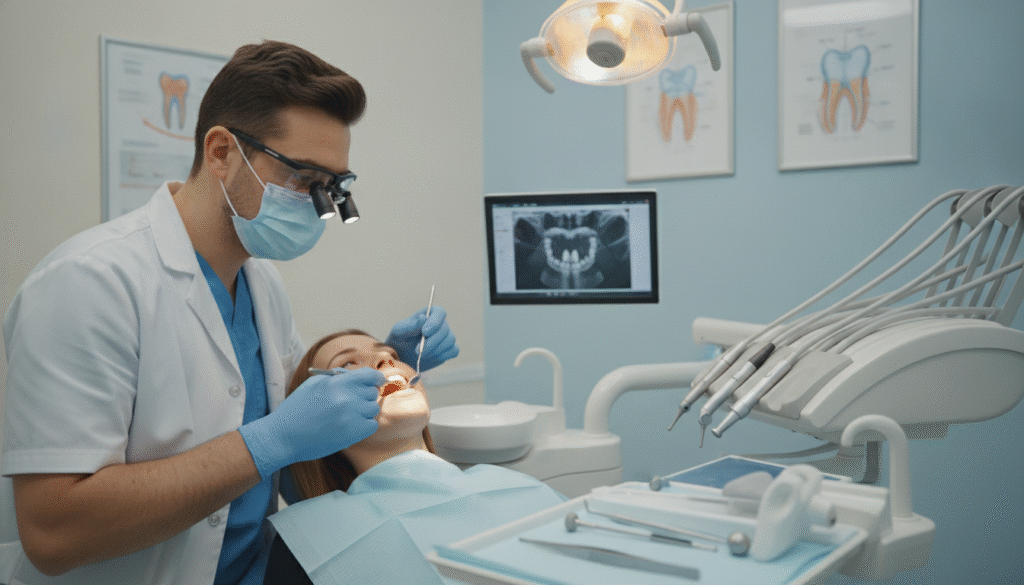
Regular dental check-ups are key to keeping repaired teeth healthy. These visits let dental experts check how well repairs are working. They can spot any problems early on.
Dentists use special tools during these visits. Tools like transillumination and bite-wing radiographs help find hidden issues. They can catch small cracks or early signs of tooth decay before they get worse.
Professional Assessments
Professional assessments are vital for dental care after tooth repair. Dentists do detailed checks to make sure the repair is working right. They look for any changes that might need attention.
People who grind their teeth or are prone to cavities might need to see the dentist more often. A regular schedule can help keep their teeth healthy for longer.
Early Detection of Issues
Finding problems early is important to keep the repair and tooth healthy. Dentists can fix small issues without causing more harm. This saves time, money, and pain.
While regular check-ups might seem expensive, they’re worth it. They help prevent big problems and keep your teeth healthy for years to come.
Maintaining Good Oral Hygiene Practices
To keep your teeth fixed for a long time, you need to take good care of them. A regular routine helps protect your teeth and keeps your mouth healthy. Here are some important habits to add to your daily routine.
Daily Brushing and Flossing
Brush your teeth twice a day with a soft toothbrush and fluoride toothpaste. Each time, brush for at least two minutes, paying special attention to where your teeth and fillings meet. Flossing is also key; it gets rid of plaque and food bits that your toothbrush might miss.
For people with crowns or bridges, using superfloss or interdental brushes is helpful. These tools clean under the crowns and around the bridge posts. This helps stop plaque from building up, which can cause more cavities and damage your restorations.
The Role of Mouthwash
Mouthwash does more than just make your breath smell good. It helps keep your mouth clean. Mouthwashes with chlorhexidine or cetylpyridinium chloride kill bacteria. Fluoride mouthwashes also help strengthen your teeth, making them less likely to decay.
Food Choices Impacting Oral Health
What you eat affects your teeth. Eating too many sugary foods can make your mouth too acidic, which harms your fillings. But eating lots of veggies helps keep your mouth healthy by making more saliva. Saliva helps neutralize acids and gives your teeth the minerals they need to stay strong.
Choosing the right foods is as important as brushing and flossing. What you eat can either help or hurt your dental health.
| Food Type | Impact on Oral Health | Recommendations |
|---|---|---|
| Fermentable Carbohydrates | Increase acidity, leading to enamel erosion | Limit intake, specially sugary snacks |
| Fibrous Vegetables | Stimulate saliva production, buffer acids | Include in daily meals |
| Dairy Products | Provide calcium and phosphate for remineralization | Opt for low-fat options |
In summary, good oral hygiene practices can make your fixed teeth last longer. By brushing, flossing, using mouthwash, and eating right, you create a healthy environment for your teeth.
Tips for Caring for a Repaired Tooth
Looking after a repaired tooth is key. Simple choices every day can make a big difference. Knowing what to avoid helps keep your teeth fixed and working well for years.
Avoiding Hard Foods
Eating hard foods can harm repaired teeth. Things like ice cubes, hard candies, and nut shells are too tough. They can cause cracks, which are hard and expensive to fix.
Here are some tips to help:
- Cut firm foods into smaller pieces.
- Chew deliberately, avoiding the repaired side when possible.
- Avoid using teeth as tools to open packages or crack nuts.
Experts say, “Avoid chewing on hard items, wear a mouthguard for sports.” This keeps your tooth safe from damage during sports.
Staying Away from Sugary Snacks
Sugary snacks are bad for teeth in two ways. They feed bacteria that cause cavities and make teeth weak. Sticky sweets can also damage temporary fixes or crowns.
Here’s how to protect your tooth:
- Rinse with water after sugary snacks.
- Wait at least 30 minutes before brushing to allow enamel to reharden.
Grinders need a custom night guard. It spreads out forces and saves the tooth from wear. By sticking to these habits, you can make your fixed tooth last longer.
Common Myths About Repaired Teeth
Misinformation about repaired teeth can cause harm. Many people think these teeth are super strong. But, knowing the truth is key for good care.
One big myth is that crowned or root-canal-treated teeth can’t break. While crowns protect well, the tooth inside can crack under too much pressure. Also, the crown can chip or fall off over time. This myth makes people think their teeth are stronger than they are.
Another myth is that teeth fixed with crowns don’t need to be cleaned. But, the area where the crown meets the tooth can trap plaque. Without good cleaning, decay can sneak back in, causing bigger problems. Keeping up with oral hygiene is important, even with fixed teeth.
Some think if a fixed tooth doesn’t hurt, it’s fine without check-ups. But, cracks can form without pain, leading to serious breaks. Knowing the risks means understanding that all fixes have a limited life. Taking care of the whole tooth and fix is essential.
Protecting repaired teeth means fighting these myths with facts. This means regular dentist visits and daily care. A fix is only good if the tooth it’s on is healthy.
The Role of Dental Products in Protection
Dental products are key to keeping teeth fixed in place. Choosing the right ones can make your dental work last longer. Knowing your options helps keep your mouth healthy.
Choosing the Right Toothpaste
Not all toothpastes are the same. Look for ones with stannous fluoride or sodium fluoride at high levels. These strengthen your teeth by making them more resistant to decay.
If your teeth hurt after a fix, try toothpaste with potassium nitrate or arginine. For people with many fillings, pick a toothpaste that’s gentle on teeth. It should have a relative dentin abrasivity (RDA) under 70.
Benefits of Dental Sealants
Dental sealants protect teeth and the edges of fillings, mainly for those at high risk of cavities. They block bacteria from getting in, keeping your dental work safe.
If a filling breaks before you can see a dentist, use over-the-counter fillers or dental wax. They’re not a permanent fix but can help until you can get to a dentist.
For sports fans or those who grind their teeth at night, mouthguards are a must. You can choose from stock, boil-and-bite, or custom-made guards. They all help protect your teeth from damage.
Using the right dental products is a big step in caring for your teeth. It’s a way to keep your dental work in top shape between dentist visits. This helps your teeth stay strong and healthy.
Lifestyle Habits That Influence Tooth Longevity
Your daily habits are key to keeping your teeth healthy for longer. Knowing how lifestyle choices affect your mouth can help you make better choices. Here are some important factors to think about:
Avoiding Tobacco Products
Tobacco use harms your mouth in many ways. It makes your mouth dry, which leads to cavities and gum disease. Nicotine also slows down healing after dental work.
“Grinding or clenching your teeth … This habit places an immense amount of pressure on your teeth … causing tiny cracks to form.”
Impact of Alcohol Consumption
Drinking too much alcohol can dry out your mouth and wear away your enamel. It can also lead to nutritional problems that weaken your teeth. Drinking less alcohol helps keep your mouth healthy and your dental repairs lasting longer.
Hydration’s Role in Oral Health
Drinking enough water is essential for good oral health. Water helps make saliva, which fights cavities. It also helps replace minerals and fights bacteria.
Try to drink water all day, and avoid drinks that dry you out like caffeine. Also, stop habits like biting your nails or chewing pens to protect your teeth.
For more tips on keeping your mouth healthy, consider getting a dental exam and cleaning.
The Importance of a Balanced Diet
Eating right is key to keeping your teeth strong. A healthy diet supports your overall health and helps your dental work last longer. Foods rich in nutrients can make your teeth stronger and less likely to decay.
Nutrients for Strong Teeth
There are several nutrients that help keep your teeth healthy:
- Calcium: It’s essential for strong enamel. You can find it in dairy, leafy greens, and plant milks with added calcium.
- Vitamin D: It helps your body absorb calcium. Without enough, you might get more cavities and gum disease.
- Vitamin C: It’s good for collagen, which keeps gums and dentin healthy.
- Vitamin K2: It directs calcium to your bones and teeth, making them stronger.
Eating these nutrients can help strengthen your teeth. It also helps your natural tooth structure, which is important for any dental work.
Foods to Avoid
Some foods can harm your repaired teeth:
- Sugary and starchy foods: Things like candies, pastries, and chips can harm your enamel because of the acids they produce.
- Acidic beverages: Drinks like sodas, citrus juices, and sports drinks can damage both your natural teeth and dental work.
- Sticky dried fruits: They might seem healthy, but they can stick to your teeth and cause acid damage.
To keep your mouth healthy, eat whole foods and avoid snacking too much. Eating cheese or nuts after meals can help keep your mouth’s pH balanced. This protects your teeth.
How to Manage Tooth Sensitivity After Repair
Tooth sensitivity after a dental repair is common. Knowing why it happens helps manage it better. Sensitivity can come from metal restorations, gaps at the adhesive, or inflammation from the repair.
Exposed dentinal tubules near the restoration can also cause sensitivity. This is because fluid movement in these tubules can trigger nerve responses.
Understanding Sensitivity Causes
Several factors contribute to tooth sensitivity after a repair:
- Thermal Sensitivity: Changes in temperature can affect metal-based restorations.
- Microleakage: Gaps at the adhesive interface may allow irritants to enter.
- Pulpal Inflammation: Trauma from the preparation process can lead to sensitivity.
- Exposed Dentin: Areas near the restoration may have exposed tubules.
Remedies and Treatments
Managing sensitivity can be done at home or with professional help. At home, you can:
- Use desensitizing toothpastes to block neural transmission.
- Rinse with warm salt water for mild antiseptic and soothing effects.
- Take over-the-counter analgesics like ibuprofen or acetaminophen to alleviate discomfort. Avoid placing aspirin directly on the gums to prevent chemical burns.
If sensitivity lasts more than a few weeks, professional treatments may be needed. Options include:
| Treatment Type | Description | Effectiveness |
|---|---|---|
| Fluoride Varnish | Applied to strengthen enamel and reduce sensitivity. | High |
| Dentin Bonding Agents | Seals exposed tubules to reduce sensitivity. | Moderate |
| Laser Desensitization | Uses laser technology to alleviate sensitivity. | High |
It’s important to tell the difference between normal sensitivity and pain that might mean a problem like pulpal necrosis or a cracked tooth. Such issues need quick attention. By tackling sensitivity early, patients can stay comfortable while their tooth heals.
Recognizing Signs of Possible Problems
Spotting early signs of dental issues can stop bigger problems later. People who’ve had tooth repairs should watch for certain symptoms. These signs might mean the repair has failed.
Pain and discomfort are common signs. A sharp pain when biting, called “rebound pain,” could mean a cracked tooth or a loose repair. This pain goes away quickly when you stop biting. Also, if food feels too hot, cold, or sweet, it might mean a bigger problem.
A dull, throbbing ache that gets worse at night is another sign. It could mean the pulp inside the tooth is dying or there’s a bigger issue. Feeling tender around the tooth is also a warning sign.
Changes in how your teeth fit together are important too. If a tooth feels too high or doesn’t fit right, it might mean the repair has failed. Feeling a rough edge with your tongue or noticing how floss moves differently is also a sign. These changes need to be checked by a dentist right away.
Ignoring these signs can lead to bigger problems. Bacteria can get in and cause more decay. Catching problems early helps keep your tooth healthy and makes fixing it easier.
| Signs | Possible Issues | Recommended Action |
|---|---|---|
| Sharp pain when biting | Cracked tooth or debonding | Consult a dentist immediately |
| Lingering sensitivity | Microleakage or pulpitis | Schedule a dental check-up |
| Dull ache at night | Pulpal necrosis | Seek urgent dental care |
| Changes in bite | Cement failure or fracture | Visit your dentist for assessment |
Preventive Treatments to Consider
To keep teeth fixed, it’s key to look into preventive treatments. These help make repairs last longer and lower the chance of future problems. Dental crowns and bridges, along with root canals, play big roles in keeping teeth healthy.
Dental Crowns and Bridges
For a tooth with a big break or weakened by decay, a dental crown is a great choice. A crown protects the tooth and makes it work like new. It covers the tooth with strong materials like zirconia or lithium disilicate, spreading out forces evenly. This stops the tooth from breaking further.
Bridges help when teeth are missing. They keep the jaw’s shape and stop other teeth from moving. This is key for keeping the mouth healthy.
Root Canals and Their Necessity
If a break goes deep enough to hit the pulp, a root canal might be needed. This treatment saves a damaged tooth and stops the need for pulling it out. Root canal therapy is really a preventive step. It removes bad tissue and seals the tooth, making it ready for a crown.
Without a root canal, a cracked tooth with pulp damage will split and need to be pulled. So, getting these treatments early is not giving up. It’s a smart move to keep your natural teeth for longer.
The Role of Dental Insurance
Dental insurance is key to managing dental costs. It helps patients follow recommended care plans. Most plans in the U.S. cover two check-ups, cleanings, and X-rays each year at 100%.
These visits are vital for checking on repaired teeth and catching problems early. For restorative work like crowns and root canals, coverage is lower, usually 50% to 80%. Even a small amount of coverage can help a lot.
Patients should know about their plan’s yearly limit, deductible, and waiting times for big services. If you don’t have insurance, many dental offices have membership plans or financing. These options can make dental care more affordable.
Using dental insurance wisely can turn dental care into a smart investment. By using insurance and other financial options, patients can keep their teeth healthy for longer. This not only makes repairs last longer but also improves overall dental health.
When to Contact Your Dentist
Keeping your teeth healthy after dental work is very important. Knowing when to see a dentist can help a lot. Some signs mean you need to see a dentist right away.
Recognizing Urgent Situations
Severe pain or swelling in your face could mean an abscess. If a filling comes out, leaving sharp edges, you need to see a dentist fast. Losing a tooth or feeling pain when biting means you need help right away.
Ignoring these signs can make things worse. It can also cause more problems with your teeth.
Follow-Up Appointments Importance
Going back to the dentist for check-ups is very important. After getting a crown or a root canal, these visits help your dentist see how things are going. They can spot any problems early and fix them.
Going to these appointments helps your teeth last longer. It keeps them working well and feeling good for years.
Talking openly with your dentist is important. By catching problems early and getting help fast, you can keep your teeth healthy. Working together with your dentist is the best way to keep your teeth in great shape.