How Long Can I Wait Before It’s “Too Late” to Replace a Tooth?
Did you know nearly 70% of adults lose teeth by age 44? This fact shows how common tooth loss is. Many people wonder if it’s too late to replace a tooth after losing it.
Life gets busy, and dental care can fall by the wayside. But, knowing when to act is key for good oral health. Losing a tooth is more than just a cosmetic issue. It can affect your health if not treated quickly.
We’ll look into how long you can wait to replace a tooth. We’ll talk about what happens in your mouth after tooth loss, like bone shrinking and changes in how teeth fit together. Even with modern dentistry, acting fast is the best choice. It helps stop more problems and keeps your mouth healthy.
Let’s explore the effects of tooth loss and the options for fixing it. We aim to give you the info you need to make smart choices about your teeth.
Key Takeaways
- Tooth loss affects a significant percentage of adults, highlighting the need for timely action.
- Understanding the biological consequences of waiting is critical for oral health.
- Modern dentistry offers many ways to fix teeth, but acting early is essential.
- Alveolar bone resorption can happen fast after tooth loss, affecting future treatments.
- Empower yourself with knowledge to make informed decisions about dental health.
Understanding Tooth Loss
It’s key to know why teeth fall out to keep our mouths healthy. This part will explore the main reasons for tooth loss and how it affects our health.
Common Causes of Tooth Loss
Tooth loss comes from different things, like:
- Trauma: Sudden injuries, like accidents or sports injuries, can cause teeth to fall out right away.
- Severe Decay: If cavities aren’t treated, they can get worse and need to be pulled.
- Periodontal Disease: Long-term gum infections can make teeth weak and fall out.
- Endodontic Failure: Problems from root canal treatments can also lead to tooth loss.
These reasons show why regular dental visits and quick action are so important. The American Dental Association says losing a tooth can start changes in the bone. This happens because the bone doesn’t get the support it needs from the teeth.
Impact on Overall Health
When you lose a tooth, it can affect your health in big ways. You might eat differently, which can lead to not getting enough nutrients. Also, missing a tooth can make you feel less happy with your life.
New studies show that not fixing gaps in teeth can lead to bigger health problems. These include heart disease and diabetes. This shows that losing a tooth is not just about looks. It’s a serious health issue.
Importance of Timely Tooth Replacement
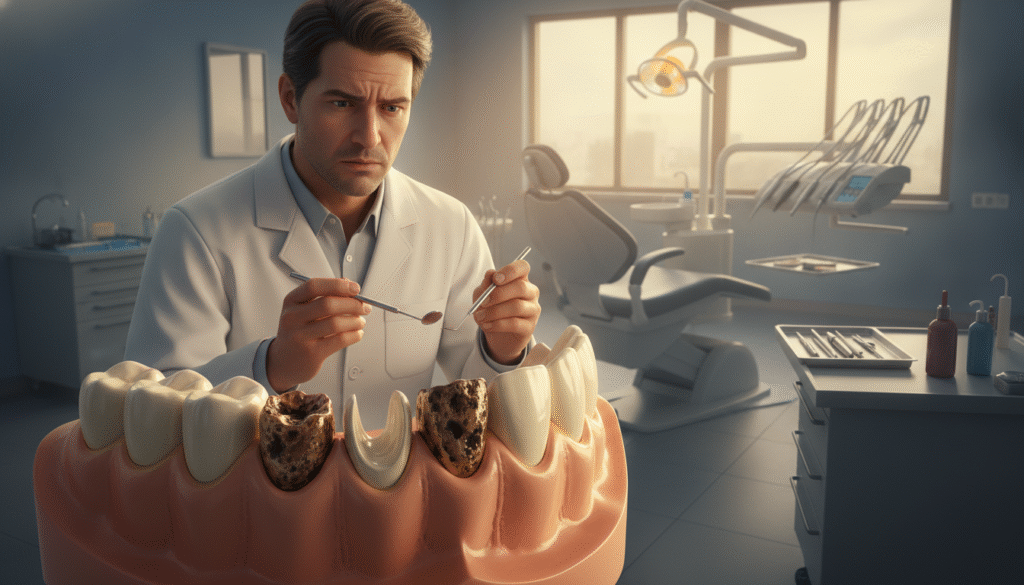
Acting quickly after losing a tooth is key to avoid more problems. Replacing a tooth is not just about looks. It’s also important for your mouth’s health. It helps keep the jawbone strong and teeth in line.
Delaying tooth replacement can cause issues. Teeth next to the gap may start to move. This can mess up your bite and cause pain. The tooth on the other side might grow too long without the opposing force. Bone loss can also start, making your jaw weaker.
Short-Term Consequences
Not replacing a tooth quickly may seem minor at first. But, it can lead to big problems. Your teeth might not line up right, causing more dental issues. The longer you wait, the more you might need to do before getting an implant.
Long-Term Consequences
Waiting too long to replace a tooth can lead to serious problems. Bone loss can cause your jaw to collapse. This affects how you chew and changes how you look. It can also hurt your TMJ, leading to jaw pain and trouble.
In short, replacing a tooth quickly is very important. It helps keep your mouth healthy and avoids more complicated surgeries later.
Factors Influencing Tooth Replacement Timing
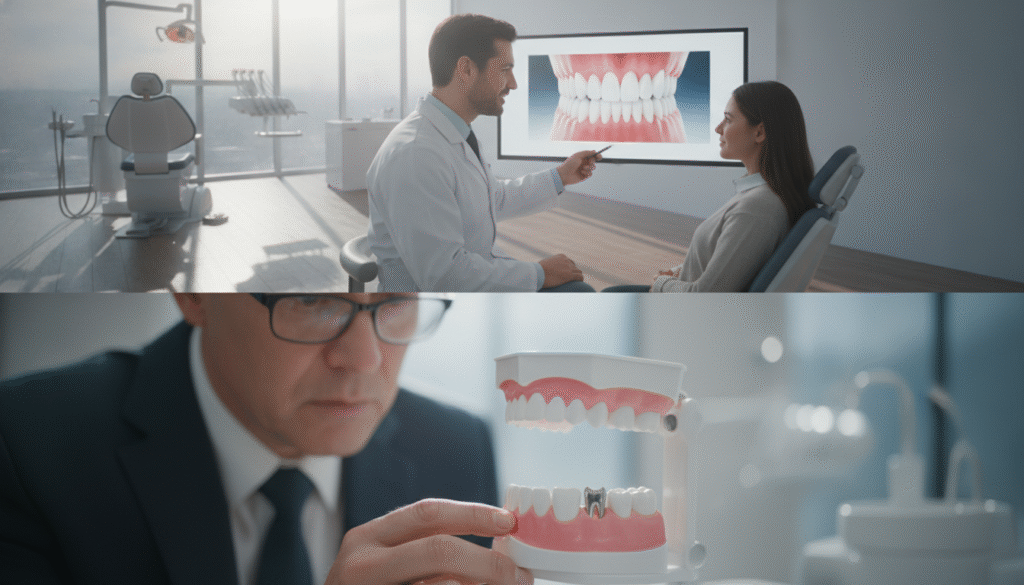
Choosing the right time for tooth replacement depends on many factors. These factors differ from person to person. Knowing them helps make better dental care choices. The timing of tooth replacement affects both oral health and overall well-being.
Age and Health Status
Age and health status are key in deciding when to replace a tooth. Younger people usually heal faster than older ones. Health issues like diabetes can make healing harder.
For example, someone with controlled diabetes might heal better than someone with uncontrolled diabetes. Lifestyle choices, like smoking, can also slow down healing. Advanced imaging techniques help check bone density and health, making the replacement plan more precise.
Type of Tooth Lost
The type of tooth lost affects the replacement timeline. Losing a single-rooted incisor is different from losing a multi-rooted molar. Each tooth has its own function and impact on bone volume.
Replacing a molar might need more planning and possibly bone grafting. This ensures the new tooth has enough support.
Position of the Tooth
The tooth’s position in the mouth is also important. Missing teeth in the back can cause functional problems and bone loss. Front teeth affect looks and speech, making their replacement critical.
In summary, a personalized approach is essential for tooth replacement timing. Using advanced imaging and considering each patient’s unique factors helps dental professionals create a precise treatment plan.
| Factor | Influence on Timeline | Considerations |
|---|---|---|
| Age | Younger patients heal faster | Health conditions may vary |
| Health Status | Controlled conditions favor healing | Smoking can hinder recovery |
| Type of Tooth | Single vs. multi-rooted impacts complexity | Bone volume considerations are critical |
| Position of Tooth | Functional and aesthetic implications | Timely replacement is key for front teeth |
Signs You Should Replace a Tooth Promptly
Knowing when to replace a tooth is important. Many people notice changes in their mouth that signal it’s time. Catching these signs early can stop bigger problems and keep your smile healthy.
Noticeable Gaps
A gap in your smile is more than looks. It means your teeth might start to move, leading to misalignment. This can cause food to get stuck and lead to more cavities. Replacing the tooth when you first see gaps helps keep your teeth in line.
Difficulty Chewing
Chewing hard becomes hard when your teeth are not right. This can put too much stress on other teeth. Over time, this might cause cracks or muscle problems. If you’re avoiding food because it hurts, you need to see a dentist fast.
These signs tell you your mouth is out of balance. Spotting them early means you can fix things easier and with less worry.
Options for Tooth Replacement
When you lose a tooth, you might wonder what to do next. You have two main choices: dental bridges or dental implants. Each has its own benefits and drawbacks. Knowing these can help you decide if it’s too late to replace a tooth.
Dental Bridges
Dental bridges are a common way to replace missing teeth. They attach a fake tooth, called a pontic, to nearby healthy teeth. These teeth, called abutments, need to be shaped to fit the bridge.
While bridges look and feel like real teeth, they have some downsides. Keeping the area under the pontic clean can be hard, which might harm the abutment teeth. Also, bridges don’t stop bone loss in the jaw, which can cause more problems later.
Dental Implants
Dental implants are a more advanced option. They act like real tooth roots. A titanium fixture is placed in the jawbone, which then fuses with the bone. This creates a strong base for the new tooth.
One big plus of implants is they help keep the jawbone strong. Even if there’s not much bone left, new techniques can help. This means many people can get implants even years after losing teeth.
In short, both bridges and implants can replace teeth. But implants are often better because they last longer and help keep your mouth healthy. Talk to your dentist to see which is best for you.
The Impact of Delayed Replacement
Waiting too long to replace a tooth can harm your oral health. It’s important to know how this delay affects your teeth and mouth. Delaying replacement can lead to bone loss and changes in how your teeth fit together.
Bone Loss and Subsequent Procedures
When a tooth is lost and not replaced, the jawbone starts to shrink. This happens because the bone doesn’t get the stimulation it needs from the tooth. As a result, the bone breaks down faster than it’s built up.
This bone loss can lead to more problems. You might need to have bone grafting done before you can get your tooth replaced. This makes things more complicated and costs more money. It also makes your recovery time longer.
Changes to Bite Alignment
Delaying tooth replacement can also mess up how your teeth fit together. When a tooth is missing, the teeth next to it move into the gap. The teeth on the opposite side may stick out too much. This makes it hard to fix your teeth later on.
This misalignment makes fixing your teeth much harder. As one dentist said,
“A single delayed decision can lead to a cascade of structural failures.”
So, it’s best to replace a tooth as soon as possible. This helps keep your teeth and mouth healthy and avoids more problems.
Consultation with a Dental Professional
Seeing a dentist on time can lower risks from tooth loss. A dental expert can check your teeth thoroughly after losing one. Knowing when to get help is key for good tooth replacement plans.
When to Seek Help
It’s best to see a dentist right after losing a tooth. This early visit helps plan, like socket grafting, for better implant success. But, even with long gaps, it’s always good to talk to a dentist. They can stop further damage and make a plan just for you.
Questions to Ask Your Dentist
Before your visit, write down important questions. This talk can help you understand your options better. Here are some questions to ask:
- What is your experience with bone grafting procedures?
- Which implant system do you recommend, and what is its scientific backing?
- What protocols do you have in place for managing possible peri-implantitis?
- What does the long-term care plan for my implants look like?
Talking with your dentist makes you more involved in your dental care. This can greatly reduce dental implant delay risks and lead to better results.
Financial Considerations
Understanding the costs of tooth replacement helps patients make better choices. The prices of different options are key. It’s important to weigh the costs of immediate versus delayed treatment.
The cost of immediate replacement is clear. Early action, like dental implants, can stop more problems. Problems like bone grafts or orthodontics can raise costs a lot.
On the other hand, delaying replacement can lead to higher costs. Waiting can cause teeth to shift, needing more expensive fixes. This shows the consequences of waiting to replace a tooth.
Now, let’s look at insurance for tooth replacement. Many plans cover implants but with limits and waiting times. This can affect when you can get treatment.
Using FSAs or HSAs can help with costs. Knowing the costs of a treatment plan helps make smart financial choices. Early action can save money on future, more complex treatments.
In short, looking at the financial side of tooth replacement is key. Acting quickly is good for health and smart for your wallet.
Myths about Tooth Loss and Replacement
There are many myths about tooth loss and replacement. These myths can cause people to wait too long to get help. It’s important to know the truth to make good choices about our teeth.
Common Misconceptions
Some think a tooth only needs to be replaced if it’s visible. But, losing a tooth, even if it’s hidden, can harm your jaw and how your teeth fit together. Every tooth is important for keeping your mouth healthy.
Many believe dentures are the only choice for missing teeth. But, dental implants are a better option for many. People also worry implants hurt, but today’s methods make it much less painful.
Facts vs. Fiction
Some think it’s too late to replace a tooth after years. But, thanks to new dental science, like bone grafting, it’s not true. While it might be more complicated, it’s often possible.
Missing teeth in the back can make your front teeth wear down faster. This shows why replacing teeth is so important. Knowing this can help people feel less scared and more ready to get help.
Today’s dental implants are done with less pain and more precision. This makes the whole process much easier for patients. These new methods help reduce the fear of getting implants.
Emotional Impact of Tooth Loss
Loosing a tooth can deeply affect how we feel about ourselves and how we interact with others. The emotional pain of losing a tooth is often overlooked but is key to our happiness. Many people feel less confident and embarrassed, making it hard to smile or be around others.
Self-Esteem and Confidence
Tooth loss can really hurt our self-esteem. It can make us feel ashamed of our smile, causing us to stay away from social events. This can make us feel less confident, affecting our personal and work life.
Social Implications
Loosing a tooth also affects how we interact with others. We might start to hide our mouth when we laugh or talk. This can make us feel isolated and even change how we speak, making us feel more self-conscious.
Getting a new smile through dental work can be very healing. It not only fixes our teeth but also boosts our mood and confidence. This shows how important it is to take care of both our physical and emotional health.
Prevention of Tooth Loss
Preventing tooth loss is a key step everyone should take. The best way to avoid needing to replace teeth is to prevent tooth loss in the first place. Keeping your teeth clean and visiting the dentist regularly are key to stopping cavities and gum disease.
Good oral hygiene is more than just brushing and flossing. It’s a detailed plan that boosts your dental health. Here are some key steps:
- Brush Twice Daily: Use fluoride toothpaste and a soft-bristled toothbrush to remove plaque effectively.
- Floss Daily: Flossing gets rid of food and plaque between teeth, where a toothbrush can’t reach.
- Use Interdental Brushes: These are better than floss for cleaning between teeth, even for wider gaps.
- Antimicrobial Mouth Rinses: Using these can help control plaque and reduce gum inflammation.
- Regularly Change Your Toothbrush: Replace it every three to four months or sooner if the bristles are frayed.
Also, cleaning below the gum line is vital. This helps prevent gum disease.
Regular dental visits are also key. You should go at least twice a year. At these visits, your dentist will:
- Periodontal Probing: Check your gum health and the depth of your tooth pockets.
- Caries Detection: Use advanced tools to find cavities that aren’t visible.
- Oral Cancer Screening: Catching oral cancer early can save lives.
- Radiographic Assessment: X-rays help check bone levels and find hidden issues.
These checks let you catch problems early and fix them easily. By seeing dental care as an investment in your health, you can avoid the need for tooth replacement.
For more on why regular dental visits are important, check out this resource.
How to Prepare for a Tooth Replacement Procedure
Getting ready for a tooth replacement is key for a good outcome. Proper preparation makes the process easier and helps with recovery. This guide covers important steps before and after the procedure.
Pre-Procedure Checklist
Before your tooth replacement, follow a detailed checklist. This ensures everything is ready. Here are the main things to think about:
- Review Medical History: Talk to your dentist about your medical history, including any medications or supplements.
- Transportation Arrangements: If you’ll be sedated, make sure someone can drive you home.
- Antibiotics: Finish any antibiotics prescribed to lower infection risks.
- Recovery Space: Set up a comfy area at home with ice packs and soft foods.
Post-Procedure Recovery Tips
After the procedure, follow these tips for a smooth recovery. Here’s a day-by-day guide for the first few days:
- Day 1: Keep your head up to reduce swelling. Use cold compresses on your face.
- Day 2-3: Eat soft foods to avoid irritation. Use chlorhexidine mouthwash for oral hygiene.
- Days 4-7: Slowly start eating normal foods again. But avoid straws to prevent dry sockets.
By following these tips, you can make your recovery smoother after your tooth replacement.
Best Practices for Maintaining Oral Health After Replacement
After getting a tooth replaced, it’s important to keep up with good oral hygiene. This helps your dental implants last longer. Regular dental visits and proper care are key to keeping your implants in top shape.
Dental Care Routine
Having a good dental care routine is essential for your implants. Unlike natural teeth, implants need special cleaning to avoid problems. Here are some tips:
- Use a soft-bristled toothbrush to gently clean around the implant crown.
- Incorporate interdental brushes with plastic coatings to navigate the spaces between teeth.
- Utilize unwaxed, implant-specific floss to effectively remove plaque.
- Consider using a water flosser with non-metal tips for a thorough clean.
By following these steps, you can lower the risk of problems and make your implants last longer.
Dietary Considerations
Your diet is also important for your dental implants. Avoiding hard or sticky foods helps prevent damage. Here are some dietary tips:
- Steer clear of chewing ice or hard candies, which can fracture the restoration.
- Be mindful of parafunctional habits, such as bruxism, which can jeopardize osseointegration.
- Consider wearing a night guard if you grind your teeth during sleep.
By making these dietary changes and sticking to a good dental care routine, your restored tooth will stay healthy and functional for years.
| Practice | Description | Benefits |
|---|---|---|
| Soft-Bristled Toothbrush | Gentle cleaning around the implant | Prevents tissue damage |
| Interdental Brushes | Effective plaque removal | Reduces risk of infection |
| Water Flosser | Thorough cleaning with minimal effort | Enhances oral hygiene |
When It May Be “Too Late”
Knowing when it’s too late for tooth replacement is key to good treatment results. In dentistry, timing is everything. Waiting too long can cause big problems, like damage to the jawbone.
Irreversible damage to the jawbone is a big risk if you wait too long. When a tooth is lost, the bone around it starts to shrink. This can make the bone too thin to hold an implant without more surgery.
This bone loss can also change how your face looks. You might look like your jaw is too far forward. Plus, the nerve in your jaw could get hurt, making surgery riskier.
Waiting too long also makes treatment harder. In severe cases, you might need big surgeries like:
- Autogenous bone grafts from the iliac crest
- Distraction osteogenesis
- Custom 3D-printed titanium meshes
These surgeries are long and risky. They might mean you can only get an implant-supported denture instead of a fixed one.
Acting early is very important. The sooner you get treatment, the easier and less risky it will be. Waiting too long can turn a simple fix into a big surgery.
| Condition | Treatment Options | Complexity Level |
|---|---|---|
| Mild Bone Loss | Dental Implants | Low |
| Moderate Bone Loss | Bone Grafting | Medium |
| Severe Bone Loss | Distraction Osteogenesis | High |
Real-Life Experiences
Real-life stories can really help us understand tooth replacement. Hearing from those who have gone through it can give us hope and useful tips.
Patient Testimonials
A patient from Vassey Dental Partners shared their amazing experience, saying,
“In nearly 70 years of receiving dental care, I have never experienced such competence and kindness as I did with Dr. Lang and his assistant, Chelsea.”
This story shows how important skill and kindness are during dental care. Many worry they’re too late to replace a tooth. But, stories like this show that acting quickly can greatly improve your life.
Expert Opinions and Case Studies
Research backs up these personal stories. Studies in the Journal of Oral Implantology show dental implants work well, even with extra steps like bone grafting. Experts stress the need for a detailed plan and careful work to get the best results.
These studies prove that fixing tooth loss is a proven process. Mixing patient stories with expert advice makes a strong case for quick action when you lose a tooth.
Conclusion: The Importance of Acting Early
Replacing a missing tooth is very important. Doing it quickly can stop problems like bone loss and teeth shifting. These issues can make future dental work harder.
Remember, bone loss happens after a tooth is lost. Waiting too long can cause many problems. Modern dentistry can help even years later. Don’t miss the chance to replace your tooth.
Seeing a dentist is not a failure. It’s a step towards feeling better and smiling again. Your first visit is key to figuring out what you need.
Don’t wait to fix your oral health. Book an appointment with a skilled dentist today. Start your journey to a healthy, confident smile now.