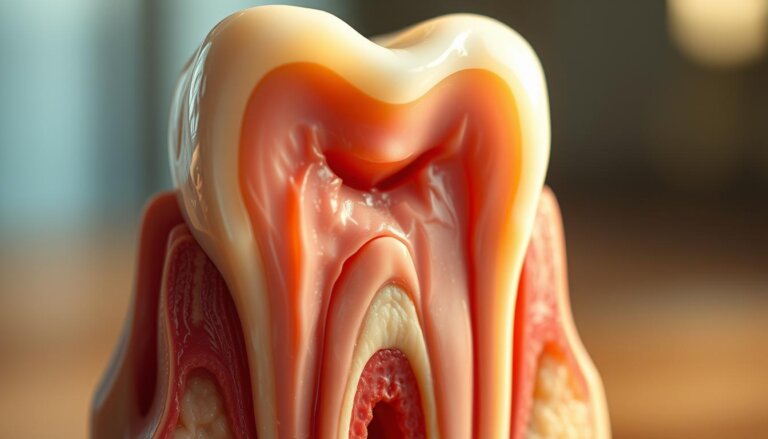
How long will a bonded or repaired broken tooth last?
Did you know dental bonding can last from 4 to 8 years? This depends on several factors. Unlike natural tooth enamel, which lasts forever, dental bonding has a limited life.
Studies from Garrettsville Dental Group show bonding lasts 5 to 7 years. But, how long it lasts also depends on your oral hygiene, where the tooth is, and the bonding material’s quality. With good care, you can make your dental repairs last longer.
Looking into how long a fixed tooth lasts involves material science, oral hygiene, and diet. This article dives into dental bonding’s durability, giving insights to dentists and patients. Bonding is not forever, but it’s a good and affordable choice if you take care of it.
Key Takeaways
- Dental bonding typically lasts between 4 to 8 years.
- Oral hygiene practices play a key role in bonding’s longevity.
- The tooth’s location can affect how long it lasts.
- The quality of bonding materials is important for its lifespan.
- Knowing about dental bonding helps patients make better choices.
Understanding Dental Bonding and Repairs
Dental bonding is a key cosmetic procedure that helps fix damaged teeth. It uses a tooth-colored resin to fix chips, cracks, and cavities. This method is quick, often done in one visit, making it popular for fast results.
What is Dental Bonding?
Dental bonding uses a resin that matches the tooth’s color. It sticks to the enamel through a special process. The resin is first soft, then hardened with a light, creating a strong bond.
The American Dental Association says dental bonding is simple and effective. It’s great for:
- Small gaps between teeth
- Chipped or cracked teeth
- Stained or discolored teeth
- Dental cavities
Common Repair Techniques for Broken Teeth
There are different bonding techniques for different damages:
| Technique | Description | Best For |
|---|---|---|
| Direct Composite Bonding | Application of resin directly to the tooth. | Minor chips and gaps |
| Composite Fillings | Used to fill cavities after decay removal. | Tooth decay |
| Bonding Agents | Used with crowns or veneers for better adhesion. | Extensive damage |
Pros and Cons of Dental Bonding
Dental bonding has many benefits:
- Quick procedure: Often done in one visit.
- Preservation of tooth structure: Little enamel is removed.
- Cost-effective: Less expensive than other options.
But, there are some downsides:
- Susceptibility to staining: The resin can stain over time.
- Lower strength: Not as strong as porcelain.
- Finite lifespan: Needs to be replaced or refinished after a few years.
“Dental bonding is a practical solution for those looking to enhance their smile quickly and affordably.”
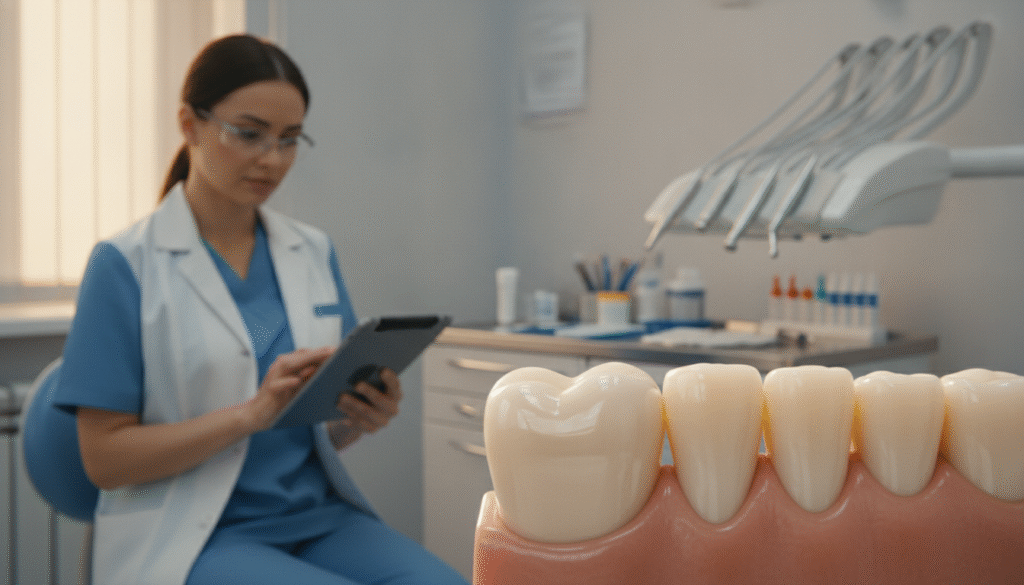
Factors Affecting Longevity of Bonded Teeth
The life of a bonded tooth depends on several key factors. Knowing these can help patients choose better dental care. The quality of materials, where the tooth is, and how well you brush your teeth are the main factors.
Material Quality Used in Bonding
The material used for bonding is very important. Different composites have different properties:
| Material Type | Filler Particle Size | Wear Resistance | Color Stability |
|---|---|---|---|
| Microfill | Small | Moderate | Good |
| Macrofill | Large | High | Fair |
| Nanofill | Very Small | Excellent | Excellent |
| Hybrid | Varied | High | Good |
Nanofill materials are top-notch for keeping teeth looking good and working well for a long time.
Location of the Broken Tooth
Where the tooth is broken affects how long it lasts. Teeth that get more wear, like molars, have a harder time. This is because molars take more force when chewing, which can wear down the bond.
Patient’s Oral Hygiene Practices
How well you take care of your teeth also matters a lot. Brushing right and using the right products is key. If you don’t clean well, stains and cavities can ruin the bond. So, taking good care of your teeth at home is important.
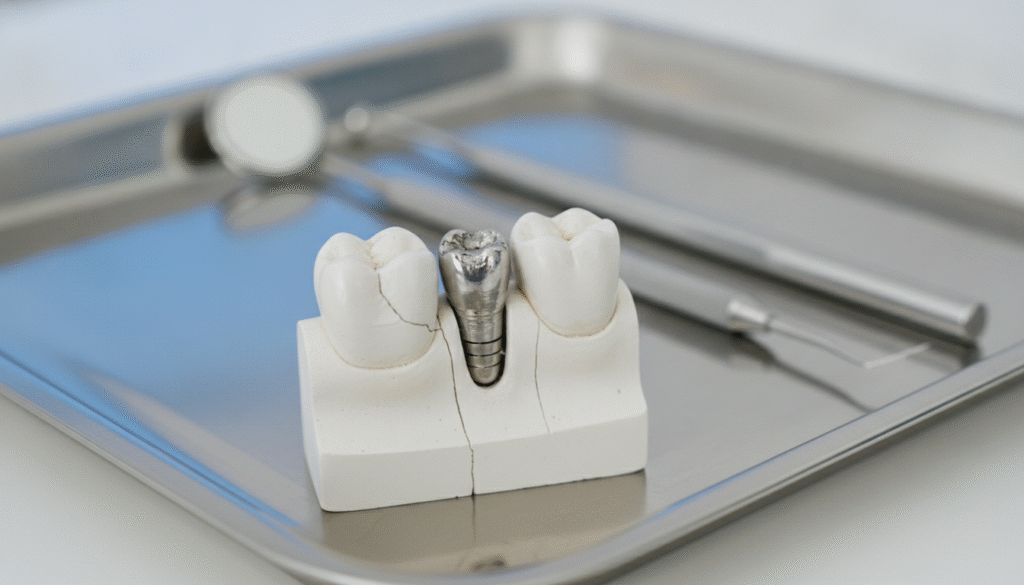
Average Lifespan of Bonded Teeth
Knowing how long bonded teeth last is important for those thinking about dental fixes. The life of these fixes can really affect your mouth health and budget.
Studies say composite bonding lasts 4 to 8 years, with an average of 5 to 7 years. Dental veneers can last 10 to 20 years, and crowns can last 15 to 30 years or more. The American Dental Association stresses that good care is essential for dental restoration longevity.
Statistics on Bonded Tooth Durability
Research shows how well bonded restorations last at different times:
- 3 years: About 90% work well
- 5 years: Around 80% are intact
- 7 years: About 70% are functional
- 10 years: About 50% need some work
These numbers show why regular dental visits and good oral care are key to keeping bonded teeth in good shape.
Comparison of Bonding with Other Dental Repairs
When looking at bonding versus other dental fixes, several things matter:
| Restoration Type | Average Lifespan | Initial Cost | Invasiveness | Aesthetic Outcome |
|---|---|---|---|---|
| Bonding | 4-8 years | Low | Least invasive | Good |
| Veneers | 10-20 years | Moderate | Moderately invasive | Excellent |
| Crowns | 15-30 years | High | Most invasive | Very good |
Bonding is cheaper and less invasive, but it doesn’t last as long as crowns and veneers. This comparison helps patients see that the lifespan of bonded teeth depends on the treatment options available.
Signs Your Bonded Tooth Needs Attention
It’s important to know when a bonded tooth needs a dentist’s help. Several signs show if your tooth treatment is failing. Catching these signs early can stop more damage and keep your tooth fixed longer.
Discoloration or Staining
Look out for discoloration where the tooth meets the bonded area. This can happen when tiny gaps let food stains in. If your tooth looks different, it might be a sign that the bond is breaking down.
Sensitivity to Hot and Cold
Feeling pain when eating hot or cold foods is another warning sign. This pain can happen when tiny leaks let cold or hot through to the tooth’s inside. If you feel pain, see your dentist to check your tooth.
Visible Damage or Chips
Don’t ignore any visible damage or chips in the bonded area. These signs mean the tooth can’t handle pressure anymore. Getting these fixed quickly can save you from needing a whole new tooth.
| Sign | Description | Action Required |
|---|---|---|
| Discoloration | Staining at the bond margin | Consult dentist for evaluation |
| Sensitivity | Discomfort with hot or cold | Schedule a dental check-up |
| Visible Damage | Chips or fractures in bonding | Seek professional repair |
How to Care for Your Bonded Tooth
To keep your bonded tooth in top shape, follow these care tips. Good maintenance makes your tooth look better and last longer. It’s important to brush right, avoid certain foods, and see your dentist regularly.
Best Practices for Oral Hygiene
Keeping your mouth clean is key for your bonded tooth’s health. Here’s how to do it:
- Use a soft-bristled toothbrush: This prevents damage to the tooth’s surface.
- Choose non-abrasive toothpaste: Whitening toothpaste can wear down the bonding material.
- Adopt gentle brushing techniques: Use the modified Bass technique for better cleaning.
- Floss with care: Use a gentle sawing motion to avoid dislodging the bonding.
Foods to Avoid
What you eat affects your bonded tooth’s health. Be careful with these foods:
- Mechanical threats: Hard candies, ice, and nuts can damage your tooth.
- Chemical threats: Acidic drinks and foods like red wine can stain your tooth.
Scheduling Regular Dental Check-Ups
Seeing your dentist regularly is important. Aim for check-ups every six months. Your dentist will:
- Check if the bonding is holding well.
- Look at the tooth’s color and texture.
- Use X-rays to find any hidden decay.
By taking care of your teeth, you can make your bonded tooth last longer. This keeps your smile healthy and bright.
Alternatives to Bonding for Broken Teeth
Looking into other options for fixing a broken tooth can lead to better results. Bonding is common, but other methods might be better for your specific case. This depends on the damage’s extent and your personal needs.
Crowns: When Are They Necessary?
Crowns are a good choice when a big part of the tooth breaks off or there’s a lot of decay. They cover the whole tooth, protecting what’s left. You might need a crown if:
- Fractures extend below the gum line
- More than half of the tooth’s top is lost
- The tooth needs protection after root canal treatment
- Bonding can’t handle the tooth’s biting forces
Crowns can be made from porcelain, metal, or ceramic. Metal crowns are the strongest.
Veneers vs. Bonding: Which is Better?
Veneers and bonding both make teeth look better, but they’re different in how long they last and how they look. Veneers need enamel removal, making them a more lasting choice. They can last 10 to 15 years with good care. Here’s what sets them apart:
- Durability: Veneers last longer than bonding.
- Aesthetic Outcomes: Veneers look more natural and resist stains better.
- Tooth Preparation: Bonding is less invasive, but veneers require enamel removal.
- Cost Considerations: Veneers cost more than bonding.
The Role of Dental Implants
Dental implants are the best option when a tooth can’t be saved. They involve a titanium post in the bone, giving a permanent fix. Implants have a success rate over 95%, making them a reliable choice. They’re also the top choice for severe tooth damage.
Costs Associated with Bonding and Repairs
It’s important to know the costs of dental bonding and repairs before making a decision. Prices can change a lot based on where you are, the type of dental office, and how much work is needed.
Average Cost of Dental Bonding
Dental bonding usually costs between a few hundred dollars per tooth. This makes it a budget-friendly choice for fixing chipped or broken teeth. But, prices can vary due to:
- Geographic location: Cities often cost more than rural areas.
- Type of dental practice: Academic clinics might be cheaper than private ones.
- Extent of treatment: Fixing one tooth is less expensive than fixing several.
Insurance Coverage for Tooth Repairs
Dental insurance can be tricky to understand. Most plans cover things like crowns and root canals, but at different rates. Bonding coverage can be different:
- If bonding is needed for function, it might be covered partially.
- But, cosmetic bonding is usually not covered.
Knowing your insurance policy and getting estimates before treatment can help you understand what you’ll pay.
Cost Comparison with Other Treatments
Dental bonding is the cheapest option upfront. But, it’s also important to think about its dental bonding durability. Here’s a quick comparison:
| Treatment Type | Average Cost | Longevity |
|---|---|---|
| Dental Bonding | $300 – $600 | 3-10 years |
| Veneers | $800 – $2,500 | 10-15 years |
| Crowns | $800 – $3,000+ | 10-20 years |
Even though bonding is cheaper at first, the cost of replacing it over time can add up. This might make more durable options like crowns a better value in the long run.
The Importance of Consulting a Dentist
If your tooth is damaged, seeing a dentist right away is key. Quick action is needed for chipped or broken teeth. Delaying can cause more harm, like infection or even tooth loss.
Even small chips can let bacteria in, leading to serious problems. This can result in pulpitis and tooth loss if not treated.
When to Seek Professional Help
Knowing when to see a dentist is important. Here are some times when you should go:
- Exposed pulp or nerve endings
- Uncontrolled bleeding
- Complete avulsion of the tooth
For smaller issues, like minor chips, a regular check-up might be enough. But it’s always safer to be cautious.
Choosing the Right Dentist for Repairs
Finding the right dentist is key for a good repair. Consider these factors:
- The dentist’s specialization (general, cosmetic, or prosthodontist)
- Experience with bonding procedures
- Use of state-of-the-art dental technologies
Prosthodontists, with three extra years of training, are experts in tooth repair.
Questions to Ask Your Dentist
Prepared questions can help you understand your dental care better. Here are some important ones:
- What is your experience with bonding procedures?
- What is the expected tooth repair lifespan for my specific case?
- Do you offer any warranty or guarantee policies?
- What protocols do you have in place for managing restoration failure?
These questions can help you make informed choices about your dental health.
The Role of Preventive Care in Longevity
To keep a bonded tooth lasting longer, preventive care is key. This approach not only makes dental work last longer but also keeps your mouth healthy. By taking preventive steps, you can make your broken tooth fillings last longer.
Going for regular dental check-ups and cleanings is a big part of preventive care. These cleanings get rid of plaque and tartar that brushing and flossing can’t. They also let dentists catch problems early, before they get worse.
Benefits of Regular Dental Cleanings
Regular dental cleanings offer many benefits, including:
- Removal of Extrinsic Stains: Cleanings get rid of stains that can make bonded teeth look less appealing.
- Early Detection: Dentists can spot problems early, so they can fix them quickly.
- Fluoride Application: Fluoride varnishes can be applied to strengthen teeth, helping prevent decay.
Importance of Flossing and Mouthwash
Flossing every day is important, even more so for people with bonded teeth. String floss works better than floss picks because it fits around curved teeth better. Also, using a fluoride mouthwash without alcohol can help keep teeth clean without harming the bonding material.
Lifestyle Adjustments for Tooth Health
Changing your lifestyle can also help protect your bonded teeth. Here are some tips:
- Mouthguards: Wearing a mouthguard during sports can prevent injuries to your teeth.
- Nightguards: If you grind your teeth at night, a custom nightguard can protect your teeth.
- Avoiding Parafunctional Habits: Stopping habits like biting your nails or chewing pens can reduce stress on your teeth.
In summary, preventive care is not just an extra step; it’s essential for keeping your bonded tooth fillings in good shape. By going to the dentist regularly, practicing good oral hygiene, and making lifestyle changes, you can keep your smile healthy for a long time.
Addressing Myths About Bonding Longevity
Many people believe wrong things about how long bonded teeth last. These beliefs can lead to bad choices about dental care. It’s important to know the truth to keep our teeth healthy.
Here are some common myths about dental bonding:
- Bonded teeth are as strong as natural teeth: Composite resin is tough, but not as hard as tooth enamel. Enamel is much harder, rated about 5 on the Mohs scale.
- Bonding is a permanent solution: All dental fixes, like bonding, don’t last forever. Bonded teeth usually need to be replaced after 4 to 8 years.
- Bonded teeth do not require special care: Actually, they need more care than natural teeth. Keeping them clean is key to their health.
- Bonded teeth are impervious to decay: The area where the resin meets the enamel can get cavities. So, regular dental visits are important.
Now, let’s compare facts versus fiction:
Facts vs. Fiction: What to Believe
- Fact: Composite bonding is not as durable as enamel.
- Fiction: Bonding lasts forever without the need for replacement.
- Fact: Bonded teeth require vigilant care and maintenance.
- Fiction: Once bonded, a tooth is immune to decay.
Knowing these truths helps patients make better choices for their teeth. It lets them take care of their bonded teeth and visit the dentist regularly.
What to Expect During the Bonding Procedure
Knowing what happens during bonding is key for patients. It helps reduce stress and makes the process smoother. The first step is a detailed consultation where the dentist checks the damage.
Consultation Process and Diagnosis
In the consultation, the dentist does a full check-up. This includes:
- Looking at the tooth closely.
- Using light to find cracks.
- Feeling the tooth to check gums.
- Taking X-rays to find hidden problems.
These tools help find the best way to fix the tooth.
Step-by-Step of the Bonding Procedure
The bonding process has several important steps. Each one is vital for a successful fix:
| Step | Description |
|---|---|
| 1. Shade Selection | Choosing a color match for the resin. |
| 2. Isolation | Keeping the area dry with cotton rolls or a rubber dam. |
| 3. Enamel Etching | Using acid to make the enamel rough for bonding. |
| 4. Bonding Agent Application | Putting on a special agent to help the resin stick. |
| 5. Composite Resin Placement | Building up the tooth with resin, layer by layer. |
| 6. Finishing | Polishing to make the tooth smooth and prevent plaque. |
Every step is important for a strong bond and a long-lasting fix. Mistakes, like not isolating well or not curing enough, can cause the fix to fail early.
Recovery and Adjustment Period
After dental bonding, you might feel different sensations as your tooth adjusts. Knowing what to expect can help ease your worries and make recovery smoother.
What to Expect After Treatment
Right after bonding, you might feel some discomfort or sensitivity for 24 to 48 hours. This is usually because of the bonding material’s reaction. Your tooth might feel a bit off as you get used to its new shape.
In the next 3 to 7 days, the sensitivity should start to fade. If you’re sensitive to hot or cold, this should go away in about two weeks. It’s key to tell the difference between normal sensitivity that fades and sensitivity that doesn’t. The latter might mean there’s a problem with the bond.
Managing Discomfort or Sensitivity
To handle any discomfort, try these tips:
- Use toothpaste with potassium nitrate or stannous fluoride to help.
- Avoid foods and drinks that are very hot or cold.
- Take over-the-counter NSAIDs if you need to.
Managing your recovery well is key to keeping your broken tooth treatment durable. Let the bond settle without putting too much pressure on it. This helps it last longer.
| Timeline | Symptoms | Management Tips |
|---|---|---|
| 0-48 hours | Mild sensitivity | Use NSAIDs if necessary |
| 3-7 days | Gradual reduction in sensitivity | Continue using desensitizing toothpaste |
| 2 weeks | Resolution of thermal sensitivity | Maintain regular dental check-ups |
The Emotional Aspect of Dental Repair
A broken tooth can really affect how you feel about yourself. It can change how you see yourself and how you interact with others. Fixing a tooth is not just about the physical fix. It’s also about the emotional healing that comes with it.
When you feel good about your smile, you’re more likely to be social and take care of your teeth. This link between feeling good and taking care of your teeth is key. It helps your repaired tooth lifespan last longer.
Building Confidence with a Restructured Smile
Studies show that fixing your smile can really boost your self-esteem. People who get cosmetic dental work often feel better about themselves and are more outgoing. A new smile can make you feel more confident in your personal and work life.
Feeling good about your smile can create a positive cycle. When you like your smile, you’re more likely to take care of your teeth. This care helps your repaired tooth lifespan by keeping your teeth healthy.
Overcoming Dental Anxiety
About 36% of people are afraid of the dentist, which can stop them from getting the care they need. This fear can come from past bad experiences or fear of pain. But, modern dentistry has ways to help you feel more at ease.
Things like sedation, nitrous oxide, and special techniques can help you relax. It’s not just about making you comfortable. It’s also about making sure you get the care you need on time. Waiting too long can make problems worse and shorten the repaired tooth lifespan.
Dentists can create a supportive environment to help you face your fears. This makes dental visits better and encourages you to get care when you need it. This way, dental problems don’t get worse and you can keep your smile healthy for longer.
| Emotional Impact | Effects on Dental Care | Strategies for Improvement |
|---|---|---|
| Low Self-Esteem | Increased likelihood of neglecting oral hygiene | Cosmetic dental procedures to boost confidence |
| Social Withdrawal | Reduced frequency of dental visits | Supportive counseling and education |
| Fear of Pain | Avoidance of necessary treatments | Use of sedation techniques to ease anxiety |
Longevity Expectations Specific to Different Age Groups
The life span of broken tooth repairs changes with age. It’s key for both patients and dentists to know these differences. This helps in planning the best treatment for each age group.
In kids and teens, tooth repairs last until the teeth fall out naturally. This can take 5 to 8 years. Young permanent teeth face challenges due to growth and hygiene issues. Kids’ eating habits and dental injuries also play a role.
Children vs. Adults: Lifespan Comparisons
Young adults have more developed teeth but face risks from lifestyle and hygiene. Their teeth need close watch because of their size and growth stage. This affects how long dental fixes last.
Elderly Considerations for Tooth Repairs
Elderly patients have special needs for tooth repair longevity. Medications can reduce saliva, which protects teeth. Older teeth are also more brittle and less able to absorb minerals. Plus, many existing restorations can make new repairs harder to last.
To make tooth repairs last longer for everyone, treatment must be tailored. Dentists need to consider each patient’s health and lifestyle. This way, they can offer better care and make repairs last longer.
Technological Advances in Tooth Bonding
New dental materials make bonded teeth last longer. Technology keeps improving, leading to better materials for bonding. These changes help both how teeth look and how they function.
Nanohybrid composites are a big step forward. They mix tiny particles with regular fillers. This mix improves strength and looks, making bonding better.
Bulk-fill composites are another big change. They can be used in thicker layers, making bonding faster and easier. This is good for both dentists and patients.
Bioactive materials are also exciting. They help keep teeth healthy by fighting bacteria and making teeth stronger. This means bonded teeth are not just pretty but also healthy.
Innovations in Dental Materials
Universal adhesives are making bonding easier. They simplify the process without losing strength. This leads to more consistent results for dentists.
Silorane-based resins are another improvement. They shrink less during hardening, which helps bonded teeth last longer. This reduces the chance of gaps forming.
Future Trends in Dentistry
The future of dental bonding looks bright. Self-healing materials are coming, which can fix cracks on their own. This could make dental repairs last even longer.
CAD/CAM technology is also advancing. It allows for same-day restorations. This is more convenient for patients and ensures a better fit, making bonding more durable.
Self-adhesive composites and graphene-reinforced resins are also on the horizon. These materials promise to make bonded teeth even stronger and more like natural teeth. They aim to improve both looks and durability.
In summary, dental bonding is getting a lot better thanks to new materials and techniques. As these advancements keep coming, they will change what we expect from dental repairs.
The Connection Between Bonded Teeth and Overall Health
It’s important to see how oral health affects our overall well-being. A broken tooth fixed with bonding isn’t just a dental problem. It can also affect our body’s health. Studies link gum disease to heart disease, diabetes, and lung infections.
Badly cared-for bonded teeth can hide harmful bacteria. This can cause serious problems like tooth infections. These infections can even be life-threatening.
The Impact of Oral Health on Overall Well-being
Oral diseases can start inflammation in the body. This can lead to heart problems and other serious conditions. Bacteria from our mouth can spread through our blood, causing more harm than just tooth decay.
So, when we ask “How long will a bonded or repaired broken tooth last?”, we’re really asking about our overall health. Good dental care is key to keeping our teeth and body healthy.
Dental Issues that Might Arise from Poor Bonding
Ignoring bonded teeth can cause many dental problems. For example, new cavities can form, affecting the tooth’s pulp. Cracks in the bonding can hurt soft tissues.
Not fixing bonded teeth can expose the tooth to harm. This increases the chance of more serious problems. Keeping bonded teeth in good shape is not just about looks. It’s about keeping our health safe.
Choosing quality dental care and keeping up with oral hygiene is important. It helps our dental work last longer and improves our life quality. Knowing how bonded teeth affect our health shows why we need to take care of our teeth.