How Long Will I Need to Wear a Retainer After Finishing Invisalign?
Did you know that nearly 25% of people who finish orthodontic treatment see their teeth move within a year? This shows how important retainers are for keeping your smile perfect after Invisalign.
Finishing Invisalign is a big deal, but it’s just the start of another key part: keeping your smile. Many wonder, “How long do I need to wear a retainer after Invisalign?” Knowing this is key to keeping your smile looking great for years.
Orthodontists suggest a specific plan for wearing retainers. At first, you should wear them all the time for three to six months. This helps your teeth and gums settle. Then, you move to wearing them at night, which can go on for years. Some orthodontists say you should wear them a few nights a week to keep your smile perfect.
This article will explain why these plans are important. It will cover the science, clinical guidelines, and practical tips. This will help both patients and doctors make informed choices.
Key Takeaways
- Retention is key to stop teeth from moving after Invisalign.
- Wear retainers full-time for the first three to six months.
- Then, switch to wearing them at night.
- For long-term, wear them three to five nights a week.
- Knowing how long to wear a retainer helps keep your smile perfect.
Understanding Retainers and Their Purpose
Retainers are more than just accessories; they are key to keeping your teeth in place. After your Invisalign treatment, knowing why retainers are important is essential. These custom-made devices help keep your teeth aligned, making sure your smile stays beautiful.
What is a Retainer?
A retainer is a dental tool that keeps your teeth in their new spots after orthodontic treatment. Unlike Invisalign aligners, which move teeth, retainers hold them in place. They let your teeth and gums adjust and “lock in” the new alignment.
Why Are Retainers Necessary?
Retainers are important for several reasons:
- Preventing Relapse: After teeth move, they can shift back. Retainers fight these forces.
- Bone Stabilization: The bone around the roots takes time to solidify. Retainers keep teeth aligned during this time.
- Daily Forces: Small forces from chewing or tongue pressure can move teeth if not held in place.
Different Types of Retainers
There are three main types of retainers, each with its own benefits:
| Type of Retainer | Description | Advantages | Considerations |
|---|---|---|---|
| Removable Clear Retainers | Custom clear aligners like Vivera. | Discreet and comfortable. | Requires patient compliance. |
| Hawley Retainers | Acrylic and metal wire construction. | Durable and adjustable. | Visible and may affect speech initially. |
| Fixed Lingual Retainers | A thin wire bonded to the back of teeth. | Permanent solution, no daily removal. | May require special cleaning techniques. |
Immediate Post-Invisalign Retainer Guidance
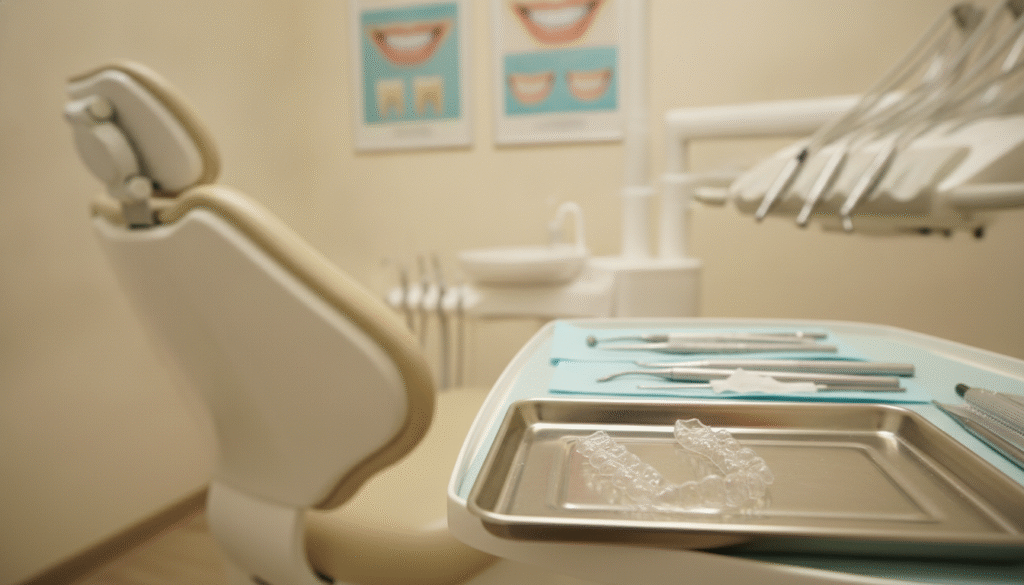
After your Invisalign treatment ends, wearing a retainer is key to keeping your teeth straight. You’ll need to wear it for 20 to 22 hours a day at first. This helps your teeth settle into their new positions.
The First Weeks After Treatment
Your teeth are most at risk of moving in the first weeks. Wearing your retainer all day, except for eating and brushing, helps your gums adjust. This period can last from three to six months, depending on you.
Importance of Consistency
It’s very important to wear your retainer every day. Missing just one day can cause your teeth to move. Your body’s tissues can remember their old shape, making it hard to put your retainer back in. To remember, set reminders on your phone or keep your retainer where you can see it.
Signs You May Need to Adjust Wear Time
Watch for signs you might need to change how long you wear your retainer. If you feel pain that doesn’t go away, see gaps between your teeth, or your retainer feels too tight, see your orthodontist. These could mean your teeth are moving and need attention.
Duration of Retainer Wear
Knowing how long to wear a retainer is key to keeping your teeth straight after Invisalign. The time you need to wear a retainer changes over time. It’s based on your unique needs. This helps your teeth stay in place while your gums and bone adjust.
Typical Retention Periods
Retention periods are divided into three main stages:
- Full-Time Wear (First 3–6 Months): At first, you should wear your retainer 20 to 22 hours a day. This is important because your teeth and gums are changing a lot.
- Nighttime Wear (After 6 Months): After 6 months, your orthodontist might say you can wear it only at night. This can last from months to years, depending on you.
- Long-Term Maintenance (Ongoing): Later, you might only wear it 3 to 5 nights a week for the rest of your life. This helps keep your teeth straight as you get older.
Factors Influencing Retention Time
Several things can change how long you need to wear your retainer:
- Severity of Original Malocclusion: If your teeth were more crooked at the start, you might need to wear it longer.
- Age: Kids and teens are more likely to need it longer because their teeth are always changing.
- Parafunctional Habits: If you grind your teeth a lot, you might need to wear it more often.
- Patient Compliance: Sticking to the recommended schedule is very important for keeping your teeth straight.
Recommendations from Orthodontists
Orthodontists say that wearing a retainer is a lifelong job. The American Association of Orthodontists says it’s not about wearing it every night forever. It’s about making it a habit to protect your teeth. Going back to see your orthodontist regularly is important to make sure everything is going right.
Types of Retainers and Their Wear Schedules
Knowing about the different retainers is key to keeping your Invisalign results. Each type has its own purpose and wear schedule. This affects your orthodontic success.
Fixed Retainers
Fixed retainers are thin wires bonded to your teeth. They are always in place, giving 24-hour support. They’re great for keeping teeth in place after treatment.
But, they need good oral care to avoid plaque. Regular dental visits are important to keep them working well.
Removable Retainers
Removable retainers come in two types: clear and Hawley. Clear ones are almost invisible and cover your whole arch. They’re worn full-time at first, then at night as needed.
Hawley retainers have an acrylic base and metal clasps. They’re strong and can adjust to tooth movements. They’re more visible but less likely to affect speech over time.
Pros and Cons of Each Type
| Type of Retainer | Pros | Cons |
|---|---|---|
| Fixed Retainers | Continuous retention, no compliance issues | Hygiene challenges, risk of wire breakage |
| Clear Removable Retainers | Aesthetic appeal, comfort, full-arch coverage | Risk of loss or damage, requires disciplined wear |
| Hawley Retainers | Adjustable, long-lasting | More noticeable, may affect speech initially |
The right retainer depends on your teeth, gums, and what you prefer. Your orthodontist will pick the best one for you, matching your Invisalign timeline.
Long-Term Retainer Usage
Wearing retainers only at night is a big step after Invisalign. This usually happens after six months, based on your dentist’s check-ups. The goal is to keep your teeth straight and let them settle in their new spots.
Transitioning to Nighttime Wear
When you start wearing retainers at night, aim for 8–10 hours. This helps keep your teeth in line when your muscles are relaxed. Sticking to this plan is key to stop your teeth from moving.
Adjusting to Less Frequent Wear
Later, you might wear your retainers less often, like three to five nights a week. This helps fight the natural movement of teeth. But remember, you should keep wearing them. The periodontal ligament can always change, and a retainer can help keep your teeth straight.
When to Seek Professional Advice
Watch out for any changes in your teeth or if your retainer feels too tight. Look for:
- Visible spaces between teeth
- Cracks or distortions in the retainer
- Persistent discomfort while wearing the retainer
Regular dentist visits are important. They help make sure your teeth stay straight. If you need adjustments or a new retainer, your dentist can help keep your smile perfect.
| Phase | Duration | Wear Schedule |
|---|---|---|
| Full-Time Wear | 6 months | All day, every day |
| Nighttime Wear | 6 months to a few years | 8–10 hours nightly |
| Reduced Wear | Ongoing | 3–5 nights per week |
Common Concerns and Misconceptions
Many people wonder how long they need to wear retainers after Invisalign. They often ask if they must wear them forever. Knowing more about retainer use can ease these concerns.
Do I Have to Wear My Retainer Forever?
The thought of wearing a retainer forever can be scary. But, most people don’t need to wear theirs every night for life. After the main treatment, many can keep their smile by wearing their retainers 3 to 5 nights a week. This helps fight the natural tooth movement that happens as we age.
Can I Skip Days Without Affecting My Results?
Some think skipping days without a retainer is okay once their teeth are stable. But, the truth is, even small breaks can cause tiny tooth movements. If you skip too often, it can lead to noticeable changes in your teeth.
The Impact of Not Wearing a Retainer
Not wearing a retainer as directed can cause big problems. These include:
- Anterior crowding of teeth
- Reopening of extraction spaces
- Rotation of teeth
- Alterations in overbite and overjet relationships
In serious cases, not wearing a retainer might mean you need to start orthodontic treatment all over. So, seeing retainer wear as a lifelong commitment is key to keeping your smile healthy.
Think of retainer wear as a daily habit, like brushing your teeth. It’s a consistent effort that keeps your smile beautiful for years to come.
Caring for Your Retainer
Proper care for your retainer is key to its long life and effectiveness. This section will show you how to clean it right, keep it in good shape, and know when it’s time for a new one.
Cleaning Tips for Removable Retainers
It’s important to clean your removable retainer every day to stop bacteria from growing. Here are some good ways to clean it:
- Use a soft-bristled toothbrush and a non-abrasive cleanser made for orthodontic appliances.
- Avoid regular toothpaste, as it can scratch the retainer and hold bacteria.
- Soak your retainer in a cleaning solution or warm water mixed with mild dish soap.
- Always rinse well after cleaning to get rid of any soap left behind.
- Never use hot water, as it can damage the retainer’s material.
Maintaining Fixed Retainers
Fixed retainers need careful oral care to stay effective:
- Use floss threaders, interdental brushes, or water flossers to clean around the wire.
- Regular dental cleanings are key to remove plaque and food.
Signs Your Retainer Needs Replacement
Keep an eye on your retainer’s condition. Here are signs it might need to be replaced:
| Sign | Description |
|---|---|
| Visible Cracks | Any cracks can make the retainer less effective. |
| Loose Fit | A retainer that’s too loose might not keep teeth in place. |
| Cloudiness | Cloudy or calcified spots mean it’s time for a new one. |
| Distortion | Changes in shape can affect how well it works and how comfortable it is. |
By following these care tips, your retainer will stay in great shape. This helps your Invisalign follow-up care succeed. Regular care keeps your smile beautiful and avoids problems in your orthodontic treatment.
Tracking Your Retainer Progress
Keeping track of your retainer use is key to keeping your Invisalign results. It takes effort and organization to make sure your hard work pays off. By using tracking methods, you can stick to your retainer schedule.
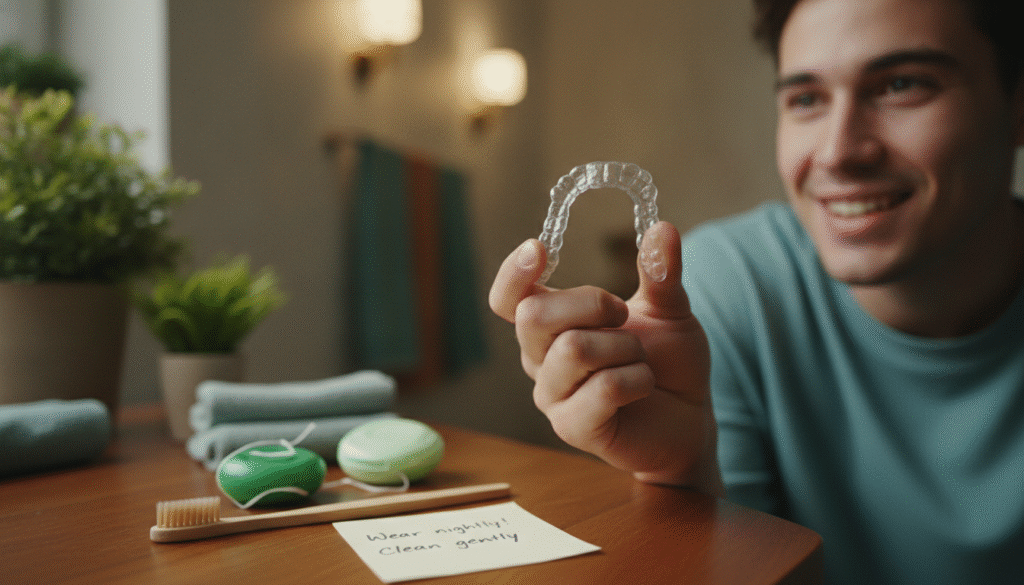
Using a calendar or reminders is a good way to manage your retainer use. Setting reminders on your phone or keeping your retainer case in sight helps you remember to wear it every day. Putting your retainer case next to your toothbrush is a simple way to remind yourself.
Using a Calendar or Reminder System
Adding a calendar or reminder app to your daily routine makes tracking easier. Logging your daily wear helps you see your commitment. It also helps you spot any patterns or missed days.
Regular Check-ups with Your Orthodontist
Seeing your orthodontist regularly is important for Invisalign care. You’ll have check-ups at 1, 3, 6, and 12 months after treatment. These visits let your orthodontist check your teeth and use scans if needed.
Making Adjustments as Needed
As time goes on, you might need to adjust your retainer use. If your retainer needs rebonding or doesn’t fit right, get it fixed quickly. Talking to your orthodontist helps keep your teeth straight.
| Check-Up Schedule | Purpose | Typical Activities |
|---|---|---|
| 1 Month | Initial assessment | Visual examination |
| 3 Months | Monitor progress | Digital scanning |
| 6 Months | Evaluate retention | Adjustment recommendations |
| 12 Months | Final evaluation | Long-term plan discussion |
Combining personal effort with professional advice helps you keep your teeth straight. This teamwork is key to keeping your orthodontic results.
Retainers and Oral Health
Retainers are key to keeping your teeth straight after orthodontic treatment. They help with more than just teeth alignment. They also affect how you speak and eat.
Effects on Speech and Eating
At first, wearing a retainer might change how you speak. You might notice a slight lisp or trouble with certain sounds. This is because the retainer is thick against your palate. But, your tongue will get used to it in a few days.
It’s not good to eat with a removable retainer. Chewing can break it, and food can get stuck, leading to cavities. So, it’s best to take it out when you eat.
Impact on Teeth Alignment Over Time
Retainers help keep your teeth in place over time. Without them, your teeth might move back to where they were before. This can happen for a few reasons:
- Elastic recoil of periodontal fibers
- Ongoing craniofacial growth
- Soft tissue pressures from the lips and cheeks
- Parafunctional habits, such as teeth grinding
Retainers act as a barrier to keep your teeth aligned. They are the best way to stop your teeth from moving back.
The Role of Retainers in Preventing Orthodontic Relapse
Retainers are very important in keeping your teeth straight. They are not just a suggestion but a necessary part of orthodontic care.
“Wearing a retainer after Invisalign isn’t just a recommendation—it’s a critical step in keeping your teeth straight.”
Knowing this helps patients see retainers as a must-have, not just an extra step. Using them regularly is key to stopping teeth from shifting as you age.
| Factor | Impact on Teeth | Retention Strategy |
|---|---|---|
| Elastic Recoil | Causes teeth to shift | Consistent retainer wear |
| Craniofacial Growth | Changes tooth positioning | Regular orthodontic check-ups |
| Soft Tissue Pressure | Influences alignment | Use of retainers during sleep |
| Parafunctional Habits | May lead to misalignment | Awareness and management strategies |
Lifestyle and Retainers
Managing your retainer wear is key to keeping your teeth straight. Whether you’re playing sports, traveling, or going out, planning helps. This way, you can easily fit retainer wear into your life.
Retainers and Sports Activities
If you play sports, protecting your teeth and retainer is important. Take out removable retainers during games and store them safely. A custom mouthguard is better for protecting your teeth.
Fixed retainers don’t need to come out for sports. But, make sure your mouthguard fits around them. Talk to your orthodontist for the best option for you.
Retainers During Travel
Traveling can be tough for retainer wearers. The chance of losing or breaking your retainer goes up. Carry a strong retainer case and avoid using napkins to wrap your retainer.
Keep your retainer in your carry-on when flying. This keeps it safe from extreme temperatures. Also, pack a travel-sized cleaning kit to keep your retainer clean while away.
Social Situations and Retainer Wear
Social events can make wearing retainers feel awkward. Clear retainers are almost invisible, making them a good choice. If you need to take it off, excuse yourself to rinse and store it safely.
Plan ahead to keep up with your retainer schedule. This way, occasional removals won’t slow down your progress. Commitment and planning are key to successful retainer wear.
“Planning ahead is essential for successful retainer wear.”
Retainer Alternatives
After getting Invisalign, people look for different retainers. Clear retainers, like Vivera, are popular for their look and fit. But, there are other options for certain needs.
Clear Retainers vs. Traditional Options
Clear retainers cover your teeth fully, which helps if you grind your teeth. They also act as a thin shield. Hawley retainers, with their acrylic base and wire, can adjust teeth a bit. They last longer too.
Fixed lingual retainers are good for those at risk of teeth moving back. Each retainer has its own benefits:
- Clear Retainers: Look good and feel comfy.
- Hawley Retainers: Can be adjusted and last a long time.
- Fixed Retainers: Stay in place and keep teeth straight for years.
When Could an Alternative Be Appropriate?
You might need an alternative retainer if:
- You’re allergic to the materials used in clear retainers.
- You need small changes to your teeth.
- You prefer something you can’t take out.
Choosing a different retainer should be a team effort. Talk to your orthodontist about your needs and preferences. They’ll help pick the best one for you.
Consulting Your Orthodontist
The time you wear your retainer is similar, no matter the type. It depends on how long it takes for your teeth to heal. Always check with your orthodontist to find the right retainer for you.
Understanding the Cost of Retainers
Knowing the cost of retainers is key for those finishing Invisalign. Prices vary by type and provider. Here’s what you can expect:
Types of Retainers and Their Prices
There are many types of retainers, each with its own price. Here are a few:
- Clear Vivera Retainers: These come in sets of four and cost between $400 to $1,200.
- Hawley Retainers: Prices range from $150 to $600 per arch.
- Fixed Lingual Retainers: Costs can be from $250 to $500 per arch.
These prices are just estimates. They can change based on where you live and the provider’s fees.
Insurance Coverage Options
Dental insurance for retainers varies a lot. Some plans cover a part of the cost for retainers after treatment. Others don’t cover it at all. To know your options:
- Call your insurance to check what they cover.
- Look for any age limits or how often you can get coverage.
Budgeting for Retainer Maintenance
Planning your budget for retainer care is important. Think about these costs:
- Clear retainers might need to be replaced every 1–2 years.
- Don’t forget to budget for cleaning solutions and storage cases.
- Also, consider the cost of repairs for fixed retainers.
Planning ahead helps avoid financial stress during the retention phase. It keeps your smile healthy and aligned.
Adjusting to Your New Retainer
Getting used to a new retainer can be tough. At first, you might feel some discomfort as your mouth gets used to it. Knowing what to expect can help you feel better and adjust faster.
Initial Discomfort: What to Expect
When you start wearing your retainer, you might feel pressure on your teeth. This is normal and means the retainer is working. You might also feel your gums are a bit sore and your mouth makes more saliva. These feelings usually go away in 3 to 5 days as your mouth gets used to the retainer.
Overcoming Speech Difficulties
Some people find it hard to speak clearly with a retainer. To get better, try reading out loud or speaking slowly. Move your tongue away from the retainer to help. With practice, most people find their speech gets back to normal quickly.
Tips for a Comfortable Fit
Make sure your retainer fits right by pushing it into place gently. If it’s not comfortable, try using orthodontic wax to cover any sharp spots. For serious pain, you can take over-the-counter pain relievers for a few days. But if the pain lasts longer or if you get sores, see your orthodontist right away.
With time and regular use, your retainer will become a part of your daily life. Remember, the retainer after Invisalign timeline is key to keeping your smile. Take your time adjusting, and soon you’ll feel comfortable with your retainer.
The Importance of Follow-Up Appointments
Regular check-ups with your orthodontist are key to keeping your retainer working right. These visits are important for watching your dental health after Invisalign. They let your orthodontist check if your retainer fits well, look for tooth movement, and talk about any problems.
Usually, your first check-up is 1 to 3 months after getting your retainer. At this time, your orthodontist will:
- Check if your retainer fits well
- Look for any small tooth movements
- Talk about any issues or discomfort you have
Continual Monitoring for Healthy Results
Keeping an eye on things is key for lasting results. Visits every 6 months or a year help catch small changes early. These changes might include:
| Change Type | Potential Solution | Recommended Action |
|---|---|---|
| Minor rotations | Adjustment of retainer | Visit orthodontist for assessment |
| Interproximal spacing | Replacement retainer | Schedule an appointment |
| Retainer wear issues | New retainer | Consult with orthodontist |
Communicating Concerns with Your Orthodontist
Talking openly with your orthodontist is very important. You should share any problems, no matter how small they seem. If your retainer feels off, a wire is bothering you, or a tooth seems to have moved, it’s time to ask for advice. Remember, keeping your teeth straight is a team effort.
“Check in regularly with our dentists to ensure your retainer is working right.”
In summary, follow-up visits are essential for the success of your Invisalign treatment. They help keep your teeth straight, support good oral health, and check your retainer’s condition.
Conclusion: Ensuring Long-Lasting Results
Maintaining your Invisalign results takes dedication. The question, “How long will I need to wear a retainer after finishing Invisalign?” shows how important it is to care for your teeth. Wearing a retainer is key to keeping your smile beautiful.
Your retainer keeps your teeth from moving back. At first, you’ll need to wear it all the time. Then, you’ll wear it only at night, and later, even less often. This helps keep your teeth straight.
But it’s not just about the retainer. Regular dental visits and good oral hygiene are also important. Taking care of your teeth ensures your smile stays great for years.
Stick to your orthodontist’s plan for keeping your teeth straight. Go to all your follow-up appointments and get new retainers when needed. These steps will help you enjoy your straight teeth and keep your smile bright.
FAQ
How long will I need to wear a retainer after finishing Invisalign?
What is the purpose of a retainer?
What types of retainers are available?
Why is consistency in wearing my retainer important?
What signs indicate that I may need to adjust my retainer wear time?
What factors influence the duration of retainer wear?
Do I have to wear my retainer forever?
Can I skip days without affecting my results?
How should I care for my retainer?
What should I do if my retainer feels tight or uncomfortable?
How can I track my retainer wear progress?
What should I consider when participating in sports with a retainer?
Are there alternatives to clear retainers after Invisalign treatment?
What are the typical costs associated with retainers?
FAQ
How long will I need to wear a retainer after finishing Invisalign?
You’ll need to wear your retainer full-time for 20 to 22 hours a day for three to six months. Then, you’ll wear it at night for six months to a few years. After that, you’ll only need to wear it three to five nights a week.
What is the purpose of a retainer?
A retainer keeps your teeth in the right place after treatment. It stops your teeth from moving back by keeping them stable. This lets your gums and bones adjust properly.
What types of retainers are available?
There are three main types of retainers. You can choose from clear removable retainers, Hawley retainers, or fixed lingual retainers. Each has its own benefits and things to consider.
Why is consistency in wearing my retainer important?
Wearing your retainer every day is key. Not wearing it can cause your teeth to move back. This can lead to unwanted changes in your smile.
What signs indicate that I may need to adjust my retainer wear time?
Look out for signs like discomfort that lasts, gaps between your teeth, or a retainer that’s too tight. If your retainer doesn’t fit right, it’s time to see your orthodontist.
What factors influence the duration of retainer wear?
Several things affect how long you’ll need to wear your retainer. These include how bad your teeth alignment was, your age, and if you grind your teeth. How well you follow your retainer schedule also matters.
Do I have to wear my retainer forever?
You don’t have to wear your retainer every night for the rest of your life. Most people only need to wear it three to five nights a week after the first few months.
Can I skip days without affecting my results?
Skipping days can cause tiny movements in your teeth. If you do it often, these small changes can add up and make your teeth move back.
How should I care for my retainer?
Clean your removable retainer with a soft toothbrush and gentle cleanser every day. For fixed retainers, brush around the wire to avoid plaque buildup.
What should I do if my retainer feels tight or uncomfortable?
If your retainer is uncomfortable for more than a week or causes sores, see your orthodontist. They can help you figure out what’s wrong.
How can I track my retainer wear progress?
Use apps or platforms to track your retainer wear. Also, make sure to visit your orthodontist regularly for check-ups.
What should I consider when participating in sports with a retainer?
Take out your retainer during sports and store it safely. Wear a custom mouthguard to protect your teeth instead.
Are there alternatives to clear retainers after Invisalign treatment?
Yes, you can choose from Hawley retainers or fixed lingual retainers. Your orthodontist will suggest the best option for you.
What are the typical costs associated with retainers?
Retainer prices vary. Clear Vivera retainers cost between 0 and
FAQ
How long will I need to wear a retainer after finishing Invisalign?
You’ll need to wear your retainer full-time for 20 to 22 hours a day for three to six months. Then, you’ll wear it at night for six months to a few years. After that, you’ll only need to wear it three to five nights a week.
What is the purpose of a retainer?
A retainer keeps your teeth in the right place after treatment. It stops your teeth from moving back by keeping them stable. This lets your gums and bones adjust properly.
What types of retainers are available?
There are three main types of retainers. You can choose from clear removable retainers, Hawley retainers, or fixed lingual retainers. Each has its own benefits and things to consider.
Why is consistency in wearing my retainer important?
Wearing your retainer every day is key. Not wearing it can cause your teeth to move back. This can lead to unwanted changes in your smile.
What signs indicate that I may need to adjust my retainer wear time?
Look out for signs like discomfort that lasts, gaps between your teeth, or a retainer that’s too tight. If your retainer doesn’t fit right, it’s time to see your orthodontist.
What factors influence the duration of retainer wear?
Several things affect how long you’ll need to wear your retainer. These include how bad your teeth alignment was, your age, and if you grind your teeth. How well you follow your retainer schedule also matters.
Do I have to wear my retainer forever?
You don’t have to wear your retainer every night for the rest of your life. Most people only need to wear it three to five nights a week after the first few months.
Can I skip days without affecting my results?
Skipping days can cause tiny movements in your teeth. If you do it often, these small changes can add up and make your teeth move back.
How should I care for my retainer?
Clean your removable retainer with a soft toothbrush and gentle cleanser every day. For fixed retainers, brush around the wire to avoid plaque buildup.
What should I do if my retainer feels tight or uncomfortable?
If your retainer is uncomfortable for more than a week or causes sores, see your orthodontist. They can help you figure out what’s wrong.
How can I track my retainer wear progress?
Use apps or platforms to track your retainer wear. Also, make sure to visit your orthodontist regularly for check-ups.
What should I consider when participating in sports with a retainer?
Take out your retainer during sports and store it safely. Wear a custom mouthguard to protect your teeth instead.
Are there alternatives to clear retainers after Invisalign treatment?
Yes, you can choose from Hawley retainers or fixed lingual retainers. Your orthodontist will suggest the best option for you.
What are the typical costs associated with retainers?
Retainer prices vary. Clear Vivera retainers cost between $400 and $1,200. Hawley retainers are $150 to $600 per arch. Fixed lingual retainers are $250 to $500 per arch.
What should I expect when adjusting to a new retainer?
You might feel some pressure or mild gum tenderness at first. This usually goes away in 3 to 5 days as your mouth gets used to it.
How important are follow-up appointments after getting a retainer?
Follow-up appointments are very important. They help check if your retainer fits right and if your teeth are moving. They also let your orthodontist address any concerns you have.
,200. Hawley retainers are 0 to 0 per arch. Fixed lingual retainers are 0 to 0 per arch.
What should I expect when adjusting to a new retainer?
You might feel some pressure or mild gum tenderness at first. This usually goes away in 3 to 5 days as your mouth gets used to it.
How important are follow-up appointments after getting a retainer?
Follow-up appointments are very important. They help check if your retainer fits right and if your teeth are moving. They also let your orthodontist address any concerns you have.