How Soon After Losing a Tooth Should I Get It Replaced?
Did you know that about 178 million Americans are missing at least one tooth? This fact shows how important it is to know what happens when we lose teeth. Losing a tooth can cause more than just a smile gap; it can lead to serious dental problems.
When a tooth is lost, the teeth next to it might move to fill the gap. This can change how your teeth fit together and weaken your jawbone. The bone that supported the lost tooth starts to break down quickly. It’s very important to deal with tooth loss right away.
Choosing when to replace a lost tooth is not just about looks; it’s a big health decision. Our mouth is the first part of our digestive system, and keeping it healthy is key to our overall well-being. Thinking about this important question, remember the quick changes that happen after losing a tooth.
In this article, we’ll look at the time from tooth loss to getting it replaced. We’ll talk about how our body heals and the new ways to fix teeth. Taking quick, smart action is key for fixing our mouth for good.
Key Takeaways
- Tooth loss can lead to shifting teeth and jawbone deterioration.
- Addressing tooth loss promptly is critical for oral health.
- The oral cavity is vital for overall health and digestion.
- Advanced restorative technologies can help replace teeth.
- Understanding how our body heals is essential.
Understanding Tooth Loss
Tooth loss is a common dental issue that can greatly affect a person’s life. It’s important to know why teeth fall out to prevent and treat it early. Many things can cause tooth loss, like diseases and injuries.
Common Causes of Tooth Loss
There are several reasons why teeth fall out. The top reasons are:
- Advanced periodontal disease: This gum disease weakens the teeth’s support.
- Dental caries: Untreated cavities can lead to tooth loss.
- Orofacial injury: Mouth injuries can cause teeth to fall out right away.
By age 50, most Americans have lost 12 permanent teeth. This shows how important it is to take care of our teeth and see the dentist regularly.
The Importance of Timely Replacement
Replacing a lost tooth is more than just about looks. It’s key to keeping our teeth healthy. Each tooth helps support the others, keeping them in line.
Without a tooth, the bone around it can start to shrink. This happens because the tooth root is gone, and the bone doesn’t get the support it needs. So, getting a missing tooth treatment quickly is important to keep our teeth and bones healthy.
Emotional Impact of Losing a Tooth
Losing a tooth can also affect how we feel. Many people feel embarrassed, which can make them feel less confident. A missing tooth can change how we speak and look, causing a lot of emotional pain.
“A missing tooth can affect your speech and appearance, making you feel self-conscious and lowering your self-esteem. Replacing the tooth becomes a quality-of-life issue.”
Understanding these emotional effects shows why replacing a tooth is so important. It’s not just about looks; it’s about feeling good about ourselves.
Immediate Steps After Tooth Loss
Acting quickly after losing a tooth can greatly affect the outcome. The first hour is key. Proper care can mean the difference between a successful tooth replacement or not. Here are the important steps to take right away:
Rinsing and Cleaning the Area
Begin by rinsing your mouth with warm water. This cleans the area without causing more harm. Avoid hard spitting, as it can mess with blood clots that help heal.
For extra cleaning, use a saline solution. It gently removes debris, helping the healing process. Be gentle to avoid making the injury worse.
Managing Pain and Discomfort
Managing pain is critical after losing a tooth. Over-the-counter pain relievers like ibuprofen can help. Always follow the package instructions.
Also, a cold compress on your cheek can help with swelling and pain. The cold reduces blood flow, which can lessen swelling and numb the area.
Seeking Professional Help
Call your dentist right away. Quick action increases the chances for a successful tooth replacement. For an avulsed tooth, time is everything. The longer the tooth is out, the harder it is to re-implant it successfully.
If you have the lost tooth, keep it moist. Use milk, saline, or a tooth preservation solution. Don’t touch the root; handle only the crown to protect the periodontal ligament cells.
| Action | Description | Purpose |
|---|---|---|
| Rinse Mouth | Use warm water or saline solution. | To clean the area and promote healing. |
| Manage Pain | Take over-the-counter pain relievers. | To alleviate discomfort and reduce inflammation. |
| Seek Dental Help | Contact your dentist immediately. | To increase the chances of successful tooth replacement. |
“The first hour after losing a tooth is critical for its survival and possible replacement.”
Factors Influencing Replacement Timing
Several factors influence when to replace a tooth. Each person’s situation is different. Understanding these factors helps make the best decision. Key factors include age and health, where the tooth is lost, and the type of replacement.
Age and Overall Health
Age is a big factor in tooth replacement timing. Younger people heal faster than older adults. Older adults might face health issues that slow healing.
For example, people with uncontrolled diabetes heal slower. This makes quick replacement important. Also, some medicines, like bisphosphonates, can harm the jaw. A dentist must check these before surgery.
Location of the Lost Tooth
The tooth’s location affects when to replace it. Front teeth, visible and important for looks and sound, need quick action. Back teeth, mainly for chewing, might wait a bit.
Knowing the needs of each tooth helps choose the right replacement. This makes the decision easier.
Type of Replacement Option
The type of replacement also matters. Immediate implants go in right after the tooth is pulled. Bridges or dentures take longer.
It’s important to know the differences in implant placement. This helps plan the replacement schedule.
Options for Tooth Replacement
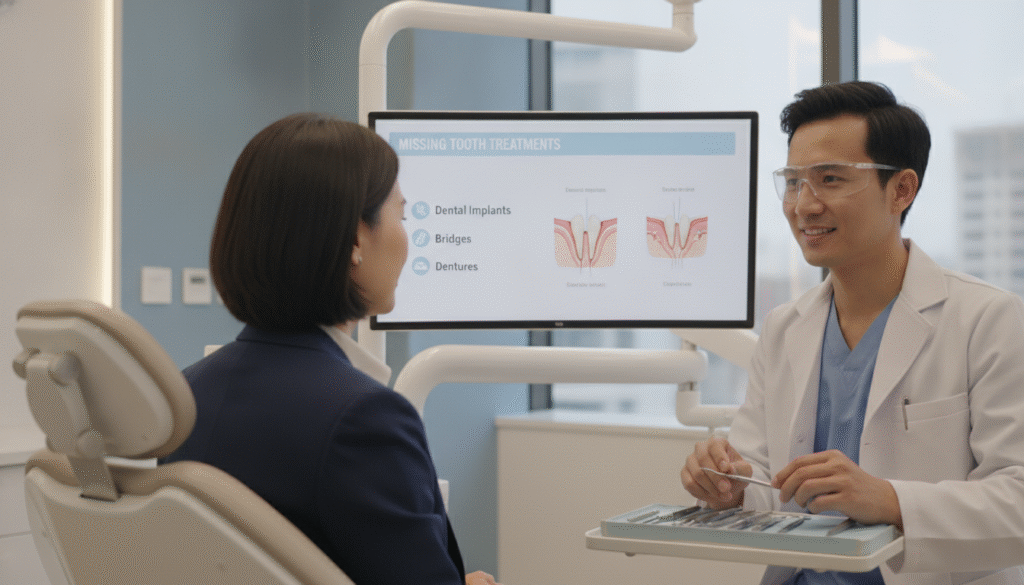
There are many ways to replace lost teeth, each with its own benefits. Knowing these options helps people make better choices for their teeth. The main choices are dental implants, bridges, and dentures.
Dental Implants
Dental implants are seen as the top choice for tooth replacement. They involve a titanium post placed in the jawbone, acting as a fake root. Over time, the bone and implant bond, making the implant strong and stable.
The parts of a dental implant are:
- The implant body, which is the titanium post.
- The abutment, connecting the implant to the prosthetic crown.
- The prosthetic crown, which looks like a real tooth.
This method helps keep the bone from shrinking, which can happen after teeth are lost.
Bridges and Partials
Bridges are another good option for tooth replacement. A bridge has fake teeth attached to a metal frame, supported by healthy teeth. But, it means altering these teeth, which can be a drawback.
The Maryland bridge is a gentler choice. It attaches to the back of teeth without changing them much. Bridges usually last 10 to 15 years, making them a solid choice for many.
Dentures
Dentures are for people missing many teeth. They come in full and partial types. But, they can cause bone loss over time.
Implant-supported overdentures are a better option. They use implants for support, which helps keep the bone from shrinking. This makes them more comfortable and functional.
Advantages of Prompt Tooth Replacement
Replacing a lost tooth quickly has many benefits. It’s best to do it as soon as possible. Early action helps keep your mouth and body healthy. Here are the main reasons to act fast:
Preventing Bone Loss
When a tooth is lost, the bone around it starts to shrink. This happens because the bone doesn’t get the stimulation it needs. Without a tooth, the jawbone can weaken, leading to:
- Reduction in bone height and width: The jawbone loses density without a tooth.
- Increased risk of further tooth loss: Teeth next to the empty space may move, causing gaps.
- Complications for future dental procedures: Not enough bone can make implants hard or impossible to place.
Maintaining Oral Function
Replacing a tooth quickly helps keep your mouth working right. A missing tooth can mess up chewing, leading to:
- Altered bite: This can cause jaw pain and discomfort.
- Increased risk of temporomandibular joint disorders: Misaligned teeth can lead to chronic pain and jaw problems.
- Difficulty in speaking: Missing teeth can make it hard to speak clearly.
Aesthetic Considerations
Replacing a tooth fast also makes your smile look better. A full smile can:
- Enhance self-image: People often feel more confident with a full set of teeth.
- Support facial structure: Restoring teeth helps keep the face looking natural.
- Improve social interactions: A complete smile can make personal and professional relationships better.
In summary, quick tooth replacement has many benefits. It helps your health, how you feel, and how you look. Acting fast can keep your mouth healthy and improve your life.
Risks of Delaying Replacement
Waiting too long to replace a lost tooth can cause serious problems. These issues affect how your smile looks and your mouth’s health. It’s important to know these risks to make good choices about your teeth.
When a tooth is lost, other teeth might move to fill the gap. This can cause teeth to become misaligned. This misalignment can lead to chewing problems and TMJ issues, causing pain and discomfort.
Shifting Teeth and Misalignment
Teeth can shift when a tooth is lost. This can lead to:
- Increased wear on the remaining teeth
- Difficulty in maintaining proper oral hygiene
- Higher likelihood of developing cavities in misaligned teeth
Increased Risk of Gum Problems
Shifting teeth can create new places for plaque to build up. This increases the risk of cavities and gum disease. People may face:
- Inflammation of the gums
- Increased sensitivity and pain
- Potential tooth loss if untreated
Impact on Bite and Jaw Health
Not replacing a tooth can upset the balance of the mouth. This can cause:
- Occlusal trauma, causing uneven pressure on teeth
- Masticatory muscle dysfunction, resulting in pain
- Internal derangements of the temporomandibular joint, affecting jaw movement
Without the support of back teeth, the front teeth can sink too far into the mouth. This might need expensive fixes that could be avoided with early action.
| Risk Factor | Potential Consequences | Preventive Measures |
|---|---|---|
| Shifting Teeth | Misalignment and bite issues | Timely tooth replacement |
| Gum Problems | Increased plaque retention | Regular dental check-ups |
| Jaw Health | TMJ disorders and pain | Proper dental care and replacement |
Consulting with a Dental Professional
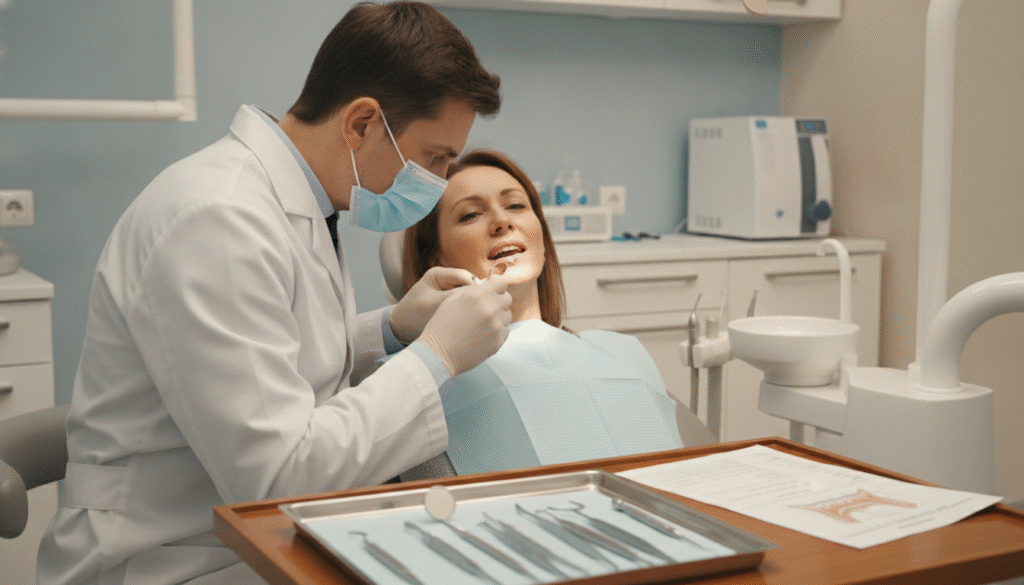
Talking to a dentist is a key step in finding a new tooth. They will check your teeth and decide the best option for you. This helps plan your treatment and learn about your choices.
Importance of a Professional Evaluation
A dentist will check your teeth thoroughly. They will look at:
- Your gums and teeth
- How strong your teeth are
- Make models and scans of your teeth
They use special scans to see your jaw and nerves. This helps them plan your treatment carefully.
Questions to Ask Your Dentist
It’s good to have questions ready for your dentist. Here are some important ones:
| Question | Purpose |
|---|---|
| What is your experience with tooth replacements? | To know how skilled the dentist is. |
| Why do you recommend this specific treatment? | To understand why they suggest it. |
| What is the expected timeline for the treatment? | To know when things will happen. |
Understanding Treatment Plans
After checking you, the dentist will tell you a plan. This plan will include:
- Steps like bone grafting if needed
- When each part of the treatment will happen
- When you’ll get your new tooth
Knowing what to expect makes you feel more at ease with your treatment.
Aftercare After Tooth Replacement
Getting a tooth replacement starts your journey to a new smile. It’s important to take good care of it to last long. This guide will help you with aftercare, like follow-up visits, keeping your mouth clean, and what to eat.
Follow-Up Appointments
Going back to the dentist after your tooth replacement is key. They check how well it’s doing. They look at:
- The implant and bone connection.
- How your bite feels.
- They clean your teeth to prevent plaque.
These visits help find problems early. This keeps your new tooth in top shape.
Maintaining Oral Hygiene
Keeping your mouth clean is critical for your new tooth. Here’s how:
- Use gentle toothpaste to avoid damage.
- Use special brushes and water flossers for a deep clean.
- Use special floss for areas hard to reach.
Take care of it like your natural teeth. Brush, floss, and see the dentist regularly.
Dietary Considerations
Your diet affects your tooth replacement. At first, eat soft foods to help the implant bond. Later, you can eat normally. But remember:
- Avoid hard or sticky foods that could harm your tooth.
- Eat a balanced diet for your mouth’s health.
Cost Considerations
It’s important for patients to understand the costs of tooth replacement. The prices can vary a lot, depending on the method chosen. This section will look at insurance coverage, cost comparisons, and financing options.
Insurance Coverage for Tooth Replacement
Many dental insurance plans help cover the costs of tooth replacement. Procedures like bridges and dentures often get better coverage. But, dental implants are seen as a “major” procedure, which means less coverage and possible annual limits.
Comparing Costs of Different Options
When thinking about tooth replacement, look at the long-term costs, not just the initial price. For example, a bridge might cost less upfront but could need to be replaced sooner. On the other hand, dental implants are pricier at first but can last longer with proper care.
Financing Options Available
There are several ways to manage the costs of tooth replacement. Options include:
- Health Savings Accounts (HSAs): These accounts let patients save pre-tax dollars for medical expenses, including dental care.
- Flexible Spending Accounts (FSAs): Like HSAs, FSAs allow employees to save pre-tax income for healthcare costs.
- Third-Party Financing: Many dental offices work with financing companies. They offer payment plans, making better options more affordable.
Recovery Timeline for Tooth Replacement
Knowing the recovery timeline for tooth replacement is key for a smooth healing. The journey includes several stages, mainly for dental implants. This section will cover the healing process, adjustments for dentures or bridges, and signs of complications.
Healing Process after Implants
After getting a dental implant, healing takes 3 to 6 months. This time is for osseointegration, where the implant bonds with the bone. The body first goes through inflammation, a natural healing step.
Then, the soft tissue around the implant starts to heal. This phase is vital for the implant’s long-term stability. By the end of 3 to 6 months, the implant is ready for a permanent tooth replacement.
Adjusting to Dentures or Bridges
Adjusting to dentures or bridges takes time. Patients face a learning curve in controlling their new teeth. They might have trouble speaking or feel sore spots, but these usually go away in weeks.
Regular dental check-ups are important during this time. Talking openly with your dentist can help ensure you’re comfortable and happy with your new teeth.
Signs of Complications
While most recoveries go well, knowing the signs of trouble is important. Look out for:
- Persistent pain that doesn’t go away
- Pus around the implant site
- Bone loss shown on X-rays
- Bridge cement keeps failing
If you notice these signs, see your dentist right away. Early action can prevent bigger problems and ensure your tooth replacement works well.
Impact of Lifestyle on Replacement Timing
Lifestyle choices can greatly affect when and if tooth replacement works. Knowing how smoking, diet, and dental visits impact your mouth is key. It helps you make smart choices about your dental care.
Smoking and Oral Health
Smoking is a big risk that can slow down tooth replacement. It cuts down blood flow to the gums. This makes it harder for your mouth to heal after losing or replacing a tooth.
Smoking also brings in heat and harmful chemicals. Many dentists suggest waiting to get implants if you smoke. They want to make sure you get the best results.
Diet and Nutrition Factors
What you eat is very important for your mouth’s health and healing. Not getting enough calcium, vitamin D, or protein can hurt bone healing. This is key for dental implants to work well.
Eating too much sugar can make cavities and gum disease worse. This can harm your teeth and any dental work you have. So, eating well is important for your teeth to stay healthy.
Importance of Regular Dental Visits
Going to the dentist regularly is not just a good idea. It’s essential for tooth replacement to succeed. These visits let your dentist keep an eye on your mouth’s health.
Regular check-ups help your dentist watch the health of your implants and dental work. This early action can stop problems and help your tooth replacement last longer.
Long-Term Maintenance of Replacement Teeth
To keep replacement teeth lasting, a good care routine is key. Taking care of them not only makes your smile look better but also helps your overall mouth health. It’s important for both the patient and the dentist to work together for the best results.
Routine Care and Check-Ups
Going to the dentist regularly is important. During these visits, the dentist will check on your teeth. They will look for any problems and make sure everything is working right.
- Probing for peri-implant mucositis or peri-implantitis
- Checking for occlusal overload
- Taking periodic radiographs to monitor crestal bone levels
These checks help find problems early. This way, you can get help right away and keep your teeth in good shape for longer.
The Role of Professional Cleanings
Professional cleanings are very important for your teeth’s health. Dentists use special tools to clean implants without damaging them. This is different from cleaning natural teeth.
- Remove plaque and tartar buildup
- Prevent infections
- Ensure the integrity of the replacement
These cleanings help keep your teeth and mouth healthy. They also make sure your teeth last longer.
At-Home Care Techniques
Teaching patients how to care for their teeth at home is also key. There are a few things you can do:
- Using a power toothbrush with the correct technique
- Daily application of a water flosser with a non-alcoholic antimicrobial rinse
- Utilizing proxy-brushes to clean complex prosthetic contours
These steps help keep your teeth clean and your restoration lasting longer.
Conclusion: Making Informed Decisions
Dealing with tooth loss is key for keeping your health in check. When you replace a tooth, it affects your mouth and body. Waiting too long can cause problems like bone loss and tooth movement.
On the other hand, getting a tooth replaced quickly helps keep your mouth and smile looking good. It also helps you chew and speak better.
Looking after your teeth is a must for your health. Every step you take to replace a lost tooth helps your future health. If you need a denture after losing a tooth, getting it soon is important.
This helps control swelling and makes it easier to get used to. Even with a denture, your bone will change. So, it’s important to see your dentist regularly to make sure your denture fits right.
Talking to a dentist helps you make smart choices for your teeth. Acting fast can stop bigger problems later and make your life better.