
Invisalign With Wisdom Teeth: What You Need to Know
Are you thinking about clear aligner therapy but worried about your wisdom teeth? Many people face this issue every year. They want to straighten their teeth but their wisdom teeth are coming in.
It’s important to know if Invisalign with wisdom teeth works well together. Wisdom teeth usually come in between 16 and 25 years old. This is when many people get their teeth straightened. We need to look at how teeth move and when they grow.
Many things decide if these treatments can work together. How old your wisdom teeth are, where they are in your jaw, and if there’s room in your mouth matter a lot. Treatment timing is key when planning these dental steps.
This is important because both wisdom teeth coming in and teeth straightening change where your teeth are. If not planned right, it could mess up your treatment or cause problems. We’ll give you advice based on science to help you with these dental changes.
Key Takeaways
- Treatment compatibility depends on the developmental stage and positioning of your third molars within the jaw
- Wisdom teeth typically emerge between ages 16-25, often coinciding with the period when patients seek orthodontic correction
- Proper orthodontic treatment planning requires evaluating available space in the dental arch before beginning clear aligner therapy
- Coordinating treatment timing between wisdom tooth management and teeth straightening prevents possible complications
- Both processes involve dynamic tooth movement that can interfere with each other without professional guidance
- Clinical assessment of third molar positioning helps determine whether extraction should precede or follow aligner treatment
Can You Use Invisalign With Wisdom Teeth?
Using Invisalign with wisdom teeth is not always straightforward. It depends on your dental situation. You need to check if your wisdom teeth are fully grown and how they might affect your treatment.
If your wisdom teeth are fully grown and stable, you can use Invisalign without issues. The same goes if you’ve already had them removed. But, things get tricky if your wisdom teeth are growing or moving during treatment.
When wisdom teeth are growing or moving, you need careful planning and monitoring. This ensures your orthodontic treatment goes well.
The Function and Position of Third Molars
Wisdom teeth are the last set of molars that grow in the back of your mouth. They usually come in between 16 and 25 years old. Our ancestors needed these teeth to chew tougher foods.
But, our jaws have shrunk over time. This means we often don’t have enough room for our wisdom teeth. This can lead to problems when they try to come in.
Wisdom teeth are at the back of your mouth. When they come in, they can push on your second molars. This can make your teeth move and cause crowding.

It’s important to know how wisdom teeth can affect your teeth when using clear aligners. Teeth that are moving can be easily pushed out of place. The forces from Invisalign can be disrupted by wisdom teeth coming in.
Several things can affect your oral health with wisdom teeth:
- Eruption status: Whether the teeth are fully emerged, partially visible, or completely impacted beneath the gum line
- Angulation: The direction these molars are growing, which can be vertical, horizontal, or angled
- Available space: Whether your jaw has adequate room to accommodate these additional teeth
- Impact on adjacent teeth: Any pressure or displacement affecting the second molars
How Third Molars Affect Aligner Therapy
The impact of third molars on Invisalign treatment depends on several factors. There are three main scenarios to consider.
Scenario one is for wisdom teeth that are fully grown and stable. If these teeth are not causing problems, they usually don’t interfere with Invisalign. The teeth are in their final position, and the forces in your mouth are stable.
Patients with good oral hygiene around these teeth can finish Invisalign treatment successfully. Regular check-ups help avoid any late-stage problems.
Scenario two is for patients who had their wisdom teeth removed before starting treatment. Without these teeth, there’s no risk of eruption problems. This makes planning your orthodontic treatment easier.
Without wisdom teeth, orthodontists can plan your treatment with confidence. They know no new teeth will come in to disrupt the movement of your teeth. This is the best situation for clear aligner therapy.
Scenario three is the most challenging. It’s when wisdom teeth are growing or impacted during treatment. These teeth can create unpredictable forces that can undo the planned tooth movements.
This situation can lead to several problems:
- Compromised treatment results as erupting teeth push against the planned alignment
- Extended treatment duration to compensate for unwanted tooth movement
- Need for mid-treatment plan modifications and additional aligner sets
- Potential requirement for wisdom tooth extraction before completing orthodontic therapy
Getting X-rays is key before starting treatment. They show the position, growth stage, and direction of your wisdom teeth. This helps orthodontists predict any problems and plan your treatment.
The relationship between dental arch crowding and wisdom teeth needs careful thought. Wisdom teeth can push on your other teeth, undoing months of orthodontic work. This can cause spacing issues, rotations, or overlapping, affecting the look and function of your teeth.
Understanding these factors helps both patients and orthodontists make better decisions. Sometimes, removing wisdom teeth before starting treatment is best. Other times, you can start treatment while watching your wisdom teeth with regular X-rays.
The Importance of Dental Evaluation
Getting a full dental check is key to figuring out if Invisalign works with impacted wisdom teeth. This check isn’t just about how teeth line up. It looks at the whole mouth, including wisdom teeth.
Starting treatment without checking for wisdom tooth issues can lead to problems. The first step helps spot any issues before they cause trouble.

Meeting With Your Orthodontic Specialist
The orthodontic consultation is more than just a first meeting. Specialists do a deep check of your mouth. They look at soft tissues, tooth positions, and jaw alignment.
They also check how your upper and lower teeth fit together. They look at your bite, jaw position, and any teeth problems. This detailed check helps plan your treatment.
This meeting is a chance for you and the specialist to talk. They look at your dental and medical history. You can share your concerns about your wisdom teeth.
This process helps us see your whole oral health, not just what you can see in the mirror.
During the meeting, specialists talk about how wisdom teeth might affect your Invisalign plan. They discuss timing, possible problems, and when to deal with wisdom teeth. This clear talk helps you make the best choice for your care.
Just looking at your mouth isn’t enough to know about wisdom teeth. Many are hidden in bone. So, we need special scans to plan your treatment.
Diagnostic Imaging and Wisdom Tooth Assessment
A panoramic radiograph gives a full view of your teeth in one picture. It shows wisdom teeth’s position, angle, and growth stage. This helps specialists see how everything fits together.
These X-rays show if wisdom teeth are hidden or trapped. They also show how close they are to other teeth and important structures. You can see nerves, sinuses, and blood vessels.
Advanced scans like CBCT give even more detail. They show wisdom teeth’s exact position in 3D. This gives a clear view of any challenges.
These scans help predict wisdom teeth’s future. Specialists can tell if they have room to come in or if they’ll stay hidden. This helps plan your treatment for the long term.
Scans also show how developed wisdom teeth are. Some are ready to come in, while others are just starting. Knowing this helps plan when to start Invisalign.
Key benefits of detailed scans include:
- Assessment of impaction severity and the likelihood of future eruption complications
- Evaluation of root formation and relationship to mandibular nerves
- Identification of pathological conditions such as cysts or tumors associated with impacted teeth
- Measurement of available space in the posterior jaw regions
- Documentation of baseline conditions for monitoring changes during treatment
Scans also help orthodontists and oral surgeons work together. If removing wisdom teeth is needed, scans help plan the surgery. This teamwork ensures the best timing and avoids delays.
Starting Invisalign without checking wisdom teeth is a big mistake. The detailed checks protect your investment and ensure success. Knowing all the facts is key to making the right choice.
The evaluation process is a safety net against avoidable problems. Patients who get a thorough check before starting Invisalign have a smoother journey. This upfront effort pays off throughout treatment and beyond.
What Happens If Wisdom Teeth Erupt During Treatment?
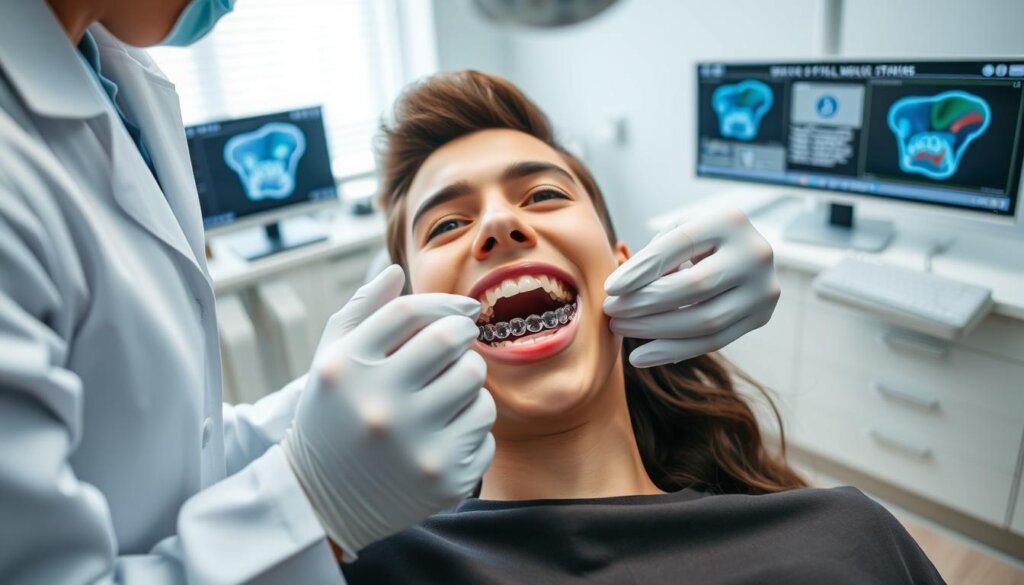
When wisdom teeth come in during orthodontic treatment, it can mess up your aligner plan. The new teeth push against other teeth, making it hard for your clear aligners to work right. This can cause problems in the middle of your treatment and needs to be fixed by your orthodontist fast.
Patients often feel their aligners don’t fit right when wisdom teeth start coming in. The new tooth puts pressure on the teeth, stopping them from moving as planned. This can mess up the whole treatment plan because Invisalign needs each step to work together.
Signs that wisdom teeth are causing trouble include aligners feeling too tight or uncomfortable. You might see gaps between your teeth and the aligner. This means your teeth aren’t moving like they should.
Modifying Your Treatment Plan
If wisdom teeth come in while you’re wearing aligners, your orthodontist will need to change your plan. First, they’ll stop your current aligner to check how the tooth has changed your teeth. This pause helps avoid using aligners that don’t fit your teeth anymore.
Your orthodontist will take new pictures or scans to see how your teeth have changed. These pictures help make a new plan that takes into account the wisdom tooth. This plan might need to change how your teeth move.
Orthodontists use special software to adjust your treatment plan. They can make new aligners that work around the wisdom tooth or fix any changes it caused. Sometimes, they might even suggest pulling out the wisdom tooth right away to fix the problem faster.
The table below shows how treatment might change based on how bad the eruption is:
| Eruption Severity | Treatment Modification | Timeline Impact | Extraction Recommendation |
|---|---|---|---|
| Minimal eruption with no shifting | Continue current plan with monitoring | No delay expected | Optional, discussed for prevention |
| Moderate eruption with minor shifting | Pause and rescan for refinements | 2-4 week extension | Recommended within treatment period |
| Significant eruption with tooth displacement | Immediate extraction then treatment restart | 6-8 week extension minimum | Required before continuing aligners |
| Complete eruption with arch crowding | Full treatment plan redesign | 3-6 month extension possible | Strongly recommended or required |
Addressing Pain and Discomfort
Managing pain is key when wisdom teeth erupt during orthodontic treatment. Patients often feel pain from the tooth coming in and from the aligners. This can make it hard to do daily things and follow treatment.
Over-the-counter pain meds like ibuprofen (400-600mg every 6-8 hours) help with pain and swelling. Acetaminophen is a good choice for those who can’t take ibuprofen.
Topical treatments like oral anesthetic gels can help with gum pain. Antiseptic mouth rinses prevent infection. Cold compresses on the jaw can also help with swelling and pain.
But these fixes only help with symptoms, not the real problem. To really fix the pain, you might need to watch the tooth or get it removed. Your orthodontist will work with a surgeon if you need surgery, trying to keep your treatment on track.
By making adjustments and managing pain, most patients can get through mid-treatment problems. Talking regularly with your orthodontist helps catch any issues early, keeping your treatment on track.
Can Invisalign Help With Crowding from Wisdom Teeth?
Crowding from wisdom teeth is a big challenge for orthodontics. It’s important to know if Invisalign can fix this problem. Many people want to fix dental crowding correction but don’t know the root cause.
Some think clear aligners can just move teeth back into place while wisdom teeth stay. But, the truth is more complex. Wisdom teeth pushing forward on teeth makes it hard to keep teeth straight.
The link between wisdom teeth and orthodontic treatment needs a careful look. Invisalign can move front teeth into better alignment. But, if the cause of crowding isn’t fixed, the results won’t last.
Addressing the Root Cause of Crowding
Fixing crowding from wisdom teeth often means a step-by-step plan. First, you tackle the source of the problem. This way, the fix lasts longer.
Removing wisdom teeth early in treatment has big benefits. It opens up space and stops the crowding force. This makes it easier to align teeth properly.

Invisalign can then use this space wisely. It moves teeth a little at a time. This method is gentle and helps teeth adapt better.
Key parts of this treatment include:
- Elimination of pressure source: Taking out wisdom teeth stops the crowding force
- Space optimization: Removing teeth creates room for others to move
- Gradual correction: Small steps make it less painful
- Stability monitoring: Checking each step for any signs of problems
Clear aligners are great for crowding because they can be tailored. Your orthodontist can adjust the plan as needed. This is really helpful for dealing with wisdom tooth issues.
Advantages of Clear Aligner Technology
Clear aligners offer more than just looks. They are easy to remove, which is a big plus for complex cases like wisdom teeth. This makes them better than traditional braces.
The removable nature of aligners helps with oral hygiene. This is key for crowded teeth, which are harder to clean. This reduces the risk of gum disease and tooth decay.
Traditional braces are harder to clean because of metal parts. This is a big problem for patients with wisdom teeth and orthodontic treatment at the same time. They need to keep their teeth clean to avoid problems.
Aligners can be taken out for meals and cleaning. This makes it easier to brush and floss. It’s very important for keeping teeth healthy, even after wisdom teeth are removed.
More benefits of aligners include:
- Comfort profile: The smooth material doesn’t hurt like metal brackets
- Discreet appearance: They are almost invisible, which is good for those who don’t want to show off their braces
- Reduced irritation: No metal wires to cause mouth sores
- Dietary freedom: You can eat anything you want because they can be removed
These benefits are great for people dealing with wisdom teeth. They make clear aligners a good choice for many. It’s a way to fix crowding while keeping things comfortable and clean.
Preparing for Invisalign with Wisdom Teeth
Starting your Invisalign journey is more than just getting your aligners. It’s about getting ready, knowing your wisdom teeth are involved. This prep work helps avoid any bumps in the road. It makes sure your treatment goes smoothly.
Many people don’t realize how important it is to plan well before starting Invisalign with wisdom teeth. Your orthodontist and oral surgeon need to work together. This teamwork helps avoid any problems that could slow down your progress.
Strategic Planning and Timing Decisions
Deciding when to remove wisdom teeth is a big decision. You’ll need to look at pictures of your teeth to decide. This helps figure out if you should get your wisdom teeth out before starting Invisalign.
If your wisdom teeth are impacted or in the wrong spot, taking them out might be best. This way, you avoid any problems during your treatment. It also gives your orthodontist more room to work with.
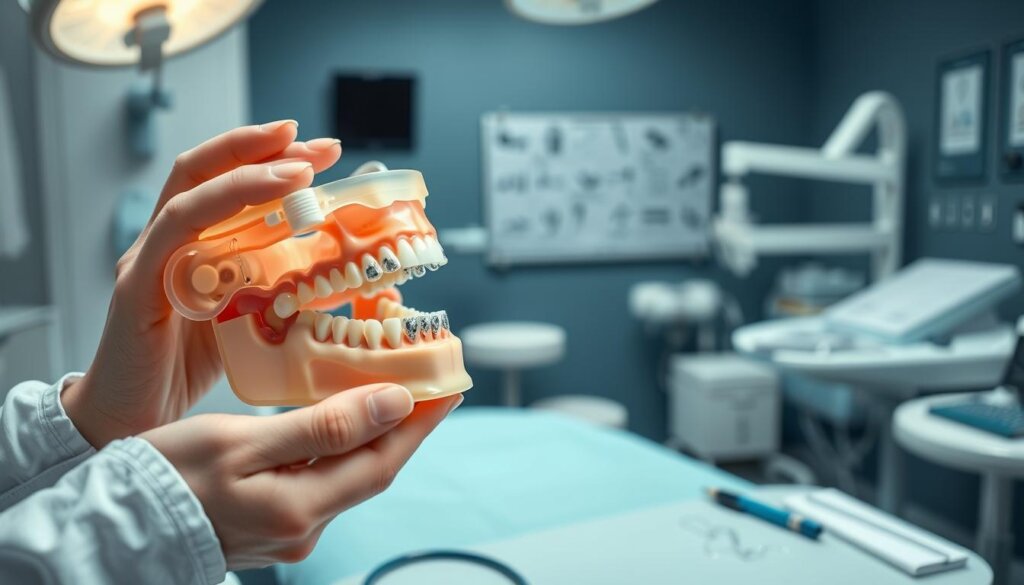
When to take out your wisdom teeth is very important. You need time to heal before starting Invisalign. Your oral surgeon will tell you how long you need to wait.
Patients need to take time to heal before starting any new treatment.
The healing time is usually:
- Soft tissue recovery: 2-4 weeks for initial healing of gum tissue and socket closure
- Bone regeneration: 6-12 weeks for substantial bone formation at extraction sites
- Complete healing: 3-6 months for full osseous maturity and remodeling
While you’re healing, it’s important to follow your dentist’s instructions. This includes what to eat, how to manage pain, and what activities to avoid. Your dentist and orthodontist should work together to make sure you start Invisalign at the right time.
If your wisdom teeth are already out and stable, you might not need to get them removed. But, you should keep an eye on them during your treatment. Regular dental check-ups are key to catching any problems early.
It’s also important to think about if you can stick to wearing your aligners. Invisalign needs you to wear them almost all the time. You need to be honest with yourself about if you can do this, even with wisdom teeth.
| Pre-Treatment Factor | Consideration for Third Molars | Timeline Impact | Success Indicator |
|---|---|---|---|
| Extraction Timing | Remove impacted wisdom teeth before aligner therapy | Add 6-12 weeks healing time | Complete socket closure and bone regeneration |
| Diagnostic Imaging | Evaluate third molar position and eruption pote | 1-2 weeks for analysis | Clear treatment pathway determined |
| Specialist Coordination | Synchronize orthodontist and surgeon schedules | Varies by provider availability | Unified treatment plan established |
| Patient Compliance | Assess ability to manage multiple treatment phases | Ongoing throughout preparation | Demonstrated commitment to protocols |
Talking to a dentist is the first step to see if Invisalign is right for you. They’ll help decide if you should get your wisdom teeth out before starting. This advice helps set up your treatment for success.
Establishing Optimal Oral Health Standards
Good oral hygiene is key before starting Invisalign. You need to fix any dental problems first. This includes cavities, gum disease, or issues with your wisdom teeth.
Your orthodontist will want to make sure your dentist says you’re ready. This means all dental work is done and your gums are healthy. You might need a cleaning, fillings, or gum treatment.
Learning how to take care of your teeth is important. You’ll get tips on brushing, flossing, and using mouthwash. These habits are the foundation for keeping your teeth healthy during treatment.
Brushing after meals is critical when wearing aligners. Food and bacteria can get trapped, leading to cavities. This is even more true for areas around wisdom teeth or extraction sites.
Adapting your flossing routine is also important. You’ll need to clean around your wisdom teeth and aligners. Your dentist can show you how to do this right.
Pre-orthodontic care might include:
- Comprehensive dental examination identifying all pathology requiring treatment
- Professional scaling and root planing to establish periodontal health
- Restorative procedures addressing cavities and failing dental work
- Antimicrobial therapy for active infections or inflammation
- Detailed home care instruction tailored to individual needs
Using mouthwash to kill bacteria is often recommended. It’s very helpful during the healing time after wisdom tooth removal. It helps your mouth heal faster and prevents complications.
Getting good at oral hygiene before Invisalign makes it easier to keep up with during treatment. This oral health optimization protects your investment and keeps your teeth healthy for the long term.
This time also helps you get used to caring for your aligners. You’ll learn to carry a toothbrush, plan your meals, and remember to take out your aligners. These habits help you stick to your treatment plan and get the best results from Invisalign.
Learning about oral hygiene during this time helps you take care of your teeth better. Knowing why certain steps are important makes you more likely to follow them. This knowledge helps you achieve better results with your Invisalign treatment.
Risks of Ignoring Wisdom Teeth During Treatment
Choosing to ignore wisdom teeth during Invisalign treatment can lead to serious problems. These issues can cause both immediate pain and long-term treatment complications. Knowing these risks helps both patients and doctors make better choices.
Starting orthodontic treatment with wisdom teeth problems can lead to unpredictable results. The planned tooth movements can be disrupted by erupting third molars. This often means more treatment, longer time, and higher costs.
Potential Complications
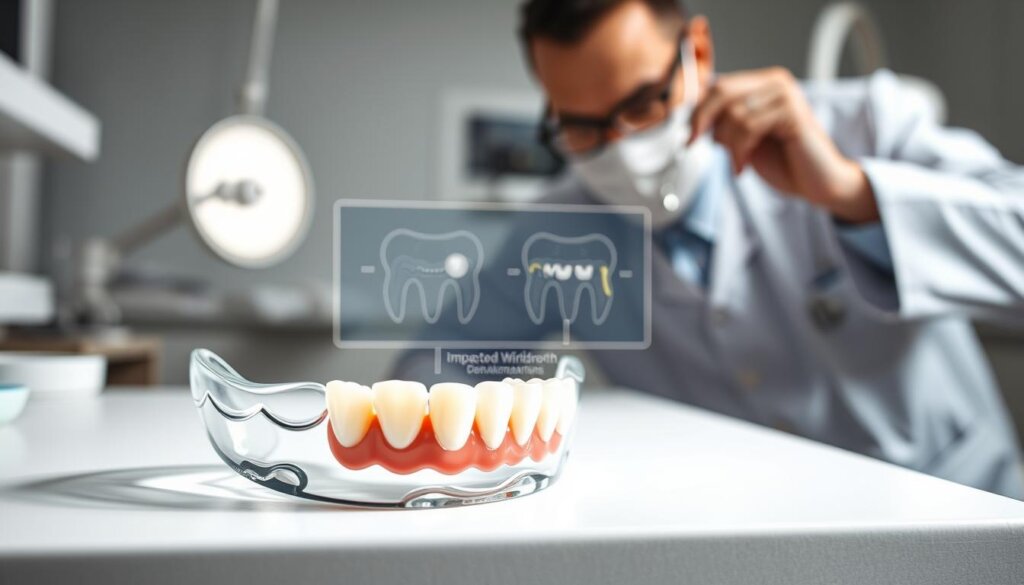
Ignoring wisdom teeth during Invisalign can lead to serious dental problems. These issues can affect both orthodontic results and overall oral health. They may even require emergency care.
Orthodontic relapse is a major problem for patients. After months or years of treatment, erupting wisdom teeth can push teeth out of place. This can happen during or after treatment, needing more orthodontic work.
Emerging third molars can cause teeth to become crowded again. This can ruin a patient’s straight smile. Fixing this problem adds extra costs and stress to the treatment.
Impacted wisdom teeth can cause cysts to form. These cysts can grow and damage bone and teeth. This can lead to serious complications.
Impacted wisdom teeth can also damage the roots of nearby teeth. This can cause the loss of a healthy second molar. Losing this tooth can affect chewing.
Pericoronitis risk increases without removing third molars. This condition causes pain, swelling, and infection. It can make wearing aligners difficult and affect treatment success.
Bacteria under the gum flap of a partially erupted tooth can cause abscesses. These need emergency treatment. This can include antibiotics, drainage, and extraction.
Waiting to remove wisdom teeth can make surgery harder. The longer they stay, the more roots develop. This makes extraction more difficult and risky.
Importance of Monitoring Dental Health
Regular check-ups during Invisalign treatment are key. They let orthodontists check wisdom teeth and overall health. These visits can catch problems early.
Checking aligner fit and tooth movement is important. If Invisalign compatibility with impacted wisdom teeth is a problem, early action can help. X-rays can show changes in wisdom teeth that aren’t visible.
Patients should watch for symptoms between visits. Pain, trouble with aligners, or swelling need quick doctor visits. Bad taste or smell can also be signs of infection.
Good care planning is the best way to avoid problems. Ignoring wisdom teeth can lead to big issues. Regular checks help catch and fix problems early.
Looking at these risks shows that planning care carefully is best. Treating wisdom teeth with orthodontics together avoids many problems. This approach protects the investment in treatment and dental health.
Alternatives to Invisalign with Wisdom Teeth
Wisdom teeth can make orthodontic treatment tricky. While Invisalign works well for many, some cases need different solutions. Knowing all options helps choose the best one for each person.
Wisdom teeth affect orthodontic treatment in similar ways, no matter the method. Both removable and fixed appliances face challenges with erupting third molars. The right choice depends on a detailed evaluation, not just assumptions.
Fixed Braces as an Alternative Option
Traditional braces are a tried-and-true choice. These fixed orthodontic appliances use brackets and wires for control. Orthodontists can adjust them at each visit.
Braces allow for quick changes if wisdom teeth come in unexpectedly. This flexibility is different from Invisalign’s set plans. But, erupting wisdom teeth can hinder progress, no matter the appliance.
Braces have their own hurdles with wisdom teeth and orthodontic treatment. Cleaning around brackets and wires is harder, raising infection risks. The hardware can also irritate soft tissues, adding to discomfort.
Braces often take longer than Invisalign for similar cases. This longer time increases the chance of wisdom tooth problems.

Additional Orthodontic Treatment Options
There are other options beyond metal braces. These include systems that are less visible but work well for wisdom teeth issues. They offer different ways to align teeth.
Lingual braces are one such option. They’re hidden from view and work like traditional braces. But, they can cause tongue discomfort, which might be worse with wisdom teeth.
Ceramic braces are another choice. They’re less noticeable than metal braces but need careful handling. Ceramic brackets are fragile and must be protected during wisdom tooth removal.
Accelerated orthodontic techniques are also available. These use special devices or surgery to move teeth faster. Options include:
- Propel system using micro-osteoperforations to stimulate bone remodeling
- AcceleDent device providing vibrational forces to enhance tooth movement
- Wilckodontics combining orthodontics with periodontal procedures
- High-frequency acceleration devices that patients use at home
These methods might shorten treatment time. But, they’re more expensive and complex.
The link between wisdom teeth and orthodontic treatment is the same for all methods. Wisdom teeth must be managed before or during treatment to avoid problems. No system completely avoids wisdom tooth issues.
Making the Right Treatment Choice
Choosing the right orthodontic treatment is complex. It depends on many factors, not just wisdom teeth. A good orthodontist will help find the best option based on your needs.
Usually, removing wisdom teeth before starting orthodontic treatment is best. This applies to all options, including Invisalign and traditional braces. Early removal prevents complications and ensures better results.
The choice between orthodontic systems should be based on individual needs. Each method has its own benefits and drawbacks. Getting advice from an orthodontist ensures the best treatment plan for you.
Patient Experiences: Invisalign and Wisdom Teeth
People share their real-life experiences with Invisalign and wisdom teeth. Their stories help us understand the challenges and solutions. They talk about their worries, decisions, and results, which can help others.
Learning from others who had Invisalign with wisdom teeth helps set realistic hopes. Both patient stories and expert views give a full picture of what’s possible.
Real Experiences from Invisalign Patients
Many worry about starting Invisalign with wisdom teeth. They fear the third molars might ruin their orthodontic work. Summerville Dental and others say Invisalign works even with wisdom teeth, if watched closely.
Those who got their wisdom teeth out before Invisalign are very happy. They say the wait was worth it to avoid problems later. Knowing the third molars won’t mess up their teeth’s alignment is a big relief.

Many ask, Can I have Invisalign if I have wisdom teeth? Yes, it’s possible with no pain and careful watching. People who talk well with their orthodontist and report any changes do well.
But, if wisdom teeth come in while wearing aligners, it’s frustrating. It means stopping treatment, more visits, surgery, and healing time. The plan might change, making it longer and possibly more expensive.
Some key points from patient stories are:
- Getting a good check-up at the start is key to being happy with treatment
- Talking openly about wisdom teeth makes people less worried
- Being part of the treatment plan makes things better
- Keeping an eye on things prevents surprises
- Following the orthodontist’s advice is very important
Even kids or teens can get Invisalign before wisdom teeth come out. They watch the wisdom teeth and remove them when they start to show. This way, the orthodontic work is safe and fits with growing teeth.
Professional Perspectives from Orthodontic Specialists
Orthodontists share their knowledge on Invisalign and wisdom teeth. They say every case is different and needs its own plan. Things like age, wisdom tooth stage, space in the mouth, and how complex the teeth are affect the best treatment.
Many orthodontists suggest taking out wisdom teeth before starting Invisalign for teens and young adults. If the X-rays show the third molars will come in during treatment, taking them out early is best. This needs working with an oral surgeon but usually leads to better results and fewer problems during treatment.
New technology helps spot problems early. If the teeth don’t move as planned, digital scans can quickly check. Making changes early can prevent big problems and keep the orthodontic work on track.
Experts say following the rules is key for success. Wearing Invisalign aligners for 20-22 hours a day and keeping teeth clean is very important. This is even more true when dealing with wisdom teeth.
Orthodontists see that those who wear their aligners as directed do better. Keeping up with appointments, good hygiene, and telling the orthodontist about any issues are all important. Even with wisdom teeth, these steps help achieve good results.
| Treatment Approach | Patient Satisfaction | Common Challenges | Success Factors |
|---|---|---|---|
| Extraction Before Invisalign | High satisfaction with predictable outcomes | Initial treatment delay, surgical recovery period | Proper healing time, coordinated planning with oral surgeon |
| Invisalign With Monitoring | Good satisfaction with stable wisdom teeth | Requires vigilant symptom reporting, regular assessments | Excellent communication, asymptomatic third molars |
| Mid-Treatment Extraction | Moderate satisfaction due to complications | Treatment interruption, plan revision, extended timeline | Prompt intervention when issues arise, flexible treatment planning |
| Younger Patient Protocol | High satisfaction with early intervention | Timing coordination, developmental monitoring | Regular radiographic assessment, proactive extraction timing |
Experts agree that Invisalign and wisdom teeth can work together well. Good planning, acting fast when needed, and keeping an eye on things during treatment are key. This way, success is more likely.
Orthodontists say being open about what might happen helps patients. When people know what could happen and help decide, they’re happier. This team effort respects the patient’s wishes while using expert knowledge for the best results.
Both patient stories and orthodontist advice show the value of custom plans. Invisalign with wisdom teeth can be managed well with the right approach. The mix of patient effort and expert care leads to good results, even with complex cases involving wisdom teeth.
Common Misconceptions about Invisalign and Wisdom Teeth
It’s important to separate fact from fiction when it comes to wisdom teeth and clear aligners. Many orthodontic myths come from simple misunderstandings or old dental practices. Knowing the truth helps patients make better choices for their teeth.
These myths can block the way to good dental care and might lead to extra procedures or delayed treatment. The link between wisdom teeth and orthodontic treatment is complex and depends on each person. By using evidence-based orthodontics, we can set realistic goals and improve treatment results.
Debunking Popular Myths
One big myth is that you must remove wisdom teeth before starting Invisalign. This is not always true. Some people can get clear aligners even if they have wisdom teeth.
Whether or not to remove wisdom teeth depends on how they might affect tooth movement. A dentist or orthodontist will check this with X-rays and a physical exam. Removing wisdom teeth without checking first is an old-fashioned way of planning orthodontic treatment.
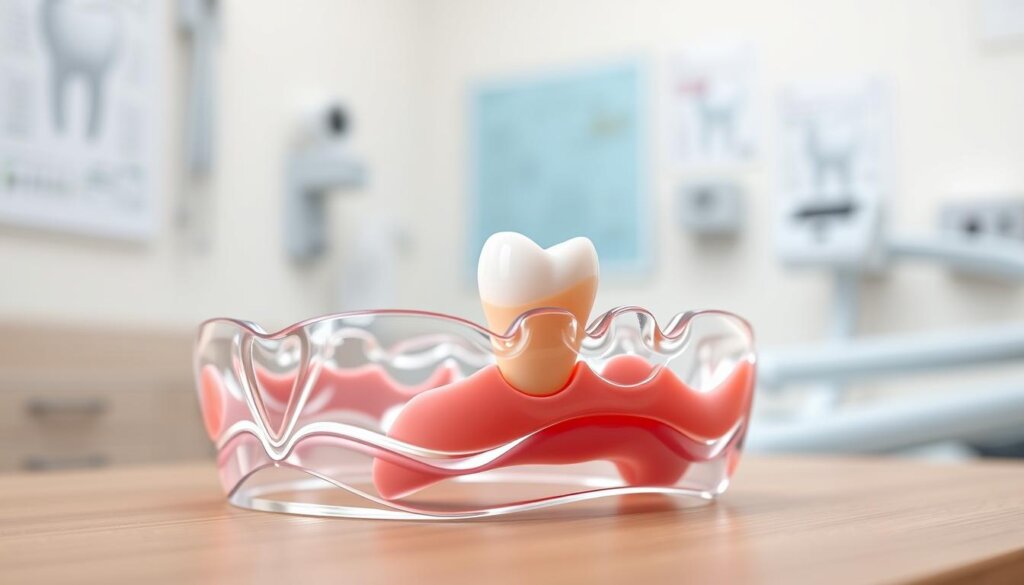
Another myth is that wisdom teeth never affect orthodontic treatment. But, wisdom teeth can sometimes cause problems. They might push other teeth out of place or make it hard for teeth to move as planned.
Studies show that wisdom tooth misconceptions about their impact are wrong. Ignoring the effects of wisdom teeth can lead to treatment failures.
The next myth is that clear aligners during wisdom tooth eruption can fix crowded teeth forever. While Invisalign can straighten teeth, it won’t work if wisdom teeth keep pushing them. Treating symptoms without fixing the cause means problems will come back.
To fix teeth for good, we need to stop the forces that made them crooked in the first place.
Another myth is that starting Invisalign with wisdom teeth means you’ll have to start over after they’re removed. The impact of wisdom teeth on treatment depends on many things. Some people might need only small changes, while others might need big ones.
Acting fast can help avoid big changes. This myth makes people worry more than they need to, as they might only need small adjustments.
The last myth mixes up wisdom tooth pain with Invisalign discomfort. These are two different things with different causes and solutions. Wisdom tooth pain is usually in the back of the jaw and might make it hard to open your mouth.
Discomfort from Invisalign is a general feeling that gets better over time. Sometimes, people feel both kinds of pain at the same time. But knowing the difference helps treat each problem right.
Professional Perspectives on Treatment Planning
Orthodontists and oral surgeons say we should look beyond these orthodontic myths to understand each patient’s needs. They say a full check-up is key before starting treatment. This includes looking closely at wisdom teeth, which is very important for young people.
Removing wisdom teeth before orthodontic treatment is a topic of debate. But, when treatment is expensive and time-consuming, removing them might be a good idea. This way, the treatment can work better.
Experts agree that ignoring the risks of wisdom teeth is not okay. Evidence-based orthodontics means planning treatment based on a full check-up. This way, patients know what to expect and can make informed choices.
Working together with patients means listening to their concerns and values. Some people might do well with clear aligners during wisdom tooth eruption, while others might need changes. The key is a thorough check-up to find out.
Experts say we need to educate patients and be open with them. Orthodontists who explain the science behind their plans help patients feel more involved in their care. This leads to better results and happier patients.
Lifestyle Considerations While Using Invisalign
Using Invisalign with wisdom teeth requires careful lifestyle choices. The clear aligners are easy to remove, unlike traditional braces. It’s important to develop habits that protect your orthodontic progress and oral health.
When you have wisdom teeth and Invisalign, your daily routines need extra attention. Proper planning helps avoid complications and ensures the best results. Here are the key lifestyle adjustments you’ll need to make during treatment.
Eating and Oral Care Tips
Eating and oral care become more important with Invisalign and wisdom teeth. You can eat normally because the aligners are removable. Just take them out before meals to enjoy your favorite foods.
But, wisdom tooth recovery needs special diet care. Soft foods help the healing site and provide nutrition. You’ll need to eat soft foods for about one to two weeks.
Orthodontic diet recommendations include protein-rich smoothies for tissue repair. Yogurt is good for your digestive health. Scrambled eggs, mashed potatoes, and oatmeal are also great options.
Avoid hard foods like nuts or chips to prevent complications. Sticky foods can get stuck in wounds. Drinking through straws can also cause dry socket pain.
Daily aligner care is critical to prevent bacteria buildup. Brush your teeth well before putting in the aligners. This removes food particles that can harm your teeth.
Flossing is also key, around the back teeth where wisdom teeth are. Use interdental brushes or water flossers if regular floss is hard to use.
Clean your aligners regularly to keep them clear and hygienic. Use a soft toothbrush and mild soap. Special systems can also sanitize your aligners.
| Recovery Phase | Recommended Foods | Foods to Avoid | Oral Care Focus |
|---|---|---|---|
| Days 1-3 Post-Extraction | Cold smoothies, protein shakes, applesauce, pudding, ice cream | Hot foods, crunchy items, spicy dishes, alcoholic beverages | Gentle rinsing with salt water, no brushing near extraction sites |
| Days 4-7 | Scrambled eggs, mashed potatoes, pasta, soup, soft bread | Hard vegetables, tough meats, chips, popcorn, seeds | Resume gentle brushing, continue salt water rinses, maintain aligner hygiene |
| Days 8-14 | Well-cooked chicken, fish, rice, cooked vegetables, soft fruits | Extremely hard or sticky foods, whole nuts, chewy candy | Full oral care routine restored, thorough cleaning before aligner reinsertion |
| After 2 Weeks | Gradual return to normal diet based on comfort level | Monitor tolerance, avoid foods causing discomfort | Continue excellent hygiene practices, professional dental cleaning as scheduled |
Managing Stress and Discomfort
Managing discomfort is a big challenge with orthodontic treatment and wisdom teeth. Invisalign can cause pressure as teeth move. This feeling is normal and means treatment is working.
Wisdom teeth add to the discomfort, either during eruption or after extraction. Pain management strategies are key. Over-the-counter pain relievers like ibuprofen can help.
Acetaminophen is another option for those who can’t take ibuprofen. Cold compresses can also help by reducing swelling and numbing pain. Use them for 15 minutes at a time.
Getting enough rest is important for healing. Sleep helps your body repair tissues and reduces pain. Try to sleep for seven to nine hours during treatment.
Stress reduction techniques are also important. Deep breathing and muscle relaxation can help manage pain. Meditation and mindfulness can also help you stay focused during treatment.
Talking to your healthcare provider about pain is important. If pain is severe or doesn’t get better, you need to seek help. Your orthodontist or oral surgeon can help.
Managing the mental side of dental treatment is also important. Invisalign with wisdom teeth treatment is a big focus period. Remembering that it’s temporary can help you stay motivated.
Having a support system is vital. Family and friends can offer help and encouragement. Online communities can also provide support and advice.
The benefits of a straight smile and healthy wisdom teeth are worth the temporary discomfort. Focus on these goals to get through the tough times.
Post-Treatment Care with Wisdom Teeth
After your last Invisalign aligner is removed, the real work starts. This is true, even with wisdom teeth. Getting your teeth straight is a big step. But keeping them that way takes a lot of work.
Your teeth are not stable yet. The periodontal ligaments need time to adjust. Without proper care, your teeth might move back.
Wisdom teeth can make things harder. They can push on your teeth even after treatment. This can make your teeth move back.
Maintaining Your Results Through Proper Retention
Keeping your teeth straight is key. Your orthodontist will tell you how to do this. You might need to wear retainers all the time at first.
Later, you’ll only wear them at night. Wearing retainers every night helps keep your teeth in place. Missing nights can cause small movements to add up.
There are a few types of retainers:
- Removable clear retainers: Look like Invisalign but keep teeth in place
- Fixed retainers: Thin wires that keep teeth from moving
- Traditional wire retainers: Metal wires and acrylic parts
Your orthodontist will choose the best one for you. If you kept your wisdom teeth, you might need a simpler retainer.
Keeping retainers on is even more important if you have wisdom teeth. These teeth can push on your teeth. Your orthodontist might say you should wear retainers at night forever.
Some doctors might suggest taking out wisdom teeth before they cause problems. This can help keep your teeth straight.
Importance of Regular Dental Monitoring
Going to the dentist regularly is very important. It helps keep your teeth straight and your mouth healthy. These visits are like a safety net for your teeth.
Your orthodontist can check if your teeth are staying in place. They can also fix or replace your retainers. Broken or worn-out retainers don’t work well and should be replaced.
These visits also help your dentist keep your teeth clean. Good dental health means more than just straight teeth. It means healthy gums and a good bite too.
Checking on your wisdom teeth is also important. X-rays can show if they’re moving. Catching problems early can stop big problems later.
How often you go to the dentist depends on your situation. Here’s a good plan:
- Check your retainers at 3, 6, and 12 months after treatment
- Go back for regular checks every year
- See your dentist every six months for cleanings and checks
- Get X-rays as needed to check on your wisdom teeth
Remember, taking care of your teeth is a lifelong job. Regular dental visits are key to keeping your teeth straight. This helps avoid expensive problems later.
This way of caring for your teeth is a team effort. Your dentist and orthodontist work together to keep your teeth and wisdom teeth healthy. This helps your orthodontic treatment last longer and keeps your mouth healthy.
When to Consider Wisdom Tooth Extraction
Deciding when to remove wisdom teeth is key for Invisalign patients. It’s about looking at current symptoms and future risks. Knowing when to remove them helps avoid problems that could mess up your orthodontic plan.
Figuring out the right time for removal means looking at clinical indicators and planning with your dental team. If your wisdom teeth are impacted, acting early can make the process easier and improve results.
Recognizing Warning Signs That Indicate Extraction Need
There are clear signs that might mean you need to have your wisdom teeth removed. Recurring pain in your jaw’s back is a big one. This pain might stay in one spot or spread to your ear, temple, or neck.
If pain lasts even after you try over-the-counter pain meds, see a doctor. How often and how bad the pain is can tell a lot. If symptoms keep getting worse, you might need more than just pain relief.
Swelling or infection around a wisdom tooth that’s coming in is called pericoronitis. It makes the gum over the tooth turn red and swell. Signs include:
- Redness and swelling of the gum flap over the tooth
- Pain when chewing or moving your jaw
- Swollen lymph nodes in your neck
- Difficulty opening your mouth fully
- Unpleasant taste or odor from the affected area
- Fever or general feeling of illness in severe cases
Jaw stiffness and trouble opening your mouth suggest inflammation. This can make everyday tasks hard. If left untreated, it can get worse.
Teeth that start to crowd or shift might mean your wisdom teeth are pushing them. This is a big worry for people who’ve already had orthodontic work. If your teeth start to overlap or get crooked again, it could be because of your wisdom teeth.
Other reasons to think about extraction include what X-rays show. Cysts around impacted teeth can damage bones. Decay on the wisdom tooth or next molar that can’t be fixed also means it needs to come out.
Even if you don’t have symptoms, some wisdom teeth might need to be removed. X-rays can show if they’re going to cause problems. If there’s not enough room for them to come in right, they might not come in at all.
Teeth that are coming in sideways or at an angle can cause problems. This is something to think about when planning orthodontic treatment. Taking them out before they cause trouble is usually the best choice.
Age is also a factor in deciding to remove wisdom teeth. Teens and young adults tend to heal faster. Younger people have softer roots and a more flexible jaw. Older adults might face more complicated procedures because their roots are fully formed and their bones are denser.
Collaborative Planning Through Professional Consultation
Seeing an oral surgeon early in your orthodontic planning is a good idea. This way, you can plan your treatments together. Your surgeon and orthodontist can make a plan that works best for you.
At the consultation, your surgeon will look at X-rays to check on your wisdom teeth. They’ll look at how the teeth are positioned, how developed the roots are, and how close they are to nerves and sinuses. This helps decide if you should have them removed now or later.
At the consultation, you’ll talk about a few important things. These include:
- Why you might need to have your wisdom teeth removed
- How complicated the surgery might be
- What anesthesia options you have
- How long it will take to recover and what to expect
- Any risks or complications based on your teeth and body
- When is the best time to have them removed in relation to your Invisalign plan
Your surgeon will also talk about whether to remove all four wisdom teeth at once. Sometimes, taking them out one at a time is better. This depends on where the teeth are, your medical history, and how urgent it is.
Working together, your surgeon and orthodontist will make sure you have your wisdom teeth removed at the right time. This way, it won’t mess up your orthodontic treatment. But, you need to wait long enough for your mouth to heal before starting orthodontic work again.
It’s important to ask questions during your consultation. You might want to know about the surgeon’s experience with wisdom tooth removals and their approach. Knowing how they’ll handle pain can help you prepare.
Talking about how removal might affect your Invisalign plan is important. You should also know what to watch for after the surgery. Informed consent means understanding what will happen and why.
Not removing wisdom teeth means watching and hoping for the best. For most people with problematic wisdom teeth and orthodontic plans, this is riskier. It’s better to discuss the risks and benefits of removal with your dentist.
Your dental team can explain how removing wisdom teeth helps keep your orthodontic treatment stable. Taking out teeth that could mess up your alignment is a smart move. It’s often cheaper than fixing problems later.
Conclusion: Making Informed Decisions
Deciding on wisdom teeth and orthodontic treatment needs careful thought. Each person’s situation is different, affecting the best treatment. Making choices based on solid evidence is key, not just following rules.
Weighing the Pros and Cons
When choosing a treatment, many factors come into play. Removing wisdom teeth before starting aligners can prevent problems. It gives people peace of mind as they work on their smile.
Choosing not to remove wisdom teeth can save money upfront. It also means avoiding surgery recovery time. This is a good choice if the wisdom teeth aren’t causing issues. Knowing your own risks and stage of development is important.
Final Thoughts on Invisalign and Wisdom Teeth
Can Invisalign work with wisdom teeth? It depends on a treatment plan made just for you. Success comes from working together with experts in orthodontics and oral surgery.
Being involved in your treatment leads to better results. Regular check-ups help protect your investment in straightening your teeth. With the right advice and your commitment, you can achieve lasting results for your smile and health.
