Is mesotherapy better than microneedling
Mesotherapy vs Microneedling: Which Wins?
Mesotherapy vs microneedling: which is better? For acne scars, fine lines and overall texture, microneedling has stronger evidence. Mesotherapy delivers vitamins or other ingredients into the skin and may help with hydration and glow, but research on it is more limited.
Below we compare how each works, the benefits, risks, recovery and who each suits.
What are mesotherapy and microneedling?
What is mesotherapy?
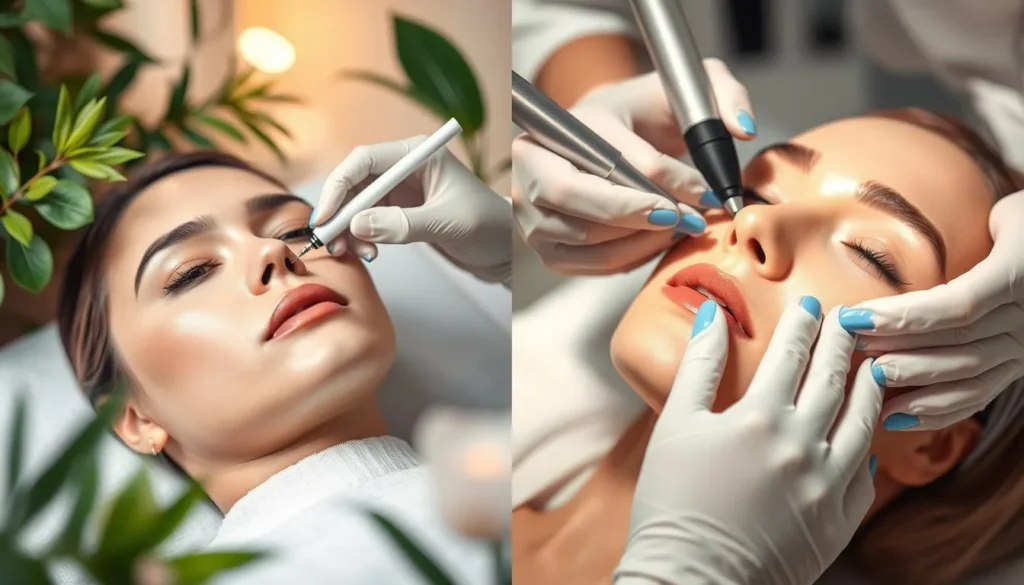
Mesotherapy uses many tiny injections to deliver a mix of vitamins, hyaluronic acid, enzymes or plant extracts into the middle layer of the skin.
What is microneedling?
Microneedling uses fine needles to make tiny punctures in the skin, which triggers healing and new collagen.
How does mesotherapy work?
The injected mix may include vitamins, hyaluronic acid, amino acids, plant extracts and antioxidants.
The goal is to hydrate the skin and improve texture and fine lines.
Because the ingredients go straight into the skin, they don’t have to pass through the surface barrier.
How does microneedling work?
It’s also called collagen induction therapy.
What tools are used?
Professionals usually use a pen-style device with adjustable needle depth, which is more precise than a handheld roller.
The device is moved over the skin in a set pattern for even coverage.
How does the skin heal?
The tiny injuries start a healing response that builds collagen and elastin over the following weeks.
Redness and mild swelling are common for a few days.
What are the benefits of mesotherapy?
It may give skin a more hydrated, fresher look.
It’s also marketed for cellulite and stubborn fat, but results are inconsistent.
What are the benefits of microneedling?
Studies show microneedling can boost collagen, which helps skin look smoother and firmer.
Does it help scars?
Yes. It’s well studied for acne scars and can also improve fine lines and stretch marks.
What are the risks of mesotherapy?
Bruising, swelling, redness and itching at the injection sites are common and usually fade within days.
Infections, allergic reactions and lumps are less common but possible.

Who should avoid it?
People who are pregnant or breastfeeding, have active skin infections, take blood thinners or are allergic to the ingredients should avoid it or talk to their doctor first.
What are the risks of microneedling?
Redness, irritation and peeling are common. Infection and skin darkening are rare, especially with good aftercare.
Follow your provider’s aftercare advice and protect your skin from the sun while it heals.
How do they compare?
Which has less downtime?
Mesotherapy usually has less downtime, while microneedling can leave skin red for a few days.
Which suits your skin?
Here’s a quick comparison:
| Treatment | Typical Downtime | Best For |
|---|---|---|
| Mesotherapy | Few hours to a couple of days | Dry, mature skin |
| Microneedling | 2-7 days | Acne scars, fine lines, hyperpigmentation |
What do they cost?
Prices vary by provider, location and the number of sessions.
Mesotherapy often needs several sessions, so the total can add up.
Microneedling also usually takes a series of treatments for the best results.
Ask for a full treatment plan and total cost before you start.

How do you choose?
Think about what you want to fix, how much downtime you can handle and your budget.
A dermatologist can look at your skin and recommend one treatment or a combination.
So, which is better?
If scars or texture are the issue, go with microneedling. If you just want a quick glow with less redness, mesotherapy might be worth a try, though there’s less proof it works.