Is Ultherapy Permanent? Understanding Long-Term Results
Is Ultherapy Permanent?
Is Ultherapy permanent? No. Results usually last a year or two, because your skin keeps aging after treatment. Many people book a touch-up every year or two to keep the lift.

It’s still one of the longer-lasting non-surgical options. The ultrasound triggers new collagen, so the skin keeps firming for months after a single session.
What is Ultherapy?
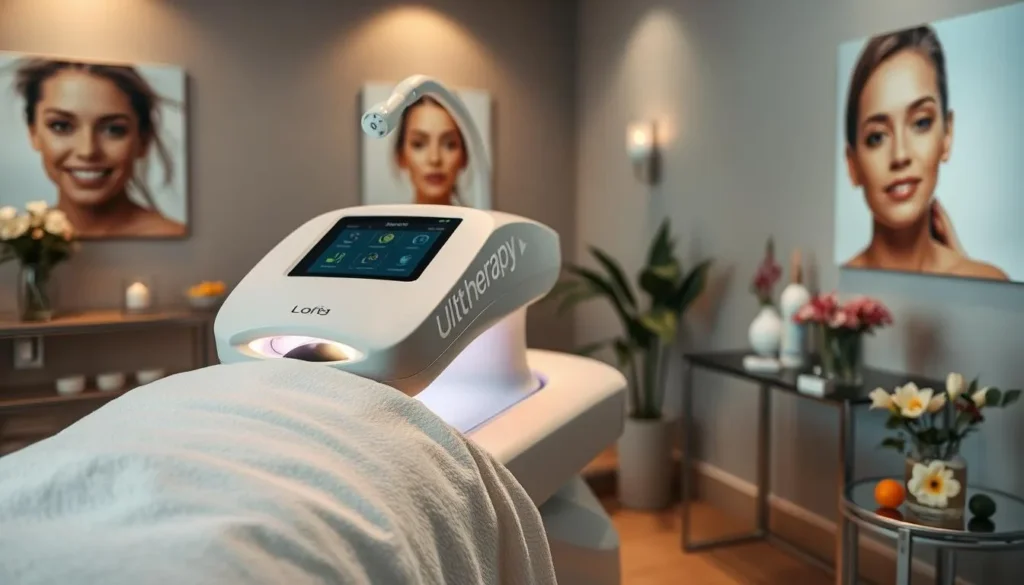
Ultherapy is an FDA-cleared treatment that uses focused ultrasound to heat the deeper layers of skin and trigger collagen production.
The provider applies gel and uses a handpiece with a built-in ultrasound screen to see the layers and aim the energy.
It’s cleared for lifting the brow, neck, and under-chin area and for improving lines on the chest.
Results start to show in two to three months and peak around six months.
A session takes 30 to 90 minutes, depending on the area.
The FDA first cleared Ultherapy in 2009 for a non-surgical brow lift.
| Ultherapy Stats | Details |
|---|---|
| FDA Clearance | 2009 |
| Treatment Duration | 30-90 minutes |
| Patient Satisfaction | High within 90 days |
| Side Effects | Temporary redness, tingling |
| Longevity of Results | About 1-2 years |
Benefits
There are no cuts or stitches. The ultrasound works under the surface, so the skin itself isn’t broken.
It firms loose skin and can soften wrinkles as collagen builds.
Most people go back to their day right away, with maybe some redness or swelling.
How long do results last?
Usually one to two years. Changes may start around six weeks, and the full effect shows at three to six months.
One session is often enough, but touch-ups keep the results going.
Older skin has less collagen and elastin, so results may fade sooner. Smoking speeds up collagen loss, while daily SPF 30 or higher helps results last.
Compared with lasers, Ultherapy is safer for darker skin tones because it doesn’t target pigment.
| Treatment | Effect Duration | Safety for Dark Skin | Downtime |
|---|---|---|---|
| Ultherapy | Up to 2 years | Yes | None |
| Laser Treatments | Variable | Depends on laser | Some |
| Sofwave | Up to 12 months | Yes | Minimal |
After treatment
Redness, swelling, or tingling can last a few hours to a few days. Skipping alcohol and not rubbing the skin helps.
The biggest change shows at two to three months. Protect your skin from the sun and skip harsh skincare products for a week.
Why isn’t it permanent?
Ultherapy rebuilds collagen, but it doesn’t stop aging. Your skin keeps losing collagen after treatment, so the lift slowly fades.
That’s why most providers suggest a follow-up every one to two years.
| Treatment | Lasting Results | Maintenance Frequency |
|---|---|---|
| Ultherapy | Up to 2 years | Every 1-2 years |
| Sofwave | Up to 12 months | Annually |
Who is a good candidate?
People in their 30s to 50s with mild to moderate sagging do best. Those with more sagging may need a second session.

It’s mainly used on the jaw, chin, neck, and chest. Some providers also use it off-label on other areas.
At the consultation, share your health history so the provider can tell whether it’s right for you.
Is it safe?
For most people, yes. Expect some redness, swelling, bruising, or numbness for a few days. The device is FDA-cleared in the U.S. and licensed by Health Canada.
Burns and nerve injury can happen but are rare, and an experienced provider makes them even less likely.
Cost
In New York, a full face and neck treatment costs about $4,000 to $5,500, and around $2,500 elsewhere. A smaller area like the brow runs about $750 to $1,000.
| Area Treated | Cost Range |
|---|---|
| Full Face & Neck | $2,500 – $5,500 |
| Brow | $750 – $1,000 |
Insurance won’t pay for it, though payment plans are common.
Other questions people ask
Can Ultherapy Be Combined with Other Treatments?
Yes. Botox relaxes wrinkle-causing muscles, fillers restore volume, and lasers improve texture and pigment.
Who Should Avoid Ultherapy?
People with severe sagging that needs surgery, certain connective tissue disorders, implanted devices like pacemakers, or active infections or severe acne in the area.
How Many Sessions Are Needed?
Most people need one. If your skin is quite loose, your provider may suggest a second session about six months later.
| Skin Condition | Number of Sessions | Interval Between Sessions |
|---|---|---|
| Mild to Moderate Laxity | 1 Session | N/A |
| Severe Laxity | 2 Sessions | About 6 months apart |
| Maintenance | Annual Follow-ups | Every 1-2 years |