Life After Botox: What Happens When You Stop?
Life After Botox: What Happens When You Stop?
What happens when you stop Botox? Your muscles slowly start moving again, and over three to six months your lines return to about where they would have been without it.
Nothing dramatic happens, and your face doesn’t age faster to catch up. Below is what to expect in the first months, what changes after years of use and what you can try if you’d rather not go back.
Botox is the most common minimally invasive cosmetic treatment in the U.S. One session usually lasts three to four months and costs roughly $300 to $500 or more, depending on how many units you need, so it’s natural to wonder what happens if you stop.
How does Botox work?
Botox is a purified form of botulinum toxin type A, sold under the drug name onabotulinumtoxinA. It blocks the nerve signals that tell certain facial muscles to contract, so the skin over them creases less. The FDA approved Botox Cosmetic for frown lines in 2002, and it has since been approved for forehead lines and crow’s feet as well.
How long does it last?
The effect usually lasts three to four months, sometimes up to six. As the body forms new nerve endings, the muscle slowly gets its signal back and the lines reappear. Regular treatment keeps those muscles quieter, which can soften existing lines and slow the formation of deeper ones.
What else is it used for?
Besides forehead lines, crow’s feet and frown lines, Botox treats migraines, heavy sweating and muscle spasms. None of these effects are permanent, which is why stopping matters for both cosmetic and medical patients.
What do you notice after your last appointment?
At first, nothing. The last dose you got keeps working until it wears off, which for most people is three or four months down the road. After that you’ll see a bit of movement in your brow or around your eyes, and over the next few weeks your face gets its full range back.
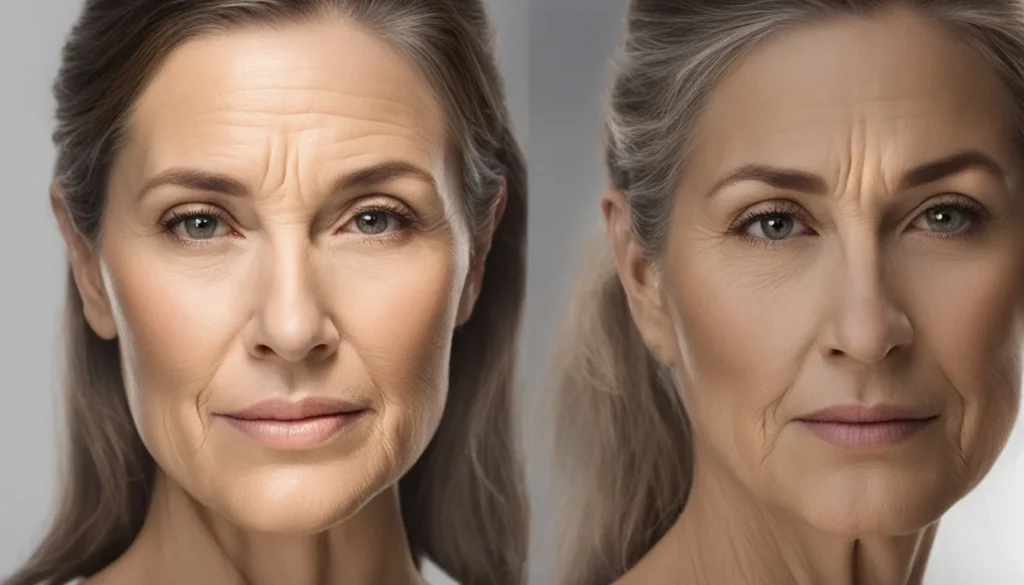
The lines come back along with the movement, but they won’t be deeper than they were before you ever had Botox. Plenty of people end up liking it, especially if they felt their face looked a little stiff.
If you’ve had Botox regularly for years, you may still look a bit younger than you would have otherwise, because the muscles spent that time creasing the skin less. Talk with your injector before you stop if you’re unsure whether a lighter dose might suit you better.
| Botox Usage | Immediate Changes After Stopping | Long-term Impact |
|---|---|---|
| Regular Botox Use | Wrinkles start to reappear, muscle movement returns | Possible muscle atrophy, but fewer wrinkles with continued use |
| Baby Botox | Minimal side effects, gradual wrinkle return | Natural appearance, less muscle weakening |
| 10+ years of Botox | More pronounced change in facial expressions | Younger appearance despite stopping |
Does Botox make muscles shrink?
It can, a little. A muscle that hardly moves for months at a time can get thinner, which doctors call atrophy. This comes from using Botox, not from stopping it.
The effect is most noticeable in larger muscles, like the masseter in the jaw, and with high doses over many years. In the small muscles of the forehead it’s usually hard to see.
Do the muscles recover?
Yes. Once you stop, the muscles get their nerve signals back and slowly regain their normal size and strength. That usually takes a few months.
Some people feel that their forehead or brows are a bit tired or heavy at first while the muscles adjust. This passes, and stopping Botox doesn’t create any new long-term problems.
When do wrinkles come back?
It differs from person to person, but most people notice lines returning three to four months after their last session. People who break it down quickly or have strong muscles may see movement come back sooner.
Dynamic wrinkles show up first. Those are the lines you see when you frown or raise your brows. Static wrinkles, the ones that stay when your face is relaxed, come back later and keep developing with normal aging.
Starting early and staying consistent can mean your lines are shallower when you stop, since the muscles creased the skin less for years. Here’s a quick timeline:
| Aspect | Description |
|---|---|
| Initial reappearance | Dynamic wrinkles return after 3 to 4 months. |
| Long-term reappearance | Static wrinkles start to emerge, becoming more visible over time. |
| Consistency Benefits | Prolonged Botox use can result in less severe wrinkle formation. |
| Side Effects | Common ones include bruising, swelling, redness, and tenderness at the injection site. |
| Professional Guidance | Seeking treatments from qualified professionals reduces risks and ensures better outcomes. |
Will your skin look different?
Your skin will mostly go back to how it looked before you started, plus whatever natural aging happened in the meantime. Some people notice a change in texture, because Botox can make skin over the treated area look a little smoother.
A steady routine with a gentle retinoid, moisturizer and daily sunscreen helps keep the texture good after you stop. If you’re pregnant or breastfeeding, check with your doctor before using retinoids or other active ingredients.
Can it make your skin look thinner?
Botox doesn’t thin the skin itself. What some people notice after years of use is that the treated muscle is slightly flatter, and at the same time the face is losing fat and bone with age. Together these can make an area look less full.
Some injectors suggest an occasional break or a lighter dose to keep muscles active. It’s worth asking about if you’ve had Botox for a long time.
Does your face age faster after you stop?
No. Aging picks up at its normal pace, not a faster one. Your face doesn’t catch up on the years you were on Botox.
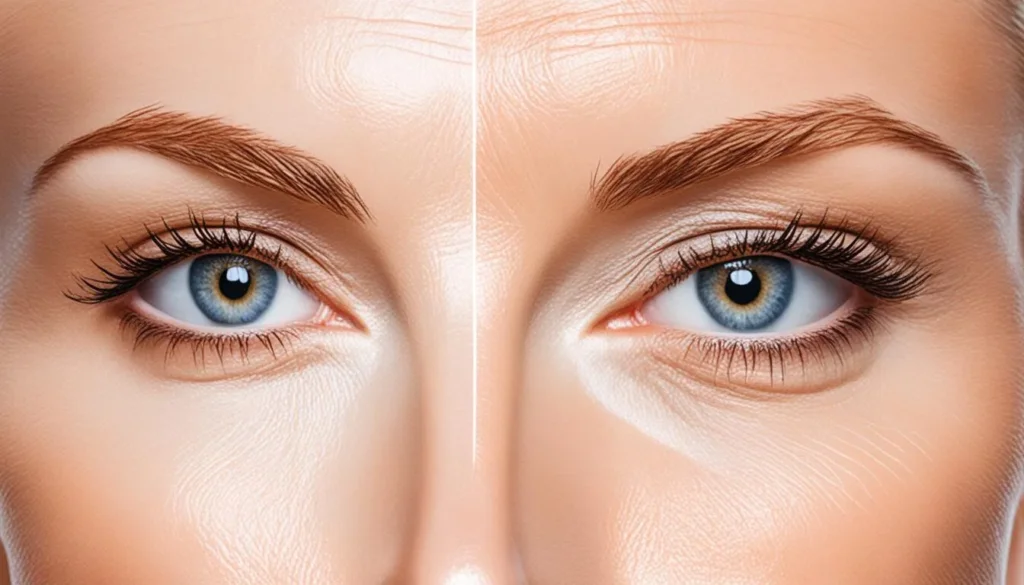
Botox works only while it blocks the nerve signal. Once it’s gone, the muscles behave the way they always did, and stopping doesn’t cause any harmful effects.
In fact, some benefit tends to stay. Lines that were softened for years often look milder than they would have without treatment. The thing to watch is very heavy, long-term use, which can leave some muscles weak, and a good injector keeps the dose in check.
| Impact of Stopping Botox | Explanation |
|---|---|
| Wrinkle Reappearance | Wrinkles and fine lines gradually return as the effects of Botox wear off. |
| Facial Muscle Reactivation | Normal muscle movements resume, returning to a pre-Botox state. |
| Youthful Appearance | Patients may still look younger than their actual age based on previous Botox use. |
| Gradual Aging | Aging resumes naturally without accelerated effects. |
| Absence of Adverse Effects | Stopping Botox does not cause harmful side effects on the face. |
How will your facial expressions change?
As the toxin wears off over three to six months, your muscles move like they used to, and your full range of expressions comes back. How long that takes depends partly on how much Botox you had and for how long.
How does it feel emotionally?
For a lot of people it’s a relief. Plenty of long-time users who share their stories online say they missed seeing their own reactions in the mirror, and they like how expressive their face is again.
Are there Botox withdrawal symptoms?
No. Botox isn’t addictive, and nothing like withdrawal happens when you stop. The effect just fades over time.
The relaxed muscles slowly return to normal, and lines like forehead creases and crow’s feet reappear over three to six months. That’s the drug wearing off, not a reaction to stopping.
Botox has a long safety record for both cosmetic and medical use, and most side effects are mild, like a little bruising or a headache right after injection.
Here are a few common beliefs about Botox and what’s actually true:
| Common belief | What’s true |
|---|---|
| Increasing number of men are opting for Botox | Yes, more men are getting Botox treatments now. |
| Botox has various medical applications | Many Botox treatments are for health issues, not just looks. |
| Some people may become accustomed and continue treatments regularly | Many like to keep getting Botox because it works well and they’re happy with it. |
| It’s not only for older people | Now, more people under 40 are choosing Botox treatments. |
| Botox is not a permanent solution and requires periodic maintenance | You’ll need to get Botox again every three to six months. |
| Most people find Botox injections tolerable | Most people say Botox injections don’t hurt much. |
Short-term vs. long-term effects of stopping
In the short term, the main change is that lines come back as the muscles start moving. If you’re used to a very smooth forehead, that can feel like a big shift even though it’s just your normal face.
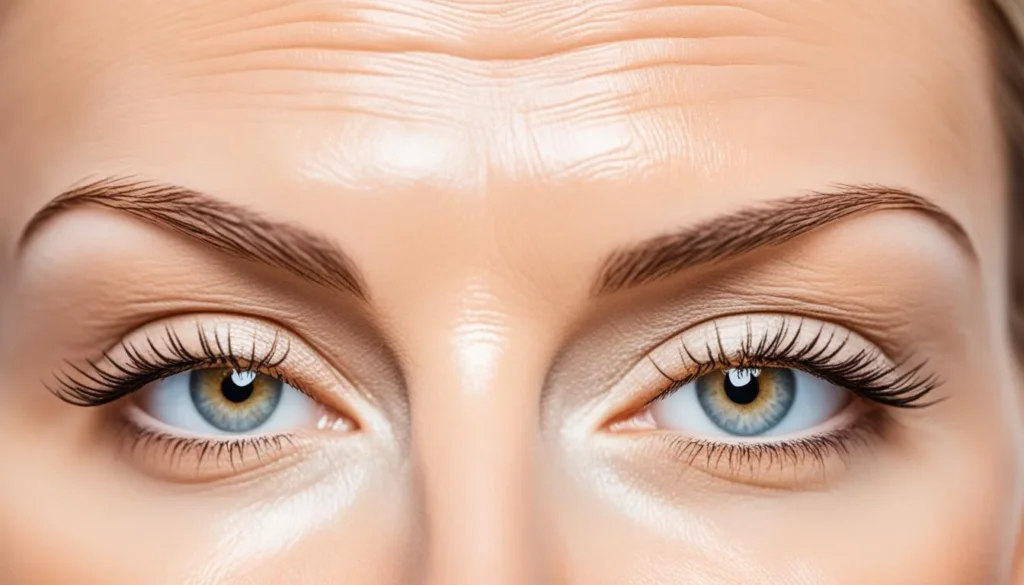
Botox is used millions of times a year in the U.S. For people who have had it for many years, the muscles may take longer to regain full strength, and the skin can stay a bit smoother for a while.
Frowning less out of habit, something many long-time users do without thinking, can also make the change gentler.
| Effect Type | Short-Term | Long-Term |
|---|---|---|
| Wrinkle Reappearance | Immediate | Gradual, depending on muscle activity |
| Muscle Strength | Reactivation leads to muscle movement | Strength returns over a few months |
| Behavioral Change | Minimal | Reduced frowning, less dynamic expressions |
Alternatives to Botox
If you’d like to stop Botox but still treat lines, there are other options. Each one works differently and lasts a different length of time.
Dermal fillers
Fillers add volume under a line or fold instead of relaxing the muscle. Bellafill can last up to five years, while hyaluronic acid fillers like Juvederm usually last from six months to two years, depending on the product and the area.
| Dermal Filler | Duration of Results | Primary Benefits |
|---|---|---|
| Bellafill | Up to 5 Years | Long-lasting, smooths deep lines |
| Juvederm | 6 to 24 Months | Temporary but effective volume enhancement |
Laser treatments
Fractional lasers like Fraxel improve fine lines, texture and sun damage by prompting the skin to make new collagen. Results build over a few months and can last years, especially with good sun protection.
The trade-off is downtime and cost. Deeper resurfacing can mean several days to a couple of weeks of healing, so it’s worth planning around.
HIFU and radiofrequency skin tightening are other non-surgical choices if your main concern is mild sagging.
Why do people stop Botox?
Lots of people have posted about stopping Botox on TikTok and other platforms, and their reasons vary. Some just want their natural face back.
Others stop because of cost. Regular sessions at $300 to $500 or more, three or four times a year, add up.
Pregnancy and breastfeeding are another common reason, since Botox isn’t recommended during that time. And some people find the effect wears off faster than they’d like, after only two or three months.
| Botox Experience | Average Cost per Session | Duration of Effects | Other Considerations |
|---|---|---|---|
| Initial Satisfaction | $300 – $500 | Lasts for Months | Metabolization, Physical Activity |
| Stopping Botox | N/A | Fades in 3 to 4 Months | Natural Aging Preference |
| Pregnancy and Breastfeeding | N/A | Not recommended | Safety not established |
The bottom line
Stopping Botox is safe. Your muscles return to normal over a few months, your lines come back to where they would naturally be, and your face doesn’t age faster to make up for lost time.
If you’ve used it for years, you may keep a bit of a head start, since the lines had less chance to deepen. Fillers, lasers, skin tightening, sunscreen, sleep and a good routine can help if you want to keep treating wrinkles without it. Whether you continue, pause or stop is your call.
FAQ
Is the muscle thinning from Botox reversible?
Yes. The muscles regain their size and strength over a few months once you stop.
How soon will wrinkles reappear after stopping Botox?
Most people see movement and lines return three to four months after their last session. Expression lines come back first, and lines at rest follow later.
Are there any withdrawal symptoms from stopping Botox?
No. The effect simply wears off, and your muscles go back to working the way they did before.