Mesotherapy vs. Botox: Which Is Superior?
Mesotherapy vs Botox: which is better? It depends on your goal. Botox relaxes the muscles that cause expression lines, while mesotherapy injects a mix of vitamins and other ingredients into the skin to improve its quality, texture and, in some cases, small pockets of fat.
They do different jobs, so many people end up using them for different problems, or even together. Below we compare how each works, how long results last, side effects and cost.
Mesotherapy was developed in 1952 by French doctor Michel Pistor. Botox is a purified form of botulinum toxin and was first FDA-approved for cosmetic use in 2002.
What is mesotherapy?
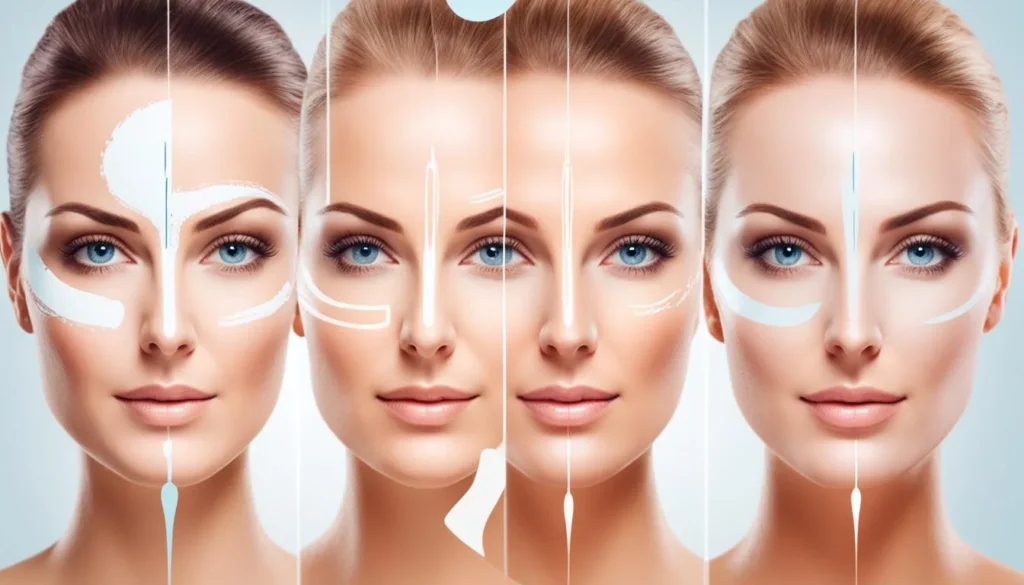
Mesotherapy uses many tiny injections to place a custom mix of vitamins, minerals, amino acids, hyaluronic acid and other ingredients into the middle layer of the skin. The exact mix depends on the clinic and what’s being treated.
How is it supposed to work?
The goal is to hydrate the skin and encourage collagen and elastin, and some mixes are meant to break down fat. A session takes about 30 minutes, and bruising or swelling usually settles within a day or two. The evidence behind it is still limited, and the mixes aren’t standardized or FDA-approved for cosmetic use.
What is it used for?
On the face, mesotherapy is used for dull or dehydrated skin, uneven tone, fine lines and acne scars. On the body, it’s offered for cellulite, stretch marks, hair thinning and small areas of fat. Most plans start with about four to six sessions a few weeks apart.
What is Botox?
Botox blocks the nerve signals that make certain facial muscles contract, which softens the lines those muscles create. It’s mainly used for forehead lines, crow’s feet and frown lines.
It works by stopping the release of a chemical called acetylcholine at the nerve ending. You’ll start to see results in three to four days, the full effect at about two weeks, and it usually lasts three to four months, sometimes up to six.
Botox Cosmetic is FDA-approved for frown lines, crow’s feet, forehead lines and, since 2024, vertical neck bands. Botox is also used to treat heavy sweating and migraines.
The injections take about 10 to 15 minutes, and most people go straight back to their day.
Here’s a quick summary:
| Aspect | Details |
|---|---|
| FDA-Approved Cosmetic Areas | Frown Lines, Crow’s Feet, Forehead Lines, Neck (Platysma) Bands |
| Initial Visible Results | 3-4 Days |
| Full Results Timing | 14 Days |
| Results Duration | 3-4 Months, Up to 6 Months |
| Procedure Duration | 10-15 Minutes |
| Additional Uses | Excessive Sweating, Migraines |
| Popularity | Increasing Among Millennials |
Where does mesotherapy have the edge?
Mesotherapy can be used on more areas and for more concerns than Botox, including skin quality, cellulite and hair thinning. Botox only addresses lines caused by muscle movement.
Botox lasts three to four months. Mesotherapy needs a series of sessions at first, then maintenance every few months, so it’s more of an ongoing skin-quality treatment.
Downtime is short with both. Mesotherapy may leave small bumps, redness or bruising for a day or two.
One study found that adding hyaluronic acid mesotherapy to Botox left people happier with their results. It was more painful and recovery took longer, but there were no serious problems. Keep in mind that mesotherapy mixes aren’t standardized, and the FDA hasn’t approved them for cosmetic use.
Pros and cons of each
Mesotherapy: pros
It can improve dullness, uneven tone and fine lines without surgery, and results can last several months with maintenance sessions.
Mesotherapy: cons
You’ll usually need several sessions to start. Swelling, bruising and soreness are common, and it isn’t suitable for people who are pregnant or breastfeeding or who have conditions like bleeding disorders, active cancer or poorly controlled diabetes. Because the mixes vary, results are harder to predict.
Botox: pros
Botox works quickly and reliably on expression lines on the forehead, around the eyes and between the brows. It has more than 20 years of cosmetic use behind it.
Botox: cons
It doesn’t help with sun damage, texture or volume loss. It can cause temporary muscle weakness or a droopy brow, and it lasts only three to four months. It’s not recommended during pregnancy or breastfeeding.
Is mesotherapy better than Botox?
Neither is better overall. They treat different things.
If your main concern is lines that show when you frown, squint or raise your brows, Botox is the more reliable choice. If you’re more bothered by dull, tired-looking skin or texture, mesotherapy may suit you better.
Some providers also offer mesobotox, which places very diluted Botox into the skin rather than the muscle to soften fine lines and pores. It’s an off-label technique. Results usually show within about 10 days and can last a few months.
Costs depend on the clinic and how much is treated, so ask for a personal plan and price.
The two can also be combined, with Botox for expression lines and mesotherapy for skin quality. Here’s how they compare:
| Treatment | Duration of Effect | Common Applications | Maintenance |
|---|---|---|---|
| Botox | 3 – 6 months | Dynamic wrinkles (frown lines, crow’s feet) | Regular 3-6 month touch-ups |
| Mesotherapy | Varies by treatment | Cellulite, wrinkles, skin tightening, hair growth | Multiple sessions, consultation needed |
| Mesobotox | A few months | Under-eye area, superficial wrinkles | Additional sessions as advised by a specialist |
Which works better for wrinkles?
For dynamic wrinkles, the ones caused by movement, Botox is the go-to. Results show within days and last three to four months.
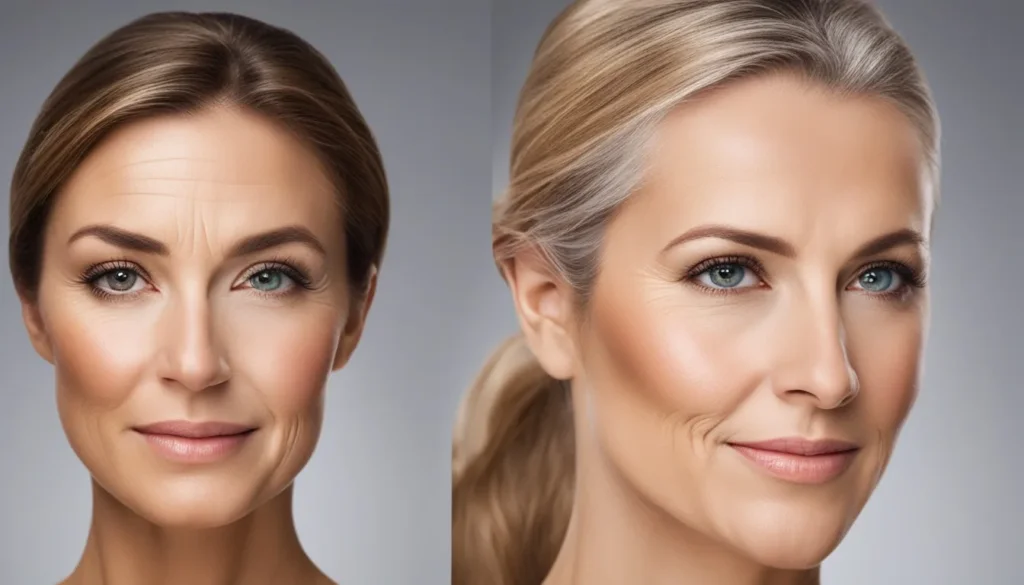
Mesotherapy works on the skin rather than the muscles. Ingredients like vitamins and hyaluronic acid aim to hydrate the skin and support collagen, which can soften fine lines and improve texture over a series of sessions.
A good plan depends on your age, skin and goals. Botox is repeated every few months, while mesotherapy schedules vary by area and skin type.
What about side effects and safety?
Mesotherapy commonly causes swelling, bruising, redness and tenderness for a few days. Itching, rashes or a burning feeling are less common. Using a trusted provider and good-quality products lowers the risk.
Botox has a long safety record. Bruising, redness and swelling at the injection sites are common, and occasionally muscle weakness can make the face look uneven or a brow droop for a few weeks.
Both are generally safe in experienced hands. The main extra concern with mesotherapy is that the ingredients vary and aren’t regulated as tightly.
| Aspect | Mesotherapy | Botox |
|---|---|---|
| Common Side Effects | Swelling, Bruising, Redness, Itching | Bruising, Redness, Temporary Muscle Weakness |
| Onset of Results | Immediate to few days | 3 to 7 days |
| Duration of Effects | Several weeks to months | 3 to 6 months |
| Number of Sessions | Multiple sessions required | Single session typically sufficient |
| Typical Recovery Time | Minimal downtime | Minimal downtime |
What will each one cost you?
Expect somewhere around $250 to $600 a mesotherapy session, depending on the clinic and how much skin is treated. Since you need a handful of sessions to start, the first few months add up.
Botox is mostly charged by the unit, at roughly $10 to $20 each. A usual visit uses 20 to 60 units, so you’re looking at about $200 to $1,200, repeated every few months.
So Botox is cheaper per visit but keeps coming back on your calendar, while mesotherapy front-loads the cost into the first series.
Why see a specialist?
A dermatologist or experienced injector can tell you which treatment fits your skin and goals, explain the risks and give you a clear price.

Look for someone with the right medical training, plenty of experience with the treatment you want and before-and-after photos you can review.
The bottom line
Botox is the better pick for expression lines, with results in days that last three to four months. Mesotherapy is aimed at skin quality and texture, takes a series of sessions and has less evidence behind it.
Many people use both. Talk to a qualified specialist about your goals before deciding.
FAQ
What is the difference between Mesotherapy and Botox?
Mesotherapy uses microinjections to improve skin, reduce fat, and treat other issues. Botox relaxes muscles to lessen wrinkles. Each has its own way of working and uses.
Which treatment is more effective: Mesotherapy or Botox?
It depends on what you want to achieve. Botox is great for wrinkles like forehead lines. Mesotherapy helps with skin texture, cellulite, and hair growth. A specialist can help pick the best one for you.
What can I expect during a Botox procedure?
Small injections go into specific facial muscles. It takes about 10 to 15 minutes, results show within a few days and usually last three to four months.
How safe are Mesotherapy and Botox treatments?
Both are generally safe with an experienced provider. Botox has a long safety record, while mesotherapy mixes vary and aren’t FDA-approved for cosmetic use.