Ultherapy Benefits: What Does Ultherapy Do for Skin?
The main Ultherapy benefits are a mild lift and tighter skin on the brow, neck and under the chin, without surgery or real downtime. It uses focused ultrasound to boost collagen, so results build over two to three months and usually last about a year.
The device sends ultrasound energy as deep as 4.5 millimeters under the skin, to the same layers a surgeon tightens in a facelift. The skin’s surface isn’t harmed. Here’s what it can and can’t do.
What Is Ultherapy?
Ultherapy is a nonsurgical skin-tightening treatment. The FDA cleared it in 2009 to lift the brow, and later to lift the neck and the area under the chin and to improve lines on the chest. It’s also used off-label on other parts of the face.
Unlike lasers, it skips the top layer of skin. The ultrasound heats tiny points deep in the tissue. Your body responds by making new collagen, which slowly tightens the skin from within.
What Does Ultherapy Do?
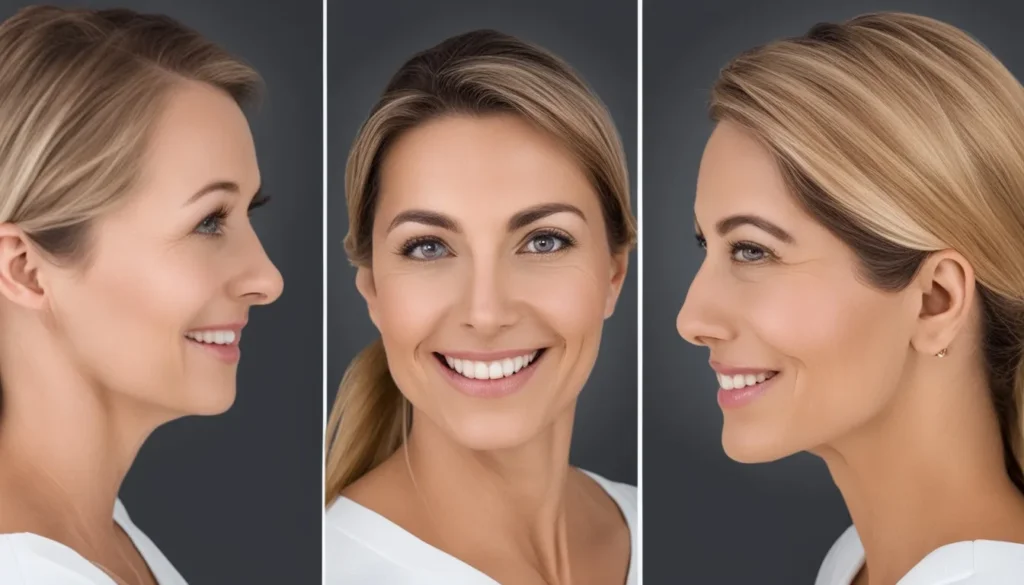
It gives a subtle lift and firmer skin. It works best for mild to moderate sagging, like a lower brow, loose skin under the chin or early jowls. It won’t give the same result as a facelift.

What Are the Main Benefits?
There are no cuts, stitches or needles. The ultrasound passes through the skin’s surface without damaging it.
You can usually go back to work the same day. Some people have mild redness, swelling or tingling for a few hours or days.
Your provider can adjust the depth and energy for each area. It works on all skin types, since the surface of the skin isn’t treated.
Results look natural because they come from your own collagen. Most people need just one session, and results usually last about a year.
What Happens During Treatment?
Your provider first cleans your skin and marks the areas to treat.
Next comes ultrasound gel. The provider uses an ultrasound screen to see the layers under your skin, so the energy goes to the right depth.
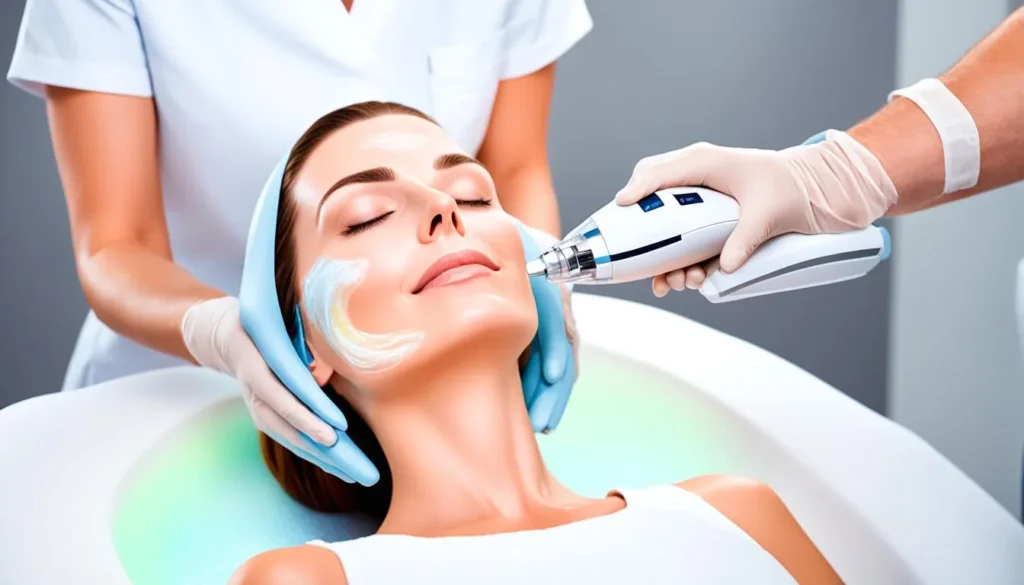
A session takes about 30 to 90 minutes, depending on the area. It isn’t painless. You may feel deep heat or prickling, so many clinics offer pain relievers or numbing first.
Results show up gradually over two to three months as new collagen forms.
How Long Do Results Last?
Some people notice a slight tightening right away, but that early change fades. The real results come over the next few months and can keep improving for up to six months.
Results usually last about a year. Your skin keeps aging, so many people get a touch-up once a year.
How Much Does Ultherapy Cost?
Prices vary a lot by city, provider and how many areas you treat. A full face and neck costs more than the brow alone. Ask for a quote during your consultation.
How Does Ultherapy Compare With a Facelift?
A facelift is surgery. It removes extra skin and tightens deeper tissue, so the lift is much stronger and lasts for years. Ultherapy gives a smaller lift with no cuts.
Recovery is the other big difference. After Ultherapy you can go back to your day. After a facelift, you’ll need a few weeks to heal. Here’s a quick side-by-side:
| Aspect | Ultherapy | Facelift |
|---|---|---|
| Procedure Type | Non-Surgical | Surgical |
| Anesthesia | Not required | General anesthesia or sedation |
| Recovery Time | Minimal Downtime | Days to Weeks |
| Cost | Lower | Higher, including surgeon and anesthesia fees |
| Results Duration | About 1 year | Many years |
| Risk Factors | Low | Higher, including surgical complications and infection |
Is Ultherapy Safe?
For most people, yes. It’s FDA-cleared and has been used since 2009. Common side effects are redness, swelling, tenderness and tingling that fade within days. Less often, people get bruising, welts or temporary numbness.
Choose a trained provider who uses the real device and ultrasound imaging. That lowers the risk of burns or nerve irritation.