Ultherapy Fans: Celebrities Embracing the Trend
Celebrities who use Ultherapy tend to mention the same things: no surgery, a quick appointment and a lift that still looks natural on camera.
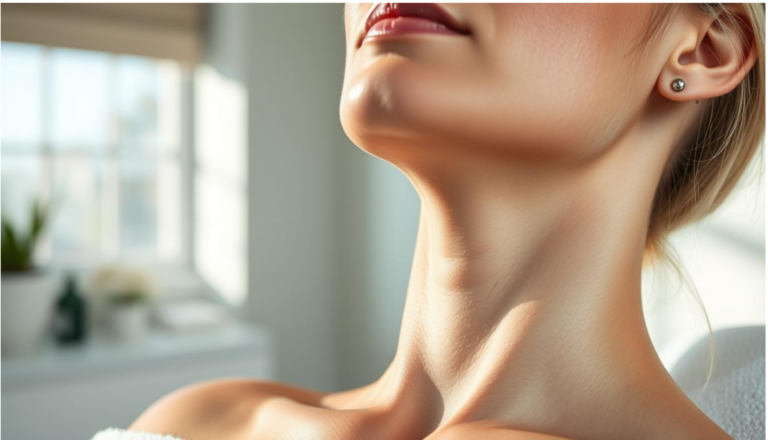
Actress Salma Hayek Pinault has partnered with the device’s maker as an ambassador for Ultherapy PRIME, the newest version, and has talked about using it to tighten her neck while keeping her natural expressions. Many other public figures are less open about what they’ve had done, so it’s hard to say exactly who uses it.
In South Korea, where cosmetic treatments are discussed more openly, Ultherapy is often treated as a quick ‘lunchtime’ procedure. Here’s what the treatment does, why it appeals to people in the spotlight and what to expect if you’re considering it.
What Is Ultherapy and How Does It Work?
Ultherapy is a non-invasive treatment that uses focused ultrasound to heat deep layers of the skin and kick-start new collagen. There are no cuts, and the skin firms gradually as collagen builds.
The energy is applied in lines across the face, jaw or neck. It’s FDA-cleared to lift the brow, under-chin area and neck and to improve lines on the chest.
Built-in ultrasound imaging lets the provider see the skin’s layers while treating, so energy lands at the right depth, including the SMAS layer that surgeons tighten in a facelift. The newest version works faster and has a clearer screen.
Results show at about 2–3 months, with the full effect around six months, and usually last 1–2 years.
Why Choose a Non-Surgical Lift?
It suits people who want a noticeable lift without surgery. Sessions are quick, side effects like redness fade fast and expressions stay natural.
| Feature | How It Works | Why It Matters | Patient Takeaway |
|---|---|---|---|
| Microfocused Ultrasound | Deposits thermal points at precise depths (1.5/3.0/4.5 mm) | Activates collagen in dermis and SMAS for lifting | Firmer contour and gradual facial rejuvenation |
| Real-Time Visualization | Ultrasound imaging guides each energy line | Improves placement, reduces risk to nearby structures | Reliable ultherapy results with enhanced safety |
| Non-Invasive Approach | No incisions, anesthesia typically not required | Minimal downtime, subtle and natural look | Return to routines quickly after ultherapy treatment |
| Longevity of Effect | Collagen remodeling continues for months | Results often last 1–2 years | Maintenance visits keep ultherapy benefits consistent |
Which Celebrities Use Ultherapy?
Salma Hayek is the most visible example. As an ambassador for Ultherapy PRIME, she has focused on her neck and on keeping her face expressive. Results like hers typically become clear after a few months.

In South Korea, celebrities talk about skin treatments more openly than in the U.S., which has helped make maintenance procedures like Ultherapy feel routine rather than secret.
Why Is Ultherapy Popular in Hollywood?
Film and TV schedules leave little room for recovery. Ultherapy boosts collagen without surgery and with almost no downtime, so actors can keep working.
Cameras pick up everything, which is why a treatment that keeps natural movement appeals to performers.
Why Do Celebrities Choose It Over Other Treatments?
It’s safe, looks natural and needs no cuts. The imaging makes results more consistent, sessions are quick and the gradual change makes people look rested rather than obviously treated.
| Driver | Hollywood Priority | How Ultherapy Aligns | Implication for Talent |
|---|---|---|---|
| Natural expression | Maintain micro-expressions on camera | Targets SMAS without fillers or paralysis | Authentic performance with subtle lift |
| Time efficiency | Fast turnaround to filming | Short sessions, no surgical downtime | Back to set within the same day |
| Predictability | Consistent, camera-ready skin quality | MFU-V imaging guides precise energy delivery | Fewer surprises under 4K lenses |
| Global trends | Adopt proven, scalable tech | Non-invasive ultherapy paralleling APAC demand | Confidence from widespread clinical use |
| Long-term maintenance | Gradual, sustained improvements | Collagen remodeling with periodic boosts | Steady ultherapy benefits across press cycles |
| Aspect | Non-Invasive Ultherapy | Traditional Facelift |
|---|---|---|
| Invasiveness | No incisions; ultrasound energy applied to targeted depths | Surgical dissection with incisions and sutures |
| Guidance | Real-time imaging helps map SMAS and dermal planes | Surgeon’s direct visualization in the operating room |
| Downtime | Minimal; return to routine activities quickly | Significant; recovery with bruising and swelling |
| Onset of Results | Gradual, building over 8–12 weeks | Immediate structural change, with swelling resolution over weeks |
| Longevity | Results usually last 1–2 years, with touch-ups every 1–2 years | Multi‑year lift depending on technique and skin quality |
| Candidate Profile | Mild-to-moderate laxity with adequate collagen | Marked laxity or significant excess skin |
| Adverse Effects | Temporary tenderness or minor bruising | Scars, anesthesia risks, longer healing |
| Look and Feel | Subtle, natural lift highlighting ultherapy benefits | More dramatic repositioning of facial tissues |
How Much Does Ultherapy Cost?
Price depends on the areas treated, the number of energy lines and the provider’s experience. In the U.S., Ultherapy generally ranges from about $700 for a small area to around $5,000 for the full face and neck.
| Cost Driver | What It Includes | Impact on Value | Notes for High-Profile Patients |
|---|---|---|---|
| Treatment Area | Target zones such as brow, jawline, neck | More zones increase time and energy lines | Neck-focused plans help maintain image continuity |
| Line Density | Energy lines calibrated to laxity and anatomy | Higher density may improve lift in resistant zones | Fewer lines often needed in younger skin |
| Imaging & Depth | Ultrasound mapping plus 1.5/3.0/4.5 mm selection | Accurate targeting supports consistent outcomes | Visualization reduces risk of downtime |
| Device Generation | Ultherapy PRIME with advanced processors | Faster delivery and clearer imaging | Premium pricing for speed and precision |
| Clinic Expertise | Board-certified oversight and protocols | Lower complication rates and refined technique | Discretion and efficient scheduling |
| Documentation | Baseline photos and outcome tracking | Objective comparison of ultherapy results | Supports planning around filming windows |
For many people, it’s worth it: a lift without surgery, almost no downtime and results that look natural for a year or two.
What’s Recovery Like?
Most people go back to their routine the same day. Mild swelling or small bruises can appear and fade within days. Plan treatment several weeks before a big event, since results take a few months to show.
Many people return for a touch-up every year or two.
| Aspect | What Celebrities Monitor | Typical Timeline | Why It Matters On-Camera |
|---|---|---|---|
| Comfort & Swelling | Mild tenderness, transient puffiness | 1–7 days | Prevents makeup caking and maintains symmetry during HD close-ups |
| Texture Refinement | Smoother jawline and cheek contour | 4–12 weeks | Enhances non-invasive ultherapy glow without fillers |
| Peak Firmness | Visible lift at brow, jaw, neck | Around 6 months | Reliable for press tours and premieres |
| Maintenance Session | Reassessment and touch-up | Every 1–2 years | Sustains subtle ultherapy benefits under evolving lighting and cameras |
| Skincare Alignment | SPF, gentle actives, pro guidance | Daily | Protects investment in ultherapy treatment and prevents photo-induced damage |
Does Age Matter?
People in their 30s sometimes use Ultherapy to stay ahead of sagging, and stronger collagen often means fewer treatments and longer-lasting results.
Later in life, the focus shifts to support for the lower face and neck. Results depend on skin quality and how loose the skin is, and severe sagging may still need surgery.
| Age Group | Primary Goals | Protocol Focus | Recovery Profile | Notable Considerations |
|---|---|---|---|---|
| 30s | Prevention, jawline refinement, skin firmness | Fewer lines; energy tailored to collagen-rich tissue | Back to work same day; mild, transient tenderness | Strong collagen response; popular among celebrities who do ultherapy |
| 40s–50s | Early laxity control, midface support, neck tone | Standard lines; multi-depth passes for SMAS and dermis | Minimal downtime; results build over 3–6 months | Balanced lift; staging with skincare enhances ultherapy benefits |
| 60s+ | Lower-face lift, jowl softening, neck definition | SMAS targeting with conservative energy mapping | Discrete recovery; outcome depends on baseline laxity | Core option in ultherapy for aging celebrities seeking non-invasive ultherapy |