What Does a BBL PhotoFacial Treat?
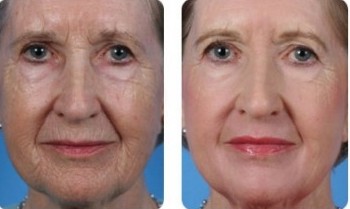
A BBL PhotoFacial mainly treats sun damage and redness: brown spots and freckles, broken capillaries, the flushing and background pinkness of rosacea, and blotchy, uneven tone. It uses filtered broadband light from Sciton’s BBL device to heat pigment and tiny blood vessels so they fade over the following weeks.
What it doesn’t do matters just as much, because plenty of people book a photofacial expecting it to smooth wrinkles or tighten skin. If you’re considering a BBL PhotoFacial at our Upper East Side practice, here’s where it shines and where another treatment would serve you better.
How does BBL light work on spots and redness?
BBL stands for BroadBand Light, Sciton’s take on the technology usually called IPL (intense pulsed light). Unlike a laser, which fires one wavelength, BBL sends out a spread of wavelengths, and filters on the handpiece narrow that spread toward whatever is being targeted. Brown pigment soaks up some wavelengths. The hemoglobin in small red vessels soaks up others.
Absorbed light becomes heat, and heat does the work. Over the next few days a sun spot goes darker, drifts up toward the surface and flakes off. A broken capillary collapses and the body clears it away. Surrounding skin absorbs comparatively little, so most people head back to work, or to lunch on Lexington, the same afternoon.
Which skin concerns respond best to BBL?
Sun damage is the main one. Freckles and brown spots build up on the cheeks, forehead, chest and the backs of the hands after years of sun, and many of them merge into bigger patches. These usually respond well, and many people see them get lighter after one or two sessions.
Redness comes next. BBL can calm broken capillaries around the nose, the pink background of rosacea and the flushing some people get after a glass of wine. It’s also used on the reddish-brown, sun-worn skin on the sides of the neck, which creams rarely fix. The American Society for Dermatologic Surgery’s page on intense pulsed light gives a neutral overview of what this family of devices can do.
Overall tone improves as a side effect. With less brown and less red competing for attention, skin simply looks more even, and some people notice finer texture and a little more glow, especially with regular maintenance sessions (Sciton calls its long-term approach Forever Young BBL).
What can’t a BBL PhotoFacial fix?
Anything that’s about shape rather than color. Deep creases, a softening jawline and pitted acne scars are collagen problems, and BBL isn’t built to rebuild collagen in a meaningful way. Resurfacing lasers and RF microneedling are the usual tools there; our overview of laser skin resurfacing explains how they differ.
Melasma is the tricky one. Those symmetrical gray-brown patches on the cheeks and upper lip are driven by hormones and heat as much as by sun, and light-based treatment can sometimes make them darker. A provider will look closely before treating melasma with BBL, if at all. Raised or changing moles aren’t a cosmetic problem; they need a dermatologist to check them first.
Is BBL safe for every skin tone?
Not equally. BBL works by finding pigment, and it can’t tell the difference between a sun spot and the natural melanin in darker skin. That’s why it’s best suited to lighter skin tones, and why deeper complexions may be steered toward other options that carry less risk of burns or pigment changes.
If you have a tan, BBL has to wait, even if your skin is fair, because tanned skin absorbs too much of the light. Self-tanner counts too. Stay out of the sun for two to four weeks first. Some medications make skin more sensitive to light, including certain antibiotics and acne drugs, so bring a list of what you take to the consultation.
What happens during and after a BBL session?
You’ll wear dark goggles, and a cool gel is smoothed on before the handpiece starts. Each pulse comes with a bright flash and a warm snap. The provider works across the face in overlapping passes; a full face is usually done in under half an hour, and the neck, chest or hands can be added during the same visit. Most people don’t need numbing cream.
Expect some pinkness and warmth for a few hours, a bit like a mild sunburn. Over the next several days, treated spots turn darker, almost like a sprinkle of coffee grounds, then flake off within a week or so. Resist the urge to scrub them off.
Most people need a series, often three to five sessions about a month apart, depending on how much damage there is. Sunscreen is non-negotiable during the series and after it, because the same sun that caused the spots will happily bring them back. That’s why late fall and winter are a popular time to start in New York. Looking for something gentler between sessions? A HydraFacial cleans and hydrates without any light at all.
Frequently asked questions
Does a BBL PhotoFacial hurt?
Most people describe a quick, warm snap, like a rubber band, with each pulse. The device cools the skin, and sessions are fairly short.
How many BBL sessions will I need?
Three to five is typical for sun damage or redness, roughly a month apart. After that, one or two touch-up sessions a year keep new spots from piling up.
Can I get BBL in the summer?
It’s possible if you can truly avoid the sun, but tanned skin raises the risk of side effects. Many people schedule a series between November and March.
Book a BBL PhotoFacial on the Upper East Side
At VisoDent NY, a BBL consultation starts with a close look at your spots, redness and skin tone, so you know whether light is the right tool. Visit us at 903 Park Ave, New York, NY 10075, or call 212-991-9095 to book an appointment on the Upper East Side.