What Does Implant Surgery Involve? Understanding the Process
Did you know nearly 70% of adults aged 35 to 44 have lost at least one permanent tooth? This shows how common tooth loss is. Dental implants offer a lasting, natural-looking fix for missing teeth.
The word “procedure” might sound scary. But knowing each step can make you feel more confident. This guide will explain the dental implant process, from the first visit to the final smile.
The journey takes months, with each stage important for healing. You’ll go through consultation, implant placement, and more. Modern implant surgery is safe and successful, with high success rates.
Learning about the different steps helps you see how implants work. It’s not just a single visit. It’s a journey that ends with a custom crown, ensuring your smile lasts.
Key Takeaways
- Dental implants offer a permanent solution for missing teeth.
- The process involves multiple stages, ensuring proper healing.
- Understanding each phase can reduce anxiety about the procedure.
- Modern implantology boasts high success rates.
- Consultation is the first step in the surgical journey.
Introduction to Implant Surgery
Implant surgery is a big step forward in fixing teeth. It involves putting a special post, like titanium or zirconia, into the jawbone. This post helps hold up new teeth.
Definition of Implant Surgery
Implant surgery is a special way to replace lost teeth. It puts a dental implant into the jawbone, like a real tooth root. This makes teeth work better and keeps the jaw strong.
Common Types of Implants
There are many kinds of dental implants for different needs. Here are a few:
- Single-tooth implants: Great for one missing tooth.
- Implant-supported bridges: Good for when several teeth are missing.
- All-on-4 and All-on-X techniques: These are for replacing all teeth with fewer implants.
- Implant-supported dentures: A stable option for those needing dentures.
Reasons for Undergoing Implant Surgery
People get implants for many reasons, like to fix how their teeth look and work. Here are some reasons:
- Tooth loss due to decay: Bad cavities can cause teeth to fall out.
- Trauma: Accidents can knock out teeth.
- Periodontal disease: Severe gum disease might mean teeth need to be pulled.
- Congenital absence: Some people are born without certain teeth.
Missing teeth can hurt how you feel about yourself and your mouth. Implants are a good fix for both looks and function. As SJ Sadowsky (2017) said, “choosing to remove a tooth and get an implant is a big decision.” It shows how important it is to think it over well before surgery.
Pre-Surgery Consultation Process
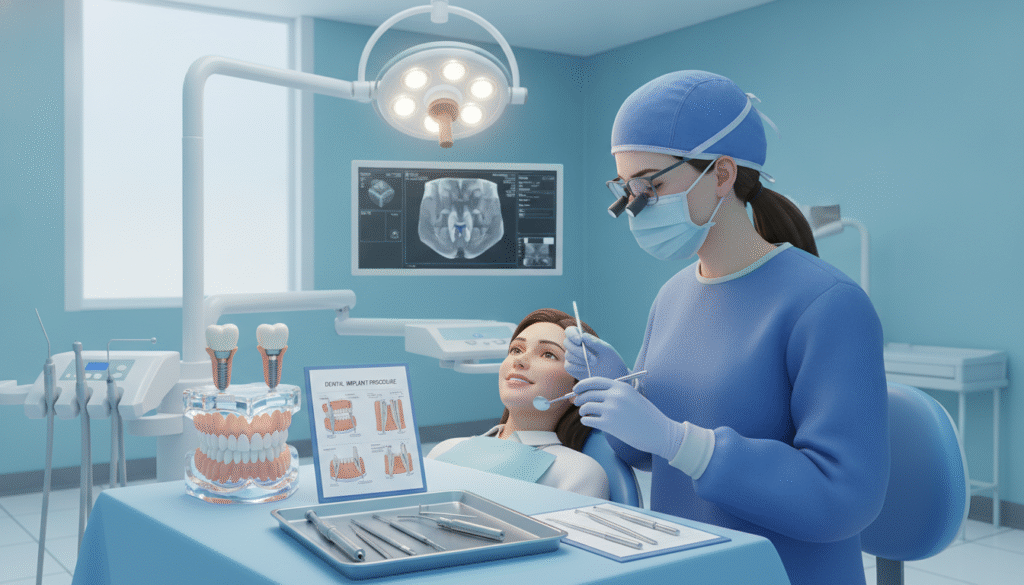
The pre-surgery consultation is a key step toward successful dental implant surgery. During this meeting, the dentist or oral surgeon evaluates you thoroughly. They create a treatment plan that fits your unique needs.
Importance of Initial Assessment
This assessment is not just a formality. It includes a detailed examination. This includes:
- Intraoral inspection
- Periodontal probing
- Occlusal analysis
- Radiographic interpretation
This ensures the dentist knows your oral health status. This is essential for preparing for dental implant surgery.
Discussing Medical History
Talking about your medical history is also important. Certain health conditions can affect healing and implant success. For example:
- Uncontrolled diabetes
- Autoimmune disorders
- Bisphosphonate therapy
- Smoking
These can impact how well you heal and how well the implant integrates with your bone.
Evaluating Bone Health
Checking your bone health is a key part of the consultation. You need enough bone for the implant to be stable. Advanced imaging, like cone-beam computed tomography, helps assess:
- Bone height
- Width
- Quality
This imaging also helps place the implant accurately.
The insights from this consultation lead to a personalized treatment plan. This plan might include extra steps like bone grafting. These steps help ensure a successful dental implant surgery.
Preparing for Implant Surgery
Getting ready for dental implant surgery is key to success. It helps avoid problems and speeds up healing. This part includes important steps for every patient to know.
Necessary Diagnostic Tests
Before surgery, certain tests are needed to check dental health. These include:
- Panoramic radiographs: These give a wide view of the jaw and teeth, helping to see the bone structure.
- Periapical films: These detailed images focus on each tooth and the bone around it, giving a close look.
- Three-dimensional cone-beam CT scans: This advanced scan gives 3D data, important for planning the implant and making guides.
Guidelines for Pre-Operative Care
Following pre-surgery care tips is important for a smooth surgery. Patients should:
- Follow fasting rules if they’ll be under sedation or general anesthesia.
- Make plans for someone to drive them home after surgery, as anesthesia can make it hard to drive.
- Change some medications, like blood thinners, with a doctor’s advice.
Medication and Anesthesia Overview
Medication plans might include prophylactic antibiotics to stop infection and chlorhexidine mouth rinse to lower bacteria before surgery. Anesthesia choices depend on the procedure’s complexity and how anxious the patient is. Options range from local anesthesia to sedation and general anesthesia, making sure the patient is comfortable.
Good preparation cuts down on surgery problems and helps healing. This focus on careful planning shows a commitment to caring for the patient.
Implant Surgery Procedure Overview
Understanding the dental implant surgery procedure is key for those thinking about it. The surgery has precise steps to place dental implants successfully. Each step aims to keep patients comfortable and ensure the implants last long.
Steps of the Surgical Procedure
The dental implant surgery steps are done carefully. First, local anesthesia is given to numb the area. This makes sure patients don’t feel pain during the surgery.
Then, the surgeon makes an incision to expose the bone. Next, they use drills to prepare the bone for the implant. They check the depth to avoid harming important structures.
After preparing the site, the implant is placed. A cover screw or healing abutment is attached. The soft tissue is then stitched back. The team works together to keep everything clean and safe.
Duration of the Surgery
The surgery time can vary. A simple single-implant surgery takes 30 to 60 minutes. But, if it’s a complex case or involves many implants, it can take longer.
For example, if teeth are removed and implants placed at the same time, it takes longer. Knowing this helps patients prepare better.
Role of the Surgical Team
The surgical team is key to the surgery’s success. The dentist or oral surgeon leads the surgery, making important decisions. A surgical assistant helps by providing suction and retraction.
The team also follows strict cleanliness rules to prevent infection. As one expert said,
“A well-coordinated surgical team is essential for the smooth execution of dental implant surgery.”
In summary, implant surgery is a controlled and predictable process. With the right preparation and understanding, patients can feel confident about their dental implant journey.
Types of Anesthesia Used in Implant Surgery
It’s important for patients and healthcare providers to know about the different types of anesthesia for implant surgery. Each type has its own benefits, depending on the patient’s needs and the surgery’s complexity. This section will explore the various anesthetic options, their uses, and what to consider.
Local Anesthesia Explained
Local anesthesia is often used in implant surgery to keep patients comfortable but awake. Anesthetics like lidocaine or articaine are injected near the surgery site. Sometimes, epinephrine is added to:
- Make the anesthesia last longer
- Lessen bleeding during the surgery
These anesthetics block pain signals by stopping sodium channels in nerve fibers. This makes the surgery pain-free for several hours.
Sedation Options
For those who might feel anxious or uncomfortable, sedation is available. It can range from light to moderate sedation:
- Nitrous Oxide: Known as laughing gas, it helps patients relax while they can follow commands.
- Oral Benzodiazepines: Medications like diazepam help patients feel calm and sleepy.
- Intravenous Moderate Sedation: Midazolam is used for deeper relaxation, but patients can respond to commands.
These sedation methods help manage anxiety while keeping patients safe during surgery.
General Anesthesia Considerations
General anesthesia is usually for more complex surgeries or for those with severe anxiety. It makes the patient completely unconscious. An anesthesiologist or a certified nurse anesthetist must watch the patient’s vital signs during the surgery.
Important things to consider with general anesthesia include:
- When it’s needed based on the surgery’s complexity
- The need for advanced airway management
- Requirements for fasting before and monitoring after surgery
Choosing the right anesthesia is a team effort. It depends on the surgery, the patient’s health, anxiety, and the surgeon’s skills.
Recovery Process After Implant Surgery
After implant surgery, patients start a key recovery phase. This phase greatly affects their healing. Following the right care is key for a smooth recovery and implant success. Knowing what to expect helps reduce worry and ensures following recovery tips.
Immediate Post-Operative Care
Right after surgery, patients need to follow certain care steps. Using ice packs on the cheek can lessen swelling. It’s best to use ice for 20 minutes on, then 20 minutes off for the first 24 hours.
Also, gentle pressure with gauze can stop bleeding. Taking the medicine given for pain and infection is important. Sleeping with the head raised can also help reduce swelling.
Expected Pain and Discomfort
Some pain and discomfort are normal after surgery. Pain usually peaks in 24 to 48 hours and can be managed with pain relievers. Knowing that swelling, bruising, and tenderness are normal can make things easier.
By the third day, discomfort usually gets much better. Eating soft foods first helps avoid putting pressure on the implant site. This makes recovery smoother.
Activity Restrictions
It’s important to follow activity limits during recovery. Avoiding hard exercise, heavy lifting, and bending for 48 to 72 hours is key. These activities can raise blood pressure in the surgical area, which can cause bleeding.
Not smoking or drinking alcohol during the healing phase is also advised. These habits can slow healing and increase risks. Gradually returning to normal activities is important to protect the investment in implant therapy.
Potential Risks and Complications
It’s important for patients to know about the risks of implant surgery. Like any surgery, it has its own set of risks. Knowing these can help patients prepare for recovery and manage their expectations.
Common risks include:
- Bleeding: Some bleeding is normal, but excessive bleeding may require intervention.
- Swelling: Swelling in the area is common and usually subsides within a few days.
- Bruising: Bruising may occur around the surgical site, but it typically resolves on its own.
- Transient Paresthesia: Some patients may experience temporary numbness in the inferior alveolar or mental nerve areas.
Knowing these risks helps patients prepare for recovery and manage their expectations.
Signs of Infection to Watch For
Infection is a serious complication that can occur after implant surgery. Patients should watch for these signs:
- Persistent or Worsening Pain: Pain that does not improve after 72 hours may indicate an infection.
- Purulent Discharge: Any discharge that is foul-smelling or discolored should be reported to a healthcare provider.
- Foul Taste: A bad taste in the mouth can signal an underlying issue.
- Fever: A fever may indicate an infection that requires prompt attention.
- Increased Swelling or Erythema: Swelling that worsens can be a warning sign.
Recognizing these symptoms early can lead to timely intervention and prevent more serious complications.
Long-Term Risks Associated with Implants
Long-term risks should also be considered when undergoing implant surgery. One significant concern is peri-implantitis, a destructive inflammatory process affecting the soft and hard tissues around osseointegrated implants. This condition can result from bacterial biofilm accumulation, triggering a host inflammatory response that leads to progressive marginal bone loss.
Other long-term risks include:
- Implant Failure: Failure of osseointegration can occur, leading to implant mobility.
- Screw Loosening or Fracture: Mechanical issues can arise, necessitating further intervention.
- Prosthetic Complications: Issues such as crown chipping or debonding may occur over time.
Factors contributing to peri-implantitis include poor oral hygiene, smoking, a history of periodontitis, and poorly controlled diabetes. It is vital for patients to maintain diligent oral hygiene and attend regular recall appointments to minimize these risks.
Implant Types and Materials
It’s important to know about the different dental implants and their materials. This helps you make the right choice for your surgery. We’ll look at titanium and zirconia implants, and how they affect your implants’ life span.
Titanium vs. Zirconia Implants
Titanium implants have been the top choice for years. They’re made from pure titanium or titanium alloy. They’re very good at blending with bone and healing.
Zirconia implants are a newer option. They’re made from a special ceramic and look like real teeth. They’re good for those who care about how their implants look. But, they don’t have as much research as titanium.
Choosing the Right Implant for You
There are many things to think about when picking an implant:
- Esthetic Demands: Zirconia’s white color is great for those with thin gums.
- Metal Sensitivity: If you’re allergic to metals, zirconia might be better.
- Bone Availability: The size and length of the implant depend on your bone.
- Prosthetic Connection Type: How the implant connects to the crown is key to success.
Impact of Material on Longevity
The material of your implant affects how long it lasts. Titanium implants are strong and don’t corrode. Zirconia implants are pretty but might break more easily.
Choosing the right implant is a team effort. Your dentist and you should talk about what’s best for you. This ensures your implant meets your needs.
| Feature | Titanium Implants | Zirconia Implants |
|---|---|---|
| Material Type | Metal | Metal-free |
| Color | Metallic | Tooth-colored |
| Biocompatibility | Excellent | Good |
| Fracture Toughness | High | Lower |
| Long-term Data | Decades of Evidence | Emerging Evidence |
The Healing Process and Osseointegration
Healing after implant surgery is key for long-term success. Osseointegration is a vital part of this healing. It’s when living bone tissue grows around and fuses with the implant. This creates a strong base for the implant.
What Is Osseointegration?
Osseointegration is the base for dental implant success. It starts with blood clotting at the implant. Then, bone tissue grows, eventually becoming strong bone in contact with the implant.
Timeframe for Healing
The healing time is usually 3 to 6 months. But, it can change based on several things:
- Bone quality
- Implant stability at placement
- Patient health status
For example, implants in dense bone in the jaw might be ready in 8 to 12 weeks. But, implants in softer bone in the upper jaw need 4 to 6 months.
Importance of Follow-Up Visits
Follow-up visits are very important. They help check how the healing is going. Clinicians look at:
- Soft tissue health
- Radiographic evidence of osseointegration
- Implant stability through resonance frequency analysis
These checks make sure the implant is healing right before moving to the next step. As one expert said,
“Patience during the osseointegration phase is an investment in decades of implant function.”
| Factor | Mandibular Implants | Maxillary Implants |
|---|---|---|
| Bone Density | Dense Cortical | Less Dense Trabecular |
| Healing Time | 8-12 Weeks | 4-6 Months |
| Stability Achieved | Secondary Stability | Requires Longer Time |
Role of Oral Hygiene in Recovery
Keeping your mouth clean is key after getting a dental implant. Good oral hygiene helps avoid problems and makes healing easier.
Patients need to clean the surgery area but must be gentle. This balance is reached through certain oral care steps:
- Gentle rinsing with warm saline or prescribed chlorhexidine mouthwash.
- Using a soft-bristled toothbrush while avoiding the surgical site for the first week.
- Gradually reintroducing mechanical cleaning as healing permits.
Recommended Oral Care Practices
Good oral hygiene stops bacteria from building up around the implant. This buildup can cause problems like peri-implant mucositis and peri-implantitis. Here are some recommended practices:
| Practice | Description | Timing |
|---|---|---|
| Saline Rinse | Use warm saline to rinse the mouth gently. | Immediately post-surgery |
| Chlorhexidine Rinse | Utilize a prescribed mouthwash for antimicrobial benefits. | First week |
| Soft-Bristled Toothbrush | Brush non-surgical areas gently, avoiding the implant site. | After first week |
Avoiding Complications through Hygiene
Keeping your mouth clean long-term means using special tools. Tools like implant-specific floss and water irrigators help keep the area clean. They also lower the chance of infection.
“Bacterial plaque induces an inflammatory response in peri-implant mucosa, which, if unresolved, can lead to progressive bone resorption.”
In short, good oral hygiene is key to keeping your implant healthy. By following these steps, you can improve your recovery and lower the risk of problems.
Cost Considerations for Implant Surgery
It’s important to know the costs of implant surgery before you decide. The price can change based on where you are, how complex the procedure is, and what parts are needed.
Average Cost of Implant Procedures
In the United States, the cost for implant procedures is usually between $3,000 to $6,000 per implant. This includes both the surgery and the crown. The surgery itself can cost between $1,500 and $3,000. The crown and abutment add another $1,000 to $2,500.
Some patients might need extra steps like bone grafting or sinus lifts. These can cost between $300 to $3,000, depending on how complex they are. It’s key to know these costs before you choose.
Insurance Coverage and Options
Many dental insurance plans cover part of the cost for implants. But, the amount covered can differ a lot. In the past, implants were seen as cosmetic. Now, they’re recognized as necessary for health reasons, like when teeth are lost due to disease or injury.
When dealing with insurance, it helps to know about annual maximums, waiting periods, and missing tooth clauses. Knowing these terms can help you understand what you’ll pay out of pocket.
Payment Plans and Financing
The cost of implant surgery can seem high at first. But, there are ways to make it more affordable. Healthcare credit cards like CareCredit or LendingClub let you spread out payments over time.
Many dental offices also have their own payment plans. This lets you pay for your treatment gradually. Personal loans are another option for those who qualify.
Even though implants cost more upfront than bridges or dentures, they’re often a better value in the long run. They last longer and help keep your jawbone healthy, making them a smart choice for your wallet.
Success Rates of Implant Surgery
Many people are curious about how well implant surgery works. Knowing what makes it successful is key to good results. Things like biology, mechanics, and how patients behave all matter.
Factors Influencing Success
Several things can affect how well dental implants work. These include:
- Biological Factors: How strong the bone is, the health of the gums, and overall health are important. For example, bone quality is rated by the Lekholm and Zarb criteria.
- Mechanical Factors: The design of the implant, its surface, and how it’s loaded are also key.
- Behavioral Factors: Habits like smoking and how well patients take care of their teeth can also impact success.
Statistics on Implant Longevity
Studies show that dental implants last over 95% of the time for ten years in healthy patients. But, this number drops for smokers or those with health issues. It’s important to know the difference between an implant surviving and being successful. Survival means the implant stays in place, while success means it works well without pain or bone loss.
Patient Satisfaction and Outcomes
Most patients are very happy with their implants. Over 90% say they’re satisfied with how their implants look and work. They also feel better overall. This happiness is measured with tools like the Oral Health Impact Profile, showing big improvements in many areas.
| Factor | Impact on Success | Example |
|---|---|---|
| Biological | Bone density and health | Healthy bone supports implant stability |
| Mechanical | Implant design and surface | Rough surfaces promote osseointegration |
| Behavioral | Patient habits | Smoking can reduce success rates |
While no surgery is perfect, dental implants have a high success rate. This shows they work well when done right. Knowing about dental implants helps patients feel more confident in their choices.
Alternatives to Implant Surgery
Looking into other options than implant surgery can help patients make better choices for their teeth. Dental implants are top-notch for replacing teeth, but other choices might fit better for some people.
Overview of Dental Bridges
Dental bridges are fixed to replace missing teeth. They attach to healthy teeth on either side of the gap. This method changes the teeth it attaches to, which can’t be fixed later.
There are different types of dental bridges:
- Traditional Fixed Bridges: The most common, with crowns on both sides of the fake tooth.
- Resin-Bonded Maryland Bridges: These use metal to support the fake tooth, stuck to the back of teeth.
- Cantilever Bridges: Used when there are teeth on only one side of the gap.
Bridges are quicker and cheaper than implants. But, they don’t stop bone loss, which can harm your teeth in the long run.
Dentures as an Option
Dentures are removable and can replace many or all teeth. They sit on the gums and, for partial dentures, use metal clasps. There are different kinds:
- Conventional Complete Dentures: For when all teeth are gone.
- Partial Dentures: For those with some teeth left.
- Precision-Attachment Dentures: These fit better with special attachments.
Dentures are cheaper but might not fit well or feel comfortable. They can also cause bone loss because they don’t stimulate the jawbone.
Pros and Cons of Alternatives
When thinking about not getting implants, it’s key to know the good and bad of each choice:
| Option | Pros | Cons |
|---|---|---|
| Dental Bridges |
|
|
| Dentures |
|
|
Alternatives to implants are good for certain cases or if patients prefer them. But, implants have special benefits that fit with today’s dentistry focus on keeping tissues healthy.
Conclusion: Is Implant Surgery Right for You?
Understanding implant surgery is key to making a good choice. It’s a detailed process that requires patience and dedication. For those who fit, it has a high success rate, making teeth look and work better.
The cost is important, but it’s worth it for the long-term benefits. Think about how it improves your health, not just the price. Options like bridges and dentures don’t offer the same benefits as implants.
Talking to a skilled dentist or oral surgeon is vital. They can give you specific advice based on your needs and budget. This talk helps you understand what implant surgery can do for you.
Choosing implant surgery means considering your health, looks, and money. Knowing the facts can make you feel sure about this choice. It’s a step towards better health and a happier life for years.