What Happens When You Stop Using Dermal Fillers?
What happens when you’re stopping dermal fillers? The filler slowly breaks down, and your face gradually returns to how it would look without it. Stopping doesn’t make you age faster or sag more than you otherwise would.
Some people want a more natural look. Others are tired of the upkeep or unhappy with how it turned out. A few surgeons have also raised concerns about filler building up over years of repeat treatments, because scans show hyaluronic acid can linger in tissue longer than once believed.

How dermal fillers work
Most fillers are hyaluronic acid, a substance your skin already makes. It draws in water, which adds volume and smooths lines.
- Hyaluronic acid fillers like Restylane and Juvederm last about 6 to 18 months, depending on the product and area, and can be dissolved with an enzyme called hyaluronidase.
- Radiesse (calcium hydroxylapatite) adds volume and stimulates collagen, lasting about a year.
- Sculptra (poly-L-lactic acid) builds collagen gradually and can last two years or more.
Because the body breaks hyaluronic acid down over time, and because it can be dissolved if needed, these fillers are considered reversible.
What happens right after you stop?
Nothing sudden. The filler fades slowly as your body absorbs it.
Depending on the filler, that takes six months to two years, so volume loss and returning lines come on gradually.
Quick facts about fillers:
| Fact | Detail |
|---|---|
| Millions of lip filler procedures | Conducted annually in the U.S. |
| FDA approval | Hyaluronic acid fillers such as Restylane and Juvederm are FDA-approved for the lips. |
| Sunscreen Recommendation | Use SPF 30 or higher daily. |
| Filler Longevity | Lasts six months to two years. |
| Effect wear-off period | Months to years; area returns to original state. |
Good skin care, sun protection, not smoking, and managing stress all help your skin through the change.
Long-term effects
Cheek fillers like Juvederm Voluma can last up to about two years, and under-eye fillers about a year or more. As they wear off, the treated areas go back to their natural state.
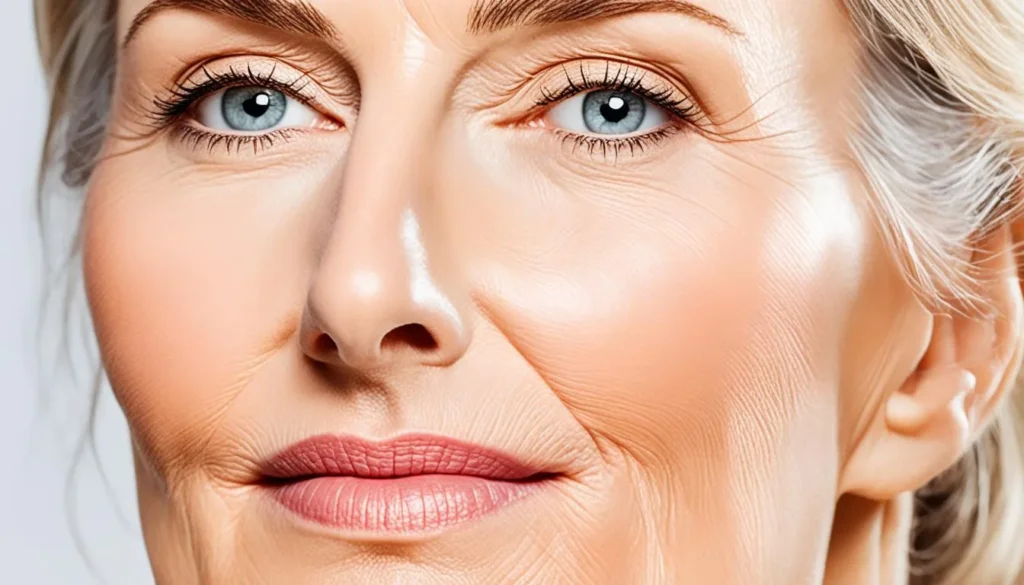
Does aging speed up?
No. Aging simply continues at its normal pace. Some fillers stimulate collagen, so skin may even look slightly better than before you started.
How long different fillers last:
| Filler Type | Duration | Common Brands |
|---|---|---|
| Hyaluronic Acid (HA) | 6 to 24 months | JUVÉDERM, Restylane |
| Calcium Hydroxylapatite | 12 months | Radiesse |
| Poly-L-Lactic Acid | Over 2 years | Sculptra |
| Polymethylmethacrylate | Over 5 years | Bellafill |
Aging without fillers
With age, the skin makes less collagen and loses firmness. Fillers mask some of that but don’t stop it.
Any collagen boost from fillers is temporary, so lines and looser skin return over time.
Common worries
Will my skin sag?
Not more than it would have anyway. Your skin returns to its normal aging path.
Restylane and Juvederm have been FDA-approved for more than 20 years and don’t speed up sagging.
Will my face lose volume?
Gradually. Thicker fillers like Juvederm Voluma and Restylane Lyft fade over about 12 to 18 months, sometimes up to two years.
Any volume you lose comes from aging, not from stopping. Filler longevity by type:
| Type of Filler | Longevity |
|---|---|
| Thinner Hyaluronic Acid Fillers (Restylane, Juvederm) | 6-9 months, up to 12 months |
| Harder Hyaluronic Acid Fillers (Juvederm Voluma, Restylane Lyft) | 12-18 months, up to 2 years |
| Sculptra (Poly-L-lactic acid filler) | At least 2 years |
Skin care once the filler fades
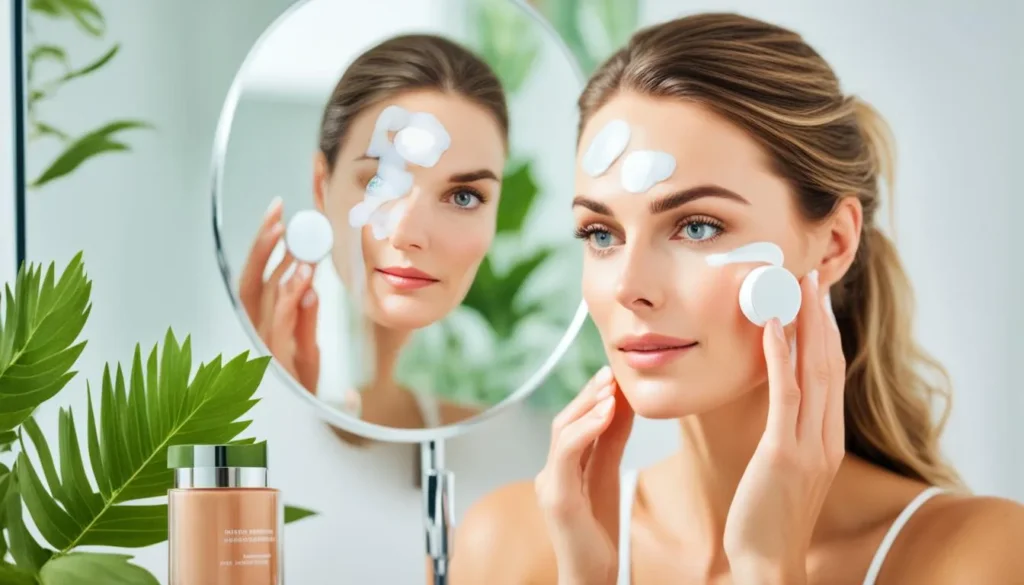
Sunscreen is the most useful thing you can do for your skin from here on. Retinol and vitamin C help too.
| Recommendations | Reason |
|---|---|
| Hydration | Essential for plump, healthy skin |
| Retinol | Promotes cell turnover |
| Vitamin C | Boosts collagen production and fights free radicals |
| Sunscreen SPF 30+ | Protects against UV damage |
| Avoid Chemical Peels | Prevents additional skin irritation and promotes healing |
How it can feel
It’s normal to feel a bit less confident as your old face comes back. Talking about it with a friend or a counselor can help.
If you still want fresher skin, peels, microdermabrasion, or laser treatments are options that don’t involve filler.
Getting professional advice
A dermatologist or injector can explain how your filler will fade and what to expect.
FAQ
What happens when you stop using dermal fillers?
The filler breaks down over months to years, volume decreases, and lines gradually return as you age.
Are there any dermal filler withdrawal symptoms?
No. There’s no withdrawal. The aging signs the filler covered simply come back slowly.
Will my skin sag more after I discontinue dermal fillers?
No. It returns to where it would have been with normal aging.
How long does it take for the effects of dermal fillers to wear off?
Usually six months to two years, depending on the filler and the area.