What is the downside of PRP?
Understanding PRP Therapy’s Downsides
The main downside of PRP is that you can’t count on the results. You’ll need several sessions, clinics make it in different ways, insurance rarely pays, and the research is mixed. On the plus side, side effects are usually mild, like soreness or swelling.
Don’t expect a one-and-done treatment. Most people get a series of shots, then touch-ups.
The machines that make PRP are FDA-cleared, mostly for bone graft use. Using PRP on joints, hair or skin is off-label. That’s partly why insurers call it experimental.
Let’s go through each drawback.
What Is PRP Therapy?
PRP is plasma from your own blood with a higher-than-normal concentration of platelets. Platelets release growth factors that help tissue heal. The plasma is injected into a joint, tendon, scalp or skin.
It’s used for sports injuries, tendon problems, knee arthritis, hair thinning and skin rejuvenation.
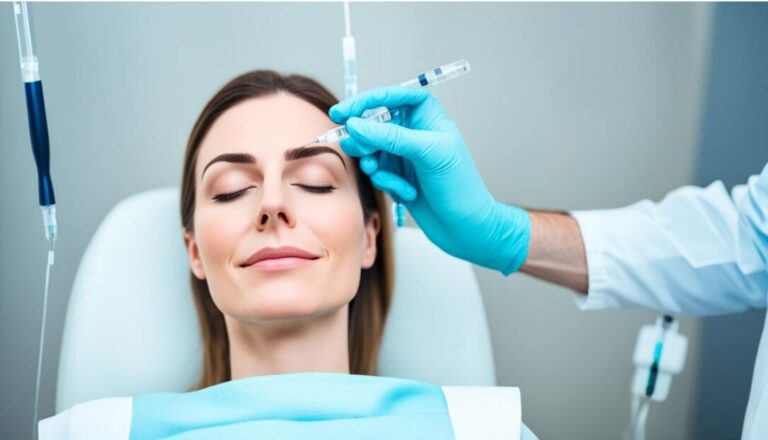
Treatment usually means several clinic visits, each with a blood draw and injection.
Here’s how it does for common uses:
| Application | Effectiveness | Considerations |
|---|---|---|
| Hair Loss | Can promote new growth and reduce shedding | Results are not permanent; require ongoing treatments |
| Osteoarthritis | May ease pain and stiffness for some people | Inconsistent outcomes; expensive; not covered by most insurance |
| Sports Injuries | May help soft tissues like tendons heal | Varies by injury type and patient health |
How Is PRP Made?
A provider draws a small tube of blood and spins it in a centrifuge. That separates the platelets from the red cells. The concentrated plasma is then injected, often with ultrasound guidance for joints.
But there’s no standard recipe. Kits, spin times and platelet counts vary, so two clinics can give you quite different products.
What Are the Risks?
Pain and soreness at the injection site are common and can last a few days. Swelling and bruising are also common.
Less often, people get an infection, bleeding, nerve injury or tissue damage, usually from poor technique or unclean conditions. Long-term effects haven’t been well studied.
What is the Downside of PRP?
Cost is a big one. You’ll pay out of pocket for several sessions, and the total adds up.

It’s rarely a one-time fix. Most plans need multiple sessions, plus maintenance.
Results vary because there’s no set treatment method. Some people improve a lot, others very little.
And each visit means a blood draw, processing time and an injection.
Why Is PRP Controversial?
Studies don’t agree on how well it works. Some show clear benefits for hair loss or tendon pain, while others find little difference from a placebo. Part of the problem is that PRP isn’t the same from one clinic to the next.
Will Insurance Cover It?
Usually not. Most insurers consider PRP experimental, so you’ll likely pay the full cost yourself. Ask for a written quote for the whole plan.