What is Ultherapy Treatment? Non-Invasive Skin Lift
Thinking about an Ultherapy non-invasive skin lift? It uses focused ultrasound to tighten and lift skin on the brow, neck and under the chin, with no cuts, no anesthesia and little downtime. Results build slowly over two to three months as your body makes new collagen.
It won’t match a surgical facelift, but it can give a subtle, natural-looking lift if your skin is only mildly loose. Here’s how it works and what to expect.
What Is Ultherapy?
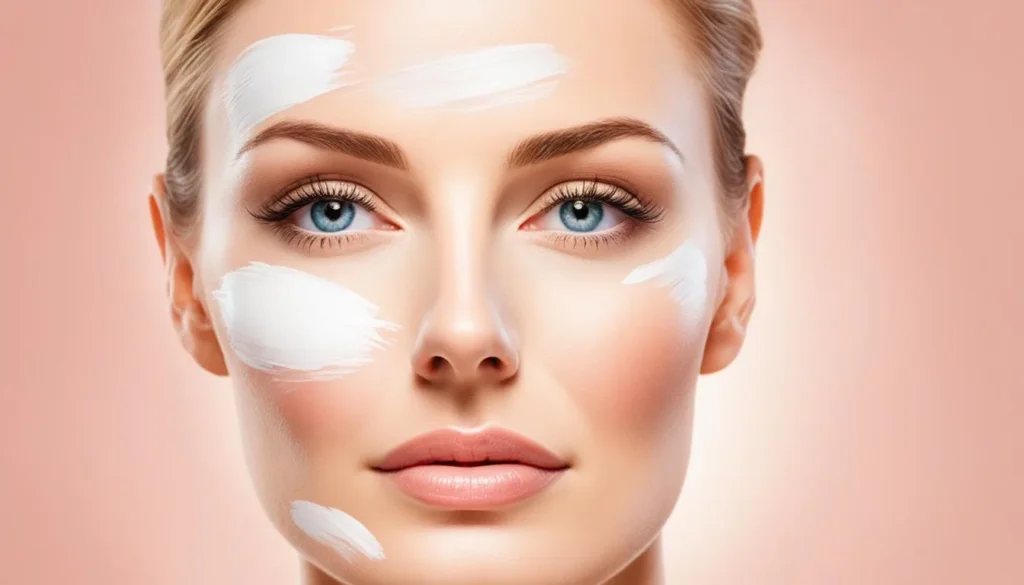
Ultherapy is a nonsurgical treatment that uses micro-focused ultrasound. The FDA cleared it in 2009 to lift the brow, and later to lift the neck and under the chin and to improve lines on the chest.
Why Choose Ultherapy Over Other Treatments?
People choose it because there’s little downtime, a lower risk than surgery, and the lift comes from your own collagen, so it looks natural.
Here’s how it compares with a facelift:
| Features | Ultherapy | Traditional Facelift |
|---|---|---|
| Procedure Type | Non-Invasive | Invasive Surgery |
| Downtime | Minimal to None | Several Weeks |
| Risks | Low | Higher, including infection and scarring |
| Results Onset | Gradual | Immediate but with recovery period |
| Cost | Moderate | High |
How Does Ultherapy Work?
The device sends ultrasound energy to set depths under the skin, up to about 4.5 millimeters. It heats tiny points in the deep layers while leaving the surface alone. That sets off a healing response, and your body makes new collagen.
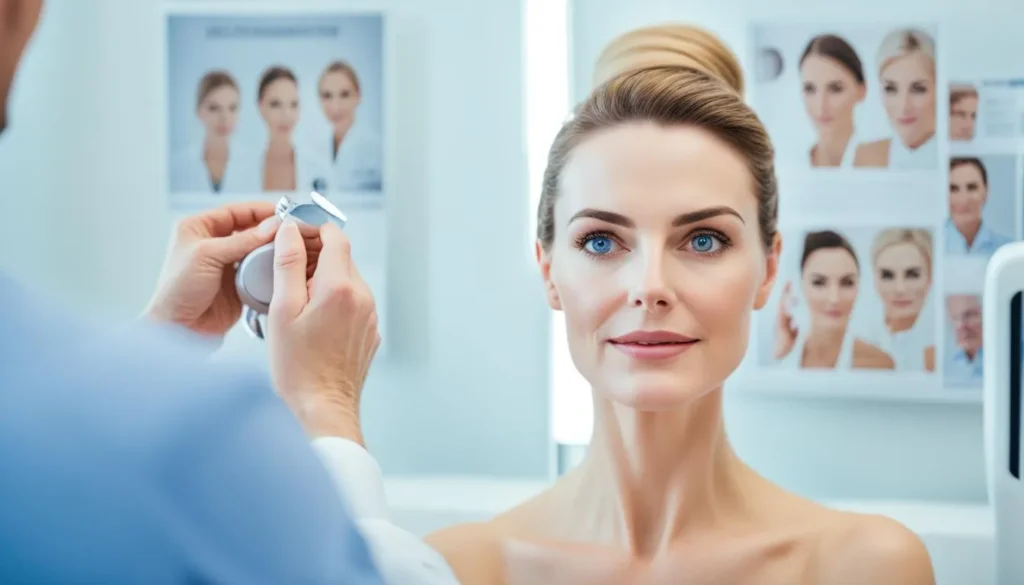
Your provider first applies ultrasound gel and uses an imaging screen to see the layers below. Then the energy goes in, row by row. Over the next months, the new collagen firms and lifts the skin.
What Are the Benefits?
There are no cuts, stitches or general anesthesia, so you avoid the risks that come with surgery.
Skin gradually looks firmer and a bit lifted. The change is subtle and natural.
Most people go back to work or normal activities the same day. Redness or swelling usually fades within hours or days.
Who is a Good Candidate for Ultherapy?
It works best for people with mild to moderate sagging, often in their 30s to 60s. If you have a lot of loose skin, surgery may suit you better.
It can be used on all skin types and tones, since it doesn’t target the skin’s surface.
Tell your provider about any health conditions, open wounds, active acne or implants in the treatment area. They’ll make sure it’s safe for you.
How Should You Prepare?
Start with a consultation. Your provider will check your skin, talk about your goals and plan which areas to treat.
In the week before, you may be asked to avoid anti-inflammatory drugs and blood thinners, if your doctor agrees. Skip retinoids and exfoliants for a few days, and come with clean, makeup-free skin.
What Happens During the Session?
Your skin is cleaned first. Some clinics give you a pain reliever or numbing cream, since the treatment can feel hot or prickly.
The provider uses real-time imaging to aim the energy at the right depth. A session takes about 60 to 90 minutes for the face and neck, less for smaller areas.
What Should You Do Afterward?
Use a cool cloth to ease any tenderness, but don’t put ice right on your skin.
Keep your skin care gentle for a few days, wear sunscreen, and follow your provider’s instructions. Results usually last about a year, so ask about a yearly touch-up.