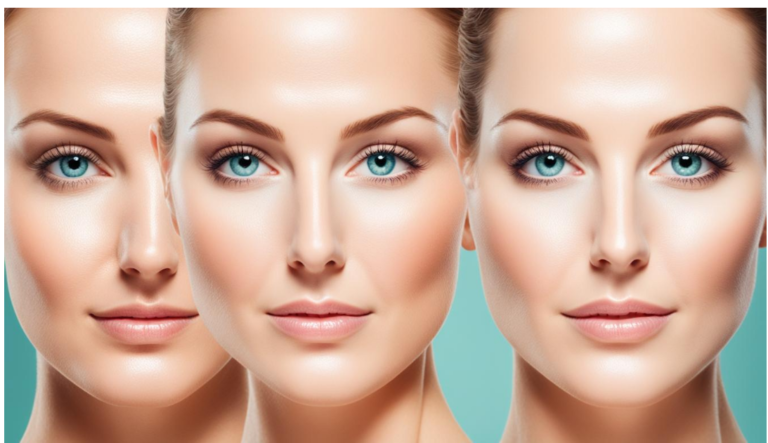
What Not to Do After Biorevitalization: Expert Advice
The effects of biorevitalization usually last about six months, but poor aftercare can cut that short. Knowing what not to do after biorevitalization is the easiest way to protect your results.
The treatment uses hyaluronic acid injections to hydrate the skin, improve its quality and soften signs of aging. It only takes 30 minutes to an hour, but what you do in the days afterward has a real effect on how well it works.

The short version
Sessions take 30 minutes to an hour, the hyaluronic acid helps stimulate collagen, and results can last about six months, but only if you follow the aftercare guidelines. Poor aftercare makes the treatment less effective.
Introduction to Biorevitalization and Its Benefits
Biorevitalization is a newer way to make skin look younger and healthier. It uses pure, plant-derived hyaluronic acid rather than animal-derived, and it helps with aging, dryness and dullness, which makes it popular with people who want to slow down skin aging and get their glow back.
Most people need three or four treatments for the best results, and recovering properly after each one matters.
In one study, 64 women aged 37 to 60 had four sessions three weeks apart and saw clear improvements across several measures of skin quality.
The researchers found less sun-related redness and better moisture and color, so the skin both looked and felt healthier.
| Parameter | Improvement | Assessment Timeline |
|---|---|---|
| Skin Brightness | Significant | After 2nd Treatment |
| Profilometric Parameters | High | After 2nd Treatment |
| Skin Hydration | Deeply Improved | 2nd-4th Treatment |
| UVB-induced Erythema | Decreased | Post 4th Treatment |
Results are usually checked after a few weeks. The treatment combines specialized hyaluronic acid with antioxidants for longer-lasting effects, and experts suggest starting with up to three sessions, then a top-up every four to six months.
It boosts collagen, leaving skin more hydrated and elastic, and it can be done on the face, neck, chest and hands.
Avoiding Intense Physical Activities
One of the main rules after treatment is to skip hard exercise. Overdoing it can make swelling worse and slow healing.
Why Physical Activity Should Be Limited
Intense exercise can increase facial swelling and bruising. Results start to show in three to five days and peak around two weeks, and pushing yourself too hard can disrupt that, leaving swelling, redness or tenderness for longer.
Best Practices for Gradual Activity Resumption
Avoid strenuous activity for the first three or four days, which helps healing and lowers the chance of lumps, bumps or unevenness. After that, ease back in gradually, and follow your provider’s advice.
Steering Clear of Direct Sun Exposure
Stay out of direct sun after treatment. It protects your results and helps prevent uneven color and sun-related aging.
Effects of UV Rays on Treated Skin
Right after treatment your skin is more reactive than usual. Sun on top of that can mean a burn, lingering redness and, over time, more of the aging you’re trying to undo. Keep it covered for the first three to seven days.
Which sunscreen should you use?
We usually tell patients to reach for a mineral or sensitive-skin sunscreen, SPF 30 or above, with both UVA and UVB coverage. Reapply if you’re outdoors for more than a couple of hours, and a hat with a wide brim plus sunglasses will do a lot of the work for you.
Do that and the results hold up better. Not sure what to buy? Ask your provider.
The Importance of Not Touching or Scratching the Treated Area
Try not to touch, rub or scratch the treated areas, which can irritate the skin and slow healing.
Keeping your hands off also keeps bacteria away and lowers the risk of infection. Wash with a gentle, non-irritating cleanser.
A good moisturizer helps your skin heal faster by keeping it hydrated and balanced. Hyaluronic acid, aloe vera gel and rosehip oil are all soothing choices.
If you like serums, look for ones with peptides, growth factors or antioxidants, which support collagen and repair. Oils are fine too, as long as they’re non-comedogenic and suit your skin, so they don’t clog pores.
Give makeup a full day off, keep a water bottle nearby, and if you’re not sure about a product, ask your provider before using it.
Being gentle with your skin lowers the risk of problems and makes recovery smoother.
| Practice | Details |
|---|---|
| Avoid Touching or Scratching | Prevents introduction of bacteria and potential infections. |
| Use Mild Cleansers | Keeps the skin clean without irritation. |
| Apply Moisturizers | Helps maintain skin moisture balance and accelerates healing. |
| Stay Hydrated | Supports the healing process by providing sufficient hydration. |
Avoiding Saunas, Hot Tubs, and Pools
Heat and water can both affect freshly treated skin, so it’s worth taking a few precautions.
How Heat Affects Skin Post-Treatment
Saunas, hot tubs and other hot environments widen blood vessels, which can increase redness, swelling and inflammation, make you uncomfortable and reduce the effect of the treatment. Avoid them for three to seven days.
Waterborne Infections Risks
Pools and hot tubs also carry bacteria and other germs that can infect treated skin and complicate recovery, another reason to stay away for three to seven days.
| Treatment | Time (Minutes) | Sessions | Recovery Time | Cost |
|---|---|---|---|---|
| Biorevitalization | 30-60 | 3 | 3-7 days | Varies |
Skipping saunas, hot tubs and pools for that first week helps your skin heal properly and reduces the risk of complications.
Potential Side Effects and How to Manage Them
Biorevitalization is known for making skin look younger, but it can cause redness, swelling and bruising, which usually fade within hours to a few days.
A few things help: cold compresses to reduce swelling and bruising, avoiding intense exercise for 24 to 48 hours, and paracetamol for discomfort, since it doesn’t increase bleeding risk.
Tell your provider about any concerns. Knowing what’s normal makes it easier to spot a real problem.
“In 2004, an estimated 878,000 patients in the United States were treated with hyaluronic acid-based fillers. The short half-life of hyaluronic acid in the dermis is estimated at 24–48 hours, which underscores the importance of timely aftercare measures.” – Journal of Dermatology and Cosmetic Therapies
Here’s how side effects compare across different cosmetic treatments:
| Procedure | Common Side Effects | Effective Management |
|---|---|---|
| Biorevitalization | Redness, Swelling, Bruising | Cold compresses, Anti-inflammatory medications |
| PRP Therapy | Mild Swelling, Redness | Hydration, Avoid direct sun exposure |
| Chemically-Modified Hyaluronic Acid Fillers | Initial Swelling, Bruising | Ice packs, Gentle massage |
Following your aftercare plan helps you manage side effects, recover faster and get the most from the treatment.
Significance of Skipping Makeup and Cosmetic Products
Hold off on makeup right after treatment. Using it too soon can slow healing and cause problems.
Why Cosmetics Can Be Harmful
Treated skin is sensitive and still healing, and makeup can clog pores, introduce bacteria and slow things down. Wait at least 24 hours.
Be careful with skincare products too, and avoid harsh ingredients like salicylic acid that can cause a reaction.
Natural Alternatives
Gentle, natural products are a safer choice during recovery and help keep skin hydrated. Treatments like Jalupro, Profhilo, JUVÉDERM Volite and Restylane Vital can also boost collagen and skin quality.
A gentle, non-comedogenic moisturizer helps with dryness without irritating your skin.
The Role of a Balanced Diet and Hydration
Eating well and drinking enough water help your skin recover. A diet rich in vitamins, minerals and anti-inflammatory foods supports healing, and good hydration keeps skin moist.
What should you eat?
Oily fish such as salmon and mackerel bring omega-3s, which calm inflammation. Berries, spinach and carrots add antioxidants and vitamins, and quinoa or brown rice are good whole grains. For protein, chicken, turkey or tofu help the skin rebuild, and a handful of almonds, walnuts or chia seeds adds healthy fats.
None of this is complicated, but it adds up.
Hydration Tips
Water matters as much as food. Aim for 8 to 10 glasses a day, eat water-rich foods like cucumbers, oranges and watermelon, cut back on coffee, alcohol and sugary drinks, use an electrolyte drink if you’re very active, and set reminders if you tend to forget.
Good nutrition and hydration help biorevitalization work better and leave your skin healthier.
Medication and Supplements to Avoid Post-Treatment
Be careful with medications and supplements during recovery, since some can affect healing. Follow your provider’s advice.
Avoid over-the-counter painkillers like aspirin, which thin the blood and can make bruising and swelling worse.
Some supplements can slow recovery too. Ginkgo biloba and vitamin E can increase bruising, and your provider may ask you to stop them 24 hours before and after treatment.
For pain and swelling, acetaminophen is a safer choice because it doesn’t thin the blood. Arnica may also help with bruising, but check with your provider first.
Always ask your treatment team which medications and supplements are safe.
FAQ
What should I avoid doing after biorevitalization?
Avoid hard exercise, direct sun, touching or scratching the area, saunas, hot tubs, pools, makeup and certain medications and supplements.
How does biorevitalization benefit the skin?
It hydrates skin with hyaluronic acid, stimulates collagen and improves tone and elasticity, which softens signs of aging and restores radiance.
Why should physical activity be limited post-biorevitalization?
Because a hard workout sends more blood to your face, it can make swelling and bruising worse. Taking it easy helps you heal.
What are best practices for resuming physical activities after treatment?
Ease back in. Start with light activity once your provider says it’s okay, and save intense workouts for later.
How does UV exposure affect treated skin post-biorevitalization?
UV rays can speed up aging and damage treated skin. Sun protection preserves your results and helps prevent dark spots.
What sunscreen should I use after biorevitalization?
A broad-spectrum, high-SPF sunscreen, applied regularly for at least three to seven days.
Why is it important not to touch or scratch the treated area?
It can cause infection, irritation and scarring. Keep the area clean and avoid touching it.
How does heat exposure in saunas, hot tubs, and pools affect post-treatment skin?
Heat dilates blood vessels, so redness, swelling and discomfort get worse, and pools and hot tubs bring a risk of infection. Give them a miss for three to seven days.
What are the potential side effects of biorevitalization, and how can they be managed?
Redness, swelling and bruising at the injection sites, usually gone within days. Paracetamol helps with discomfort; if side effects last, see your provider.
Why should makeup and cosmetic products be avoided post-treatment?
Makeup can clog pores and introduce bacteria, slowing healing.
Are there natural alternatives to cosmetics after biorevitalization?
Yes. Gentle natural products that won’t irritate the skin are a good choice.
How does a balanced diet and proper hydration impact recovery?
Nutrient-rich, anti-inflammatory foods support healing, and good hydration keeps skin moist.
What foods should be included in the diet after biorevitalization?
Fish rich in omega-3s, plus antioxidant-rich fruits and vegetables.
Why is it essential to avoid certain medications and supplements post-treatment?
Some, like aspirin, increase bruising and affect healing. Follow your provider’s guidance.