Which is better, PDO or PCL thread?
PDO vs PCL Threads: Which Is Better for Skin Lifting?
PDO vs PCL threads is usually the first thing to settle when you plan a thread lift. Both kinds dissolve on their own after a fine needle places them under the skin. You get some lift on day one, and then the skin starts making new collagen. They differ in how long they last, how they feel going in and what they cost.
PDO wears off sooner. It dissolves in roughly six months and the lift usually holds for 6 to 12 months. PCL takes one to two years to dissolve and often lasts longer, up to three years in some people.
PDO threads
PDO stands for polydioxanone, a dissolvable stitch material surgeons have used since the 1980s. In a thread lift, the threads hold sagging skin in a higher position and set off a healing response that thickens and firms the skin over the following months.
What Are PDO Threads?
Before anyone used them for cosmetic work, PDO sutures were common in heart surgery. The body slowly breaks them down into water and carbon dioxide, so nothing is left behind, and collagen production carries on for months afterward, often up to about a year.
Benefits of PDO Threads
You get a visible lift without cuts or general anesthesia, and the skin often looks smoother and tighter as collagen builds. Some people also notice that their pores look smaller. Compared with surgery the risk is low.
Common Areas Treated with PDO Threads
Common spots are the brows, cheeks, jawline and neck. Your provider picks the number and type of threads for each area, so the result looks natural and the downtime stays short.
PCL threads
PCL, short for polycaprolactone, is also a dissolvable material, but it breaks down far more slowly than PDO. The threads keep their shape for one to two years, which gives the lift more staying power and gives collagen more time to build.
What Are PCL Threads?
As the threads slowly dissolve, the skin around them repairs itself and lays down new collagen. That leaves the skin firmer and more elastic, even once the thread itself is gone.
Benefits of PCL Threads
Most people choose PCL for how long it lasts. One treatment can hold for one to two years, sometimes longer, and the collagen response is strong. The threads are also quite flexible, so many patients find placement more comfortable and recovery a little easier.
Common Areas Treated with PCL Threads
PCL works well on the neck, the jawline and the lines around the mouth, which are often the first places to sag. It’s also used on the cheeks and around the eyes for a fuller lift.
Comparison: PDO vs PCL Threads
Duration of Results
PDO results usually last 6 to 12 months. PCL tends to last one to two years, so you’ll need fewer repeat sessions.
Collagen Stimulation
Both threads trigger new collagen. Because PCL breaks down more slowly, its collagen response goes on longer, which is why it usually gives better long-term firmness.
Pain and Discomfort
PCL threads are softer and bend more easily than PDO, so many people find them a little more comfortable. With either type, most of the healing is quick and smooth.
Cost Comparison
PDO is the cheaper option and suits a quick refresh. PCL costs more up front, but you’ll book fewer sessions.
| Comparison Aspect | PDO Threads | PCL Threads |
|---|---|---|
| Duration | 6-12 months | 1-2 years |
| Collagen Stimulation | Moderate | High |
| Pain & Discomfort | Moderate | Low |
| Cost | Less Expensive | More Expensive |
How a thread lift works
A thread lift doesn’t involve cuts. The provider slides fine threads under the skin with a thin needle and uses them to lift and support areas that have started to sag.
Threads come in a few styles. Smooth mono threads tighten the skin, screw or tornado threads add volume and barbed cog threads lift sagging tissue.
The appointment usually takes under an hour, though bigger treatments can run to 90 minutes, and there’s little recovery time. That’s a big reason more people are choosing it over surgery.
You’ll see some lift straight away, and the skin keeps improving over the next few months as collagen builds.
Which is better, PDO or PCL threads?
PDO is the better pick if you want a quicker, cheaper lift. The threads dissolve in about six months and the result usually lasts 6 to 12 months. A session takes 20 to 90 minutes and typically costs $550 to $3,000.
PCL is newer and lasts longer. The threads take one to two years to dissolve and keep the collagen response going the whole time, so it suits people who want fewer repeat visits.
Your goals, your budget and how long you want the result to last should decide it. The table below puts the two side by side.
| Factors | PDO Threads | PCL Threads |
|---|---|---|
| Duration of Results | 6-12 months | Lasts 1 to 2 years, with collagen stimulation extending benefits |
| Procedure Time | 20 to 90 minutes | Similar, depending on treatment specifics |
| Cost | $550.00 to $3,000.00 | Generally higher but varies based on the clinic |
| Skin Lifting Effectiveness | Immediate results, continue improving for months | Extended lifting and tightening, continues to improve due to collagen |
| Patient Satisfaction | High due to immediate results and minimal downtime | High because of long-lasting effects and sustained collagen benefits |
A qualified provider can look at your skin and tell you which one makes more sense for you.
Who is a Good Candidate for PDO Threads?
PDO works best for mild to moderate sagging in people who want firmer skin without surgery.
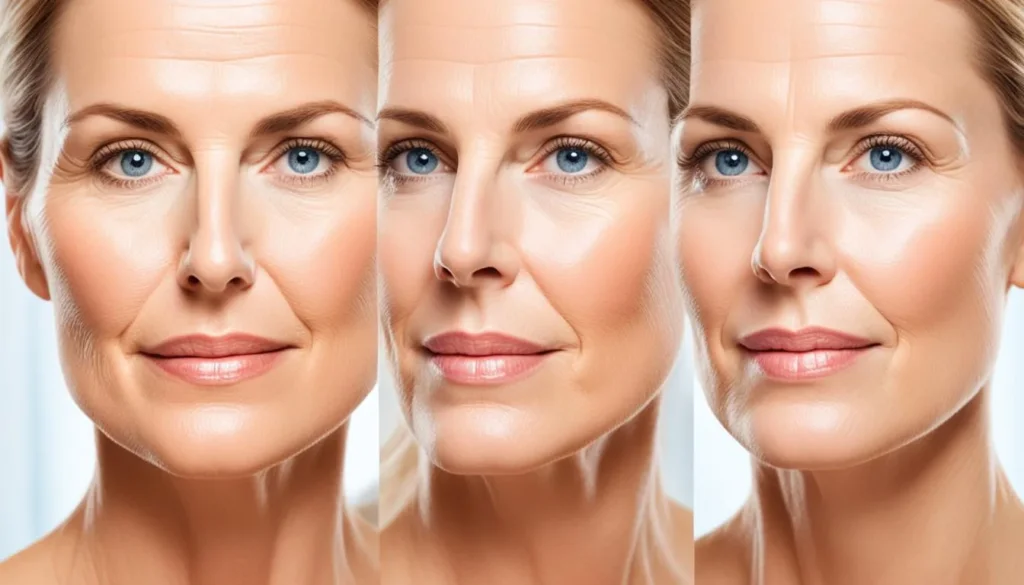
Most good candidates are roughly 30 to 55. At that stage the skin has started to loosen but still responds well to collagen stimulation. Keep in mind that PDO gives a softer change than a surgical facelift.
You should be in good general health and still have some elasticity in your skin. Tell your provider about your medical history and any medicines you take so they can confirm the treatment is safe for you. Most people are back to normal activities within three to seven days.
Who is a Good Candidate for PCL Threads?
PCL is a good fit for moderate sagging when you want the result to last. Where PDO typically lasts 6 to 12 months, PCL often lasts one to two years and sometimes up to three.
You’ll still need to be in good health and to expect a gradual change rather than a dramatic one. If lasting firmness matters more to you than speed, PCL is usually the better match.
PCL threads can also be used beyond the face, on the neck, thighs, arms, abdomen and buttocks. Some people combine them with dermal fillers to restore volume as well.
| Criteria | PDO Threads | PCL Threads |
|---|---|---|
| Duration of Results | 6-12 months | 1-2 years, sometimes up to 3 |
| Areas Treated | Face, neck, brow, cheeks | Face, neck, thighs, arms, abdomen, buttocks |
| Skin Firmness | Moderate | High |
| Rejuvenation Potential | Immediate lift, improves over 1-2 months | Immediate, lasting long-term |
Aftercare and recovery
Healing is fast with either thread. Some swelling and bruising is normal, and sticking to the aftercare plan helps the threads settle in place.
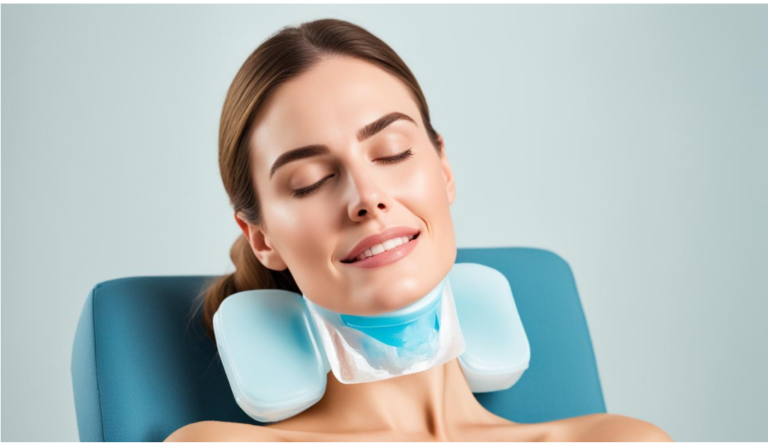
Sleep on your back and keep pressure off your face for three to five days. Skip hard exercise, saunas and other hot environments for the first four weeks. Don’t smoke for two weeks before and after, and avoid alcohol for about a week before and one to two weeks after. Protect your skin from the sun before the procedure, put off dental work for two weeks on either side and don’t put makeup over the entry points until your follow-up visit.
Arnica can help with bruising, which usually fades in 7 to 14 days, and bromelain may help with swelling. For at least a week, avoid hot showers and big, repeated facial expressions.
The bottom line
Both threads are solid alternatives to a facelift. PDO works quickly and lasts about 6 to 12 months, and along with new collagen it may improve blood flow to the skin.
PCL holds longer, often one to two years and occasionally three, since it dissolves slowly. You’ll come back less often.
The right choice comes down to speed, budget and how often you’re willing to come back.
FAQ
Which is better, PDO or PCL thread for skin lifting?
It depends on how long you want the result to last, your budget and what you want to fix. PDO lasts about 6 to 12 months and costs less.
PCL lasts one to two years or more and keeps collagen building, so it costs more but needs fewer repeat sessions.
What are PDO threads used for?
They’re dissolvable stitches used for non-surgical lifts of the brows, jawline, cheeks and neck. They also improve skin texture as collagen builds.
What are the benefits of PDO threads in facial rejuvenation?
Little downtime, lower risk than surgery, smoother and firmer skin and a lift that improves as new collagen forms.
How do PCL threads aid in skin lifting?
They break down over one to two years, holding the skin up while collagen builds. The neck and jawline respond especially well, and the threads are flexible enough for larger areas.
What are the benefits of PCL threads for non-surgical facelifts?
A longer-lasting result, a long collagen response and more comfortable placement thanks to their flexibility.
How do PDO and PCL threads compare in terms of collagen stimulation?
Both boost collagen. PDO keeps it going for up to about a year, PCL for one to two years, since it dissolves more slowly.
What is the recovery period like for PDO and PCL thread lifts?
Short. Expect some swelling and bruising, don’t touch your face, and avoid hard exercise and hot places like saunas while you heal.
Who is an ideal candidate for a PDO thread lift?
Usually people from about 30 to 55 with mild to moderate sagging, good general health, decent skin quality and realistic expectations. The chin and jawline often respond well.
Who should consider PCL threads?
Anyone with moderate sagging who wants a lift that lasts longer than PDO can offer. It works for a wide range of ages and skin types.
What are the main differences in cost between PDO and PCL threads?
PDO usually costs less and lasts 6 to 12 months. PCL costs more and lasts one to two years or longer, so weigh the price against how often you want to come back.