Who is a good candidate for PRP facial?
Who Is a Good Candidate for PRP Facial? | Learn More
Who makes a good PRP facial candidate? Generally, healthy adults who want to improve skin texture, tone, fine lines or mild acne scarring, and who are happy with gradual, natural-looking results. People with certain blood disorders, active skin infections or some other health conditions should avoid it.
Below we cover who it suits, who should skip it and what to expect.
What is a PRP facial?
It’s a treatment that uses your own blood to support skin repair.
What is platelet-rich plasma?
PRP is plasma with a high concentration of platelets, which release growth factors involved in healing.
How does it improve the skin?
A small blood sample is spun in a centrifuge to separate the PRP.
The PRP is then applied during microneedling or injected into the skin to encourage collagen.
Who is an ideal candidate?
Good candidates want to refresh their skin without surgery and have realistic expectations.
Does age matter?
Adults from their 20s to 60s can be candidates. Younger skin may respond faster.
What skin types does it suit?
It can work for many skin types and is often used for dull skin, fine lines and mild acne scars.
Does medical history matter?
Yes. You should be in good general health, and your provider will review your history and medications.
What are the benefits?
It’s your own blood, so allergic reactions are very unlikely.
Collagen builds slowly, and the effect can last months, longer with touch-ups.
You’ll be a bit red and puffy for a day or two, then you’re back to normal.

Who should avoid PRP facials?
What medical conditions rule it out?
People with blood or platelet disorders, active cancer or cancer treatment, serious liver disease, or certain autoimmune conditions should avoid it or check with their doctor.
Your doctor can help decide if it’s safe for you.
What about skin conditions?
Active infections such as cold sores, flares of rosacea or eczema, or irritated skin should be treated first.
Tell your provider about any past reactions to skin treatments.
Why is a consultation important?
It’s a chance to talk about what PRP can and can’t do for your skin.
Your provider checks your skin and health to make sure the treatment fits.
What happens during the procedure?
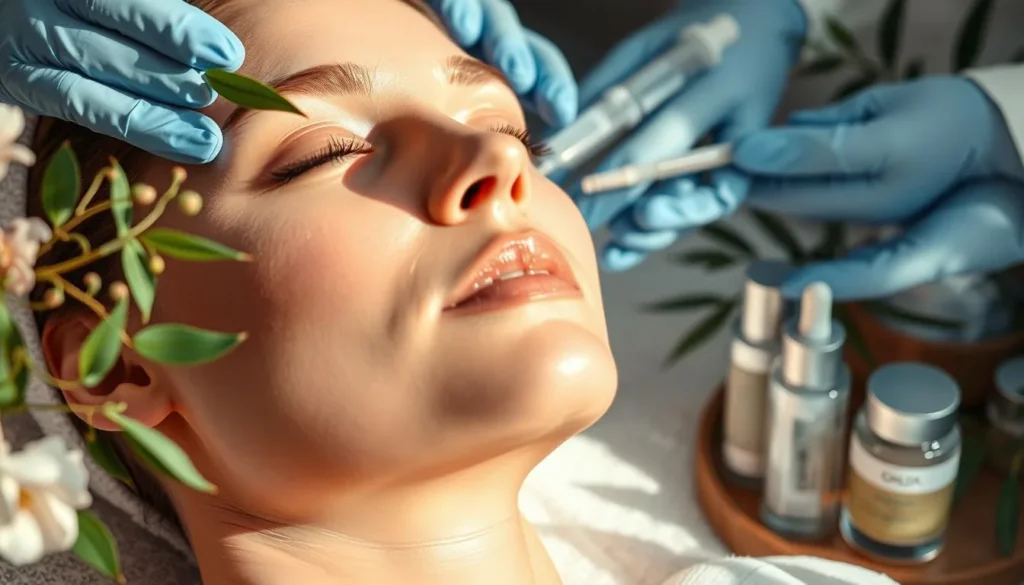
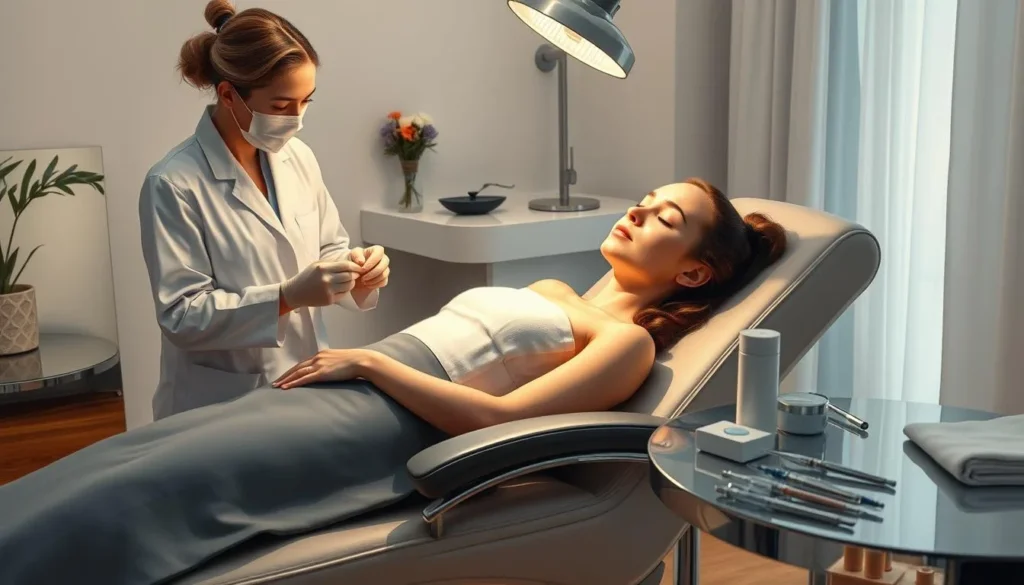
They draw a little blood, spin it, numb your face and then work the PRP in with tiny needles or injections.
What aftercare is needed?
Afterward, wear sunscreen, keep your skin clean and moisturized, and skip makeup and the gym for about a day.
That’s really all there is to it.
When will you see results?
Redness fades in a day or two. Skin may look a little plumper within the first week, and smoother over the next several weeks as collagen builds.
What affects your results?
Your skin type, age, overall health and the number of sessions all play a part. Most people need a series of about three treatments.
Is a PRP facial right for you?
If you’re healthy and want gradual improvement in skin texture and tone, it may be a good fit.
A consultation with a dermatologist or qualified provider is the best way to find out.