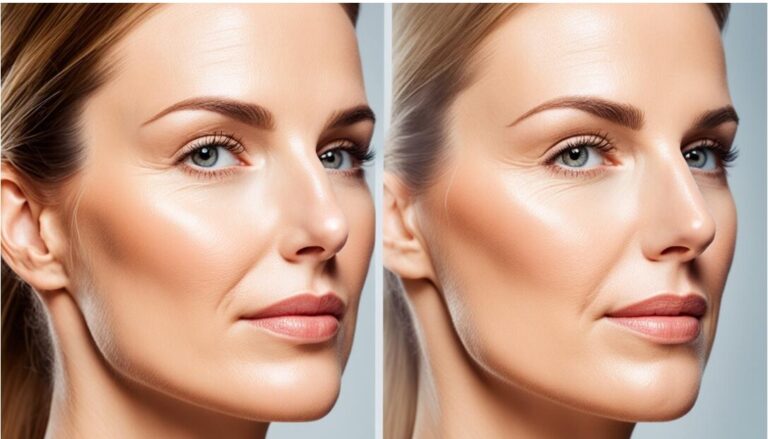
Who Should Not Get Botox? Safety and Exclusions
Who should not get Botox? It’s a fair question, because despite its reputation for smoothing wrinkles, it isn’t right for everyone. Results last 3 to 6 months, but being a good candidate takes more than wanting to look younger.
You need to be 18 or older, in good health and not pregnant or nursing. If your health isn’t great, you have muscle problems where the injections would go, or you’re allergic to the toxin, skip Botox, since you’re more likely to have a bad reaction. Non-surgical options like peels, or a facelift, may suit you better, and an experienced provider can help you choose.
Why Botox is so popular
Botox has become hugely popular in the world of cosmetic procedures. It’s now a top choice for people looking to reduce wrinkles and fine lines. The main ingredient in Botox is botulinum toxin. It’s a neurotoxin that makes facial muscles temporarily stop moving. This smooths out the wrinkles caused by smiling, squinting, or frowning.
Understanding Botox
Botox comes from botulinum toxin. It’s famous for stopping wrinkles before they start. Doctors give it through tiny injections. Botox stops the muscles it’s injected into from moving. This softens the skin and makes wrinkles less visible.
Besides its use in beauty, Botox helps with health issues. It can treat things like chronic migraines, too much sweating, and tight necks. To keep seeing good results, most people get Botox every three to four months. This shows why regular treatment is key.
Popularity of Botox in the United States
Botox is one of the most popular cosmetic treatments in the U.S., and demand has kept growing year after year.
For those fighting aging, Botox is often the first choice. It’s non-surgical and helps prevent more wrinkles. Getting approval for migraine treatment by the FDA adds to its value. Now, Botox is even more trusted and liked.
Most people come back every three to six months, and demand for Botox for wrinkles keeps rising.
| Botox Benefits | Statistics |
|---|---|
| Reduction in facial wrinkles | 37% |
| Increase in botulinum toxin treatments (5 years) | 31% |
| Aesthetic use growth | 26% in the last decade |
| Annual growth in dermatology | 6% |
General Health Considerations When Receiving Botox
Deciding on Botox requires a deep look at your health. It’s known for helping with neck spasms, sweat issues, and migraines. But, it’s vital to check if it’s safe and effective for you.
Importance of Good Physical Health
Botox works well for those in good health. If you have no big neuromuscular diseases, it might fit you. People with a clean health record usually see better results and fewer issues with the treatment. They might need follow-up injections every three months to keep the effects going.
Risks for Individuals with Pre-Existing Conditions
If you have health issues or take certain medicines, Botox might not be safe. For example, some antibiotics make Botox risky. Patients like this often hear they should avoid Botox to stay safe. It’s important to talk about your health history and meds with a doctor first.
Also, Botox isn’t advised if you’re pregnant or nursing. Its impact on babies isn’t fully known. So, it’s best to wait until you’re done with your pregnancy and nursing period to consider Botox.
It’s key to first have a deep health check and talk with an expert. This way, it’s more likely that only those who can benefit safely from Botox get it. This approach helps reduce any risks linked to Botox.
Neuromuscular diseases
Conditions like myasthenia gravis or Lambert-Eaton syndrome already weaken the muscles, and Botox can make that worse.
Millions of people get Botox every year, but anyone with a motor neuron disease needs to be careful. A doctor should confirm it won’t make their condition worse.
Bruising and headaches are the usual minor side effects, and both tend to clear up within days. Reactions can be stronger in people with muscle disorders. Good technique and proper skin prep keep injection-site pain and infection to a minimum.
| Study | Authors | Focus |
|---|---|---|
| Comparison of Botulinum Neurotoxin Preparations | Chapman et al. (2007) | Treatment of cervical dystonia |
| Optimal Dose of Botulinum Toxin A | Poewe et al. (1998) | Dose-ranging study using Dysport |
| Efficacy and Safety of Dysport | Truong et al. (2005) | First US randomized, double-blind, placebo-controlled study |
| Safety and Efficacy of NeuroBloc | Brin et al. (1999) | Type A-responsive cervical dystonia |
Allergies
A small number of people are allergic to something in Botox. Reactions range from itching or a rash to, rarely, trouble breathing, so tell your doctor about any past allergies or reactions to injections before you start.
Ingredients to Watch Out For
Important Botox components, like botulinum toxin and albumin, can cause allergies. Let your health provider know of any past allergies to these. Early identification of allergens helps your doctor tailor your treatment. This minimizes the chances of bad reactions.
| Allergy Trigger | Potential Reaction |
|---|---|
| Botulinum Toxin Ingredients | Itching, Rashes, Dizziness, Difficulty Breathing |
| Albumin | Rashes, Swelling, Severe Allergic Reactions |
Being aware of Botox side effects is essential for a safe Botox experience. Always discuss your concerns with a professional. This will help you get ready for the procedure wisely.
Botox Precautions for Individuals Under 18
Administering Botox to those under 18 for looks is highly advised against. Professionals highlight that the safety and effectiveness of Botox have not been established for these young folks. This is especially true if they want to use it to treat axillary hyperhidrosis. There are major Botox safety concerns due to possible side effects and ethical worries.
BOTOX is only recommended for a few cases in children. For example, it can be used for neurogenic detrusor overactivity (NDO) in kids 5 and up who don’t react to other medicines. But for looks, its use is not suggested. Doctors need to carefully think about the reasons and safety behind using Botox. This is crucial, especially when deciding if young individuals should have it.
Additionally, kids under 18 should stay away from Botox because we don’t know its effect on growing bodies. This advice comes from the general idea of not doing cosmetic procedures on anyone not yet an adult. This ensures they fully understand the risks. So, it’s very important to work with doctors. This is to find other, safer ways for young people to enhance their looks without using Botox.
Pregnancy and Breastfeeding: A Clear No
Botox is used to reduce facial wrinkles and treat headaches. It’s also used for excessive sweating. But, it’s a no-go for pregnant and nursing women. This is because it hasn’t been widely studied in these cases.
Potential Risks to Fetal Development
Though studies in animals show Botox doesn’t reach the baby during pregnancy, we can’t be completely sure. Using Botox while pregnant could lead to the toxin causing problems like muscle weakness. This happens when it moves from the injection spot to other areas.
Studies haven’t clearly shown if Botox affects pregnancies negatively. But, we can’t say it’s safe either. So, it’s best to avoid Botox when pregnant.
Uncertainties and Recommendations
We also don’t know if Botox transfers to breast milk. There’s not enough data to say for sure. Because of this, experts advise against using Botox when breastfeeding.
Though little Botox might pass into the milk, it’s still unclear if this can harm the baby. That’s why it’s better to wait until after breastfeeding to get Botox again.
During these times, one can opt for glycolic and lactic acid peels. It’s also good to keep the skin well-hydrated, moisturize often, exfoliate, and get enough sleep. Always ask your doctor before trying any cosmetic treatment.
Botox Complications Due to Skin Conditions
Skin issues like infections or redness where you want Botox can cause big problems. If Botox is put in these areas, it might spread germs and cause more issues. A doctor should check the skin first to avoid this. People with skin troubles in these areas should wait for Botox until their skin is healthy.
Active Infections
Infections make Botox unsafe. Putting Botox in places with infections can make bacteria go deeper. This can lead to bad health problems. So, people with skin infections should treat them first before thinking about Botox.
Inflammation at the Injection Site
Redness at the Botox site can cause major problems. It makes the treatment less safe, raising infection risks and other problems. To stay safe and get good results, resolve any redness first before going for Botox.
Breathing Difficulties and Respiratory Conditions
Botox injections can be risky for people with breathing problems or obstructed airways. It’s the world’s top cosmetic treatment. Many people use it for different reasons. But, those with trouble breathing need to be careful.
Chronic Respiratory Conditions
If you have asthma or COPD, be cautious. Botox temporarily relaxes the muscles it’s injected into, and in rare cases the effect can spread to muscles involved in breathing or swallowing. Talk it through with your doctor, who may suggest other options.
Obstructive Airway Disorders
If you have sleep apnea, using Botox is also risky. Botox can relax the wrong muscles which messes with how you breathe. This can make these conditions worse. People in this group should always talk to their doctor before thinking about Botox. They need to make sure it won’t harm their breathing.
Serious breathing problems after Botox are rare, but they can happen, so if you have a respiratory condition, have a proper conversation with your doctor first.
Who should not get Botox? Specific Exclusions
Autoimmune Disease Considerations
If you have an autoimmune disease, like lupus, Botox might be risky for you. It’s because the mix of Botox and autoimmune conditions can cause bad and unpredictable effects. Before getting Botox, make sure to talk with your doctor. They can help you decide if it’s a smart choice for you, based on your health history.
Muscle Weakness Concerns
Botox stops muscles from moving, which might not be good if you already have weak muscles. Those with health issues like myasthenia gravis should be careful. Using Botox might make muscle problems worse. Always talk to a doctor before deciding to get Botox. They will look at your health in detail to see if it’s safe for you.
Knowing who shouldn’t get Botox, like people with autoimmune diseases or muscle issues, is key. Talking with your doctor is critical to see if Botox can be harmful for you. They will consider your health and risks before recommending Botox.
The bottom line
Botox has plenty of cosmetic and medical uses, but it isn’t for everyone. Age, overall health, pregnancy and allergies all decide whether it’s safe for you.
Before choosing Botox, people should talk to experts in the field. They need to tell these professionals about any health issues or allergies they have. Also, they should mention the medicines they are taking. This information is vital in avoiding any bad reactions.
Go over possible side effects before you start so you can decide whether it fits your health and your goals.
In short: it’s not for anyone under 18 or with significant health problems, skin infections and breathing issues need to be considered, and if you’re pregnant or nursing, wait. With a doctor’s guidance, Botox can be used safely.
FAQ
Who should not get Botox?
Those under 18, pregnant or nursing, and people with neuromuscular issues should avoid Botox. It’s also not for those in bad health or with allergies to Botox. If you have muscle weakness where the Botox is injected, it’s best to skip it.
What are the common Botox contraindications?
Major no-goes are diseases like myasthenia gravis, bad reactions to Botox before, and being pregnant or breastfeeding. Taking certain antibiotics is also a red flag.
How important is good physical health for Botox eligibility?
Staying fit is key to being eligible for Botox. It helps people avoid big risks during the treatment.
What are the risks for individuals with pre-existing conditions when receiving Botox?
For those with certain health issues, Botox can be risky. It might make their symptoms worse or cause severe problems.
What are the common side effects of Botox?
After Botox, you might have pain, a headache, or feel like you have the flu. Allergic reactions can also happen, showing as itching, a rash, dizziness, or trouble breathing.
Can Botox cause allergic reactions?
Yes, Botox can trigger allergies. For some, this means itching or a rash, while for others, it could be as bad as dizziness or trouble breathing.
Is Botox safe for individuals under 18?
Botox isn’t usually given to anyone under 18. We’re still learning about its effects on young people and want to be sure it’s right for them.
Why should pregnant or breastfeeding women avoid Botox?
It’s best for moms-to-be or nursing moms to avoid Botox. We’re not sure what the toxin might do to babies through the placenta or milk.
Are there precautions for Botox with regard to skin conditions?
Indeed, Botox can’t be used where the skin is already infected or inflamed. This could make things worse or cause other problems.
What are the concerns for individuals with respiratory conditions regarding Botox?
If you have trouble breathing, Botox might not be safe. It can make breathing muscles weak, leading to even worse issues.
Are there specific exclusions for Botox treatments?
Yes, if you have autoimmune diseases or a history of muscle weakness, Botox might not be for you. It could lead to bad reactions.