Why Does My Toothache Not Go Away Even After Taking Painkillers?
Did you know that about 15% of adults deal with chronic dental pain that won’t go away, even with over-the-counter pain relief? This fact is quite surprising and often misunderstood. When you find yourself wondering, “Why does my toothache not go away even after taking painkillers?”, it means there’s a bigger issue at hand.
Painkillers might help block pain signals for a while, but they don’t fix the real problem. Issues like irreversible pulpitis, periapical abscesses, or fractures below the gum line could be the cause. These serious problems can cause pain that painkillers can’t fix.
It’s important to understand this to get the right treatment. If painkillers don’t work, it means the tooth’s inflammation and pressure are too much for them. At this point, you need dental treatments that really solve the pain’s cause.
Key Takeaways
- Chronic dental pain can persist despite using painkillers.
- Over-the-counter medications only provide temporary relief.
- Underlying issues may include pulpitis or abscesses.
- Persistent pain indicates a need for professional dental evaluation.
- Effective treatment requires addressing the root cause of the pain.
Understanding Toothache: Common Causes
Knowing what causes tooth pain is key to finding relief. Toothaches come from many sources, each with its own challenges. By understanding these causes, we can take the right steps to fix the problem.
Tooth Decay and Cavities
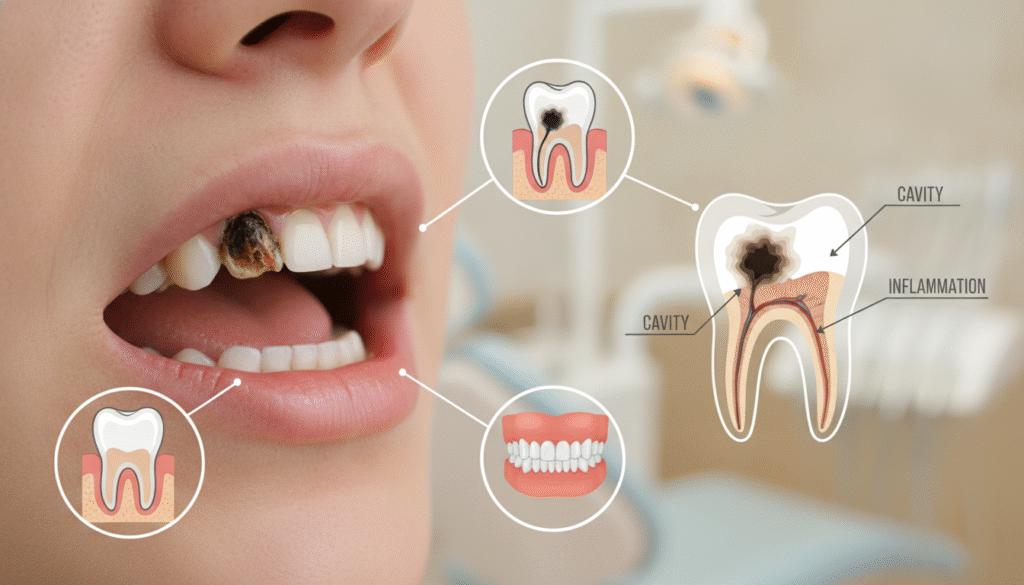
Tooth decay, or dental caries, is a common cause of tooth pain. It starts with the enamel losing minerals, creating cavities. If not treated, decay can reach the pulp chamber, causing more pain.
When bacteria invade the pulp, it leads to pulpitis. This inflammation causes sharp, sudden pain. Regular dental visits can catch these problems early, preventing worse pain.
Gum Disease
Gum disease, or periodontal disease, affects the teeth’s support structures. Gingivitis, the first stage, causes gum inflammation and tenderness. If ignored, it can lead to periodontitis, damaging the bone and ligament.
As gum disease worsens, patients may feel dull, deep pain and even notice their teeth moving. Good oral hygiene and regular dentist visits are key to preventing gum disease and its pain.
Dental Abscess
A dental abscess is the most severe tooth infection. It happens when bacteria form a pocket of pus at the tooth root or in the surrounding tissues. This causes intense, throbbing pain due to pressure on nerves and tissues.
Dental abscesses need immediate care, as they can cause serious problems if not treated. Symptoms include swelling, fever, and constant pain, showing the need for dental help.
When Painkillers Aren’t Effective
Dealing with tooth pain that doesn’t go away after taking painkillers can be tough. It’s important to know why these medicines might not work. This part will look into how painkillers work and the types used for toothaches.
Understanding How Painkillers Work
Painkillers change how we feel pain. Most over-the-counter ones, like ibuprofen, block enzymes that make pain chemicals. This helps reduce pain and swelling.
Acetaminophen works differently. It makes the brain less sensitive to pain but doesn’t fight swelling. But, when dental infections are severe, the body’s pain signals can be too strong for these medicines to handle.
Types of Painkillers Used for Toothaches
There are several painkillers for toothaches:
- NSAIDs: These are often the first choice. They help with pain and swelling.
- Acetaminophen: Good for those who can’t take NSAIDs. It eases pain but doesn’t reduce swelling.
- Prescription opioids: For really bad cases, doctors might prescribe stronger drugs. But, these can be addictive and should be used carefully.
Also, taking painkillers too often can make them less effective. The body might need more of the drug to feel the same relief. This can lead to a dangerous cycle if the real problem isn’t fixed.
What you eat or drink can also change how painkillers work. Some foods or drinks can mess with how your body breaks down the medicine. This can make the usual dose not work as well.
Potential Underlying Dental Issues
A persistent toothache might hide a bigger dental problem. Many conditions can cause ongoing pain. Knowing these can help find the right treatment fast.
Impacted Wisdom Teeth
Impacted wisdom teeth can be very painful, often at night. If they can’t come out fully, they can swell and hurt a lot. This can also lead to infections like pericoronitis, where bacteria grow in the soft tissue around the tooth.
Symptoms of impacted wisdom teeth include:
- Severe pain that may radiate to the jaw or ear
- Swelling around the gums
- Difficulty opening the mouth
If you have sudden, severe tooth pain that doesn’t go away with over-the-counter meds, you need to see a dentist right away.
Cracked or Fractured Teeth
Cracked or fractured teeth can be hard to diagnose. Even a tiny crack can let fluids and bacteria in, causing sharp pain when you chew. This is called cracked tooth syndrome and often doesn’t respond to painkillers.
Common signs of a cracked tooth include:
- Sharp pain during biting or chewing
- Increased sensitivity to hot or cold
- Discomfort that varies in intensity
Sinus Infections
Interestingly, sinus infections can feel like a toothache. The roots of some teeth go into the sinus floor. When the sinus gets inflamed, it can press on the nerves of these teeth, causing pain.
Symptoms of sinus-related tooth pain may include:
- Facial pressure or fullness
- Congestion or nasal discharge
- Tooth pain that worsens when bending forward
In these cases, dental pain meds might not help. The real problem is in the sinuses, not the teeth. Knowing this is key to treating the pain right.
Importance of Seeking Professional Help
Knowing when to see a dentist is key to managing toothache. Many think the pain will go away by itself. But, some signs mean it’s a dental emergency.
Watch for these symptoms:
- Severe swelling around the face or gums
- Fever with tooth pain
- Difficulty swallowing or breathing
- Pain lasting longer than two days
- Pus or signs of infection around the tooth
Quick treatment stops infections from getting worse. Pain that lasts more than 48 hours usually means a bigger problem. For example, swelling outside the mouth could mean the infection is spreading. Fever shows your body is fighting an infection.
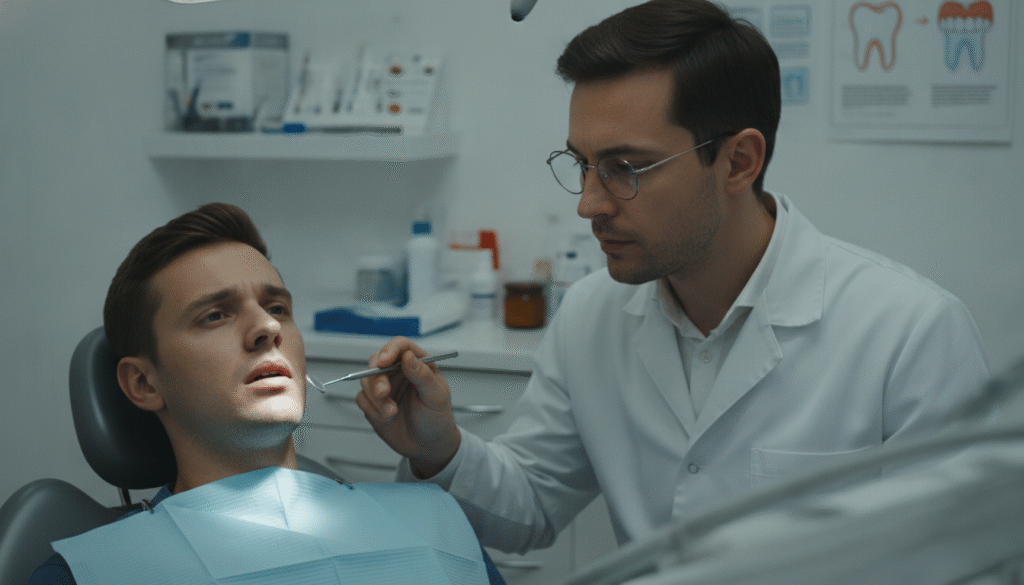
Seeing a dentist right away is critical. Dental X-rays help find the real cause of tooth pain. They show problems that can’t be seen with just a look.
| Diagnostic Aspect | Importance |
|---|---|
| Periapical Radiolucencies | Shows possible infections at the tooth root |
| Interproximal Caries Depth | Shows how deep decay is between teeth |
| Alveolar Bone Loss | Means gum disease or infection |
| Root Fractures | Finds damage that might need surgery |
Knowing these details helps make a treatment plan. It focuses on fixing the problem, not just the symptoms. By spotting dental emergencies and getting help fast, you keep your mouth and body healthy.
The Risk of Treating Symptoms Only
Using painkillers to hide tooth pain is risky. It might feel better for a while, but it doesn’t fix the real problem. People who just take medicine without seeing a dentist might let their dental issues get worse.
Ignoring tooth pain can lead to big problems. Issues like rotting teeth, abscesses, or cracked teeth can cause lasting damage. A condition like pulpitis might seem to get better, but it can turn into something much worse.
Dentists use special tests to figure out what’s wrong. They check how teeth respond to pressure and heat. They also look at X-rays to see the extent of the problem. Without these checks, people might not know how serious their dental health is.
Trying to ignore tooth pain is like ignoring a fire alarm. Just because you can’t feel pain doesn’t mean everything is okay. Finding and fixing the real cause of the pain is key to keeping your teeth healthy for a long time.
The Role of Inflammation in Tooth Pain
Inflammation is key in tooth pain. It makes it harder to find relief. Inside the tooth and bone, signs like swelling and pain create a tight space that worsens the pain.
Inflammation brings in cells that release chemicals. These chemicals make nerves more sensitive and increase blood flow. This leads to higher pressure in the tooth, causing sharp and throbbing pain.
While drugs like NSAIDs work well, natural remedies can also help. They can reduce inflammation and ease tooth pain. Here are some natural options:
| Natural Remedy | Method | Effectiveness |
|---|---|---|
| Salt Water Rinse | Mix salt in warm water and rinse. | Helps draw out fluid and reduce swelling. |
| Cold Compress | Apply to the outside of the cheek. | Reduces inflammation and numbs pain. |
| Clove Oil | Apply a small amount to the affected area. | Contains eugenol, which has analgesic properties. |
These remedies can help ease pain. For example, salt water rinses can pull out fluid from swollen tissues. Cold compresses can also help by reducing blood flow and numbing the area.
Home Remedies and Their Effectiveness
For generations, people have used home remedies for toothaches. These methods can give temporary relief and are easy to find. But, it’s important to know their limits and when they’re not enough.
Common Home Remedies for Toothaches
Many home remedies can help with tooth pain. Here are some effective ones:
- Clove Oil: This oil has eugenol, a natural painkiller. Soaking a cotton ball in clove oil and placing it on the tooth can numb the pain.
- Cold Compress: A cold compress on the cheek can reduce swelling and numb the pain, giving quick relief.
- Salt Water Rinse: Rinsing with warm salt water can help reduce inflammation and clean the area.
- Garlic: Garlic’s antibacterial properties can help ease pain and prevent infection when chewed.
When Home Remedies Are Not Enough
Even though these remedies work, they’re not a permanent fix. They mainly treat symptoms, not the root cause. If toothache pain doesn’t go away or gets worse, it could mean a bigger dental problem. Signs like sudden pain or pain that keeps you awake are clear signs you need a dentist.
| Remedy | Method of Application | Effectiveness |
|---|---|---|
| Clove Oil | Apply soaked cotton ball to the tooth | Temporary numbing effect |
| Cold Compress | Place on the cheek near the pain | Reduces swelling and numbs pain |
| Salt Water Rinse | Swish in the mouth | Reduces inflammation |
| Garlic | Chew raw garlic | Antibacterial properties |
In conclusion, home remedies can help with toothaches, but they shouldn’t replace dental advice. Always see a dentist for ongoing pain to get the right treatment.
The Importance of Oral Hygiene
Toothaches can often be avoided with good oral hygiene. Daily habits are key to keeping your mouth healthy and pain-free. The best tooth pain treatment is preventing toothaches through clean teeth and gums.
Brushing your teeth twice a day with fluoride toothpaste is a must. It removes plaque and helps your enamel stay strong. Flossing daily is also important. It cleans between your teeth and along your gums, where cavities often start.
Daily Habits that Prevent Toothache
Here are some daily habits to help avoid toothaches:
- Brush twice daily with fluoride toothpaste.
- Floss daily to remove food particles and plaque.
- Limit sugary snacks and beverages.
- Drink plenty of water to help wash away food particles.
- Consider using an antibacterial mouthwash.
The Role of Regular Dental Checkups
Regular dental visits are key to keeping your mouth healthy. They let your dentist catch problems early. This way, they can fix them before they get worse.
At dental checkups, your dentist can also find problems like cavities or gum disease early. This helps keep your teeth and gums healthy. It also means you won’t have to deal with sudden, painful toothaches.
| Oral Hygiene Practice | Benefits | Frequency |
|---|---|---|
| Brushing | Removes plaque and prevents decay | Twice daily |
| Flossing | Cleans between teeth and prevents cavities | Daily |
| Dental Checkups | Early detection of issues | Every 6 months |
Allergies and Tooth Pain
Many people don’t connect allergies with tooth pain. Yet, severe toothache can be a sign of an allergic reaction. Allergies can cause dental pain in some cases.
Allergens can cause inflammation in the body. This inflammation can swell the nasal passages and sinuses. The close location of the maxillary sinus to the upper molars can put pressure on dental nerves. This pressure can cause tooth pain that feels like a toothache.
How Allergies Might Manifest as Tooth Pain
Allergic rhinosinusitis is a common issue. It happens when the sinus membranes get inflamed because of allergens. This inflammation can lead to:
- Pressure on the dental nerves
- Referred pain to the teeth
- Increased sensitivity in the oral cavity
It’s important to recognize these symptoms. A simple test is to check if multiple teeth are sensitive. If they are, it’s likely due to sinus issues, not just one tooth.
Managing Allergies to Reduce Pain
Managing tooth pain from allergies needs a few steps:
- Antihistamines: These block the allergic response and reduce swelling.
- Decongestants: These help clear nasal congestion and ease sinus pressure.
- Intranasal corticosteroids: These control inflammation in the nasal passages.
By treating the allergy, patients can ease their severe toothache. For more on dental health, visit this link.
Stress and Tooth Pain Connection
Stress and tooth pain are closely linked but often overlooked. High stress can cause many oral health problems, like bruxism. This is when you clench and grind your teeth, often while you sleep.
Bruxism can lead to several issues, including:
- Myofascial pain in the jaw muscles
- Temporomandibular joint dysfunction
- Increased tooth sensitivity
- Potential enamel wear and cracks
These problems can cause long-term dental pain. So, finding ways to manage dental pain is key. Reducing stress is also important for keeping your teeth healthy.
How Stress Can Lead to Grinding Teeth
Stress triggers the body’s fight-or-flight response. This can cause muscle tension and teeth grinding. This usually happens when you’re asleep, making it hard to stop.
Ways to Manage Stress for Oral Health
To fight stress’s impact on your teeth, try these:
- Meditation: It helps lower stress.
- Yoga: It combines movement and breathing for calm.
- Cognitive Behavioral Therapy (CBT): It helps change negative thoughts that cause stress.
- Mouthguards: They protect your teeth from grinding damage.
Adding these habits to your day can help manage stress and improve your oral health. Knowing how stress and tooth pain are connected helps you take care of your teeth better.
Understanding Chronic Tooth Pain
Dealing with chronic tooth pain needs a full plan. This pain lasts more than three months and can really hurt. It’s different from sudden pain because it doesn’t always show up in the mouth.
Chronic pain changes how we feel pain. It’s not just about the mouth anymore. The brain starts to feel pain more easily, making it hard to treat.
What Characterizes Chronic Tooth Pain?
Chronic tooth pain can feel different ways. It might be:
- Persistent aching or throbbing sensations
- Increased sensitivity to hot or cold stimuli
- Unexplained pain that persists despite treatment
It’s hard to find relief because the pain is in the brain. It’s not just in the mouth anymore.
Strategies for Managing Chronic Tooth Pain
Managing chronic tooth pain needs a mix of treatments. Here are some ways to help:
- Medication Adjustment: Try medicines like tricyclic antidepressants or gabapentin to help with pain.
- Thorough Medical History Review: Tell your dentist about any health issues that might affect pain.
- Integrative Therapies: Try things like cognitive-behavioral therapy, acupuncture, or physical therapy to help with pain.
In summary, tackling chronic tooth pain needs a team effort. Working with dental experts can help find ways to ease pain and improve life.
The Psychological Impact of Tooth Pain
Tooth pain can cause more than just physical pain. It can lead to serious mental distress. This distress often shows up as anxiety, mainly in those who have had bad dental experiences before. The fear of pain can make people avoid going to the dentist, which can make dental problems worse.
People with tooth pain may feel tired, have trouble focusing, and see their life quality drop. The emotional burden is huge, as they deal with both the pain and the stress of their dental health.
To help with this, finding ways to cope is key. Dentists can use many methods to make patients feel less anxious. For example, they can teach patients to say “stop” if they’re in pain. This gives them control. They can also explain procedures clearly, which can help reduce fear.
In serious cases, medicine can help calm anxiety. Nitrous oxide sedation or oral medication can help. Making the dentist’s office a safe and predictable place is also important. By treating the mental side of tooth pain as seriously as the physical, dentists can make the experience better for their patients.
Diet’s Role in Tooth Health
The link between diet and oral health is often overlooked, yet it’s key to avoiding toothaches. Eating right can strengthen teeth against common toothache causes and boost overall health. Our diet affects the constant battle between tooth demineralization and remineralization.
Foods that help oral health often boost saliva production. For example, eating fibrous veggies and fruits cleans teeth and encourages saliva. Dairy like cheese and yogurt is also good because it’s full of calcium and phosphate, which help teeth.
Foods that Promote Oral Health
- Fruits and Vegetables: Apples, carrots, and celery are excellent choices.
- Dairy Products: Cheese and yogurt support enamel health.
- Nuts: Almonds and walnuts provide healthy fats and minerals.
Foods to Avoid for Healthy Teeth
On the other hand, some foods can harm teeth. Free sugars and refined carbs are big offenders. They quickly feed bad bacteria, leading to acid that weakens teeth.
It’s not just how much sugar we eat, but how often. Drinking acidic or sugary drinks all day is bad for teeth. To keep teeth healthy, eat less often and let saliva do its job.
| Food Type | Impact on Oral Health | Recommendations |
|---|---|---|
| Fruits and Vegetables | Promote saliva production | Include daily |
| Dairy Products | Rich in calcium | Incorporate regularly |
| Sugary Snacks | Increase tooth decay risk | Avoid or limit |
| Acidic Beverages | Lower oral pH | Minimize consumption |
“Dietary modification is not merely about avoiding sweets but about understanding the importance of limiting eating events to allow the saliva to neutralize acids and repair the enamel.”
Choosing the right foods can greatly lower tooth pain risk and improve dental health.
Conclusion: Moving Forward with Tooth Health
Dealing with constant tooth pain can be really tough, and when pain meds don’t work, it’s time to see a dentist. Getting a dental check-up right away is key. Tell the dentist how long and how bad the pain is to help figure out what’s wrong.
Once the pain is managed, start a good dental care plan. This means brushing and flossing regularly and eating less sugar. Also, don’t forget to go to the dentist for check-ups to catch problems early.
Remember, painkillers just hide the pain, not fix the problem. By getting help early and taking care of your teeth, you can avoid bigger issues. Taking care of your teeth now means a healthier smile later.