Why Is Ultherapy So Expensive? Cost Explained
Why Is Ultherapy So Expensive? Cost Explained
Some practices quote $175 to $200 for a small Ultherapy treatment, while a full face and neck session in New York City can cost $4,000 to $5,500. That gap leaves a lot of people asking why Ultherapy is so expensive, so here’s what actually goes into the price.
Part of the answer is that it isn’t a typical cosmetic treatment. Instead of a laser, it uses focused ultrasound to build collagen deep under the skin, and a single session can give natural-looking results that last for years. For many people, that longevity is what makes the cost easier to justify.
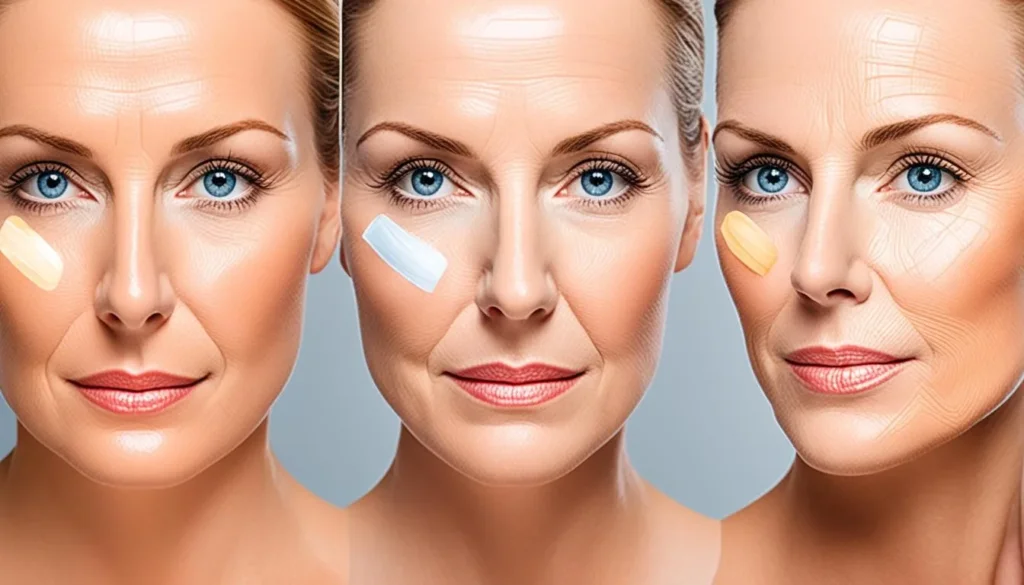
At a glance
Small treatments can start around $175 to $200, and full-face work runs $2,000 to $5,500 depending on the city. You’re paying for ultrasound technology rather than a laser, results that show up at two to three months and keep improving for five to seven, and a treatment the FDA has cleared for lifting the neck, face, brows and chest. One session can last several years.
What Ultherapy actually does
Here’s the basic idea. Focused ultrasound heats tissue below the surface, your body responds by producing fresh collagen, and the skin on top stays intact, so there’s essentially no recovery time.
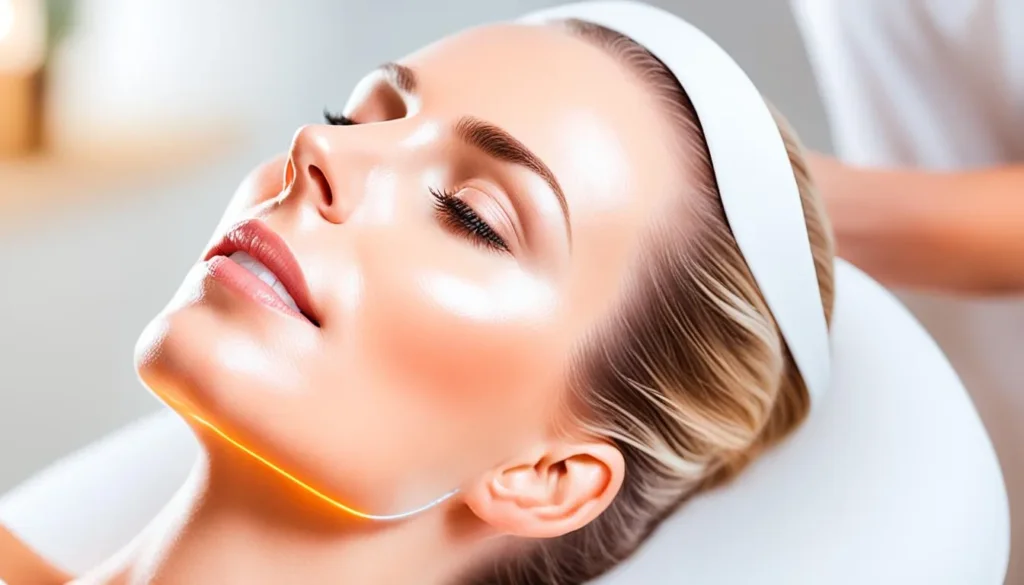
The main goal is lift. In clinical studies, 95% of patients had noticeably firmer skin within a year. You’ll usually start to see a difference at two to three months, and it keeps improving for about six months while the new collagen forms.
It works well on areas that tend to sag, like the brow, jawline and under the chin. In one study, nine out of ten patients had a visible brow lift within 90 days, averaging about two millimeters, which makes the eyes look more open. Most people are back to normal the next day.
Pairing Ultherapy with other treatments, such as Profhilo or dermal fillers, can boost collagen and elasticity even further, and a diet rich in vitamin C and amino acids helps support the collagen and hyaluronic acid your skin is making.
Some numbers that show how widely it’s used and how well it works:
| Statistic | Details |
|---|---|
| Patient Satisfaction | 67% of patients were very satisfied or satisfied within 90 days |
| Procedure Popularity | Over 526,000 nonsurgical skin-tightening procedures were performed in 2016 |
| Cost Comparison | Average cost of Ultherapy ($1802) vs. facelift ($7503) in 2016 |
| Downtime | Typically no downtime, with patients resuming normal activities immediately |
Overall, it’s one of the most trusted non-surgical ways to tighten skin, whether on its own or combined with other treatments.
Why is Ultherapy So Expensive?
So what drives the price? Mostly three things: the technology, the training it takes to use it well, and its FDA clearance.

Advanced Technology
The device itself is expensive. Delivering ultrasound precisely to the deeper layers of the skin takes sophisticated equipment, and that cost is built into every treatment.
The ultrasound creates tiny, controlled heat injuries that prompt new collagen. The result is smoother skin, fewer wrinkles and better contours that can last up to three years.
Practitioner Expertise
Results depend heavily on who’s holding the handpiece. Providers need specific training and experience to tailor the treatment safely and get the best outcome.
That expertise is part of what you pay for. In New York City, an experienced doctor may charge around $5,000 for a full face and neck.
FDA Approval
FDA clearance plays a role too. Ultherapy was cleared in 2009 for non-invasive lifting, which means it has been reviewed for safety and effectiveness.
That track record makes it more trusted, and it also helps explain the higher price.
“The high cost of Ultherapy is justified by its advanced ultrasound technology, the expertise of practitioners, and the credibility from FDA approval.”
Put together, the price reflects the technology, the skill involved and the regulatory standards behind it.
Ultherapy Cost Breakdown
Demand is growing, with Healthline reporting an 11.6% rise in patients, and the price you pay depends a lot on where you live and which areas you treat.
Does location change the price?
Yes, and by a lot. A New York practice might charge anywhere from about $750 to $5,000, since rent, staff and demand are all higher in big cities.
Outside major cities, the same treatment is often cheaper.
Prices vary internationally as well. In Canada, they’re similar to the U.S., though local economics play a part.
Area of Treatment
The size of the area matters too. Small areas like the eyes or brows cost around $750 to $1,000, while the neck can run $4,000 to $5,000.
A full face and neck is the most expensive option because it’s the longest and most involved treatment.
Then there’s maintenance. To keep results going, many providers suggest repeating Ultherapy about every 18 months.
Knowing these factors makes it easier to compare quotes.
Factors Affecting Ultherapy Price
Prices typically range from $1,200 to $3,500, depending on how involved the treatment is and how experienced the provider is.
Complexity of Procedure
Treatment time is one driver. A session takes 60 to 90 minutes and can cover the neck, chin and brows. A full face usually costs $2,000 to $4,000, while a single area costs less.
Some people get great results from one session, while others need a second one 6 to 12 months later, which also affects the total.
Practitioner’s Experience Level
Experience matters as well. Providers with more training and a strong track record charge more, and well-reviewed clinics in big cities tend to sit at the higher end.
Paying for experience usually means better and more predictable results, which is part of getting your money’s worth.
Is Ultherapy Worth the Cost?
Whether it’s worth it comes down to what you get: a gradual, natural-looking lift and firmer skin, no surgery, and results that can last two and a half to three years.
Compared with surgery it’s cheaper and involves little downtime. In Toronto, for example, prices range from $1,000 to $5,000, and the treatment is approved by both the FDA and Health Canada.
If budget is a concern, smaller areas like the brow are cheaper, at $750 to $1,000. With more than half a million treatments performed worldwide, it’s a well-established option.
Some people notice a difference within a week, with the full result at two to three months, and many use it to maintain the results of earlier surgery.
Costs are fairly predictable compared with some alternatives. Thermage, for instance, costs INR 1 to 1.5 lakh in India and needs repeating every two years, while an Ultherapy session takes 30 minutes to two hours and lasts a long time.
Popularity keeps rising, with an 11.6% increase in patients, and Americans spent more than $16.5 billion on cosmetic procedures in 2018 and 2019.
For many people, the value goes beyond appearance to how they feel about themselves.
Affordable Alternatives to Ultherapy
If Ultherapy is out of your budget, a few cheaper treatments can deliver similar results.
Thermage
Thermage uses radiofrequency energy to smooth and tighten skin and is FDA-cleared. It can treat large areas like the thighs, buttocks and arms as well as the face, and the newest version, Thermage FLX, is faster, more precise and more comfortable.
HIFU
HIFU is another lower-cost option. It also targets the deeper layers to boost collagen, has been FDA-cleared for brow lifts since 2009, and helps with wrinkles and tightening. Results show at two to three months and last up to 18 months.
Radiofrequency
Radiofrequency treatments heat the skin to tighten it and stimulate collagen, and they’re safe for all skin types. Like Ultherapy, they rely on heat, and Thermage results can last up to two years.
| Comparison | Ultherapy | Thermage | HIFU |
|---|---|---|---|
| FDA Approval | 2004 | Yes | 2009 |
| Energy Type | Micro-focused Ultrasound | Radiofrequency | High-Intensity Focused Ultrasound |
| Main Treatment Areas | Face, Neck, Chest | Face, Body | Face |
| Results Duration | Up to 2 years | 1-2 years | Up to 18 months |
| Side Effects | Redness, Swelling, Bruising | Minimal | Minor Discomfort |
Ways to Save on Ultherapy Costs
There are a few ways to bring the cost down.
Clinic Promotions
Many clinics run promotions for new patients, which can save a lot compared with the average price of about $2,625.
92% of patients who received Ultherapy were satisfied with their results, making it a valuable investment in your skin treatments.
Prices also depend on the neighborhood, so clinics in less expensive areas may offer better rates.
Can you pay over time?
A lot of clinics will let you split the cost into monthly payments through financing companies such as Beautifi. It’s also worth asking whether they discount treatments during slower times of year.
Either way, you don’t have to hand over the whole amount on the day of treatment.
Conclusion
So, why the price tag? You’re paying for ultrasound technology that tightens skin without surgery, and depending on where you live and what’s treated, the cost can be anywhere from $175 to $5,500.
Because it boosts your own collagen, the lift looks natural, and results last one to two years depending on your skin and lifestyle.
A session takes 30 to 60 minutes with little downtime, and compared with an average facelift cost of about $7,467 in the U.S., many people find it worth the price.
In surveys, 88% of patients say they feel more confident afterward and 95% are happy with their results. It has been performed more than half a million times worldwide since its FDA clearance in 2009, and its popularity keeps growing.
FAQ
Why is Ultherapy so expensive?
Three reasons: the ultrasound technology, the training it takes to perform it well, and its FDA clearance.
What is Ultherapy?
It’s a non-surgical treatment that uses focused ultrasound to boost collagen and lift the skin on the face and other areas.
How does Ultherapy’s advanced technology impact its cost?
The equipment is expensive, and that cost is reflected in the price of each treatment.
Why is the practitioner’s expertise important for Ultherapy?
Skill and experience make results safer and more reliable, and experienced providers charge more.
How does FDA approval influence Ultherapy pricing?
Clearance means it has been reviewed for safety and effectiveness, which builds trust and supports a higher price.
How do regional pricing differences affect Ultherapy costs?
Big cities tend to charge more because of higher demand and higher costs.
How does the area of treatment influence Ultherapy pricing?
Larger areas cost more. A full face and neck costs more than a small area like the brow.
What factors affect the price of Ultherapy?
How involved the treatment is, the provider’s experience and your location.
Is Ultherapy worth the cost?
Many people think so, because the results last and look natural.
What are some affordable alternatives to Ultherapy?
Thermage, HIFU and other radiofrequency treatments, each with its own pros and price.
How can I save on Ultherapy costs?
Look for clinic promotions and seasonal discounts, and ask about financing plans.