Will a Bridge Damage the Adjacent Teeth? Risks and Facts Explained
Did you know nearly 70% of adults aged 35 to 44 have lost at least one permanent tooth? This shows how important dental solutions like bridges are. Many worry if these solutions could harm nearby healthy teeth.
This article aims to answer that question. It’s key to understand how dental bridges work with the teeth around them. When done right, preparing teeth for a bridge is careful and not damaging.
Traditional bridges do need changes to healthy teeth. But these changes help support your smile’s structure and function. We’ll look at how bridges are placed, the risks, and how to avoid problems.
We aim to give you the facts you need to make smart choices about your teeth.
Key Takeaways
- Dental bridges can be a viable solution for tooth loss.
- Preparation of neighboring teeth is intentional and controlled.
- Traditional bridges may alter healthy teeth permanently.
- Understanding risks can help in making informed choices.
- Preventative strategies are key for keeping your mouth healthy.
Understanding Dental Bridges and Their Purpose
A dental bridge is a common solution for patients with missing teeth. It restores both function and aesthetics. The bridge fills the gap left by missing teeth, using nearby teeth for support. It has key components:
- Pontics: These are the artificial teeth that fill the gap.
- Abutment Teeth: These are the natural teeth on either side of the gap that support the bridge.
Knowing these parts helps understand how dental bridges work in dentistry.
What is a Dental Bridge?
A dental bridge is a prosthetic device that connects teeth or implants. It improves a smile’s appearance and restores function. Patients can chew and speak better with a bridge. The bridge is anchored to the abutment teeth, which are often crowned for stability.
Types of Dental Bridges
There are several types of dental bridges, each for different needs:
- Traditional Bridge: This is the most common type, using crowns on the abutment teeth.
- Cantilever Bridge: Used when there is only one adjacent tooth available for support.
- Maryland Bonded Bridge: Features a metal framework bonded to the back of the abutment teeth.
- Removable Bridge: A temporary solution that can be taken out for cleaning.
- Implant-Supported Bridge: Anchored to dental implants for enhanced stability.
Benefits of Choosing a Dental Bridge
Choosing a dental bridge has many benefits:
- Restoration of Smile: Bridges restore the natural look of teeth.
- Improved Chewing Function: They make chewing more efficient.
- Speech Improvement: Bridges can make speech clearer, helping with missing teeth.
- Maintaining Face Shape: They prevent the face from changing shape due to missing teeth.
- Prevention of Teeth Drifting: Bridges keep teeth from shifting into gaps.
Dental bridges are key for both looks and function in oral health. They are a top choice for many patients.
How Bridges Are Secured to Adjacent Teeth
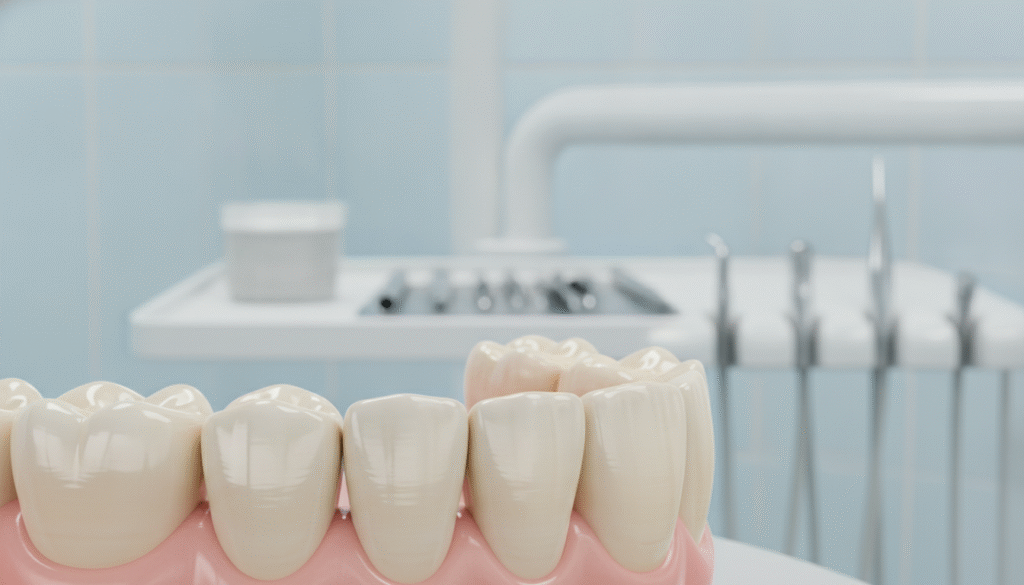
Dental bridges are key in fixing smiles and making them functional again. Knowing how they attach to teeth is important for their lasting success. The bond between a bridge and teeth is made through detailed steps and materials, ensuring it stays strong and stable.
Abutment teeth are the natural teeth that hold the bridge. Preparing these teeth is a critical step. It involves removing a thin layer of enamel and dentin. This makes room for the crowns that keep the bridge in place.
Some might worry about the impact on these teeth. But, this process is carefully done to improve the bridge’s fit and function.
The Abutment Teeth Explained
Abutment teeth are the base of the dental bridge. Their preparation is done with great care to support the bridge well. During this, a dentist shapes the teeth to fit the crowns. This includes:
- Removing a precise amount of enamel and dentin.
- Ensuring the teeth are healthy and free from decay.
- Creating a surface for the dental cement to stick to.
Experts say, “The success of a dental bridge depends on the health of the abutment teeth.” This shows how important it is to prepare them right before placing the bridge.
The Role of Dental Cement
After preparing the teeth, the next step is to attach the bridge with dental cement. This cement is not just a bond; it’s a sealant that creates a strong bond between the bridge and teeth. Dental cement is key for:
- Stopping bacteria from getting in.
- Keeping the bridge in place under daily chewing.
- Creating a smooth look between the bridge and teeth, improving appearance.
Dental cement is vital for the bridge’s long life. A well-cemented bridge reduces the chance of problems, keeping it secure over time.
| Aspect | Abutment Teeth Preparation | Dental Cement Role |
|---|---|---|
| Purpose | Support the bridge | Secure the bridge |
| Process | Enamel and dentin removal | Application of cement |
| Outcome | Stable foundation | Durable bond |
In summary, attaching a bridge to teeth requires careful tooth preparation and the use of quality dental cement. This ensures the bridge works well and is a reliable fix for missing teeth. For more on dental procedures, check this page.
Potential Risks of Dental Bridges
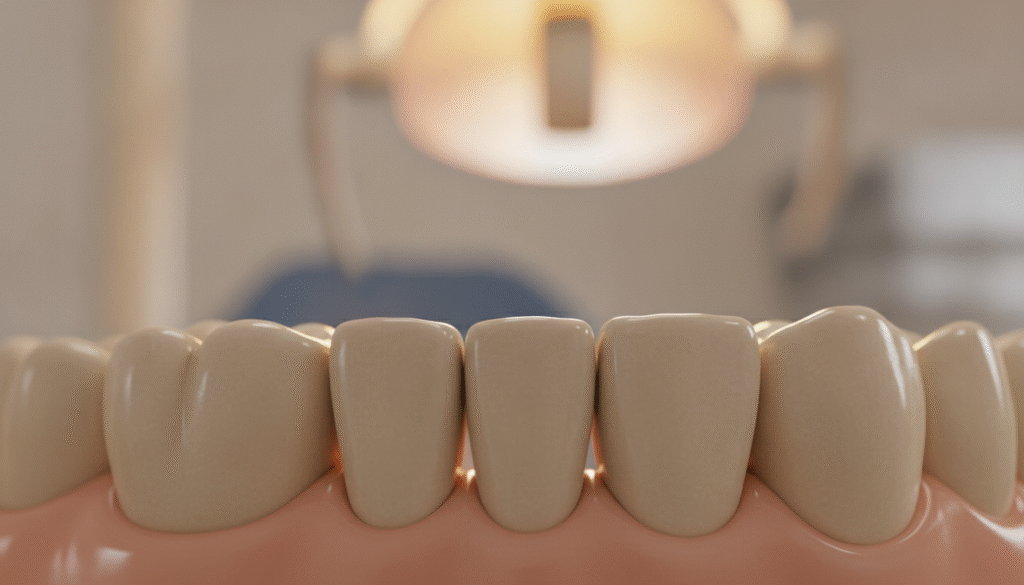
Dental bridges are a good fix for missing teeth, but they can also pose risks. It’s important to know these risks before getting a bridge. The main issue is the extra stress on the teeth holding the bridge, which can cause problems.
Damage to Adjacent Teeth
The biggest worry is how the bridge might affect the teeth next to it. Traditional bridges put extra pressure on these teeth. This can lead to:
- Stress fractures: The teeth might crack under the pressure.
- Nerve inflammation: Too much force can hurt the nerves in the teeth.
- Catastrophic failure: In extreme cases, the teeth could break completely.
Gum Recession Concerns
Another big risk is gum recession. If the bridge doesn’t fit right, it can cause gaps. These gaps can lead to:
- Infection: Bacteria can grow in these gaps, causing gum disease.
- Loss of gum tissue: The constant irritation can make the gums recede.
Impact on Bite Alignment
Lastly, a bad bridge can mess up your bite. This can cause:
- Temporomandibular joint (TMJ) dysfunction: This can lead to jaw pain and discomfort.
- Further damage to the stomatognathic system: An uneven bite can cause more problems in your mouth.
In summary, dental bridges are a good option for missing teeth, but there are risks. Regular dental visits and good oral care can help avoid these problems.
| Risk Factor | Description | Potential Consequences |
|---|---|---|
| Damage to Adjacent Teeth | Increased load on abutment teeth | Fractures, nerve damage |
| Gum Recession | Poor fit or hygiene | Infection, tissue loss |
| Bite Alignment Issues | Misalignment from bridge failure | TMJ dysfunction, systemic damage |
Factors Influencing Adjacent Tooth Health
It’s important to know what affects the health of teeth next to a dental bridge. Many things can help or harm these teeth over time.
Quality of the Underlying Tooth Structure
The strength of the tooth under the bridge matters a lot. Things like big fillings, cracks, or enamel quality can affect nearby teeth. A solid base is key for the bridge to work well.
Dentist’s Skill and Technique
The dentist’s skill is very important for a successful bridge. A good dentist can prepare the teeth carefully. This way, they keep the teeth strong and avoid harming the ones next to them.
Type of Bridge Material Used
The bridge’s material can also impact the health of nearby teeth. For example, some bridges may wear down faster than others. Knowing this helps pick the best material for lasting results.
The Impact of Oral Hygiene on Adjacent Teeth
Keeping your mouth clean is key when you have a dental bridge. Good care helps avoid gum disease and tooth decay. This section will cover daily care and why professional cleanings are important.
For those with dental bridges, daily cleaning is a must. The area where the bridge meets your teeth can catch plaque and bacteria. Without cleaning, this can cause big problems. So, using a mix of cleaning methods is best to clean well.
Importance of Daily Care
To clean around and under a dental bridge, you can use several tools:
- Floss Threaders: These help you get floss around the pontic to remove biofilm in hard spots.
- Interdental Brushes: These brushes clean the edges of the crown by removing plaque.
- Water Flossers: They help by flushing out debris and bacteria from around the bridge.
Professional Cleanings and Check-ups
While daily care is important, don’t forget about professional cleanings and check-ups. Hygienists can remove tough calculus that builds up. Dentists also check the bridge and teeth during these visits.
Combining home care with professional help is essential for keeping teeth healthy with a bridge. Being proactive with oral hygiene can make your bridge last longer and keep your mouth healthy.
| Hygiene Tool | Purpose | Effectiveness |
|---|---|---|
| Floss Threader | Clean beneath the pontic | High |
| Interdental Brush | Debride crown margins | Very High |
| Water Flosser | Reduce microbial load | Moderate |
Signs of Damage to Adjacent Teeth
It’s important to spot early signs of damage to teeth next to dental bridges. These signs can help prevent bigger problems later. Knowing what to look for can save your teeth.
Sensitivity in Nearby Teeth
Sensitivity in nearby teeth is a key warning sign. It might hurt when you eat or drink something cold or hot. If this pain doesn’t go away, it could mean a bigger issue with your tooth.
It’s vital to tell your dentist if you notice this pain. They can check if it’s just a minor problem or something more serious.
Visible Decay or Damage
Seeing decay or damage is another clear sign. This might look like white or dark spots where the bridge meets your tooth. Regular dental visits can catch these problems early.
If you see any changes like red gums or swelling, don’t wait. Get to the dentist right away.
Other signs to watch for include:
- Bridge movement or looseness
- Changes in bite alignment
- Persistent bad odor or taste
- Localized gingival erythema and suppuration
Knowing these signs helps both dentists and patients act fast. Early action can save your teeth and keep your mouth healthy.
| Sign | Description | Action Required |
|---|---|---|
| Sensitivity | Discomfort with temperature changes | Consult dentist for evaluation |
| Visible Decay | Chalky or darkened areas at margins | Schedule a dental examination |
| Gum Issues | Redness, swelling, or bleeding | Seek immediate dental care |
Strategies to Mitigate Risks of Damage
To keep dental bridges lasting longer and protect nearby teeth, it’s key to take proactive steps. Regular dental visits and proper cleaning are two important strategies. They help lower the chance of damage to teeth next to a bridge.
Regular Dental Visits
Going to the dentist often is vital for keeping bridges and teeth healthy. Dentists can:
- Check if the bridge and teeth around it are okay.
- Look for any signs that the cement seal is coming loose.
- See how the forces of biting might affect the bridge’s stability.
Addressing problems early can prevent damage to the teeth holding the bridge. This might mean fixing a loose bridge, saving both the bridge and the teeth.
Proper Cleaning Techniques
Good oral hygiene is more than just a habit; it’s a way to keep teeth healthy. Using the right cleaning methods can stop plaque and bacteria from building up. Patients should:
- Use a soft-bristled toothbrush to clean around the bridge gently.
- Use dental floss or interdental brushes to get rid of food bits between teeth.
- Rinse with antibacterial mouthwash to fight plaque.
By cleaning daily, patients can greatly reduce the risk of tooth decay. This helps both the bridge and the teeth it supports last longer.
| Strategy | Benefits | Frequency |
|---|---|---|
| Regular Dental Visits | Early detection of issues | Every 6 months |
| Proper Cleaning Techniques | Prevention of biofilm accumulation | Daily |
Alternative Solutions to Dental Bridges
Looking into other options for dental bridges can help keep your mouth healthy. Dental bridges are common for tooth loss, but partial dentures and dental implants have their own perks. They might be just what you need.
Partial dentures are removable and replace missing teeth. They don’t harm the teeth next to them, unlike bridges. But, they can put pressure on the teeth you have left and might trap plaque. Here’s what you should know about partial dentures:
- Non-invasive: They don’t hurt the teeth next to the missing ones.
- Adjustable: You can change them if needed later.
- Cost-effective: They’re cheaper than fixed options.
Dental implants are a big step forward in fixing teeth. They stand on their own and don’t need the teeth next to them for support. This means no harm to your teeth or jawbone. Here are some benefits of dental implants:
- Durability: With care, they can last forever.
- Bone preservation: They keep your jawbone strong.
- Natural appearance: They look and work like your own teeth.
In short, partial dentures and dental implants are great alternatives to bridges. They protect your teeth and keep your mouth healthy, following the rule of primum non nocere—first, do no harm. Talking to a dentist can help you choose the best option for you.
The Cost Implications of Dental Bridges
Understanding the cost of dental bridges is key for your oral health and wallet. Prices range from $1,500 to $5,000 for a traditional bridge without insurance. An implant-supported bridge can cost up to $15,000. It’s important to know these numbers when choosing your option.
The costs don’t stop after you pay for the bridge. The dental bridge risks to adjacent teeth can lead to more expenses. For example, if the bridge harms nearby teeth, you might need more treatments. This could include endodontic therapy or even tooth removal, adding to your bill.
Initial Costs Compared to Alternatives
When looking at dental bridges versus other options like partial dentures or implants, think beyond the first price. A traditional bridge might seem cheaper at first, but it could lead to more costs later. As a dental expert said,
“Investing in quality treatment now can save you from larger expenses later.”
Long-term Maintenance Expenses
Long-term care is a big part of the cost. You’ll need regular dental visits, good oral hygiene, and might need repairs or replacements. If you ignore these, you could face bigger problems and higher costs later.
In summary, while dental bridges might seem affordable upfront, the long-term costs can add up. Seeing dental bridges as an investment in your future health can help you make better financial choices.
Where to Find a Qualified Dentist for Bridges
Finding a skilled dentist for your dental bridge is key for your teeth’s health. The dentist’s knowledge greatly affects the success of the bridge and your teeth’s long-term health. Here are some important tips to help you choose the right dentist.
Tips for Choosing the Right Dentist
When looking for a dentist for your bridge, keep these points in mind:
- Inquire About Experience: Find out how many bridges the dentist has done and their success rates.
- Check for Advanced Technology: Look for dentists who use 3D CBCT scanners and intraoral scanners for precise planning.
- Evaluate Minimally Invasive Techniques: Choose a dentist who uses conservative methods to protect your teeth.
- Ask About Magnification Tools: Dentists using loupes or microscopes can work more precisely.
Importance of Patient Reviews
Patient reviews offer great insights into a dentist’s work. When reading reviews, look for:
- Attention to Detail: Comments on how the dentist met individual needs are important.
- Long-term Success: Reviews that talk about durable bridges show a dentist’s skill.
- Conservative Treatment Philosophy: Positive feedback on less invasive options is a good sign.
In summary, picking a qualified dentist is essential for your teeth’s health with a bridge. By following these tips and looking at patient reviews, you can make a smart choice for your dental health.
Frequently Asked Questions About Dental Bridges
Dental bridges raise many questions, like how they’re done and how long they last. Knowing these things can make the process clearer. It can also ease worries about how they might affect your teeth.
What to Expect During the Procedure?
Getting a dental bridge involves several steps:
- Initial Consultation: Your dentist will check your teeth and talk about what’s best for you.
- Preparation: The teeth that will hold the bridge are shaped to fit it.
- Impressions: Your dentist takes molds of your teeth to make a custom bridge.
- Temporary Bridge: You might get a temporary bridge while the real one is made.
- Cementation: The permanent bridge is then cemented in, making sure it fits well.
How Long Do Bridges Last?
Dental bridges can last from 5 to 15 years. Several things affect how long they last:
- Oral Hygiene: Keeping your teeth clean can help your bridge last longer.
- Material Quality: Better materials mean a longer-lasting bridge.
- Bite Forces: Grinding or clenching too hard can wear out a bridge faster.
Can a Bridge Be Replaced?
Yes, you can get a new bridge if needed. But, remember that the teeth used for the bridge can’t be changed back. Their health is key to getting a new one. Will a bridge damage the adjacent teeth? A well-made bridge shouldn’t harm your other teeth. But, problems with the bridge could cause issues.
| Aspect | Details |
|---|---|
| Procedure Duration | 1-2 hours for placement |
| Recovery Time | Usually a few days for adjustment |
| Expected Lifespan | 5-15 years depending on care |
| Replacement Complexity | Depends on abutment tooth health |
Personal Experiences with Dental Bridges
Looking into personal stories gives us a deeper look at life with dental bridges. People’s experiences can be very different. They show both the good and the hard parts of having a bridge.
Testimonials from Patients
Many patients say they’re happy with their dental bridges. For example, one person said,
“I’ve had my bridge for over ten years, and with proper care, it feels just like my natural teeth.”
Others also talk about the success of keeping their bridges clean.
But, not everyone has a positive story. Some face problems with keeping their teeth clean. A patient mentioned,
“At first, I struggled with the cleaning techniques, which led to some discomfort and issues with my adjacent teeth.”
This shows how important it is to get help from dentists to keep your bridge in good shape.
Evaluating Effectiveness
Looking at how well dental bridges work, we need to think about more than just how long they last. It’s also about how they make a person’s life better. Many say they can chew and speak better after getting a bridge. A patient said,
“I feel more confident smiling and eating out with friends after getting my bridge.”
These stories remind us that good care and cleaning are key. The impact of a bridge on your teeth is big. So, regular dentist visits and good cleaning habits are essential. By hearing these stories, people can make better choices for their teeth.
The Role of Technology in Bridge Placement
Advanced technology has changed how dental bridges are placed. New tools make procedures more precise and comfortable for patients. This shows the detailed care dentists take to protect your teeth.
Advances in Dental Technology
Modern dentistry uses many new tools for better bridge placement. Digital intraoral scanning is a big step forward. It replaces old, uncomfortable impressions with a quick, accurate scan.
This scan helps make dental bridges fit perfectly. It also cuts down on problems like microleakage, which can harm nearby teeth.
CAD/CAM technology is another big help. It makes dental restorations from ceramic blocks. This method ensures a great fit and uses strong, beautiful ceramic materials.
Impact on Patient Comfort
CBCT guided surgery is a big change for implant bridges. It lets dentists place implants with care, avoiding important structures. This way, they can protect the roots of nearby teeth.
These new methods also make the process easier for patients. They lead to less invasive procedures and shorter visits. This means patients feel less anxious and uncomfortable.
| Technology | Benefit | Impact on Adjacent Teeth |
|---|---|---|
| Digital Intraoral Scanning | Eliminates messy impressions | Reduces microleakage risk |
| CAD/CAM Technology | Precision milling of restorations | Improved fit and durability |
| CBCT Guided Surgery | Accurate implant placement | Preserves adjacent roots |
Reassessing Adjacent Tooth Health Over Time
It’s very important to check the health of teeth next to a dental bridge often. This check-up is not just a suggestion; it’s key to keeping your mouth healthy. By watching closely, we can spot problems early and keep your teeth strong and working well.
After getting a dental bridge, your dentist will do a few things. They will:
- Look for any problems with how the bridge fits.
- Check how deep the gums are to see if there’s any gum disease.
- Use X-rays to find any hidden cavities or problems in the roots of teeth.
Knowing when to act is vital to keep teeth healthy around a bridge. Signs that you might need to see a dentist include:
- Seeing a dark spot under the crown, which could mean tooth decay.
- Having gums that bleed when you press on them, which is a sign of gum disease.
- Seeing that the cement holding the bridge in place is wearing off, which can make the bridge unstable.
By always checking on your teeth, you can really help keep them healthy. This way, you not only avoid problems with teeth next to a bridge but also make sure your dental work lasts longer and works better.
Conclusion: Safeguarding Your Oral Health with Bridges
Knowing how dental bridges affect your teeth is key to good oral health. The question, “Will a bridge damage the adjacent teeth?” is complex. It depends on the tooth’s health and the dentist’s skill.
Dental bridges can greatly improve your smile and function. But, they also carry some risks. The teeth next to the bridge might face more stress and need careful care.
Many people have successful bridge experiences for years. They keep their teeth clean and see their dentist regularly. This helps avoid problems.
Talking to a skilled dentist is the first step. They can give advice based on your specific needs. Knowing the good and bad of bridges helps you make a smart choice. Taking care of your teeth is a long-term promise to yourself for a beautiful smile.