
Am I a Candidate for a Dental Implant? Find Out.
Did you know that nearly 70% of adults aged 35 to 44 have lost at least one permanent tooth? This is a big problem for many people. Luckily, dental implants can change lives for those who have lost teeth. But, who can really get this amazing treatment?
Finding out if you’re a good candidate for implants isn’t simple. It involves checking many things, like your health and how your body is set up. The American Academy of Implant Dentistry (AAID) says the best candidates usually have good health, strong teeth, understand the process, and keep their teeth clean.
In this article, we’ll dive into these important points. Most people with missing teeth might be good candidates for implants. But, it’s key to look at your health and if you’re ready for this big step. Knowing these basics can help you on your path to better dental health.
Key Takeaways
- About 70% of adults aged 35 to 44 have lost at least one tooth.
- Dental implants can be a transformative solution for tooth loss.
- Eligibility depends on several health and anatomical factors.
- Four key characteristics define the best candidates for implants.
- Understanding these criteria can guide your dental restoration journey.
Understanding Dental Implants
Dental implants are a modern fix for lost teeth, bringing back function and looks. This new method has changed how we fix teeth, helping people feel better about themselves. Knowing about dental implants is key for those thinking about them.
What is a Dental Implant?
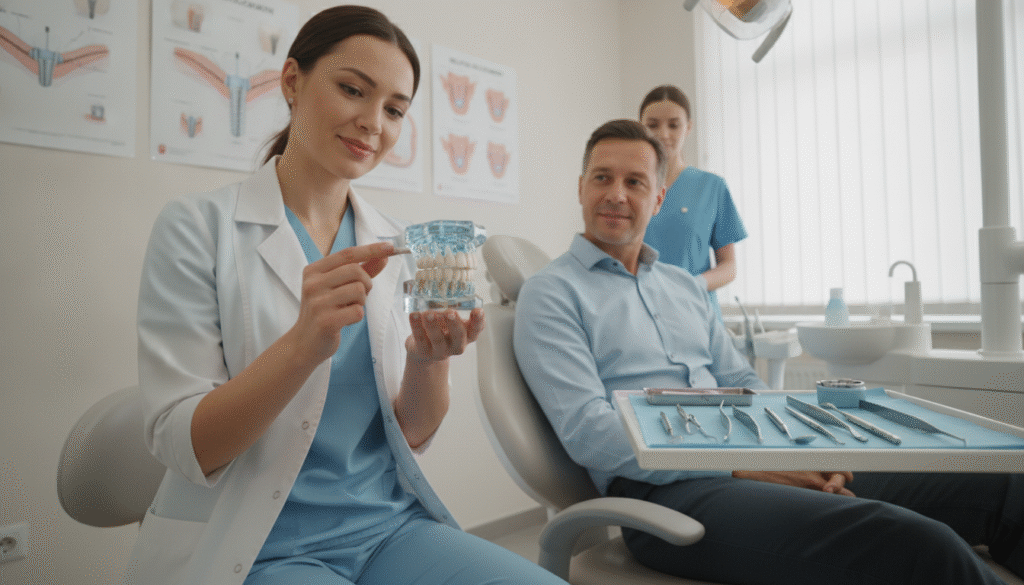
A dental implant is a special titanium post put into the jawbone. It works like a tooth root, holding a fake tooth, bridge, or denture in place. The key to its success is how it bonds with the bone.
Components of a Dental Implant
Dental implants have three main parts:
- Implant Fixture: The titanium post in the jawbone.
- Abutment Connector: A small piece that links the implant to the fake tooth.
- Prosthetic Crown, Bridge, or Denture: The part you see, looking like a real tooth.
Benefits of Dental Implants
Dental implants have many benefits over old ways of fixing teeth:
- Preservation of Alveolar Bone: They keep the jawbone strong, stopping it from shrinking.
- Restoration of Masticatory Function: They let you chew and bite like normal, opening up more food choices.
- Prevention of Adjacent Tooth Migration: They keep teeth around them in line.
Unlike dentures or bridges, implants are strong and last a long time with care. They’re a smart choice for a lasting fix for missing teeth.
Ideal Candidates for Dental Implants
Figuring out who can get dental implants involves looking at several factors. Age is not the main thing; it’s more about overall health and bone maturity. Knowing these points helps people see if they can get this life-changing dental treatment.
Age Considerations
Age doesn’t automatically mean you can’t get dental implants. It’s more about when your bones stopped growing. Usually, people need to be 18 or older because their bones have stopped growing by then. But, older adults can also get implants if they’re healthy.
The main thing is if you can heal well after the surgery.
Health Conditions That Affect Eligibility
Health issues can really affect if you can get dental implants. Certain diseases, like:
- Diabetes mellitus: If your diabetes is well-managed, you might be able to get implants.
- Cardiovascular conditions: If your heart is stable, it might not be a problem.
But, if your health is not controlled, it could make healing harder. For example, if you’ve had a heart attack or stroke, you might need to wait. Dr. Frank Caputo says implants work best when you’re healthy, or if you have mild diseases that are under control.
Oral Health Requirements
For dental implants to work, your mouth needs to be healthy. You must fix any dental problems before surgery. Important oral health needs include:
- Absence of periodontitis: You can’t have active gum disease.
- No untreated dental caries: You need to fix cavities to avoid problems.
Good oral health is key to avoiding problems like peri-implantitis. It also helps the implants integrate well with your bone, which is important for their success.
Assessing Your Oral Health
Before getting dental implants, it’s key to check your oral health well. This step is not just a formality. It’s vital for the implant’s success. We look at gum health, bone density, and dental X-rays.
Importance of Good Gum Health
Healthy gums are key for dental implants to work. If your gums are sick, it can cause problems. Good gum health means the implant can stay in place better. Dr. Caputo says,
“With dental implants, we have to make sure the rest of the mouth is in good health. We always have to address any immediate concerns to get the patient to optimal health of the mouth prior to moving forward with the implant.”
Evaluating Bone Density
Bone density is also very important. The bone needs to be strong enough to hold the implant. If it’s not, the implant might not work. Doctors use special scans to check the bone’s strength.
Role of Dental X-rays
Dental X-rays, like CBCT, are very helpful. They give a 3D view of the jaw and teeth. This helps doctors:
- Find important parts like nerves and sinuses.
- See how strong the bone is and where to place the implant.
- Plan the implant placement carefully for the best results.
In short, a detailed dental implant check is essential. Good gum health, bone check, and X-rays help patients get the best results from their implants.
Pre-implant Evaluation Process
Understanding the pre-implant evaluation process is key for those thinking about dental implants. This process checks if you’re a good fit for the procedure. Each step is important to make sure the implants will work well for you.
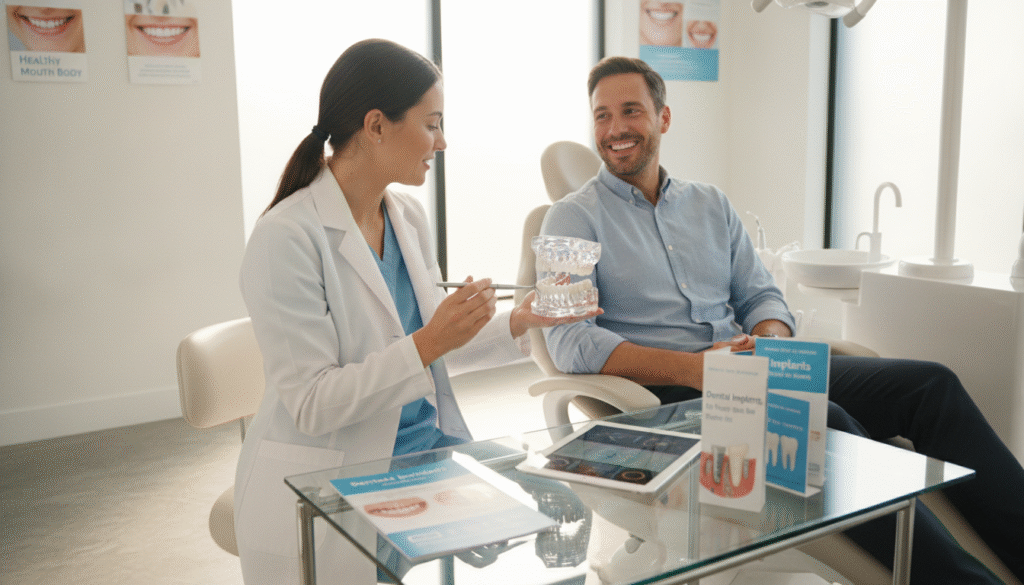
The first step is the initial consultation with a dentist. Here, the dentist looks at your health history and what you want from the implants. They also check your teeth, gums, and how your teeth fit together. This helps find any problems that might stop you from getting implants.
Initial Consultation with a Dentist
In this meeting, you’ll talk a lot about your mouth health. The dentist will ask about your health and any medicines you take. This is key to see if you can get dental implants. Knowing your health helps the dentist make a plan just for you.
Diagnostic Tests and Imaging
After talking with the dentist, you’ll need some tests to learn more about your mouth. A 3D CT scan is a big part of this. It shows the dentist how strong your jawbone is. This helps plan your treatment.
Treatment Planning
The last step is treatment planning. The dentist and a surgeon work together to make a plan just for you. They decide how many implants you need and if you’ll need extra steps like bone grafting. The goal is to make sure you’re happy with how your implants look and work.
In short, the pre-implant evaluation is a big step towards getting dental implants. It includes a detailed check-up, tests, and a plan made just for you. For more on dental care, visit this link.
Common Reasons for Dental Implants
Dental implants are key in modern dentistry. They help solve many dental health problems. We’ll look at why people choose dental implants, focusing on their benefits for oral health and looks.
Missing Teeth
Missing teeth is a big reason for dental implants. This can happen for several reasons:
- Congenital absence of teeth
- Dental caries leading to tooth loss
- Periodontal disease causing severe gum damage
Dental implants are a better choice than old bridges or dentures. They replace the whole tooth, including the root and crown. This ensures they support and stabilize your teeth well.
Failed Root Canals
Failed root canals are another reason for dental implants. Sometimes, root fractures or persistent problems can lead to tooth loss. Experts say dental implants are a top choice for fixing failed root canals. They bring back function and beauty.
“Dental implants can be the most effective solution when root canals fail, restoring both function and aesthetics.”
Injury or Trauma
Oral injuries or trauma can also lead to the need for dental implants. Issues like:
- Dentoalveolar trauma resulting in tooth avulsion
- Irreparable crown-root fractures
These situations often need a detailed dental implant check-up. This helps figure out the best plan for each patient. No matter the reason for tooth loss, a careful check is key to see if implants will work.
Risks and Complications
It’s important to know the risks and complications of dental implants before making a decision. Dental implants are a common and effective way to replace missing teeth. But, they come with their own set of challenges. This section will cover the main risks, helping you make an informed choice.
Infection Concerns
Infection after surgery is a big concern. It can happen due to poor hygiene, health issues, or not following post-op care. Infections at the implant site can lead to gum inflammation and bone damage. To avoid this, it’s key to follow your dentist’s instructions carefully.
Neural or Sinus Injury
There’s also a risk of nerve damage, like numbness in the lip or chin. This can happen during the surgery. Also, there’s a chance of damaging the sinus membrane during maxillary implants. But, new imaging tech and surgical guides help lower these risks.
Implant Failure
Implant failure can happen early or late. Early failure is when the implant doesn’t bond with the bone as it should. Late failure might be due to gum disease or too much stress on the implant. Knowing these risks helps you decide if implants are right for you.
Dr. Caputo stresses the need for clear information about these risks.
“I want my patient to have a truly good understanding of what’s going on, what are the alternatives, what are the risks, the benefits,”
he says. This approach ensures patients are well-informed about the pros and cons before deciding.
| Risk Category | Description | Mitigation Strategies |
|---|---|---|
| Infection | Post-surgical infections at the implant site | Follow post-operative care instructions, maintain oral hygiene |
| Neural Injury | Damage to nerves causing numbness or tingling | Utilize 3D imaging and surgical guides |
| Implant Failure | Failure of osseointegration or peri-implantitis | Regular follow-ups and proper oral care |
Financial Considerations
It’s important to know the costs of dental implants before getting them. The price can affect your decision. This part will explain the costs, including surgery, prosthetics, and prep work.
Cost of Dental Implants
The price of dental implants depends on a few things. These include:
- The complexity of the case
- The number of implants needed
- Any prep work, like extractions or bone grafting
During your consultation, you’ll get a detailed plan. You’ll also get cost and time estimates. There’s no pressure.
Insurance Coverage for Implants
Insurance for dental implants is changing. But, many plans see them as cosmetic or elective. This means limited benefits or special rules, like a missing tooth clause. Check your plan to see what’s covered.
Financing Options Available
If cost is a worry, there are financing options:
- Third-party healthcare credit companies
- In-house payment plans from dental offices
- Health Savings Accounts (HSAs)
These can make implants more affordable. Talk to your dentist about these options. You can find a plan that works for you.
| Cost Component | Estimated Cost Range | Insurance Coverage |
|---|---|---|
| Surgical Phase | $1,000 – $3,000 | Limited |
| Prosthetic Components | $500 – $3,000 | Varies |
| Preparatory Procedures | $300 – $2,000 | Often Not Covered |
Alternative Tooth Replacement Options
Looking into different tooth replacement options can help patients see beyond dental implants. Dental implants are top-notch for missing teeth, but other choices might fit better for some. This part talks about bridges, dentures, and partial dentures. Each has its own good points and downsides to think about when deciding on dental implants.
Bridges
Fixed dental bridges are a good alternative to implants. They use healthy teeth next to the gap to hold the bridge. Bridges can make your smile look better and help you chew, but they don’t stop bone loss. This can change how your face looks over time.
Think about how bridges look and work compared to changing healthy teeth.
Dentures
Complete removable dentures replace all teeth in a jaw. They help with chewing and speaking but might not feel as stable or comfy. You might find it harder to chew and speak clearly, and taste things less well. Dentures can also make your jawbone shrink, needing more adjustments later.
Partial Dentures
Partial dentures are for those missing some teeth but keeping others. They can make your smile better and help you chew, but they’re not as stable as implants. People with partial dentures should watch out for losing more teeth and how it affects their mouth health.
| Tooth Replacement Option | Advantages | Disadvantages |
|---|---|---|
| Bridges | Improved aesthetics, functional restoration | Does not prevent bone loss, alters healthy teeth |
| Dentures | Restores full arch of teeth, non-invasive | Potential for instability, decreased chewing efficiency |
| Partial Dentures | Preserves remaining teeth, enhances function | May lead to further tooth loss, less stability |
In conclusion, dental implants are often the best choice, but knowing about other options is key. Each has its own good and bad sides. When considering dental implants, talking to your dentist about these options can help find the best fit for you.
The Procedure for Dental Implants
Understanding the dental implant process can seem scary at first. But knowing what to expect can make you feel better. This process is made up of several steps, each one important for a good result. Knowing about each step helps you get ready both mentally and practically.
First Stage: Implant Placement
The first step is putting the titanium implant into your jawbone. This is done under local anesthesia or sedation to make you comfortable. The dentist makes a hole in your jaw for the implant. This is a key step for healing.
Healing and Osseointegration
After the implant is in, your body starts to heal. This healing, called osseointegration, takes 3 to 6 months. During this time, your bone grows around the implant, making it strong. It’s important to see your dentist regularly to check on your healing.
Second Stage: Abutment and Crown
When healing is done, the next step starts. The dentist will attach a connector called an abutment to the implant. Then, after a short wait, a crown or bridge is put on. For full-arch cases, 6 to 8 implants might be needed for support.
| Stage | Description | Duration |
|---|---|---|
| Implant Placement | Surgical insertion of the titanium implant into the jawbone. | 1 day |
| Healing and Osseointegration | Bone integration with the implant for stability. | 3 to 6 months |
| Abutment and Crown | Attachment of the abutment and placement of the crown. | 1 to 2 weeks |
In summary, knowing about dental implants is key. Each step, from the start to the end, is important for success. Being informed helps you feel more at ease and confident during this journey.
Aftercare and Maintenance
To keep dental implants working well, you need to take good care of them. This means keeping up with home care and regular dental visits. We’ll talk about how to keep your implants in top shape and why seeing your dentist often is key.
Oral Hygiene Practices
Good oral hygiene is key for your implants to last. Here are some tips:
- Use a soft-bristle toothbrush to avoid damaging the gum tissue.
- Incorporate interdental brushes to clean between teeth and around implants.
- Utilize water flossers to effectively remove debris without causing trauma.
- Employ specialized floss designed for cleaning around the abutment and beneath the prosthesis.
Regular Dental Check-ups
Seeing your dentist regularly is important for your implants. Dr. Goldberg says people with healthy implants should go every six months. But, if you’ve had big dental work, you might need to go more often, every three to four months.
Handling Possible Complications
Staying on top of your dental health helps catch problems early. Some common issues include:
- Mucositis: Inflammation of the soft tissue around the implant.
- Peri-implantitis: Inflammation that can lead to bone loss around the implant.
If you see any signs of trouble, get help right away. Your dentist will do things like:
- Comprehensive peri-implant probing.
- Radiographic evaluation of crestal bone levels.
- Scaling with non-metallic instruments to prevent damage.
In short, taking care of your implants is a team effort. By following these steps, you can enjoy your implants for many years.
| Maintenance Activity | Frequency | Purpose |
|---|---|---|
| Home Care Routine | Daily | Prevent plaque buildup and maintain gum health |
| Dental Check-ups | Every 6 months | Monitor implant health and detect issues early |
| Professional Cleaning | Every 3-4 months (if applicable) | Thorough cleaning and assessment of implant sites |
Emotional Considerations
The path to dental implants is not just about physical healing. It also involves emotional adjustments. It’s key to know if you’re emotionally ready for dental implants. Losing teeth can deeply affect how you see yourself and how you interact with others.
Getting a complete smile can boost your self-confidence a lot. People often say they feel more attractive and want to be more social after getting implants. This change can make you see yourself and your place in the world in a new light.
Improving Your Self-esteem
Dental implants can really help your self-esteem. Many feel embarrassed or insecure without teeth. But implants can bring back a sense of normalcy and function.
- Boosted Confidence: A full smile can make you more confident in social situations.
- Enhanced Quality of Life: Feeling better about yourself can make life more fulfilling.
- Social Engagement: You’ll feel more at ease in social activities.
Adjustment Period After Surgery
After getting implants, you might need some time to adjust. You might feel some discomfort, swelling, and need to change your diet. Remember, these feelings are normal and will pass.
It’s important to get used to your new mouth. This adjustment is part of healing. It lets you get used to your implants slowly.
Support from Family and Friends
Having a strong support system is key. Family and friends can offer a lot of help and encouragement during recovery.
- Emotional Support: Talking to loved ones can help you feel less anxious and more positive.
- Practical Help: Getting help with daily tasks can make recovery easier.
- Encouragement: Positive words from those close to you can keep you motivated and strong.
In summary, the emotional side of dental implants is very important. Understanding the emotional readiness, the adjustment period, and the support from loved ones can help you feel more confident and successful on your journey.
Questions to Ask Your Dentist
Getting the right answers from your dentist is key for a smooth dental implant journey. This guide helps you ask important questions. Knowing about risks, long-term care, and the procedure timeline will help you make a better choice.
Discussing Risks and Benefits
Talk to your dentist about the risks of dental implants. Find out about common problems and how they’ll be handled. Also, ask about the good things you can expect. This will help you understand the whole picture.
Long-term Maintenance Expectations
It’s important to know how to take care of your implants long-term. Ask about the daily care you need, how often to see your dentist, and how long the implants will last. This info will help you keep your implants in good shape for a long time.
Understanding the Timeline
Find out how long your dental implant process will take. Knowing each step, from surgery to the final fix, is important. Also, ask about things that might slow down healing. This will help you plan better.
Remember Dr. Goldberg’s advice: “We always start with the end (goal) in mind.” This makes your conversation with your dentist focused and effective, setting you up for success.
How Lifestyle Affects Eligibility
Our daily habits can greatly impact our suitability for dental implants. Lifestyle choices play a big role in both getting implants and how well they work. It’s key to understand these factors if you’re thinking about dental implants.
Smoking and Oral Health
Smoking harms our oral health, and dental implants are no exception. Nicotine reduces blood flow, which is needed for healing. This can cause problems like peri-implantitis, raising the chance of implant failure.
Smoking also introduces harmful chemicals and heat into our mouths. This makes healing harder. It’s important for smokers to quit before getting implants.
Diet Considerations
What we eat is also important for implant eligibility. Eating foods that are full of nutrients helps with healing. Soft foods make it easier to recover. Eating less sugar helps keep the area around the implant healthy.
Eating foods high in vitamins and minerals helps our body heal. It also supports the implant’s integration into the jawbone.
Dental Hygiene Habits
Good dental hygiene is a must for dental implants. Keeping our mouths clean prevents infections and supports overall health. This should be seen as a long-term commitment, not just a temporary task.
Brushing, flossing, and regular dental visits are key. By doing these, patients can move from being borderline candidates to being perfect for dental implants.
Finding the Right Dental Professional
Choosing the right implant dentist is key to a successful dental restoration. Your dentist’s skill greatly affects your implant journey. With many options, finding a qualified specialist is essential.
Researching and Choosing a Specialist
When looking for an implant dentist, consider these factors:
- Credentials: Check for board certification and fellowships in organizations like the American Academy of Implant Dentistry (AAID).
- Experience: Make sure the dentist has a lot of hands-on experience with implants.
- Continuing Education: Confirm the dentist keeps up with the latest in implantology through ongoing education.
Importance of Reviews and Referrals
Patient reviews and referrals offer insights into a dentist’s skill and care. Look for:
- The surgeon’s skill level and surgical outcomes.
- Patients’ experiences with post-operative care and follow-up.
- General satisfaction with the treatment process.
Monarch Family Dental notes, “Determining if dental implants are right for you needs skilled diagnostics, surgical expertise, and experience.” This highlights the importance of thorough research in choosing your dentist.
Questions to Ask During a Consultation
Ask these questions during your consultation to make an informed choice:
- What is your volume of implant cases, and how many years have you been placing implants?
- Do you use 3D imaging and guided surgery in your procedures?
- What protocols do you have for managing complications?
- Can you share your experience with cases similar to mine?
| Criteria | Importance | What to Look For |
|---|---|---|
| Credentials | High | Board certification, fellowships |
| Experience | High | Years of practice, case volume |
| Patient Reviews | Medium | Positive testimonials, satisfaction rates |
Finding the right dental professional greatly affects your dental implant experience. Spend time researching, asking questions, and seeking referrals for the best care.
Conclusion: Are You a Candidate?
Figuring out if you’re a good fit for dental implants is complex. It’s not just about one thing. Your health, how your mouth is doing, and your lifestyle all play a part. Every person is different, so it’s key to understand your own situation well.
When thinking about getting implants, keep your overall health in mind. Make sure your jaw has enough bone. And don’t forget about your gums. These are all important for a successful implant.
If you’re thinking about implants, the next step is to see a dentist who specializes in them. They’ll check your teeth, gums, and jawbone. Their expert opinion will help you know if implants are right for you.
Getting advice from a dental expert is very important. They can give you advice that fits your needs perfectly. This first step is on your way to a smile that’s strong and confident.
