
Are Dental Implants the Most Durable Option for Replacing Teeth?
Did you know that nearly 69% of adults aged 35 to 44 have lost at least one permanent tooth? This shows how important it is to find good ways to replace teeth. Many wonder which method lasts the longest and works best.
Dental implants are known for their strength and long life. They work like real teeth, unlike bridges and dentures. These implants are made to fit into the jawbone, making them very stable and strong.
This article looks at the science behind how long dental implants last. We compare them to other ways to replace teeth. We also talk about the materials and how the body reacts to them. This helps us understand why implants are often seen as the top choice for fixing teeth for a long time.
Key Takeaways
- Dental implants are significantly stronger than traditional bridges and dentures.
- They are designed to mimic natural teeth, providing a permanent solution.
- Scientific evidence supports their longevity compared to other methods.
- Integration with the jawbone enhances their stability and performance.
- Understanding materials and biology is key to evaluating their durability.
Understanding Dental Implants
To understand dental implants, we need to know what they are. They are not just simple tooth replacements. They are advanced devices that look and work like natural teeth. Knowing how they are made helps us see why they last so long and work so well.
What Are Dental Implants?
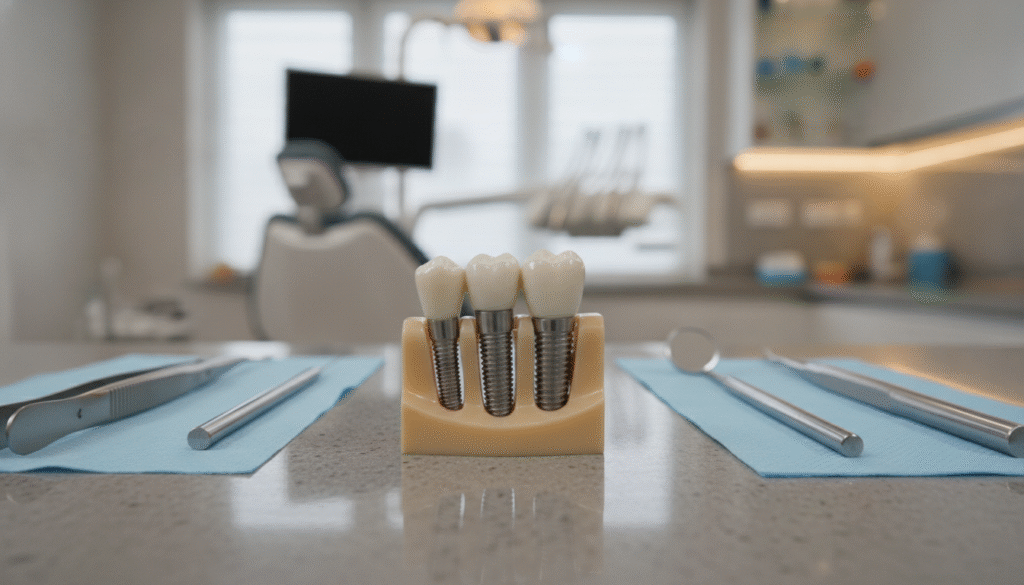
Dental implants are a permanent fix for missing teeth. They have a titanium post that is put into the jawbone. This acts as a root for the new tooth. It makes the implant feel and work like a real tooth.
Components of Dental Implants
Dental implants have parts similar to natural teeth. They have a crown, a neck, and a root. Dental implants also have three main parts:
- Crown: The part you see, made from materials like ceramics or porcelain.
- Abutment: This connects the crown to the implant post, keeping it stable.
- Screw (Implant Post): Made from titanium, this is put into the jawbone during surgery.
How Dental Implants Work
Dental implants work through a process called osseointegration. The implant post fuses with the bone, making a strong bond. This bond lets the implant act like a natural tooth, improving looks and function.
Dental implants are a lasting fix for those wanting to smile again. By knowing how they are made and work, patients can make better choices for their teeth.
Benefits of Dental Implants
Dental implants do more than just replace teeth. They greatly improve life for those who have lost teeth. Knowing the benefits can help people make better choices for their teeth.
Improved Functionality
Advantages of dental implants include better chewing and speaking. Unlike dentures, implants stay in place. This makes eating and talking easier and more natural.
Enhanced Aesthetics
Modern implants look just like real teeth. They are made of ceramic that blends in perfectly. This natural look boosts confidence and self-esteem.
Long-Lasting Solution
Dental implants last a long time with the right care. They can last for decades or even a lifetime. They don’t decay or cause problems with bacteria. Plus, they help keep the jawbone strong.
Comparing Dental Implants to Other Options
When looking at tooth replacement options, it’s key to know the differences. Dental implants and other choices have their own pros and cons. These include how long they last, how stable they are, and how well they work.
Dental Bridges vs. Implants
Dental bridges are a common pick for missing teeth. But, they change healthy teeth nearby, which can cause more problems. Here are some main points to compare:
- Permanence: Implants stay put, while bridges need teeth around them for support.
- Durability: Implants can last 20 years or more. Bridges usually need to be replaced every 10 to 15 years.
- Bone Health: Implants help bones grow, unlike bridges.
Dentures vs. Implants
Dentures are a less invasive, cheaper way to replace teeth. But, they can be unstable and might move without adhesive. Here’s how they stack up:
- Permanence: Implants are fixed in the jawbone, while dentures can be taken out.
- Durability: Implants can last a lifetime with care. Dentures usually last 5 to 10 years.
- Stability: Implants fit securely, unlike dentures which can slip.
Cost Comparison of Tooth Replacement Options
Dental implants might cost more upfront. But, they last longer and need less repair, making them the best tooth replacement option for value. Here’s a quick look at costs:
| Tooth Replacement Option | Average Cost | Expected Lifespan |
|---|---|---|
| Dental Implants | $3,000 – $4,500 | 20+ years |
| Dental Bridges | $2,000 – $3,000 | 10 – 15 years |
| Dentures | $1,000 – $3,000 | 5 – 10 years |
In summary, dental implants are top for their lasting quality and health benefits. They keep bones healthy and offer stability, making them a better choice for many.
Longevity of Dental Implants
Dental implants are a top choice for those looking for lasting solutions. They can last over 20 years. Studies show they are reliable, with a survival rate above 95% at ten years.
But, their long life depends on several factors. The material used for the implant is key. Titanium is the best because it’s strong and good for bone growth. Zirconia is a metal-free option, but it’s different.
Other things that can affect how long they last include:
- Occlusal forces exerted during chewing
- Parafunctional habits such as bruxism
- Systemic conditions like diabetes
Keeping them clean and visiting the dentist regularly is important. Brushing gently and flossing daily helps. Dental checkups help catch problems early, like peri-implantitis, which can harm the implant.
With good care, titanium implants can last 25 years or more. It takes about 18 months for the bone to get strong enough for tough foods. So, following care tips makes implants a long-lasting teeth replacement choice.
Impact of Bone Health on Implants
The strength of dental implants depends on the bone they sit on. For implants to work well, the jawbone needs to be strong. This strength is key for the implant to stay in place and for the bone to grow around it.
When a tooth is lost, the bone around it can shrink. This makes it harder to place an implant. So, keeping the bone healthy is very important for a successful implant.
Importance of Jawbone Density
Jawbone density is very important for dental implants. Without enough bone, the implant may not stay stable. Here are some key points about jawbone density:
- Primary Stability: Good bone structure is needed for the implant to be stable at first.
- Osseointegration: A strong bond between the implant and bone is key for long-term success.
- Healing Time: If bone density is low, implants may need more time to heal.
How Bone Grafting Enhances Implant Durability
If the jawbone is not thick enough, bone grafting can help. This process adds bone to the existing structure. It can come from the patient, a donor, or synthetic materials. The benefits of bone grafting are:
- Regeneration: It builds a strong base for the implant.
- Expanded Candidacy: More people can get implants with grafting.
- Long-Term Durability: It makes the implant last longer by embedding it in living bone.
Bone grafting can turn challenging cases into successful ones. It creates a solid base for implants, allowing patients to enjoy them for many years.
Risks Associated with Dental Implants
Knowing the risks of dental implants helps patients make better choices. These implants work well most of the time but can have problems. It’s important for both patients and dentists to know about these risks.
Some issues can happen during or after getting implants. Early problems include:
- Infection: Infection at the surgical site can occur, necessitating prompt treatment.
- Nerve Injury: Damage to nearby nerves can lead to numbness or pain.
- Failure of Osseointegration: This is when the implant does not properly bond with the jawbone.
Later issues often come from peri-implantitis, a harmful inflammatory process caused by bacteria. It can cause bone loss around the implant. Also, too much stress on the implant can lead to screw fractures or other problems.
Several things can affect how well dental implants work:
- Systemic Health Conditions: Uncontrolled diabetes, osteoporosis, and smoking can hinder healing.
- Quality of Materials: Poor-quality materials or poorly fitted parts can cause inflammation, infection, or implant breakage.
- Oral Hygiene: Keeping your mouth very clean is key to avoiding peri-implantitis.
As the saying goes,
“An ounce of prevention is worth a pound of cure.”
By knowing these risks, patients can take steps to avoid them. This helps ensure their dental implants last a long time.
Patient Case Studies
Real-world experiences show how dental implants work well. These stories prove implants are effective and last long. They also compare implants to other tooth replacement options, showing implants’ long-term benefits.
Success Stories with Dental Implants
A 55-year-old patient got a titanium implant in their lower jaw. Thirty years later, it was working great. But, a bridge in the same area needed to be replaced after 12 years because of decay.
This shows implants are reliable and last longer. Another patient got an implant-supported denture for their upper jaw. Over 15 years, it worked well and prevented bone loss. This was better than dentures, which needed many changes.
Comparative Cases: Implants vs. Other Solutions
Comparing implants to other options shows implants are the best. They last longer, save bone, and make patients happier. An expert said,
“Dental implants represent the most durable tooth replacement strategy available today.”
These stories prove implants are not just good for looks and function. They also make life better for those who need tooth replacements.
The Implant Procedure Explained
Understanding the dental implant process can make patients feel more at ease. It starts long before surgery. The journey begins with the initial consultation, where a detailed check is done to ensure success.
Initial Consultation Process
In this important step, dentists use advanced methods to check the patient’s mouth health. They:
- Review the patient’s medical history
- Examine the mouth physically
- Use CBCT scans to look at bone and anatomy
These scans help see nerves and sinuses, key for planning the implant. Digital tools also help plan the implant’s position for the best look and function.
Step-by-Step Overview of the Procedure
The surgery is carefully planned and done. Here are the main steps:
- Osteotomy Preparation: The dentist gets the jawbone ready for the implant.
- Implant Placement: A titanium or zirconia post is put into the bone.
- Healing Abutment Placement: A healing abutment is placed for healing.
- Submerged Healing Period: A healing time of 3–6 months lets the bone and implant bond.
- Final Restoration: After bonding, an impression is taken for a custom crown, which is then attached.
This detailed process, with the help of advanced imaging and templates, reduces trauma. It also sets the stage for a long-lasting implant.
| Step | Description | Duration |
|---|---|---|
| Initial Consultation | Assessment and planning using imaging techniques | 1-2 hours |
| Surgery | Implant placement and abutment insertion | 1-2 hours |
| Healing Period | Osseointegration process | 3-6 months |
| Final Restoration | Placement of crown and final adjustments | 1-2 hours |
Innovations in Implant Technology
The field of dental implants is changing fast, thanks to new technologies. These changes make implants last longer, work better, and look nicer.
Titanium alloys are a big step forward. They mix titanium with metals like aluminum or vanadium. This mix makes implants stronger and more durable. It’s a great choice for replacing teeth.
Zirconia implants are another exciting option. They’re made from a strong, white ceramic. This is good for those who don’t want metal implants. Early results show they work well.
The future of dental implants looks bright. We’re moving toward implants that help bones grow. This could make implants last even longer. We’re also exploring 3D-printed implants and implants with special growth factors.
These new technologies will make dental implants even better. They aim to not just replace teeth but to make them live again.
Aftercare for Dental Implants
Keeping dental implants in good shape depends on aftercare. It’s key to keep them clean and healthy for a long time. This part will cover how to clean them daily and why dental checkups are important.
Daily Cleaning Tips
Keeping dental implants clean is a must. Good home care can prevent problems. Here are some tips for daily cleaning:
- Use a soft-bristle toothbrush or an electric toothbrush to gently clean around the crown and abutment.
- Incorporate interdental brushes or water flossers to remove plaque from the peri-implant sulcus.
- Consider using specialized implant floss designed for cleaning around implants.
- Utilize antimicrobial mouth rinses to reduce bacterial load without harming the titanium surface.
It’s also wise to avoid hard, crunchy foods or eat them in small amounts. This helps prevent damage to the implants.
Regular Dental Checkups
Regular dental visits are key for implant success. Patients should see their dentist at least twice a year. At these visits, the dentist will:
- Gently probe around the implant to assess for inflammation.
- Monitor crestal bone levels through periodic radiographs.
- Evaluate the overall health of the surrounding gums and tissues.
By following a good care routine, patients can enjoy their implants for many years.
| Aftercare Aspect | Recommended Action | Frequency |
|---|---|---|
| Daily Cleaning | Brush and floss | Twice daily |
| Checkups | Dental visit | Every 6 months |
| Diet | Avoid hard foods | Ongoing |
Myths and Misconceptions About Implants
There are many myths about dental implants that need to be cleared up. These myths make people hesitant, even though implants are very effective. This section aims to debunk these myths and give accurate info to help those considering implants.
Debunking Common Myths
One big myth is that getting dental implants is very painful. But, thanks to new ways of numbing and sedating, most people find it not much worse than getting a tooth pulled. They might feel some soreness after, but it’s not usually very bad.
Another myth is that implants are only for young people. But, implants can work for anyone with good bone health. Even older people can get them, as long as their bones are strong enough.
Some think implants need special care, like natural teeth. But, the truth is, implants are cared for just like regular teeth. You just need to brush, floss, and see your dentist regularly.
Lastly, many think implants will set off metal detectors at airports. But, implants are made of titanium, which is safe and won’t trigger alarms.
Understanding Pain and Recovery
People often worry about how they’ll feel after getting implants. Usually, you might feel a bit swollen and need to eat soft foods for a few days. Knowing this can help you feel more prepared.
As mentioned, titanium implants are safe and won’t react with your body. This makes them a reliable choice for replacing teeth. It’s good to know this when thinking about getting implants.
By clearing up these myths, we can help people understand dental implants better. It’s important for patients to have the right info. This way, they can make smart choices about their teeth.
| Myth | Reality |
|---|---|
| Implant surgery is very painful | Most patients report discomfort similar to a tooth extraction. |
| Only young people can get implants | Age is not a contraindication if bone health is adequate. |
| Implants require special care | Care is similar to that of natural teeth. |
| Titanium sets off metal detectors | Titanium is non-magnetic and does not trigger alarms. |
Insurance and Dental Implants
Understanding dental implant costs can be tricky. Knowing how insurance covers these procedures is key. Different insurance plans can make things confusing, mainly about dental implant coverage.
Many insurance plans see dental implants as cosmetic, so they don’t cover them well. But, some might if the implant is medically needed. This could be to stop bone loss or support a needed prosthesis. It’s smart to get a pre-treatment estimate from your insurer to avoid surprises.
Coverage Options for Implant Procedures
When looking into insurance for dental implants, keep these points in mind:
- Check Your Policy: Look at your dental insurance to see what’s covered.
- Medical Necessity: If implants are for health reasons, you might get more coverage.
- Pre-Treatment Estimates: Always ask for a detailed estimate before starting treatment.
Financing Dental Implant Treatments
If insurance doesn’t cover enough, there are ways to make implants more affordable:
- CareCredit: A healthcare credit card with flexible payment plans.
- In-House Payment Plans: Many dental offices offer payment plans that fit your budget.
- Health Savings Accounts (HSAs): Use pre-tax dollars for medical expenses, including dental implants.
Dental implants might seem expensive at first. But, they can last a long time, making them a cost-effective choice. Talking about costs with your dentist and insurance can help you make a better choice and be happier in the long run.
Choosing the Right Dentist
Finding the right dentist for dental implants is key to their success. You need a specialist with the right skills and experience. This choice affects how long your implants last and how happy you’ll be with them.
When looking for a dental implant specialist, consider these factors:
What to Look for in a Dental Implant Specialist
- Advanced Training: Find a dentist with special training in implantology. Look for ABOI or ICOI credentials to show they’re dedicated to their work.
- Experience with Complex Cases: It’s important to find a dentist who has handled tough cases. This includes bone grafting and full-arch rehabilitation.
- Modern Diagnostic Tools: Make sure the dentist uses the latest tools like CBCT imaging. They should also offer guided surgery for accurate placement.
- Patient Testimonials: Check out what other patients say. Look at before-and-after photos to see the dentist’s work.
Importance of Credentials and Experience
The success of dental implants depends on the dentist’s skill as much as the materials. A seasoned implant dentist is essential for a lasting result. Choosing a specialist with a strong track record increases your chances of a successful procedure.
| Criteria | Importance | What to Look For |
|---|---|---|
| Advanced Training | High | ABOI or ICOI Credentials |
| Experience | High | Complex Case Handling |
| Diagnostic Tools | Medium | CBCT Imaging |
| Patient Feedback | Medium | Testimonials and Galleries |
Choosing a skilled dental implant specialist is a big decision. It will greatly affect the success and longevity of your implants. With the right dentist, you can enjoy a beautiful and functional smile for many years.
Conclusion on Durability of Dental Implants
Dental implants are the top choice for replacing teeth because they last a long time. They work like natural teeth, making them a lasting fix. Unlike dentures or bridges, implants help keep your jawbone strong and your face shape intact.
Studies show that dental implants fit well with the jawbone. This fit helps them handle daily use and avoid decay. The success of implants depends on good surgery, quality materials, and patient care.
New technologies in regenerative medicine could make implants even better. Things like bioactive coatings and tissue engineering might change how implants work and heal. Choosing dental implants is a smart move for your mouth’s health and happiness.
To sum up, dental implants are a solid choice for tooth loss. They make your mouth healthier and improve your life. With new tech coming, dental implants are a smart pick for anyone needing a tooth replacement.
