How painful is it to get a dental implant? Guide
Did you know nearly 70% of adults fear dental procedures? This fear often makes them delay treatments like implants. If you’re thinking about implants, you might wonder: Will it hurt?
This worry is common, but many patients find the experience less painful than they thought. In Miami, many people worry about the pain and recovery before their consultations. They also worry about the implants’ effectiveness.
Understanding these fears is key, as anxiety can stop people from getting dental care. Fortunately, dental implant surgeries are usually not very painful. Many patients say they felt little to no pain during and after the surgery.
This guide aims to ease your pain concerns. We’ll cover what to expect before, during, and after the surgery. We’ll also explain the difference between normal healing and signs that need a doctor’s attention.
We’ll talk about anesthesia, sedation, and recovery times. Our goal is to give you the info you need to make a smart choice about your dental health.
Key Takeaways
- Dental implant procedures are generally well-tolerated.
- Many patients report less discomfort than expected.
- Anxiety about pain can prevent individuals from seeking treatment.
- Understanding the procedure can alleviate fears.
- Normal healing sensations differ from warning signs that need attention.
Understanding Dental Implants
Dental implants are a big step forward in fixing teeth. They help people who have lost one or more teeth. This part explains what dental implants are, their types, and who can get them.
What is a Dental Implant?
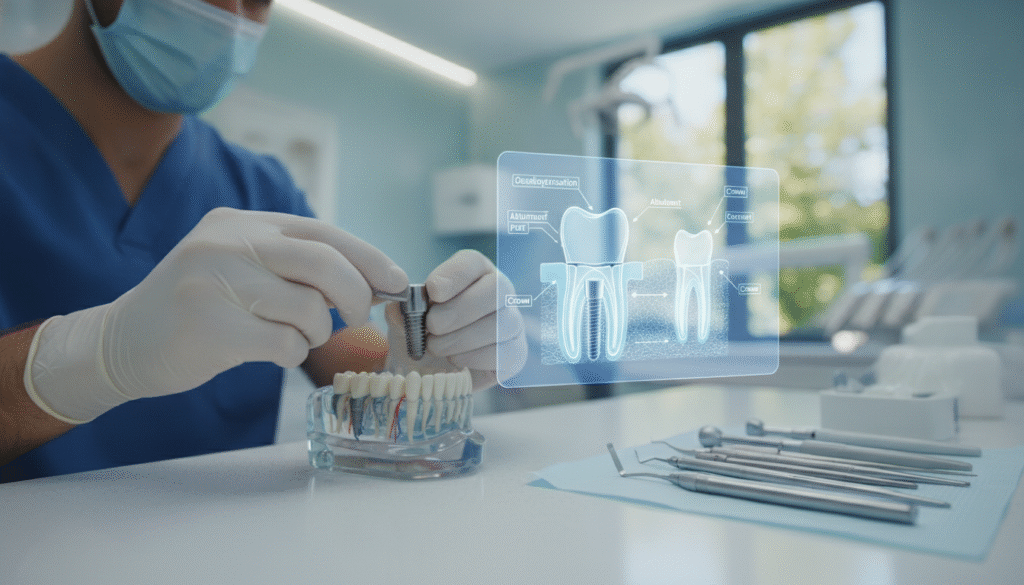
A dental implant is a titanium post put into the jawbone. It acts like a tooth root. This lets you attach a crown or bridge, making your smile look and feel real again.
Over time, the implant bonds with the bone. This is called osseointegration. It makes the implant strong and long-lasting.
Types of Dental Implants
There are many types of dental implants. Each one is for different needs:
- Endosteal Implants: These are the most common. They are shaped like screws and fit most people.
- Subperiosteal Implants: These are placed under the gum but above the jawbone. They’re for people with not enough bone for other implants.
- Zygomatic Implants: These are longer implants in the cheekbone. They’re for those with very little bone in the upper jaw.
Each implant has its own surgery and pain level. This is important to know about dental implant pain level.
Who Needs Dental Implants?
Dental implants are good for many people, including:
- Those with missing teeth.
- People with enough bone for the implant.
- Those in good oral health.
- Those looking for a better option than dentures or bridges.
About 3 million Americans have dental implants. This shows how popular and effective they are in dental care today.
The Dental Implant Procedure
Learning about the dental implant procedure can help ease worries. It explains what happens from the first visit to after the surgery. This ensures patients know what to expect and feel ready.
Initial Consultation and Diagnosis
The journey starts with a first visit. Here, doctors use special imaging to see the jawbone. This helps plan where the implant will go.
This careful planning makes the surgery less painful. It also means smaller cuts and less damage to tissues. This makes the whole process easier for the patient.
Surgical Process Overview
On surgery day, things happen in a certain order. First, local anesthesia is given to numb the area. This keeps patients comfortable during the surgery.
Then, the dentist makes a small cut in the gum. Special tools prepare the site for the implant. After the implant is in, the gum is closed with stitches.
Patients might feel some pressure or vibration. But if they feel sharp pain, they should tell the dentist right away. This ensures the anesthesia is working well.
Post-Surgery Care
After surgery, taking care of yourself is key. Use gauze to stop bleeding and ice packs to reduce swelling. It’s also important to follow the pain medication schedule.
For the first day or two, rest a lot. Follow your dentist’s advice to help your body heal well.
Pain Management During the Procedure
Learning how to handle pain during dental implant surgery can make it more comfortable. There are many ways to manage pain, ensuring a smooth experience. This includes anesthesia, sedation, and ways to reduce anxiety, all aimed at lessening discomfort.
Anesthesia Options
Local anesthesia is key for pain control during dental implant surgery. It numbs the area being treated, allowing patients to stay awake but feel no pain. Common anesthetics like lidocaine and articaine block pain signals by affecting nerve fibers. Before surgery, doctors check to make sure the area is numb.
Sedation Dentistry Techniques
For those who feel anxious, there are sedation options to help:
- Nitrous Oxide: This gas provides a gentle calm while keeping patients alert.
- Oral Sedation: Benzodiazepines help with deeper relaxation for those with more anxiety.
- IV Sedation: This method allows for adjusting sedation levels, good for complex cases.
- General Anesthesia: Used for detailed procedures or severe anxiety, it makes patients completely unconscious.
Managing Anxiety
It’s important to address anxiety, as it can make pain feel worse. Educating patients before surgery helps reduce fear. Techniques like clear communication and reframing thoughts can help distinguish between pressure and pain.
It’s vital to tailor the pain management plan to each patient. A personalized approach not only improves comfort but also boosts the success of the implant placement.
| Sedation Type | Onset Time | Recovery Duration | Patient Suitability |
|---|---|---|---|
| Nitrous Oxide | Immediate | Minutes | Low anxiety |
| Oral Sedation | 30 minutes | 2-3 hours | Moderate anxiety |
| IV Sedation | Immediate | 1-2 hours | High anxiety |
| General Anesthesia | Varies | Several hours | Severe anxiety or complex cases |
Pain Levels Associated with Dental Implants
Understanding the pain levels of dental implants is key for knowing what to expect. Knowing the usual feelings can help patients get ready for their recovery.
Common Sensations
After getting dental implants, people might feel different things. Here are some common feelings:
- Dull, aching soreness: This feeling is mainly at the implant site and gets worse in the first 24 hours.
- Mild tenderness: After the soreness, tenderness can last for 3 to 5 more days.
- Swelling and bruising: Some might see a bit of swelling or bruising, which is normal.
By the end of the first week, many feel little to no pain. This shows they’re healing well.
Individual Pain Thresholds
Pain levels can differ a lot from person to person. Several things can affect how pain is felt:
- Genetic factors: Our genes can change how we feel and handle pain.
- Previous dental experiences: What we’ve gone through before can shape our pain expectations.
- Cultural influences: How we express and deal with pain can vary by culture.
- Chronic pain conditions: People with ongoing pain might feel post-op pain differently.
Factors Influencing Pain
Several things can change how much pain we feel during recovery:
- Bone grafting: Needing a bone graft can make surgery more invasive and recovery longer.
- Complexity of the procedure: More complex implants can cause more inflammation.
- Oral health: Being in good oral health before surgery can lead to an easier recovery.
- Precision of implant placement: Well-placed implants usually cause less irritation after surgery.
- Adherence to aftercare: Following aftercare instructions can greatly improve recovery.
While some soreness is normal, any severe or getting worse pain needs a dentist’s check.
Recovery Process After Implant Placement
After getting a dental implant, many wonder about the recovery. Knowing what to expect can help ease worries and make healing smoother. The recovery has different stages, each with its own experiences and expectations.
Initial Days Post-Procedure
In the first days, patients might feel some discomfort and swelling. These are normal. Most find the pain less than they thought it would be. The pain usually gets worse in the first 24 to 48 hours and then gets better.
Here are some tips to feel more comfortable:
- Use ice packs for 20 minutes at a time in the first 24 hours to reduce swelling.
- Eat soft foods like yogurt, smoothies, and warm soups to avoid hurting the area.
- Take pain medicine as directed to manage pain well.
By day three to five, many start to feel better, with pain decreasing.
Long-term Recovery Expectations
Recovery in the first week or two is common, but healing takes longer. The Mayo Clinic says dental implant surgery is done in stages. This allows bone and soft tissue to heal between stages. Remember, not feeling pain doesn’t mean you’re fully healed.
Keep following your doctor’s advice on what activities to avoid and what to eat, even after the pain goes away.
Signs of Complications
Knowing about possible problems can help your recovery. If you notice:
- Pain getting worse after day three.
- Discharge or a bad smell from the area.
- Bleeding that doesn’t stop after 24 hours.
- A fever over 100.4 degrees Fahrenheit.
- Swelling that gets worse after day three.
- The implant feels loose.
Seeing your dentist right away for problems like infection or implant failure is key. Don’t hesitate to call your dentist if things don’t go as planned.
| Recovery Phase | Typical Symptoms | Duration |
|---|---|---|
| Initial Days | Mild discomfort, swelling | 3-7 days |
| Symptomatic Recovery | Reduced pain, improved function | 1-2 weeks |
| Biological Healing | Bone integration, soft tissue healing | Several months |
Comparing Dental Implants with Other Options
When looking at tooth replacement options, people often compare dental implants to dentures and bridges. Each option has its own benefits and drawbacks. Knowing these differences helps people make better choices for their dental health.
Dentures vs. Implants
Dentures are a common choice for missing teeth because they’re easy to get. But, they can be uncomfortable and cause irritation. This can lead to long-term gum problems and the need for constant adjustments.
Dental implants, on the other hand, are a permanent solution that fits into the jawbone. This makes them stable and comfortable, unlike dentures. While getting implants might hurt at first, the long-term benefits are worth it.
Bridges vs. Implants
Bridges are another way to replace missing teeth. But, they need healthy teeth on either side to work, which can hurt them. This can also lead to tooth decay. Plus, bridges don’t stop bone loss in the jaw.
Implants, by contrast, keep the teeth around them healthy and stop bone loss. They spread out chewing forces, which is better for your mouth. Even though bridges don’t hurt to get, implants are more durable and comfortable over time.
Cost Considerations
Cost is a big deal when picking between dental implants, dentures, and bridges. Implants might cost more at first, but they last longer. This makes them cheaper in the long run because you won’t need to replace them as often.
When you think about it, the cost of implants is worth it for the long-term savings and better life quality. Getting implants means fewer trips to the dentist and less money spent on dental care over time.
Emotional Aspects of Dental Implants
Getting dental implants is not just about the physical process. It’s also an emotional journey. Many feel fear and anxiety, which can make pain seem worse. It’s important to understand these feelings for a better experience.
Addressing Fear and Anxiety
Dental anxiety stops many from getting the help they need. Some ask lots of questions, while others get quiet or tense. This tension can make pain feel more intense.
Studies show that fear can make our bodies react in ways that increase pain. To help, we use strategies like:
- Teaching patients what to expect before surgery.
- Keeping them updated during the procedure.
- Offering sedation to ease their worries.
“A nervous patient often asks me the same question before implant surgery. ‘Will I be awake for this?’ What they usually mean is, ‘Will I be comfortable enough to get through it without panicking?’”
Building Confidence Post-Procedure
After dental implants, the emotional benefits can change lives. People who’ve lost teeth may chew on one side or avoid social events. These habits can hurt their self-confidence.
But, once the implants are in, many feel much better about themselves. A full, beautiful smile can make socializing easier and life better. The short discomfort after surgery is worth the long-term gain in confidence and function.
Every day, we see how a new smile can change someone’s life. The short discomfort of healing is a small price for a lifetime of healthy, functional teeth.
Lifestyle Adjustments During Recovery
After getting a dental implant, you need to make some lifestyle changes. These changes help your body heal well and feel comfortable. They make the dental implant recovery process easier, so you can get back to your usual life faster.
Dietary Changes
Right after surgery, you should eat soft foods. For the first 48 to 72 hours, stick to foods that are easy on your mouth. Good choices include:
- Yogurt
- Smoothies
- Mashed potatoes
- Scrambled eggs
- Lukewarm soups
- Applesauce
These foods are soft and easy to swallow. Avoid hard foods like nuts and raw veggies. Also, stay away from spicy or very hot foods to keep your mouth comfortable.
By day four or five, you can start eating semi-soft foods. By the end of the first week, you can go back to eating normally. Just remember to avoid chewing on the implant site.
Oral Hygiene Practices
Keeping your mouth clean is important, but you need to be gentle around the implant. For a few days, don’t brush the implant area. Use mouthwashes or saltwater rinses instead. This helps keep bacteria away and prevents infection.
You can brush your other teeth, but don’t floss near the implant yet. Your dentist will tell you when it’s okay. Following these steps helps you heal faster and feel less pain.
Activity Restrictions
It’s also important to not overdo it physically. Activities that make your heart rate go up can cause bleeding and swelling. Avoid heavy lifting, intense workouts, and sports for at least 48 to 72 hours.
When you feel better, you can start doing more things. But always listen to your dentist’s advice. Quitting smoking is also key, as it can slow down healing and cause problems.
Aftercare and Maintenance of Implants
To keep dental implants working well, it’s key to follow a good aftercare routine. After surgery, patients need to clean and check their implants regularly. This helps them last longer and work better. We’ll look at how to keep implants healthy, including regular dental visits, cleaning tips, and knowing when something’s wrong.
Regular Dental Checkups
Going to the dentist often is important for implant health. Patients should see their dentist every three to six months. At these visits, dentists check the implants and the soft tissue around them. They:
- Check the soft tissue health by measuring its depth.
- Look for bleeding, which could mean the tissue is inflamed.
- Take X-rays to see how the bone is doing around the implant.
Spotting problems early helps fix them before they get worse. This keeps the implant stable for a long time.
Cleaning Techniques
Cleaning implants is different from cleaning natural teeth. Because implants don’t have nerves, you might not feel pain until there’s a problem. So, it’s very important to clean them well at home. You should use:
- Soft-bristled toothbrushes, manual or electric.
- Interdental brushes that fit the implant’s shape.
- Water flossers with soft tips to avoid scratching the implant.
- Special floss for the area where the implant meets the crown.
Don’t use metal tools to clean implants. They can scratch the surface. Stick to plastic or plastic-coated tools.
Signs of Wear
Watch for signs that your implant might need attention. Look out for:
- If the crown feels loose, it might mean the screw is loose.
- If food keeps getting stuck, the implant might not be shaped right.
- If your bite feels off or hurts, it could be the prosthetic.
- If you start feeling pain again after it went away, it’s a sign of trouble.
Spotting these signs early can stop bigger problems. With the right care, implants can last for many years, making eating and talking easy and comfortable.
FAQs About Dental Implants
Many patients have questions about dental implants. Knowing the answers can boost their confidence in the procedure. Here are some common questions.
How long do implants last?
Dental implants are meant to last a long time, often for many years or even a lifetime. Studies show they have a 95 percent survival rate at ten years. The key factors are:
- Quality of surgical placement
- Patient’s overall health
- Adherence to oral hygiene
- Avoidance of smoking and excessive alcohol
- Regular dental maintenance
It’s important to know the difference between implant survival and success. Survival means the implant stays in the jaw. Success means it works well and is comfortable without problems.
Can I eat normally after getting an implant?
At first, eat soft foods to protect the site. After a few months, you can start eating normally again. But, avoid chewing directly on the implant site until the final crown or bridge is in place. Once it is, you can eat almost anything you want.
Additional Common Questions
Here are a few more questions people often ask:
| Question | Answer |
|---|---|
| How long does the pain last after surgery? | Most patients feel the worst pain in the first 24 hours. Then, they might feel some tenderness for another 3 to 5 days. |
| Can I be sedated for the procedure? | Yes, sedation is an option for anxious patients. |
| Are implants compatible with existing medical conditions? | Most people can get implants, but it’s best to talk to a dental professional first. |
Cost Factors for Dental Implants
Understanding the costs of dental implants can ease worries and help with planning. Knowing these financial aspects is key to making smart dental care choices. The price of dental implants can change a lot, depending on insurance and financing options.
Insurance Coverage Options
Dental insurance often sees implants as cosmetic, not covering them well. But, this view is changing. More insurance plans now see implants as a long-term solution, better than other options. Here are some important points about insurance:
- Some plans might cover the surgery part of the implant process.
- Costs for the prosthetic part might be covered in some policies.
- Ask your insurance for a benefit estimate before treatment.
- Medical insurance might cover implants for trauma or birth defects.
Financing Plans Available
For those without good insurance, there are ways to pay for dental implants. Many dentists offer payment plans that let you pay over time. Here are some common ways to finance:
- In-house plans with little or no interest for certain patients.
- Third-party financing like CareCredit and LendingClub.
- Health savings and flexible spending accounts for tax-free dollars.
Dental implants might cost more upfront than dentures or bridges. But, they last longer and need less care. This makes them a cost-effective choice in the long run.
| Cost Factor | Implants | Dentures | Bridges |
|---|---|---|---|
| Initial Cost | High | Moderate | Moderate |
| Longevity | 10-15 years | 5-10 years | 5-15 years |
| Maintenance | Low | Moderate | High |
In summary, dental implants might seem expensive at first. But, considering the quality of care is important. Choosing a skilled provider like Coastal Periodontics can greatly improve your implant’s success and satisfaction. If you have questions or want to schedule a consultation, contact Coastal Periodontics. Our team is here to help you achieve a brighter, healthier smile.
The Importance of Choosing a Qualified Specialist
Choosing a skilled provider is key to a comfortable and successful dental implant experience. A qualified specialist can lower risks and improve your overall experience. It’s important to do your research before making a choice.
Here are some steps to find a good provider:
- Ask your general dentist for trusted specialist recommendations.
- Check directories from the American Academy of Periodontology and the American Association of Oral and Maxillofacial Surgeons for board-certified specialists.
- Look at practice websites to see if they show specialized training and use the latest technology.
Don’t pick a provider just for low prices or convenience. Dental implants need special training that general dentists don’t get. A skilled specialist can help manage pain and ensure a smooth recovery.
Researching Providers
Finding a qualified implant clinician means looking at their experience and training. Look for those who have done accredited residency programs in periodontology or oral and maxillofacial surgery. Board certification shows they’ve passed tough exams and know a lot about implant surgery.
Understanding Credentials
General dentists can place implants, but their training can differ. Those with complex medical needs or needing many implants should see specialists. Fellowships from groups like the International Congress of Oral Implantologists show a commitment to staying up-to-date in implant dentistry.
Reading Patient Reviews
Reading patient testimonials can give you a good idea of a provider’s quality. Look for reviews about implant procedures, not just general dental care. Feedback on communication and support after surgery is important for managing pain.
“Doctor Bartruff made great effort to attempt to save what teeth he could and did a good job of making it as painless as it could possibly be.” – Michael T.
By considering these points, you can find a clinician who values communication, comfort, and ongoing care. This choice can make your experience better and help the treatment succeed.
Final Thoughts on Pain and Dental Implants
Dental implant surgery is a big step towards fixing your teeth. Many people find it less scary than they thought. With the right tips, the pain from the surgery is usually not too bad.
Right after the surgery, you might feel some pain. But this usually gets better over time. Most people can go back to their normal life in about a week. Having stable teeth is worth the short-term pain.
If you’re thinking about dental implants, here’s some advice. First, talk to a specialist who knows what they’re doing. They can give you advice that fits your needs. Also, think about what anesthesia you want to use to feel less nervous.
Make sure you have soft foods and any medicine you need ready at home. This makes the recovery easier. Following your dentist’s advice is key to a good outcome. Regular dental visits will keep your implants in top shape. Seeing the long-term benefits can make the short-term pain worth it.