Benefits of Mesotherapy: What You Need to Know
The main benefits of mesotherapy are smoother, better-hydrated skin, softer fine lines and, for some people, thicker-looking hair. It’s a series of tiny injections with little downtime. Claims about fat loss and cellulite are weaker, and it isn’t a weight-loss treatment.
Mesotherapy places small amounts of vitamins, hyaluronic acid, amino acids or plant extracts into the middle layer of skin. A French doctor, Michel Pistor, developed it in 1952, first for pain. Today it’s mostly used for cosmetic reasons.
What is Mesotherapy?
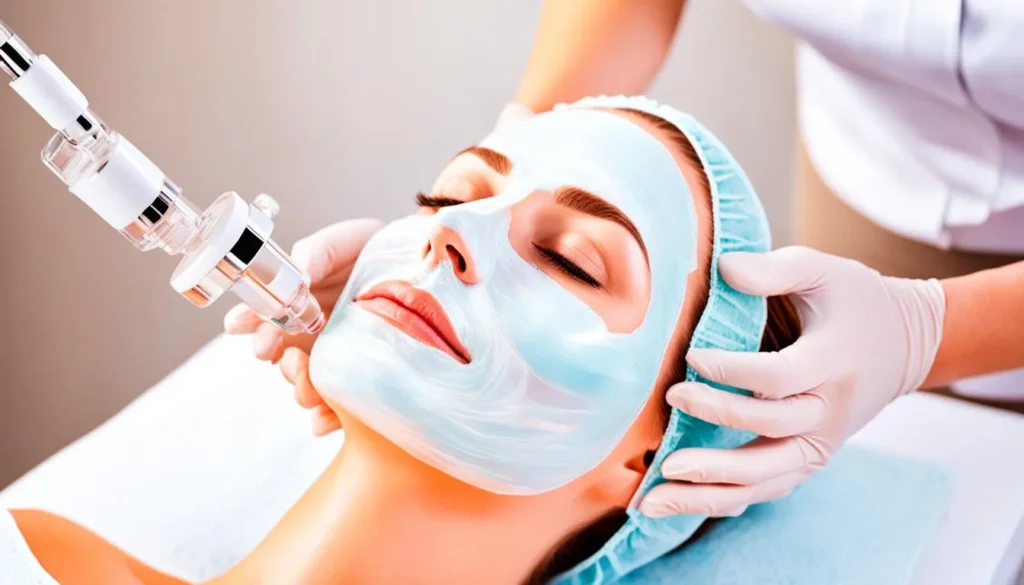
The provider uses very fine needles, or sometimes a device, to inject a custom mix into the skin. The idea is to deliver ingredients right where they’re needed instead of relying on creams that stay on the surface.
Common ingredients include vitamins, minerals, hyaluronic acid, amino acids and plant extracts. Mixes vary from clinic to clinic, and most aren’t FDA-approved for cosmetic use, so ask what’s in yours.
What are the benefits of mesotherapy?
Skin is where most people see a change. It often looks more hydrated, brighter and smoother. After a few visits, fine lines may soften and tone can even out.
Fat and cellulite are a different story. The proof is thin, and mesotherapy can’t replace liposuction or weight loss. Any change tends to be small.
Hair is somewhere in between. Shots into the scalp are meant to nourish follicles. A few small studies saw less shedding, but results differ from person to person.
How Does It Help Skin?
The ingredients go straight into the skin, where they can hydrate it and support collagen. Over a few sessions, skin can look plumper and more radiant.
Hyaluronic acid helps fill fine lines with moisture, while vitamins and amino acids support repair. It won’t fix deep wrinkles, though.
Can It Help With Hair Loss?
A session takes about 30 minutes. The provider injects the mix into your scalp with tiny needles. Most people feel only small pinches.
You’ll usually need a session every two to four weeks at first, then maintenance visits every few months.
Some people notice less shedding after a few sessions. It tends to work best for early thinning, and it’s often combined with other hair loss treatments.
What Happens During a Session?
Before treatment, you may be asked to skip aspirin, ibuprofen and alcohol for a few days to lower bruising, if your doctor agrees.
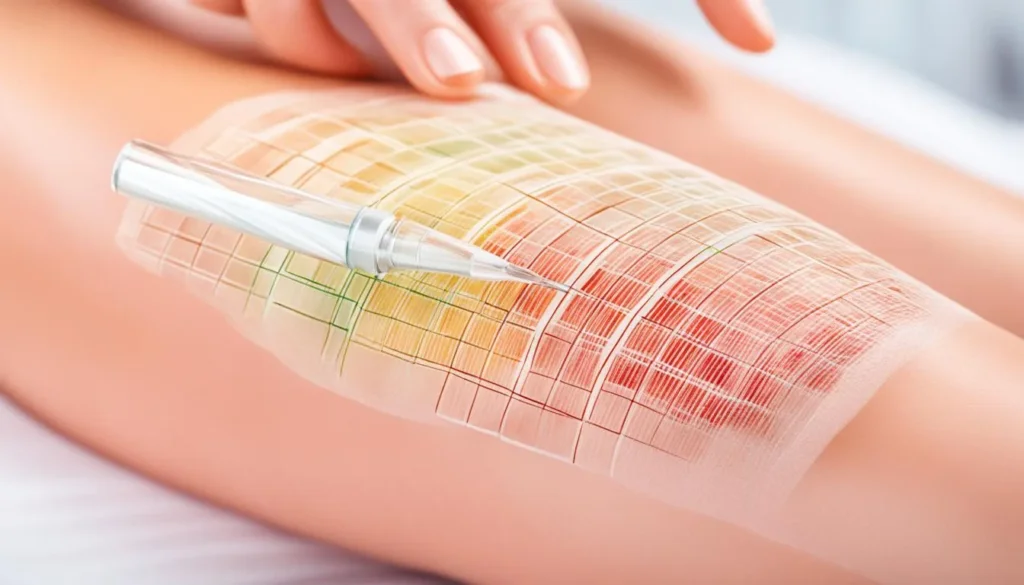
The provider cleans the area, may apply numbing cream, then gives a series of small injections. A session usually takes 30 to 60 minutes. Most people need several sessions for the best results.
Afterward, skip hard workouts for about two days, and go easy on makeup and sun. Here’s a quick aftercare guide:
| Post-Procedure Advice | Details |
|---|---|
| Avoid strenuous activities for 48 hours | Helps reduce swelling and bruising |
| Avoid anti-inflammatory medications if your doctor agrees | Reduces the risk of side effects |
| Use of prescribed skincare products | Enhances healing and results |
What Are the Side Effects?
Swelling, bruising, redness and soreness are common. They usually clear up in a few days.
Infections, lumps, color changes and allergic reactions can happen, but they’re less common. The risk goes up if the clinic cuts corners on hygiene or uses a mix from an unknown source.
So pick a licensed provider with real experience, and ask what’s in the mix.
How Much Does It Cost?
Prices depend on the area, the mix and how many sessions you need. Since you’ll need a series, ask for the total cost up front.

Most health insurance plans don’t cover mesotherapy, since it’s considered cosmetic.
Is Mesotherapy Worth It?
It depends on what you want. If it’s glowing, hydrated skin, a lot of people like the results. For thinning hair, it can be one part of a plan. For losing fat, there are better options. Keep your hopes realistic and choose a provider you trust.