How Long Does an Exosome Facial Last? | Expert Guide
How long does an exosome facial last? For most people, the results hold for about six to twelve months before a touch-up is needed.
The exact number depends on your age, your skin, how much sun you get and how many sessions you had at the start. Below we walk through what the treatment does, when you’ll see changes, what makes them fade faster and what it costs in New York.

What is an exosome facial?
Exosomes are tiny sacs that cells release to pass messages to each other. They carry proteins, lipids and bits of RNA that tell nearby cells to repair, calm down or make more collagen. An exosome facial puts a concentrated dose of these messengers onto your skin, usually right after microneedling or a laser, so they can get past the surface.
Most products used in clinics are made from exosomes collected from lab-grown stem cells, and they come as a liquid or a freeze-dried powder that is mixed just before the treatment. The goal isn’t to add something foreign that sits on top of the skin. It is to nudge your own cells into doing more of the repair work they already do.
How is it different from PRP?
PRP uses platelets from your own blood, spun down in a centrifuge and applied or injected the same day. Exosome products come ready-made from donor cells, so there’s no blood draw. Both aim to boost healing and collagen. Some providers find exosomes give a stronger glow, but studies that compare the two side by side are still small, so it’s fair to say neither one has been proven better.
What can it do for your skin?
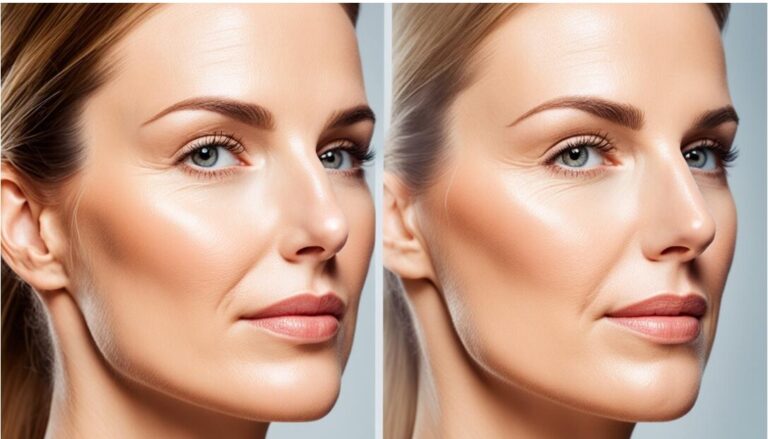
The main effect people are after is more collagen. Collagen is what keeps skin thick and springy, and we make less of it every year once we hit our mid-twenties. When exosomes prompt the skin to make more, fine lines soften and the skin feels firmer to the touch, though that change builds slowly over a few months.
Texture and tone usually improve first. Rough patches get smoother, pores can look smaller and dull skin picks up a brighter, more even look, often within the first week or two. People with dry or tired-looking skin tend to notice this the most.
Sun spots and redness take longer. You might see them lighten after the second or third visit rather than the first. If those are your main worries, a provider will often book you monthly for a while and then stretch the gaps out once you like what you see.
How does the treatment work?
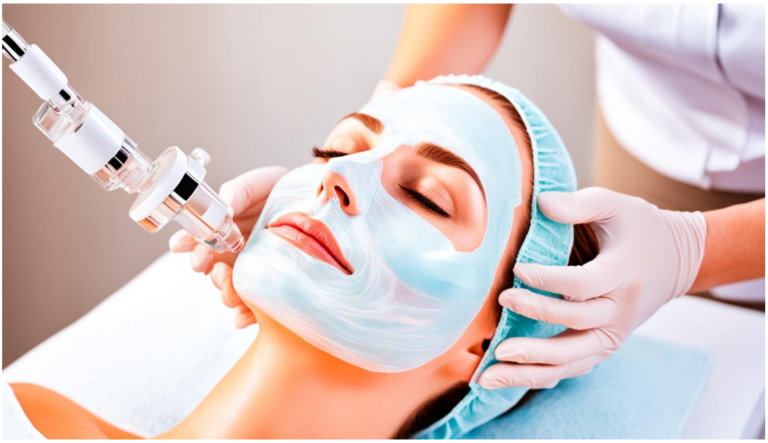
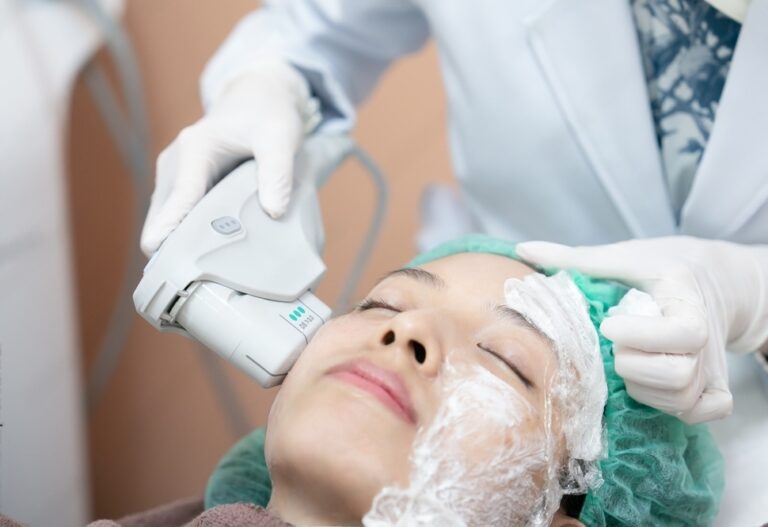
A typical visit starts with cleansing and, if you’re also getting microneedling, a numbing cream for about 20 to 30 minutes. The provider then makes tiny channels in the skin with a microneedling pen or a laser and applies the exosome solution right away, while those channels are still open. The exosome step itself takes only a few minutes.
Once the exosomes are in the skin, they signal fibroblasts, the cells that make collagen and elastin, to step up production. They also seem to calm inflammation, which is why some patients see less redness and fewer breakouts afterward. That combination helps with acne marks, large pores, uneven tone and mild laxity.
Downtime is short. Expect pinkness for a day or two, similar to a mild sunburn, and most people go back to work the next day.
What makes the results last longer or fade sooner?
Two people can get the same treatment and see it last for very different lengths of time. A few things explain most of that gap, and you control some of them.
Does your skincare routine matter?
Yes, quite a bit. A gentle cleanser, a decent moisturizer and a serum with peptides or antioxidants help your skin hold on to the new firmness. Skip scrubs and strong acids for the first week, and ask your provider when it’s okay to go back to retinol.
Sun exposure
UV light breaks down collagen, which is the exact thing the facial is trying to build. Daily SPF 30 or higher, a hat on bright days and no tanning beds will do more to protect your results than almost anything else. Your skin also calms down faster between sessions when it isn’t fighting sunburn.

Does age make a difference?
It does. Skin in your twenties and thirties still makes a lot of collagen by itself, so the boost from a facial sticks around longer. Past 40 or so, you may need a touch-up closer to every six months to keep the same look.
Oily, dry, sensitive and combination skin all react a little differently, too. A short consultation lets your provider match the number of sessions and the aftercare to your skin instead of using one plan for everyone.
Here is a quick summary of how each factor plays in:
| Factor | Impact on Exosome Facial Duration |
|---|---|
| Skincare Routine | Enhances and prolongs effects through proper hydration and maintenance. |
| Sun Exposure | Reduces effectiveness due to UV-induced skin damage; requires rigorous sun protection. |
| Age and Skin Type | Varies impact; younger skin often sustains benefits longer, whereas mature skin might need more frequent treatments. |
So how long do exosome facial results last?
For most people, the results last six to twelve months. People in their twenties and thirties who wear sunscreen every day often land at the longer end, while mature or sun-damaged skin may start to fade closer to six months.
That’s why most providers book maintenance sessions every six to twelve months. A single touch-up is usually enough to bring collagen levels back up once the first series is done.
You won’t see the full effect right away. Your skin may look brighter within a few days, but the firmer, smoother changes from new collagen take four to twelve weeks to show up, and they usually peak around the three-month mark.
Checking in with your provider every few months helps you time the next session before the results drop off, rather than starting over from scratch.
To get there, most people start with a series of three to six treatments spaced two to four weeks apart. After that, the maintenance schedule above keeps things steady.
How do you keep the results going?
For the first couple of days, some providers ask you to skip anti-inflammatory pills like ibuprofen, since the treatment relies on a small, controlled healing response. Ask your provider what they want you to do, especially if you take these medicines for another reason.
Stay out of strong sun for the first week and wear a high-SPF sunscreen every day after that. Freshly treated skin burns more easily.
Keep your routine simple and matched to your skin type: cleanse, moisturize and use a serum with antioxidants or peptides. You don’t need a long list of products, just ones you’ll use every day.
Book your maintenance visits before the results fade. Some people pair them with other treatments, like microneedling or a laser session, which we cover next.
| Practice | Benefits |
|---|---|
| Ask before taking anti-inflammatories | Lets the mild healing response do its work |
| Minimize Sun Exposure | Protection from further skin damage |
| Consistent Skincare Routine | Prolongs the rejuvenating effects |
| Periodic Maintenance Treatments | Sustains collagen and elastin production |
Can you combine it with other treatments?
Yes, and that’s actually how most exosome facials are done. Exosomes are often applied right after microneedling, a laser or radiofrequency microneedling, because the tiny wounds those treatments make let the exosomes reach deeper and may speed up healing.

Microneedling on its own already gets collagen going. Adding exosomes on top may help the skin heal a little faster and stay less red in the days after. A few patients feel firmer skin after one or two visits, but most people still need the whole series to get the result they came for.
Pairing treatments lets one visit target several problems: fine lines, sun spots, rough texture and acne scars. The combined results usually last about as long as an exosome facial alone, around six to twelve months.
Here’s how microneedling with exosomes compares to PRP:
| Treatment Type | Growth Factors Included | Number of Sessions Required | Duration of Results | Key Benefits |
|---|---|---|---|---|
| Microneedling with Exosomes | Varies by product | 3-6 | 6-12 months | Increased collagen, Reduced scars, Enhanced hydration |
| PRP Injections | Varies (from your own blood) | 3-6 | Variable | Collagen stimulation, Improved skin texture |
Is an exosome facial safe?
For most healthy adults, side effects are mild and short-lived. The bigger safety question is the product itself and who is applying it.
The usual reactions are redness, a little swelling and, if you also had radiofrequency or a laser, some bruising. These fade within a few days. Serious reactions are rare when the treatment is done by a trained provider.
What about long-term safety and the FDA?
No exosome product is FDA-approved in the U.S. for any cosmetic or medical use, and the FDA has warned people about clinics selling unapproved exosome injections. Topical exosome serums are sold as cosmetics, which means they aren’t reviewed the way drugs are. Long-term studies are still limited, so choose a licensed provider who can tell you exactly which product they use and where it comes from.
How much does an exosome facial cost?
A single session usually costs between $250 and $1,050, depending on the city, the provider and whether it’s combined with microneedling or a laser. In New York City, expect the higher end of that range.
| Region | Average Cost per Session | Longevity of Results |
|---|---|---|
| New York City, NY | $700 – $1,050 | 6 – 12 months |
| Los Angeles, CA | $250 – $500 | 6 – 12 months |
Face and neck together cost more than the face alone, and buying a package of three sessions usually brings the price per visit down. Scalp treatments for hair loss tend to cost more still.
Insurance doesn’t cover exosome facials because they’re considered cosmetic, so plan to pay out of pocket for the first series and the yearly touch-ups. Here’s how single sessions and packages compare:
| Exosome Facial Option | Cost | Insurance Coverage |
|---|---|---|
| Single Session | $250 – $1,050 | Not Covered |
| Package of 3 sessions | Lower price per visit | Not Covered |
Is an exosome facial worth it?
If you want brighter, firmer skin with very little downtime, an exosome facial is a reasonable option to consider. Expect a glow within days, firmer skin over about three months and results that last six to twelve months with good sun protection. Just go in knowing that the research is still young and that no exosome product is FDA-approved, and pick a provider who will be upfront about both.
Exosome facial FAQ
How soon will I see results?
Many people see a brighter, smoother look within a few days. The firmer changes from new collagen show up over four to twelve weeks.
How many sessions do I need?
Most people start with three to six sessions spaced two to four weeks apart, then come back every six to twelve months.
Does insurance cover an exosome facial?
No. It’s a cosmetic treatment, so you pay for each session yourself, usually $250 to $1,050 per visit.