
Can an Implant Be Placed Immediately After Tooth Extraction? Guide
Did you know that nearly 70% of adults aged 35 to 44 have lost at least one permanent tooth? This is a big deal. It shows how important it is to know about modern ways to fix tooth loss. One cool method is the same-day dental implant procedure. It lets you get an implant right after you lose a tooth.
This method, called immediate dental implant placement, has many good points. It makes the time between losing a tooth and getting a new one shorter. It also makes you feel better and helps keep the bone around your teeth strong. But, not everyone can get this done. Dentists have to check if you’re a good fit first.
This guide is here to help you understand the science and practice behind putting in an implant right after a tooth is lost. It’s for doctors, researchers, and patients who want to know more. It helps connect the latest in dental care with information that’s easy to get.
Key Takeaways
- Immediate dental implants can enhance recovery time and comfort.
- Not all patients qualify for same-day procedures; careful evaluation is critical.
- This technique helps preserve bone structure after tooth loss.
- Advanced protocols are essential for successful outcomes.
- This guide serves both professionals and informed patients seeking knowledge.
Understanding Immediate Dental Implants
Immediate dental implants are a new way to replace teeth right after they’re pulled out. This method lets a dentist put in a dental implant during the same visit. It skips the usual wait time, so patients get a new tooth faster.
For this, a titanium or zirconia fixture is put into the jawbone right after a tooth is taken out. Sometimes, a temporary crown is added too. This is why some call it a same-day dental implant. But, it needs careful planning and strong jawbone support to work well.
What are Immediate Dental Implants?
Immediate dental implants are a fast fix for missing teeth. They’re different from traditional implants, which wait for the site to heal first. This quick method saves time and keeps the jawbone and soft tissue healthy.
Advantages of Immediate Placement
The benefits of immediate implant placement are many:
- Reduced waiting time: Patients don’t have to wait months for a new tooth.
- Preservation of jawbone: It helps keep the jawbone’s shape and volume, reducing bone loss.
- Single visit treatment: Many procedures can be done in one visit, making it more convenient.
- Aesthetic outcomes: Immediate implants help keep natural gum contours, improving looks.
Risks and Considerations
While immediate dental implants have many benefits, they also have risks. The chance of implant failure goes up if there’s infection or not enough bone. Other things to think about include:
- Infection risk: Hidden infections can make the procedure harder.
- Bone volume: Not enough bone might mean more steps, like bone grafting.
- Soft tissue closure: Poor soft tissue can cause more problems.
Knowing these points is key for those thinking about an immediate implant after tooth extraction. With the right planning, many can enjoy this advanced dental option.
The Tooth Extraction Process
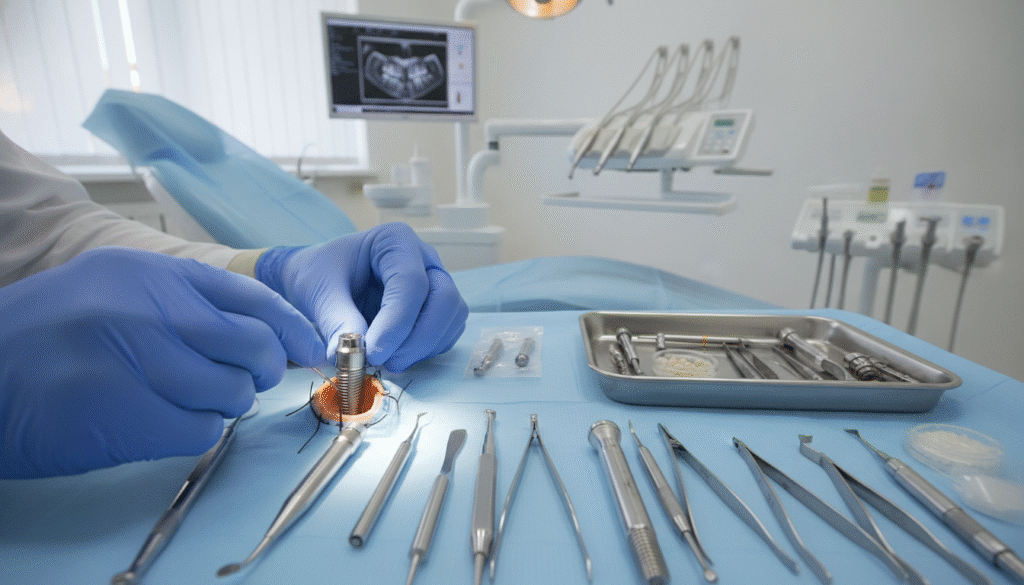
Understanding tooth extraction is key to successful implant placement. This process has several important phases. Factors like the tooth’s location, jawbone condition, and patient health play a role.
Indications for Tooth Extraction
Tooth extraction is needed for many reasons. Knowing these helps set up implant planning. Common reasons include:
- Non-restorable caries: Severe decay that makes the tooth unfixable.
- Advanced periodontal disease: Gum disease that makes the tooth loose.
- Vertical root fractures: Cracks that can’t be fixed.
- Endodontic failures: Root canal treatments that don’t work.
Methods of Tooth Extraction
There are two main tooth extraction methods: simple and surgical. Each has its own use and technique:
| Method | Description | Indications |
|---|---|---|
| Simple Extraction | Uses elevators and forceps to remove the tooth. | Teeth that are easy to see and get to. |
| Surgical Extraction | Requires cutting the gum and breaking the tooth. | Teeth that are stuck or hard to get out. |
Using gentle techniques is important. It helps keep the gum intact for better implant placement.
Post-Extraction Care
Good care after tooth removal is key for healing. It also prepares the area for implants. Important steps include:
- Socket debridement: Cleaning the area to avoid infection.
- Hemostasis achievement: Stopping bleeding.
- Initial healing management: Managing pain and keeping the mouth clean.
These steps help decide when to place an implant.
“Understanding the extraction process is essential for a successful transition to implant therapy.”
The Procedure for Immediate Implant Placement
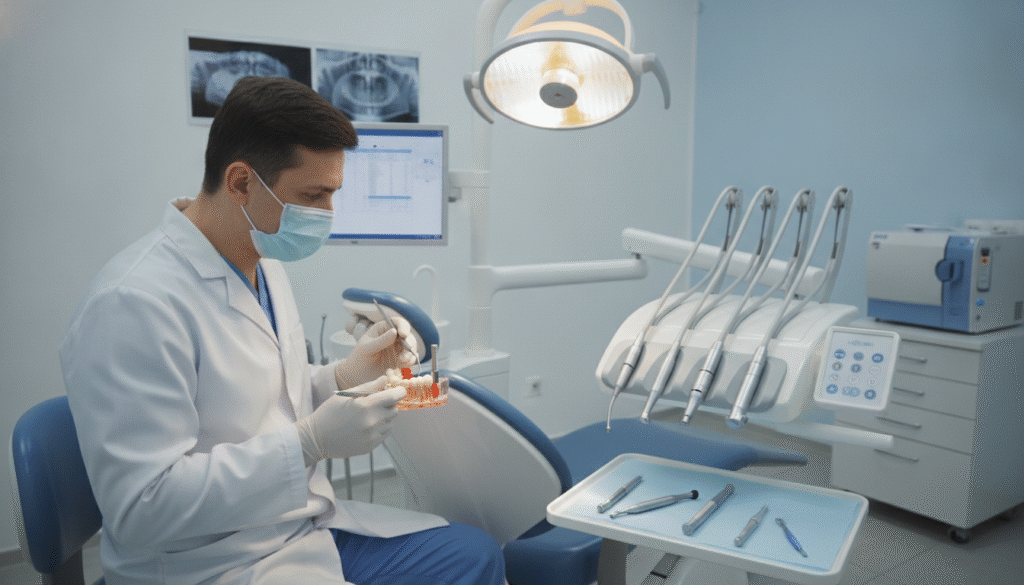
The journey of immediate implant surgery starts with checking the patient’s bone structure. This step is key to see if same-visit implant placement is possible. Dentists use advanced imaging like cone-beam computed tomography to check the bone’s thickness and quality.
Assessing Bone Structure
Before starting the implant placement, a detailed bone structure check is needed. This includes:
- Checking the bone’s quality and amount.
- Looking for bone defects or infections.
- Assessing the patient’s overall oral health.
These factors are very important for the success of the immediate implant procedure.
Steps Involved in the Procedure
After the bone check, the steps for immediate implant placement are:
- Atraumatic Tooth Extraction: The dentist carefully removes the damaged tooth while keeping the bone intact.
- Socket Preparation: The socket is cleaned and disinfected to remove any debris or infection.
- Osteotomy Preparation: The dentist prepares the bone for the implant, making sure it’s stable in the bone.
- Implant Insertion: The implant is placed in the prepared site, ensuring it’s stable with a torque value over 35 Ncm.
- Healing Cap or Temporary Crown: A healing cap or temporary crown may be added to help with healing and keep the area looking good.
This whole process aims to help the implant integrate well with the bone over several months.
Anesthesia Options During Surgery
Keeping the patient comfortable during the procedure is important. There are different anesthesia options, including:
- Local Infiltration: Good for simple cases, numbing the area precisely.
- Nerve Block Techniques: Better for more complex procedures, providing more pain relief.
- Conscious Sedation: Recommended for anxious patients, keeping them awake but relaxed.
The right anesthesia choice depends on the surgery’s complexity and the patient’s anxiety level.
Candidates for Immediate Implants
Finding the right candidates for immediate implants after tooth extraction is key. It’s about looking at several clinical factors. These factors help with healing and the success of the implant.
Ideal Candidates
The best candidates for immediate implants have certain traits. These traits help with healing. They include:
- Minimal Infection: The site must be free from active infection for the implant to heal well.
- Sufficient Bone Density: Enough bone at the site is needed for the implant to integrate well.
- Healthy Gums: The gums must be healthy to support the implant.
- Good Oral Hygiene: Keeping the mouth clean is vital to avoid problems.
- Absence of Heavy Teeth Grinding: Those who don’t grind their teeth a lot are better candidates. Grinding can harm the implant.
When these conditions are met, placing the implant the same day is a good option for patients.
Factors That Rule Out Immediate Placement
Some factors make a patient not suitable for an immediate implant. These include:
- Active Purulent Infection: An ongoing infection can harm healing and implant success.
- Insufficient Bone Volume: Without enough bone, grafting is needed before the implant can be placed.
- Uncontrolled Medical Conditions: Conditions like uncontrolled diabetes or being immunocompromised can slow healing.
- Bisphosphonate Therapy: This medication can cause problems with bone metabolism.
- Heavy Smoking Habits: Smoking slows down wound healing, making it a big factor.
Age and Bone Density Considerations
Age and bone density are important for immediate implants. While age matters, bone quality is more critical. For example:
- Skeletal Maturity: Younger patients often have better bone quality, making them better candidates.
- Post-Menopausal Osteoporosis: Women after menopause may lose bone density, affecting implant success.
- Age-Related Bone Metabolism Changes: As people age, their bone metabolism changes, affecting treatment planning.
In conclusion, knowing who is a good candidate for immediate implants is key. Each patient’s situation must be carefully looked at for the best results.
Benefits of Immediate Implants
Choosing immediate dental implants after extraction has many advantages. It makes the treatment process smoother and improves results. Knowing these benefits helps patients make better choices for their dental health.
Reduced Overall Treatment Time
One key benefit is the reduction in overall treatment time. Traditional implants take longer, often 4 to 8 months before placement. Immediate implants, on the other hand, can be placed in one visit. This cuts the total treatment time to 4 to 8 months, compared to 8 to 12 months for delayed implants.
Even though the healing time is the same, immediate implants save time waiting for the restoration. This makes the process faster and more efficient.
Single Surgical Procedure
Immediate implant placement also means a simpler surgery. Combining extraction and implantation into one procedure offers several benefits:
- Less trauma during surgery
- Less need for anesthesia
- Less discomfort after surgery
- Lower costs due to fewer procedures
This approach makes the surgery less stressful and speeds up recovery. It’s a big plus for many patients.
Improved Aesthetics
Immediate implants also offer improved aesthetics. They help keep the gums looking natural, which is important for visible areas. This helps avoid problems like soft tissue collapse.
Patients get better-looking results, which boosts their confidence. The natural look of the gums and teeth is preserved, making the implant almost invisible.
In summary, immediate dental implants are more than just quick. They provide a complete solution for both health and looks. This makes them a great choice for those looking for efficient dental care.
| Benefit | Immediate Implants | Delayed Implants |
|---|---|---|
| Treatment Time | 4-8 months | 8-12 months |
| Surgical Procedures | Single procedure | Multiple procedures |
| Aesthetic Outcomes | Better preservation of gum contours | Higher risk of soft tissue collapse |
| Postoperative Discomfort | Minimized | Increased |
Risks Associated with Immediate Implants
Immediate dental implants have many benefits, but they also come with risks. It’s important for both patients and dental professionals to know these risks. To avoid complications, careful case selection and skilled surgery are key.
Potential Complications
Several complications can happen during or after immediate implants. These include:
- Early Implant Mobility: If the implant doesn’t have enough stability, it can move. This could harm the implant’s success.
- Peri-implantitis: Infection can occur in the socket, causing inflammation and possibly failing the implant.
- Buccal Plate Fenestration: If the bone is not strong enough, the buccal plate might break, exposing the implant.
- Malposition: If the socket is not shaped right, the implant might not be placed correctly.
Long-term Success Rates
Under the right conditions, immediate implants can have high success rates. Studies show they can have survival rates between 94% and 98%, similar to traditional implants. But these rates depend on:
- Choosing the right patients
- Using skilled surgical techniques
- Good care and hygiene after surgery
It’s important to make sure the bone is strong and the patient keeps up with oral hygiene to keep these success rates high.
Implant Failure Rates
Knowing why implants might fail is important. Common reasons include:
- Smoking: Smoking can slow healing and increase failure risk.
- Poor Oral Hygiene: Not taking care of your mouth can lead to infections that harm the implant.
- Bruxism: Grinding your teeth can put too much stress on the implant, causing it to fail early.
- Inadequate Bone Quality: If the bone is not dense enough, the implant might not be stable.
Most failures happen because of infections around the implant, not because the bone didn’t bond with it. So, it’s important to keep an eye on the implant and take care of it.
In summary, immediate implants can be a good choice, but it’s important to understand and manage the risks. Talking to a qualified professional and planning carefully can help ensure the best results.
Recovery Timeline for Immediate Implants
Knowing how long it takes to heal after getting an immediate implant is key. After the surgery, patients go through healing stages. These stages are important for the implant to last long and work well.
What to Expect Post-Procedure
In the first 24 to 72 hours after surgery, you might feel some swelling, bruising, and pain. These feelings can be eased with pain meds and cold packs. It’s important to know the difference between normal healing and signs that need a doctor’s help.
Healing Phases
The healing process has three main stages:
- Inflammatory Phase: This first stage is when your body reacts to the surgery, causing swelling and pain.
- Proliferative Phase: Here, tissue starts to form, preparing for new bone growth.
- Remodeling Phase: In the last stage, the bone gets stronger as it changes to support the implant better.
Knowing about these stages helps you understand how your body works to make the implant successful.
Aftercare Instructions
Following the right aftercare is important for healing. Here are some key steps:
- Use a chlorhexidine mouth rinse as directed to keep your mouth clean.
- Start with a liquid diet and then move to soft foods as you heal.
- Be gentle when brushing your teeth, avoiding the implant area to protect it and keep your other teeth clean.
- Avoid putting pressure on the implant while it’s integrating to help it stay stable.
Following these tips will help your healing and make sure your implant works well for a long time.
Comparing Immediate vs. Delayed Implants
It’s important to know the differences between immediate and delayed implants for dental care. Each method has its own benefits and drawbacks. We’ll look at what makes each approach unique, helping both doctors and patients understand better.
Immediate Implant Placement Overview
Immediate implant placement means putting in a dental implant right after the tooth is removed. This method has several benefits:
- Faster results: Patients see their smile restored quickly.
- Fewer surgical interventions: It cuts down on the number of surgeries needed.
- Bone preservation: It helps keep the bone healthy by using it early.
Delayed Implant Placement Overview
Delayed implant placement is a more traditional method. It waits 3 to 6 months before placing the implant. Its benefits include:
- Better healing conditions: Waiting allows for better healing and outcomes.
- Bone regeneration: It lets the bone heal naturally, sometimes needing grafts.
- Improved implant stability: The implant goes into stronger, more stable bone.
Pros and Cons of Each Method
When looking at immediate and delayed implants, several things matter:
| Factor | Immediate Implants | Delayed Implants |
|---|---|---|
| Treatment Duration | Shorter | Longer |
| Surgical Interventions | Fewer | More |
| Aesthetic Predictability | Higher risk of complications | More predictable outcomes |
| Suitability for Compromised Sites | May not be ideal | Generally more suitable |
Neither method is always better. The right choice depends on many factors, like the patient’s health and the tooth’s condition. It’s key for patients to talk to their dentist to find the best option for them.
Cost Considerations for Immediate Implants
Understanding the costs of immediate dental implants is key to making smart choices. Prices can change a lot based on where you are, how complex the surgery is, and the materials used. This section will give you a clear idea of the average costs, what insurance might cover, and any extra expenses you might face.
Average Cost of Immediate Implants
In the United States, the cost of immediate dental implants usually falls between $3,000 and $4,500 per implant. This price often includes:
- Surgical fees
- Implant components
- Restorative phase expenses
But, prices can vary a lot. For example, cities might cost more because of higher dental practice costs. Also, if you need extra steps like bone grafting, the total cost will go up.
Insurance Coverage and Financing Options
Insurance for immediate implants can be tricky. Some plans cover implants as dental benefits, while others see them as medical expenses. It’s important to check your policy for:
- Missing tooth clauses
- Limitations on coverage for implants
If insurance doesn’t cover enough, there are other ways to pay. You can use healthcare credit cards or set up payment plans with your dentist. These options can make it easier to manage your costs.
Hidden Costs to Consider
When planning for immediate implants, keep an eye out for extra costs that might pop up:
- Preoperative imaging fees, such as cone-beam computed tomography
- Bone grafting materials if deficiencies are discovered during surgery
- Provisional restoration costs
- Long-term maintenance expenses, including professional peri-implant maintenance visits
Knowing about these extra costs can help you plan your budget better for dental care.
| Cost Category | Estimated Range | Notes |
|---|---|---|
| Surgical Fees | $1,000 – $2,500 | Varies by complexity and location |
| Implant Components | $1,500 – $2,000 | Includes the implant and abutment |
| Restorative Phase | $500 – $1,000 | Covers crowns or prosthetics |
Importance of Choosing the Right Dentist
Finding the right dentist is key for immediate dental implants to work well. The dentist’s skill can greatly affect the outcome. This section will help you know what to look for in a dental professional.
Selecting a Qualified Oral Surgeon
It’s important to pick a skilled oral surgeon for the best results. Look for someone who has:
- Oral and maxillofacial surgery residency
- Specialty training in periodontics
- Fellowships in complete implantology
These qualifications show the surgeon is ready for complex cases. Decide if you want a specialist or a general dentist for your needs.
Questions to Ask During Consultation
Ask specific questions during your consultation to understand the surgeon’s experience. Here are some key questions:
- What experience do you have with immediate implants?
- What are your complication rates for this procedure?
- What imaging technology do you use for planning surgeries?
- Do you have support for making temporary restorations?
These questions will help you see if the surgeon is right for you and their methods make you feel at ease.
Researching Credentials and Experience
To make a good choice, research the dentist’s credentials and experience. Check if they have:
- Board certification and state licensure
- Membership in groups like the American Academy of Implant Dentistry
- A commitment to staying updated with new techniques
Doing your homework helps you pick a qualified dentist. This increases the chance of getting good, lasting results.
The Role of Bone Grafting
Bone grafting is key for dental implants to work well. It’s needed when there’s not enough bone in the jaw. Without enough bone, implants might not work right, causing problems.
Bone grafting is needed in many cases. For example, if the bone around a tooth is too thin, or if the jawbone is too small for an implant. Even if the jaw has air pockets that get in the way of implants, a graft is needed.
When is Bone Grafting Required?
People might need bone grafting if their jawbone is too thin or weak. This can happen after losing a tooth or if gum disease has caused bone loss. The graft helps make the bone strong enough for implants.
Benefits of Bone Grafting with Implants
Bone grafting has many benefits. It uses special materials to help the bone grow back. This makes it possible to place implants correctly. It also helps keep the jaw looking natural and healthy.
Alternatives to Bone Grafting
There are other ways to do implants without grafting. Sometimes, using smaller or shorter implants can work. Zygomatic implants are another option for very thin jaws. There are also other types of implants that might be used in some cases.
Long-term Care for Dental Implants
Caring for dental implants is key to their long life and success. Good maintenance keeps the implants stable and working well. Here are important steps for long-term care that everyone with implants should take.
Oral Hygiene Practices
Keeping your mouth clean is vital for dental implants. Here are some tips:
- Interdental Brushes: Use brushes with plastic-coated wires to clean around the implant area effectively.
- Water Flossers: Employ water flossers with nonmetal tips to gently clean around the implants.
- Specialized Implant Floss: This type of floss is designed to access the peri-implant sulcus without damaging the soft tissue seal.
Regular Dental Checkups
Going to the dentist regularly is important for implant health. You should see your dentist every 3 to 6 months. At these visits, your dentist will:
- Measure probing depths with light force.
- Assess for bleeding on probing.
- Conduct radiographic evaluations of crestal bone levels.
- Analyze occlusal patterns to detect any harmful loading.
Signs of Implant Failure to Watch For
Knowing the signs of implant failure is key for quick action. Look out for:
- Progressive Mobility: Any noticeable movement of the implant may indicate failure.
- Suppuration: The presence of pus around the implant site is a serious concern.
- Radiographic Peri-implant Radiolucency: This may suggest bone loss around the implant.
- Discomfort During Function: Any pain or discomfort while using the implant warrants immediate evaluation.
Spotting these signs early can help tell if the problem is with the bone or the implant itself.
Innovations in Implant Technology
The field of dental implants is seeing big changes that will change how we care for patients. New materials and methods are making implants more successful and better for patients. These changes are making implants more reliable and improving the patient experience.
One big step forward is in implant materials. We’ve moved from pure titanium to titanium-zirconium alloys. These alloys are stronger and work well in tight spaces. They also help implants bond with bone faster, thanks to new surface treatments.
Zirconia implants are another exciting new option. They’re metal-free, which is good for patients who worry about metal allergies or want a more natural look.
New Techniques in Surgery
New surgical methods are also being developed. Computer-guided implant surgery uses 3D guides to place implants with great accuracy. This makes the surgery more precise and successful.
Piezoelectric surgery devices are also becoming popular. They cut bone carefully, without harming soft tissues. This reduces trauma and speeds up healing.
Future Trends in Dental Implants
The future of dental implants looks bright, thanks to biologics. Platelet-rich fibrin and bone growth proteins could make implants heal faster. Artificial intelligence will also help plan treatments better, making them more effective for each patient.
Soon, we might be able to restore implants right away, thanks to new surface technologies. This means patients could recover faster and see better results from their implants.
In summary, the latest in implant technology is changing dental care for the better. These advancements are making implants more successful and improving patient care. As we keep moving forward, we’ll see even more progress in dental implant procedures.
Patient Testimonials and Case Studies
Patients who got immediate dental implants share their stories. These stories show both the good and bad sides of the procedure. They give a full picture of how immediate implants can change lives.
Real-life Success Stories
Many patients have had great success with immediate dental implants. For example, one patient had a missing front tooth. The implant not only fixed their smile but also boosted their confidence a lot. They said the procedure was smooth and they felt little pain, allowing them to get back to their daily life quickly.
Another patient had severe dental trauma. The implant fixed their smile and worked well. These stories show how implants can greatly improve a person’s life, making them feel better about themselves.
Challenges Faced by Patients
But not all stories are happy ones. Some patients faced problems during their treatment. For instance, one patient had to have the implant removed because of an infection. This caused both physical and emotional pain, showing the risks of immediate implants.
Another patient had to have more surgery because of issues with how the implant looked. These cases remind us that even with careful planning, there can be risks with immediate implants.
Lessons Learned from Experiences
These stories teach us important lessons. First, patients should have realistic hopes about what implants can do. It’s important to remember that implants are a long-term solution, not a quick fix.
Choosing a skilled dentist is also key to success. Taking good care of yourself after the surgery can also help avoid problems. These stories remind us of the importance of being well-informed and ready for what comes next.
| Patient Case | Outcome | Challenges Faced | Lessons Learned |
|---|---|---|---|
| Front Tooth Replacement | Boosted confidence and restored smile | None reported | Importance of quick recovery |
| Severe Dental Trauma | Functional and aesthetic restoration | None reported | Psychological benefits of aesthetics |
| Postoperative Infection | Explantation required | Infection complications | Need for realistic expectations |
| Aesthetic Compromise | Revision procedure needed | Aesthetic issues | Value of experienced providers |
Conclusion: Is Immediate Implant Placement Right for You?
Choosing the right dental implant method can be tough. Immediate implant placement has big benefits for some people. It’s important to know these advantages to make a good choice.
Immediate implants can make treatment faster and look better for the right person. But, it’s key to think about long-term success, not just quick fixes. A skilled dentist must check if it’s the best choice for you.
If you’re thinking about immediate implants, start by getting a detailed check-up. A special scan called cone-beam computed tomography can show your bone’s health. Talking to an experienced dentist will help figure out if you’re a good fit and what else you might need.
Talking openly with your dentist is the first step to a treatment plan that fits you. This way, you can feel sure about your dental health choices. You’ll know you’re on the right path to a successful outcome.
