Can Grinding My Teeth Cause Them to Crack or Break?
Did you know that nearly 30% of adults grind their teeth involuntarily? This is a common issue many people don’t even know they have. Grinding teeth can cause serious damage to your dental health.
Enamel, the hardest part of our body, is meant to handle daily wear. But grinding teeth can put too much stress on it. This can lead to cracks and fractures, causing pain and expensive dental bills.
This article will help you understand how grinding teeth can harm your teeth. We’ll look at why it happens, who’s at risk, and what you can do about it. Knowing this can help you protect your teeth.
Key Takeaways
- Bruxism affects nearly 30% of adults.
- Excessive grinding can lead to enamel damage.
- Understanding bruxism is key for dental health.
- Proactive steps can prevent dental fractures.
- Clinical interventions are available for managing bruxism.
Understanding Teeth Grinding
Teeth grinding, also known as bruxism, is a common issue that needs attention. It’s when you grind or clench your teeth without realizing it, usually while you’re asleep. If not treated, it can cause serious dental problems.
What is Teeth Grinding (Bruxism)?
Bruxism is when you keep grinding or clenching your teeth. It can happen when you’re awake or asleep. Awake bruxism is often due to stress or focus. Sleep bruxism, on the other hand, is a sleep disorder that happens without you even knowing it.
Symptoms of Teeth Grinding
People with bruxism might notice a few things. These include:
- Dull headaches when you wake up
- Jaw muscle fatigue or swelling
- Tooth sensitivity, mainly to hot or cold things
These signs show why it’s important to deal with teeth grinding quickly.
Causes of Teeth Grinding
There are many reasons why people grind their teeth. These reasons are both in your mind and body. Some main causes are:
| Factor | Description |
|---|---|
| Stress and Anxiety | High stress can make you grind your teeth, often at night. |
| Genetic Predisposition | If your family has bruxism, you might be more likely to have it too. |
| Caffeine and Alcohol | Too much of these can make teeth grinding worse. |
| Medications | Some medicines, like SSRIs, can lead to more teeth grinding. |
Knowing what causes bruxism is key to fixing it and protecting your teeth.
The Impact of Teeth Grinding on Dental Health
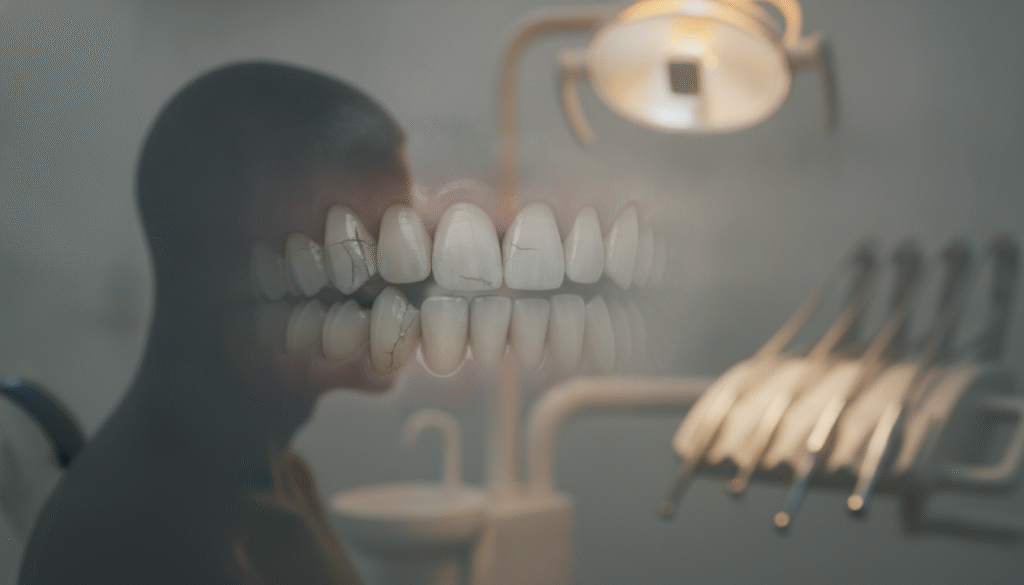
Teeth grinding can change the shape of your teeth without you even noticing. This condition, called bruxism, can harm your oral health a lot. It’s important to know how it affects your teeth and mouth.
How Grinding Affects Tooth Structure
Grinding can damage the teeth. The outer layer, called enamel, can wear down. This can cause:
- Increased risk of decay: Without enamel, teeth are more likely to get cavities.
- Flattening of teeth: Grinding can make teeth weak and painful.
- Microfractures: Too much pressure can cause tiny cracks in the enamel.
As one expert noted,
“Grinding also wears down your teeth. Continual tooth-to-tooth contact can flatten your teeth, weaken them, and cause tooth pain.”
Long-term Effects on Oral Health
Teeth grinding can cause more problems than just worn-down teeth. It can lead to:
- Pulpitis: Inflammation of the dental pulp from grinding.
- Hypermobility of teeth: Teeth can become loose due to widened periodontal ligaments.
- Jaw and muscle issues: Grinding can cause jaw pain and headaches.
It can also increase the risk of TMJ disorders. This can make treatment harder and cause more pain. It’s key to treat bruxism early.
In summary, teeth grinding effects can seriously harm your teeth and mouth. If you grind your teeth, see a dentist to prevent these problems.
Cracks and Breaks: What’s the Difference?
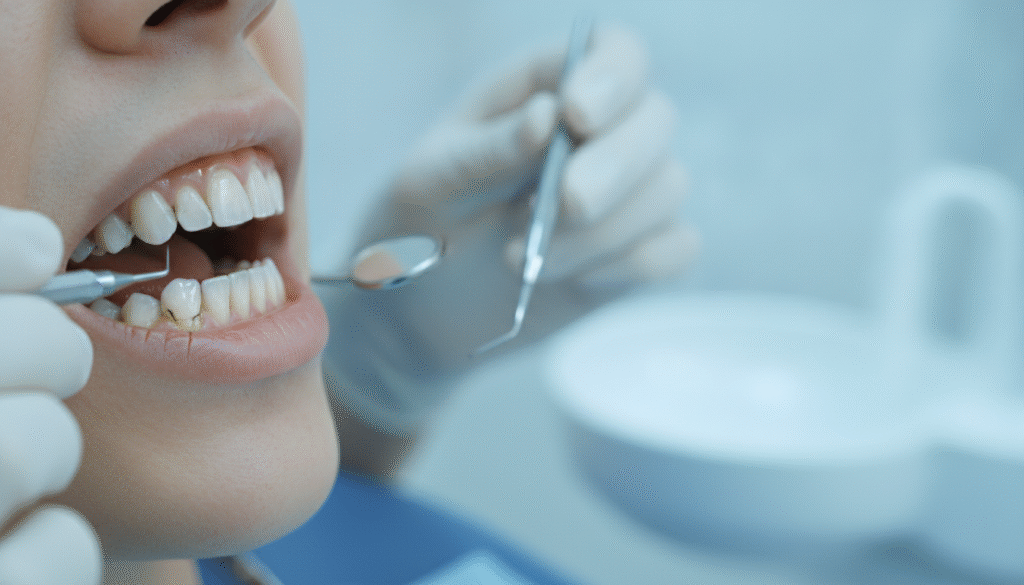
It’s key to know the difference between tooth cracks and breaks for good dental care. Both can come from grinding teeth, but they show different levels of tooth damage.
Tooth cracks come in several types, each with its own traits:
Types of Tooth Cracks
- Craze Lines: These are small cracks in the enamel that are usually harmless and might not need treatment.
- Fractured Cusps: This happens when a part of the tooth’s chewing surface breaks off, often because of pressure.
- Cracked Tooth Syndrome: An incomplete crack that goes from the chewing surface down to the root, causing pain when biting.
- Split Teeth: A complete fracture that splits the tooth into two parts, which might need more serious treatment.
A break, on the other hand, means the tooth is completely split, leading to a loose piece or loss of tooth structure. Knowing this difference is important because it affects how fixable the tooth is.
Differences Between Cracks and Breaks
The main difference is that cracks might not be as bad, while breaks are more serious and can lose a lot of function. This means breaks often need quick action.
Cracks from grinding can get worse over time because of constant stress on the teeth. Grinding can turn a small craze line into a serious split tooth. This shows why catching problems early is so important.
Factors That Increase the Risk of Tooth Damage
Bruxism is complex, and understanding it is key to knowing why some people damage their teeth more than others. Several factors can make teeth grinding more harmful. These include genetics, stress, and lifestyle choices. Each factor can make bruxism more destructive.
Genetic Predisposition
Studies show that genetics can play a big role in bruxism. Some genes affect how we respond to pain and how active our teeth grinding is. If your family has a history of teeth grinding, you might be more likely to face serious dental problems.
Stress and Anxiety
Stress and anxiety are big players in teeth grinding. They often cause bruxism, which is worse during sleep. The HPA axis, which controls muscle tone, is affected by stress. When stress goes up, so does the chance of grinding, which can damage teeth.
Lifestyle Choices
Our lifestyle choices can also increase teeth grinding risks. Drinking caffeine and nicotine can make muscles tense and lead to grinding. Alcohol can mess up sleep, causing more grinding. Using recreational drugs can also raise the risk of tooth damage.
| Factor | Impact on Bruxism | Risk Level |
|---|---|---|
| Genetic Predisposition | Increased susceptibility to bruxism | High |
| Stress and Anxiety | Triggers grinding behavior | Moderate to High |
| Lifestyle Choices | Contributes to muscle tension and sleep disruption | Moderate |
Signs Your Teeth Might Be Cracking
It’s important to know the early signs of tooth cracks for good dental health. Spotting these signs early can help avoid bigger problems. Here are the main symptoms to look out for:
Sensitivity to Hot or Cold
Feeling pain when eating hot or cold foods is a common sign. This happens when the enamel wears down, exposing the dentin. The hydrodynamic theory says that fluid movement in dentinal tubules can cause pain. If you feel pain when eating hot or cold foods, your teeth might be cracking.
Visible Damage to Enamel
Visible wear on the enamel is another clear sign. Look for:
- Flattened Teeth: Teeth that look flat or worn may show grinding.
- Chips and Craze Lines: Small chips or lines on teeth can mean stress and cracks.
- Shiny Wear Facets: Exaggerated wear on cusps can show bruxism.
These signs are important for catching problems early, before they get worse.
Increased Pain or Discomfort
Pain can show up in different ways, including:
- Dentinal Pain: Sharp pain when biting down can mean a crack.
- Periodontal Pain: Gum pain can come from grinding.
- Myofascial Pain: Jaw muscle pain can also be from bruxism.
The “cracked tooth syndrome” is when pain happens when you stop biting. This is a clear sign of a tooth crack and needs quick dental care.
| Sign | Description | Action Required |
|---|---|---|
| Sensitivity to Temperature | Sharp pain when consuming hot or cold items | Consult a dentist for evaluation |
| Visible Damage | Chips, craze lines, or flattened teeth | Schedule a dental checkup |
| Increased Pain | Persistent pain during chewing or biting | Seek immediate dental attention |
Preventive Measures for Teeth Grinding
Teeth grinding is a serious issue that needs a multi-step solution. By using the right strategies, people can lower the teeth grinding dangers to their teeth.
Making lifestyle changes is a key way to fight teeth grinding. Simple actions can have a big impact. For example, deep relaxation can help reduce stress, a common cause of bruxism. Also, not smoking and cutting down on caffeine and alcohol, before bed, can help stop grinding.
Not chewing on things like pencils or nails can also help. Doing jaw-relaxation exercises every day is another good idea.
Lifestyle Changes to Reduce Grinding
- Practice deep relaxation techniques.
- Avoid tobacco and limit caffeine and alcohol.
- Steer clear of chewing non-food items.
- Perform jaw-relaxation exercises.
Mouthguards and Splints
Using mouthguards or splints is also key in preventing teeth grinding. The best way to protect your teeth is with a night guard. Dental professionals make custom, hard acrylic splints that work well. They protect your teeth and help relax your jaw muscles.
But, over-the-counter mouthguards might not be the best choice for everyone. They can sometimes make clenching worse. So, it’s important to talk to a dentist to find the right one for you.
Stress Management Techniques
Managing stress is also important in stopping teeth grinding. Methods like cognitive behavioral therapy (CBT), biofeedback, and mindfulness can help. They calm down the nervous system, which often causes bruxism.
By taking these steps, people can greatly improve their dental health and reduce the risks of teeth grinding.
When to See a Dentist
Knowing when to visit a dentist is key for your dental health. If you have headaches, jaw pain, or tooth sensitivity, see a dentist. These symptoms might mean you have teeth grinding and tooth fractures.
At your first visit, the dentist will ask about your health and dental history. They’ll talk about your sleep, stress, and any medicines. Then, they’ll check your mouth and jaw for signs of bruxism.
Initial Consultation
Your first visit will be a detailed check-up. The dentist will look at your teeth and jaw. This helps find problems early.
Diagnostic Tests and Imaging
To find hidden fractures, dentists use special tools. These include:
- Transillumination: A strong light shows cracks in teeth.
- Bite Tests: Tools like the Tooth Slooth pinpoint pain spots.
- Radiographic Imaging: For complex cases, like root fractures, CBCT scans are used.
Learning about these tests helps you understand teeth grinding and tooth fractures. Early detection means better treatment and results.
Treatment Options for Damaged Teeth
When teeth get damaged from bruxism tooth damage, there are many ways to fix them. These methods can make your teeth work and look better again. It’s important to know about these options if you grind your teeth.
Dental bonding is great for small chips or cracks. It uses a special resin to fix the tooth. But, remember, bonding might not last forever if you keep grinding your teeth.
Dental Bonding
Dental bonding is a fast way to fix small problems. But, you also need to stop grinding your teeth to keep it working. This way, your teeth will stay strong for a long time.
Crowns and Veneers
For bigger problems, crowns and veneers are the best choice. Crowns cover the whole tooth, making it stronger. Veneers make your teeth look better and protect them too.
Root Canals
If a crack goes all the way to the pulp, you might need a root canal. This fixes the pain and stops infections. After a root canal, you need a crown to keep the tooth safe.
Fixing bruxism tooth damage needs the right treatment. Whether it’s bonding, crowns, or root canals, acting fast is key. This helps keep your teeth healthy and working well.
The Connection Between Teeth Grinding and Sleep Disorders
Teeth grinding and sleep disorders are closely linked. Understanding this connection is key to managing both conditions well. Bruxism, or teeth grinding, often happens during sleep. It can be related to sleep disorders like Temporomandibular Joint Disorder (TMD) and sleep apnea.
Bruxism puts a lot of stress on the jaw. This can lead to TMJ syndrome. TMJ syndrome affects the jaw muscles and joints. Bruxism can overload the TMJ, causing problems like disc displacement and joint degeneration.
The pain from TMJ can make teeth grinding worse. This creates a cycle of pain and grinding.
Sleep Apnea and Bruxism
Studies show that teeth grinding often happens with sleep apnea. It might help keep the airway open during sleep. For people with both sleep apnea and bruxism, special oral appliances might be better than usual splints.
It’s important to understand how these conditions are connected. This helps find better treatments. Here’s a table showing the main differences between TMD and sleep apnea related to bruxism:
| Condition | Symptoms | Common Treatments |
|---|---|---|
| Temporomandibular Joint Disorder (TMD) | Jaw pain, headaches, clicking sounds | Physical therapy, occlusal splints |
| Sleep Apnea | Interrupted breathing, loud snoring, daytime fatigue | CPAP therapy, oral appliances |
In summary, knowing how bruxism and sleep disorders are connected helps manage symptoms better. Treating both conditions together can greatly improve oral health and quality of life.
Myths About Teeth Grinding and Tooth Damage
Teeth grinding, or bruxism, is often misunderstood. This can lead to wrong ideas about its impact on dental health. It’s important to know the truth to manage and treat it well. Here, we’ll look at common myths and set the record straight.
Common Misconceptions
- Only anxious people grind their teeth: While anxiety can play a part, it’s not the only reason. Other factors like sleep problems and neurological issues also matter.
- Baby teeth can’t be damaged by grinding: This is not true. Grinding can harm baby teeth, affecting their health and growth.
- A little sensitivity is normal and nothing to worry about: Sensitivity might mean there’s a problem, like cracks. It’s important not to ignore it.
- A soft night guard is always the best solution: Sometimes, soft guards can make grinding worse. A dentist’s advice is key to finding the right solution.
Clarifying the Facts
Bruxism is a complex disorder, not just a habit. It needs a detailed, professional plan to manage it well. Many people don’t realize they grind their teeth, as it often happens while they’re asleep. Signs like jaw pain and worn enamel are usually what reveal bruxism.
It’s critical to debunk these myths for proper care. Knowing bruxism can stem from different causes helps find the right treatment. Talking to a dentist can lead to personalized solutions, like custom night guards.
How To Care for Cracked or Broken Teeth
Caring for cracked or broken teeth is key to keeping your mouth healthy. If you think you have damage, act fast to avoid more problems.
At-home fixes can help until you see a dentist. Rinsing with warm salt water is a good start. It cleans the area and can lessen swelling.
Also, a cold compress on your cheek can ease swelling and pain. You can take over-the-counter pain meds to help with the pain. But, don’t chew on the hurt side and eat soft foods to avoid making it worse.
But, be careful. Don’t put clove oil on a deep crack. It can make the problem worse by irritating the pulp inside the tooth.
Professional Treatment
While home care is helpful, it’s not a long-term fix. You really need to see a dentist for a proper check-up and treatment plan. Waiting too long can turn a small crack into a bigger problem, like needing to pull the tooth.
Your dentist will look at the damage and suggest treatments like bonding or crowns. They might also recommend a custom mouthguard. This is important for protecting the tooth and your other teeth from future damage, if you grind your teeth at night.
The Importance of Regular Dental Checkups
Regular dental checkups are key for keeping your mouth healthy. These visits are more than just cleanings. They are chances for your dentist to catch small problems early.
Preventive care covers many important areas:
- Monitoring wear facets: Dentists spot signs of teeth grinding.
- Detecting craze lines: They find tiny cracks before they get worse.
- Assessing muscle tone: They check for muscle tension that could mean grinding.
- Evaluating restorations: They make sure your dental work is holding up.
Role of Preventive Care
Preventive care is vital for your teeth. Going to regular checkups helps catch problems early. For example, a small crack can often be fixed with a simple treatment.
Early Detection of Issues
Finding problems early is super important. It can stop you from losing teeth. The cost of regular checkups is much less than fixing big problems later.
Make sure to ask your dentist to look for stress cracks during your cleanings. Even if you don’t feel any pain, you might be grinding your teeth at night. This can harm your teeth.
Conclusion: Protecting Your Smile
Keeping your smile healthy is key to your overall well-being. Teeth grinding, or bruxism, can cause serious damage like cracks and breaks. Spotting the signs early can stop things from getting worse.
Stress management, making lifestyle changes, and using mouthguards can help prevent damage. These steps are important for protecting your teeth.
If you see signs of tooth damage, get professional help right away. A dental visit is more than fixing problems; it’s about taking care of yourself. Your dentist can create a plan just for you to keep your teeth healthy.
Looking after your teeth is not just about fixing problems. It’s about keeping you healthy and confident for the long term. A healthy smile makes everyday activities like eating and socializing more enjoyable. Call us today to schedule your first visit and start taking care of your dental health. Your smile is worth it.