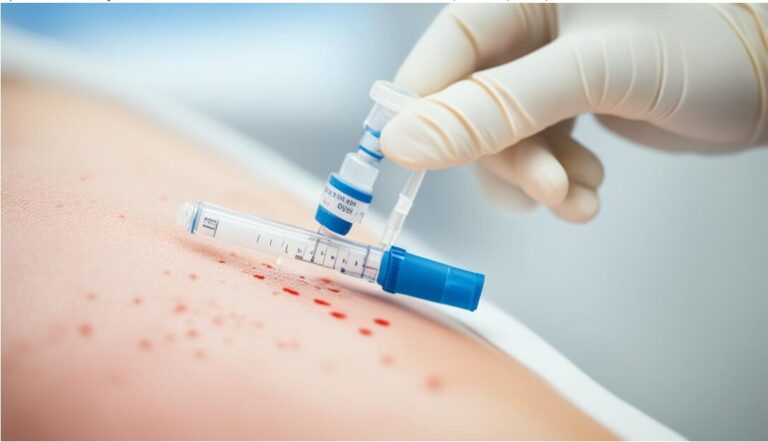
What are the risks of dermal fillers?
The main risks of dermal fillers are bruising, swelling, redness and tenderness, which usually fade within days to a couple of weeks. Rare but serious risks include infection, lumps, allergic reactions and filler getting into a blood vessel, which can damage skin or, very rarely, cause blindness.
Most problems can be avoided or treated quickly when a skilled, licensed provider does the injections. Here’s what to know before you book.
What Are Dermal Fillers?
Dermal fillers are gels injected under the skin to restore lost volume, smooth wrinkles and shape areas like the lips, cheeks and chin. Results are immediate.
Most fillers are made of hyaluronic acid, a sugar your body already makes. These usually last from six months to a year or more, and they can be dissolved if needed.
Other fillers, like calcium hydroxylapatite and poly-L-lactic acid, last longer and help your body make collagen. They can’t be dissolved the same way.
What Are the Common Side Effects?
Bruising and swelling are the most common. They usually fade within a few days to two weeks. Lips tend to swell the most.
Redness, tenderness and mild pain at the injection sites are also normal. Itching can happen too.
Infection is rare, but it can happen if the skin isn’t cleaned well or the tools aren’t sterile.
What Are the Serious Risks?
The biggest danger is filler entering a blood vessel. That can block blood flow and cause skin to die, a problem called necrosis. Signs include severe pain, skin that turns white or blue, and blotchy color.
Very rarely, filler can block an artery that supplies the eye and cause vision loss or blindness. Get emergency help if you notice vision changes after treatment.
Hyaluronic acid fillers can be dissolved with an enzyme called hyaluronidase, which is one reason a trained provider matters.
What are the risks of dermal fillers?
To sum up, the FDA lists bruising, redness, swelling, pain, tenderness, itching and rash as common side effects. Hand injections can make it hard to do everyday tasks for a while.
Less common issues include lumps under the skin, infection, open or draining wounds, allergic reactions and tissue death.
Filler in a blood vessel is the most serious risk, since it can harm the skin, eyes or, rarely, cause a stroke.
Here’s a quick summary:
| Common Risks | Less Common Risks |
|---|---|
| Bruising | Inflammation |
| Redness | Raised bumps (nodules or granulomas) |
| Swelling | Infection |
| Pain | Open or draining wounds |
| Tenderness | Allergic reactions |
| Itching | Necrosis (tissue death) |
What Affects Your Risk?
Start with the product. Stick to FDA-authorized fillers from a trusted supplier.
Then the injector. Someone who knows facial anatomy well is less likely to hit a blood vessel, and they’ll know what to do if it happens.
Your own health plays a part. Tell your provider about skin infections, autoimmune problems or blood thinners, since these can raise your risk.
Can Fillers Cause Allergic Reactions or Lumps?
Allergic reactions are uncommon but can cause swelling, redness and itching.
Small lumps can show up under the skin, sometimes months later. If they’re just filler in the wrong spot, massage or dissolving usually fixes them. Granulomas are different. They’re an immune reaction, and a doctor needs to treat them.
Scarring can happen, but it’s rare.
When Do Problems Show Up?
Right after treatment, you might have pain, redness and swelling. These go away fast.
Some problems wait. Lumps, granulomas or swelling can show up days or even months later. If something looks off, call your provider.
Cold packs and time take care of most mild issues. Anything serious needs your provider’s attention quickly.
What Does the FDA Say?
FDA-authorized fillers are meant for adults over 21. They’re used for facial wrinkles and folds, fuller lips, cheeks and chin, and restoring facial fat loss.
The FDA warns against using fillers for breast or buttock enhancement.
It also warns against injectable liquid silicone for wrinkles or body shaping.
And it warns against needle-free pens sold for filler injections, which can cause serious injury.
How Do Fillers Differ From Neurotoxin Injections?
They do different jobs. Fillers add volume and fill lines you see even when your face is still. Neurotoxins relax muscles, so they help with lines that form when you move, like frown lines.

Both can bruise and swell. A neurotoxin may cause a droopy brow or eyelid. Fillers come with the rare blood vessel risk.