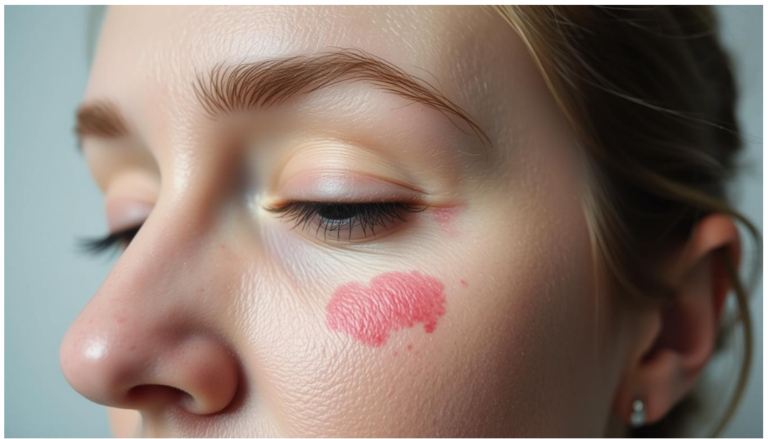
Understanding Dermal Fillers: Potential Side Effects
Dermal filler side effects are usually mild: bruising, swelling, redness, tenderness or small bumps where the needle went in. They tend to fade within a few days to two weeks, and serious problems are rare.
Rare but serious complications include blocked blood vessels, which can lead to tissue damage or vision loss, so it’s worth knowing the risks before you book. Most fillers are FDA-approved for adults 22 and older.

What Are Dermal Fillers?
Dermal fillers are gel-like substances injected under the skin to restore volume, smooth lines and soften some scars.
The FDA approved the first dermal filler in 1981. Today’s options include hyaluronic acid, calcium hydroxylapatite, poly-L-lactic acid and PMMA.
Before treatment, your provider should ask about your health, allergies and medications and explain the possible side effects.
The injections are quick. Many fillers contain lidocaine to make them more comfortable, and a numbing cream may be used too.
Some swelling or bruising afterward is normal. Results usually show right away, and how long they last depends on the filler.
Common Types of Dermal Fillers
Hyaluronic Acid (HA) Fillers
These are the most widely used. They’re used for lips, cheeks, smile lines and some acne scars, and usually last 6 to 12 months, with some products lasting up to two years. A big advantage is that they can be dissolved with an enzyme if needed.
Calcium Hydroxylapatite Fillers
Calcium hydroxylapatite is a mineral-like compound also found in bone. It’s used for deeper lines such as nasolabial folds and usually lasts about a year.
Poly-L-lactic Acid Fillers
Poly-L-lactic acid is a synthetic material that stimulates your own collagen. It’s used for deeper folds and volume loss, not lips. It takes several sessions, but results can last two years or more.
Polymethylmethacrylate (PMMA) Fillers
PMMA fillers contain tiny beads suspended in collagen. They’re meant to be permanent and are used for deep folds and certain acne scars, but problems can show up years later.
How Do Dermal Fillers Work?
Fillers add volume where it’s been lost. Hyaluronic acid also draws in water, which makes the skin look plumper.

Your body gradually absorbs most fillers, which is why results fade and treatments need repeating.
What Side Effects Do Fillers Cause?
Common Side Effects
Most people have some redness, swelling, bruising, tenderness or mild pain at the injection sites. Small lumps can appear too. These usually settle within a few days to a week, though the lips and the area around the eyes can take longer.
Less often, people develop an infection, an allergic reaction or granulomas, which are firm lumps caused by an immune response. Severe allergic reactions need urgent care.
Severe Complications
The most serious risk is vascular occlusion, when filler blocks a blood vessel. It can cause skin damage or, rarely, blindness. Warning signs include sudden severe pain, skin that turns white or dusky, or any change in vision, and they need treatment right away.
| Complications | Description |
|---|---|
| Infection | Localized redness, pus, fever |
| Allergic Reactions | Swelling, redness, itchiness, difficulty breathing |
| Granulomas | Lumps caused by immune reaction, possibly requiring treatment |
| Vascular Occlusion | Blockage of blood vessels leading to tissue necrosis or blindness |
| Scarring | Due to overfilling or improper filler administration |
Choose an experienced, licensed injector and share your full medical history beforehand.
Do Risks Depend on Where Filler Is Injected?
Yes. Each area has its own common problems.
Midface and Cheeks
Swelling, lumps and a stiff feeling are the usual issues. Most fade quickly, but infections and delayed reactions can occur.
Filler in the tear trough can cause swelling that lasts for weeks or months in some people.
Nasolabial Folds
Swelling and bruising are common. Because blood vessels run near the folds beside the nose, this area also carries a higher risk of vascular problems. Get help right away if you notice severe pain or the skin changes color.
Lips and Perioral Lines
Lips bruise and swell easily and stay tender for a few days. Persistent lumps or tissue damage are rare.
The FDA hasn’t approved injectable silicone or any filler for body contouring, and it warns against using fillers that way.
How Dangerous Are Fillers?
For the most part fillers are safe. The danger lies in filler entering a blood vessel, and that’s where the injector’s skill counts.

Tissue necrosis can happen if filler enters an artery. Spotting it early and treating it quickly makes a big difference.
Some side effects can last if they’re not managed properly, so follow aftercare instructions and report problems early.
How Are Side Effects Treated?
Fillers are among the most common minimally invasive cosmetic treatments in the U.S., second only to injections like Botox, so most clinics are prepared to handle complications.
Immediate Actions
If a hyaluronic acid filler blocks a blood vessel, the provider injects hyaluronidase right away to dissolve it.
Reversibility
Hyaluronidase can also dissolve unwanted lumps or overfilled areas. Other filler types can’t be dissolved this way.
Longer-term problems
An infection gets antibiotics. A lump that won’t go away might be treated with steroid injections, and rarely it has to be removed surgically.
| Adverse Effect | Immediate Intervention | Reversibility | Long-term Care |
|---|---|---|---|
| Vascular Occlusion | Immediate use of hyaluronidase | High, if promptly treated | Monitoring and supportive care |
| Injection Necrosis | Application of hyaluronidase | Moderate to high | Possible surgical intervention |
| Infections | Early antibiotic administration | Depends on severity | Long-term antibiotics, possible surgery |
| Granulomas | Use of hyaluronidase | Moderate | Surgical removal if persistent |
How Can You Lower Your Risk?
Pick a licensed, experienced injector, ideally a board-certified dermatologist or plastic surgeon, and ask which FDA-approved product they’re using. Don’t ever inject yourself or buy needle-free filler pens online.
For a day or two, skip hard workouts and saunas, and don’t press on the area. Filler longevity varies by type:
| Filler Type | Duration |
|---|---|
| Hyaluronic Acid (HA) Fillers | 6 months to 1 year |
| Calcium Hydroxylapatite (CaHA) Fillers | About 1 year |
| Poly-L-lactic Acid (PLLA) Fillers | 2 years or more |
The Bottom Line
Most dermal filler side effects are mild and fade within days. Serious complications are rare, especially with an experienced injector.
FAQ
What are the potential side effects of dermal fillers?
Swelling, redness, pain and bruising at the injection site are common. Rarely, filler blocks a blood vessel, which can cause skin damage or vision loss.
What are the risks associated with facial fillers?
Mild irritation and swelling are common. Allergic reactions, infections and tissue damage are possible but less common.
Which types of dermal fillers are most commonly used?
Hyaluronic acid fillers are the most common. Calcium hydroxylapatite, poly-L-lactic acid and PMMA are also used.
How do dermal fillers work in facial sculpting?
They add volume, reshape areas like the cheeks and smooth wrinkles. Hyaluronic acid also holds water in the skin.
Do hyaluronic acid fillers have side effects?
Yes, usually mild swelling and bruising. Serious problems like a blocked blood vessel are rare.
What are the severe complications of dermal fillers?
Blocked blood vessels, which can lead to blindness or tissue death, as well as infections. These need immediate medical care.
Are there risks related to the injection sites for dermal fillers?
Yes. Cheeks and tear troughs tend to swell more, and the area around the nose carries a higher risk of vascular problems.
How are adverse effects from dermal fillers managed?
Hyaluronic acid fillers can be dissolved with hyaluronidase. Infections are treated with antibiotics, and persistent lumps may need further treatment.
What are some safety tips for using dermal fillers?
Use a licensed, experienced provider and FDA-approved products, and never inject yourself.