Exploring the Debate: Why is PRP Controversial?
Why is PRP controversial? Mainly because the research is mixed. Some studies show it helps with joint pain, tendon injuries or hair loss, while others find it works no better than a placebo. On top of that, there’s no standard way to make it, so no two treatments are quite the same.
PRP stands for platelet-rich plasma. It’s made from your own blood, which is spun down to concentrate the platelets and their growth factors. The idea is to inject it where you need healing. It’s popular, but the proof hasn’t caught up with the hype.
What Is PRP Therapy?
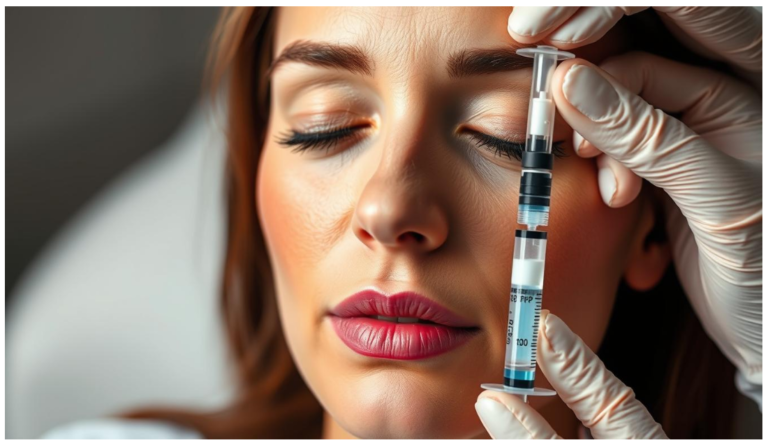
A provider draws a small amount of your blood and spins it in a centrifuge. That separates the platelets from the rest. The platelet-rich part is then injected into a sore joint, an injured tendon, your scalp or your face.
Not everyone is a good fit. People with certain blood disorders, active infections or some cancers usually can’t have it.
Why is PRP Controversial?
The first problem is that there’s no standard recipe. Clinics use different kits, spin times and platelet counts. Some PRP has white blood cells in it, some doesn’t. So when studies disagree, it’s hard to know if PRP failed or just the version that was used.
The results really are mixed. Some trials show less pain from knee arthritis or tennis elbow. But a large 2021 trial in knee arthritis found PRP worked no better than salt-water shots after a year.

Cost is another issue. Most insurance plans don’t cover PRP, so you often pay out of pocket for several shots.
Here’s a quick look at the pros and cons:
| Aspect | Pros | Cons |
|---|---|---|
| Efficacy | Potential pain relief and tissue regeneration | Inconsistent results and lack of high-level studies |
| Standardization | Some proprietary formulations show promise | Lack of standardized treatment protocols |
| Variability | Different formulations target specific conditions | Challenges in determining the best regimen |
| Cost | Done in the office, no surgery needed | Expensive for patients and healthcare systems |
| Application | Some evidence for knee arthritis and hair loss | Mixed results in sports medicine and skin care |
What Are the Risks?
Serious problems are rare, but they can happen with any injection.
Infection is possible if bacteria from the skin get in. A clean, sterile technique keeps this risk low.
Nerve or tissue injury can happen if the needle goes in the wrong spot. Many providers use ultrasound to guide the needle for joint and tendon shots.
What Side Effects Are Common?
Pain and soreness at the injection site are the most common. They can last a few days, and in joints the pain can briefly get worse before it improves.
Swelling and bruising are also common and usually fade within a week. Ice can help. Your provider may ask you to avoid anti-inflammatory pain relievers for a while, since they could blunt the healing response.
Does PRP Actually Work?
It depends on what you’re treating. The evidence looks more promising for some problems, like certain tendon injuries, knee arthritis and hair thinning, and weaker for others. Results also vary from person to person, and the effects may fade over time.
Researchers agree on one thing: we need bigger, better studies with a standard way to make PRP.
How Does PRP Compare to Other Shots?
Compared with hyaluronic acid shots for knee arthritis, some studies favor PRP for pain and function over several months.
Steroid shots work fast for pain, but the effect usually wears off in weeks. Too many of them can damage cartilage. PRP takes longer to work, and studies don’t agree on whether it lasts longer.
Is PRP FDA-Approved?
Not exactly. The devices used to prepare PRP are FDA-cleared, but most uses, like joint, hair and skin treatments, are off-label. That’s legal, but it means the FDA hasn’t reviewed PRP for those uses.

Should You Try PRP?
PRP is generally safe since it comes from your own blood, so trying it is a reasonable choice for some people. Just go in with realistic hopes. Ask your provider what the evidence says for your exact problem, how many shots you’ll need and what it will cost.