Who is Not a Good Candidate for PRP Therapy?
Who is not a good candidate for PRP therapy? People with active cancer, blood or platelet disorders, an infection where the injection would go, or unstable heart problems, along with anyone who is pregnant. Smokers, heavy drinkers, and people who can’t pause blood thinners or anti-inflammatory drugs may also be poor candidates, because PRP tends to work less well for them.
That’s why a medical history and exam come first. Your provider will ask about your health, medicines, and habits before deciding whether PRP makes sense.
What is PRP therapy?
Platelet-rich plasma (PRP) is made from your own blood. A small sample is drawn and spun in a centrifuge to concentrate the platelets, which carry growth factors that help tissue repair. The PRP is then injected into the injured or treated area.
It’s used for osteoarthritis, tendon and muscle injuries, and hair loss, and it’s sometimes tried before surgery.
A session usually takes under an hour, and some people need more than one injection.
| Condition | PRP Suitability |
|---|---|
| Osteoarthritis | Suitable |
| Tendonitis | Suitable |
| Muscle Injuries | Suitable |
| Severe Osteoarthritis (structural damage) | Not Recommended |
Health conditions that rule PRP out
Active cancer
PRP is concentrated growth factors, so doctors generally avoid it in people with active cancer. Cancer treatment can also affect the blood and how well PRP works.
Blood disorders
Severe anemia, leukemia, and clotting disorders can make PRP less effective and raise the risk of bleeding.
Infections
An infection at the injection site has to clear up first. Injecting into infected tissue can make it worse.
Unstable angina and recent heavy blood loss are other reasons to wait. They’re part of why a full checkup comes before treatment.
What if your platelets don’t work well?
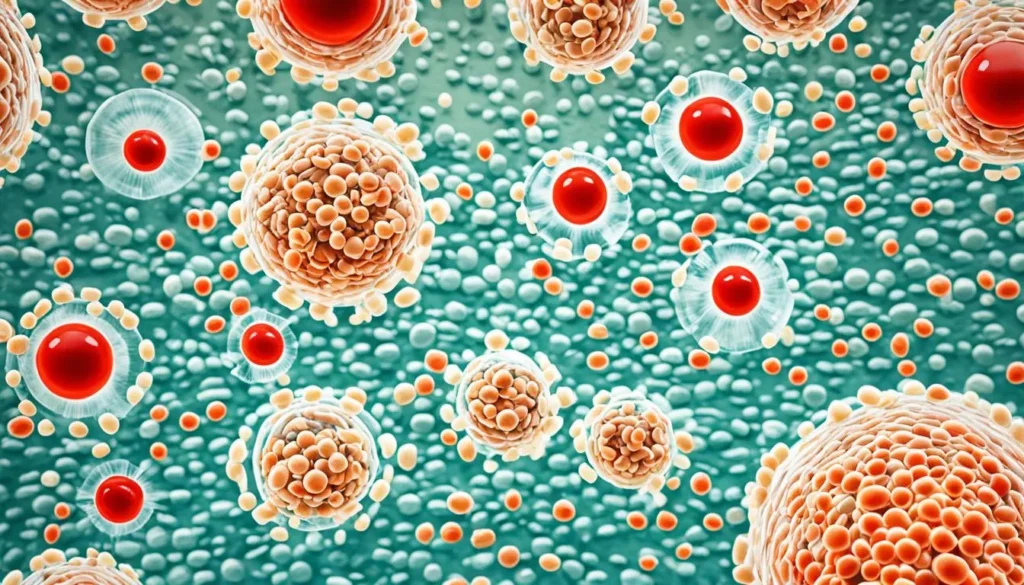
Then PRP has less to work with. Platelet disorders that get in the way include thrombocytopenia (too few platelets), immune thrombocytopenia (the immune system destroys them), acquired platelet dysfunction caused by some illnesses and medicines, and von Willebrand disease, an inherited problem that stops platelets from sticking together.
All of these affect clotting, so healing is slower and results are weaker. Your doctor may test your platelet count and function first.
| Disorder | Effect on Platelets | Impact on PRP Therapy | Example Patients |
|---|---|---|---|
| Thrombocytopenia | Low platelet count | Reduced efficacy due to insufficient platelets for clotting | Individuals with leukemia |
| Immune Thrombocytopenia | Autoimmune platelet destruction | Decreased platelet availability and functionality | Patients with autoimmune disorders |
| Acquired Platelet Dysfunction | Drug-induced or disease-induced platelet impairment | Altered clotting and healing capabilities | Patients taking NSAIDs or cyclooxygenase inhibitors |
| Von Willebrand Disease | Defect in binding factor affecting platelet adhesion | Ineffective clotting and healing processes | Genetically predisposed individuals |
Chronic conditions and PRP
PRP may not be right for people with cancer or HIV, and chronic infections or blood disorders call for a careful review first.
Results also depend on what’s being treated. Evidence is best for mild to moderate knee osteoarthritis and tennis elbow. Results for other tendon problems, meniscus tears, rotator cuff tears, and ACL surgery are mixed or weak, so ask your doctor what the research shows for your condition.
For hair loss from genetics or hormones, PRP looks promising, though results are less certain in people with chronic illnesses. It usually takes several sessions a few weeks apart.
| Condition | PRP Effectiveness | Notes |
|---|---|---|
| Knee Osteoarthritis | Effective | Benefits often last 6 to 12 months |
| Chronic Tendon Injuries | Effective, particularly in tennis elbow | |
| Rotator Cuff Tears | Not Effective | |
| Meniscus Healing | Unclear | Studies in early stages |
| Torn ACL | Little to No Benefit | Especially in surgeries |
Medications that interfere with PRP
Blood thinners and antiplatelet drugs, such as aspirin, clopidogrel (Plavix), and warfarin (Coumadin), affect the platelets PRP relies on. Your doctor may ask you to pause some of them before the injection and restart about 24 hours later. Never stop a prescribed blood thinner without talking to the doctor who prescribed it.
Steroids and anti-inflammatory painkillers like ibuprofen, naproxen, and Celebrex work against PRP. They dampen the inflammation PRP needs to start healing and can make platelets less active. Many providers say to skip them for a few weeks after the shot, and some say six.
| Medication | Impact on PRP Treatment |
|---|---|
| Aspirin | Reduced growth factor levels, interference with platelet function. |
| Ibuprofen | Reduced platelet aggregation, decreased PRP efficacy. |
| Naproxen | Diminished PDGF and IL-6 levels in PRP samples, reduced platelet aggregation. |
| Diclofenac | Significantly reduced platelet aggregation post-orthopedic procedures. |
| Plavix | Influences platelet function, requires cessation before PRP. |
| Coumadin | Requires stopping prior to PRP, affects blood clotting processes. |
Do smoking and drinking matter?
Yes. Smoking cuts blood flow and oxygen to the tissue, so healing slows down and PRP tends to work less well. Quitting helps.
Heavy drinking slows repair too, by weakening the immune system and getting in the way of nutrition. Drinking less around your treatment gives it a better shot.

Who is not a good candidate for PRP?
The main groups who shouldn’t have PRP:
| Not Suitable | Reasons |
|---|---|
| Patients with Active Cancers | Conditions could worsen due to PRP therapy. |
| Individuals with Blood Disorders | Blood and bleeding disorders or anemia are contraindications. |
| Current Infections | Infections can complicate healing and recovery. |
| Unstable Angina | Heart conditions may be adversely affected by PRP. |
| Severe Hypovolemia | Inadequate blood volume could lead to further complications. |
| Patients on Anti-Coagulant Therapy | Medications like anticoagulants increase bleeding risk. |
| Regular Smokers | Nicotine increases blood pressure and lowers platelets. |
| Alcoholics | Alcohol impairs the body’s release of stem cells. |
| Pregnant and Breastfeeding Women | Due to safety concerns, they are advised against PRP therapy. |
Smokers, heavy drinkers, and people taking steroids or NSAIDs aren’t always ruled out, but they may get less benefit.
Does age matter?
Younger patients tend to respond better. Older tissue has fewer growth factors, and lab studies suggest it may need a higher platelet concentration to respond.
Age alone doesn’t rule anyone out. Your provider can adjust the plan to your needs.
Can you have PRP while pregnant?
It’s best to skip it. There’s little research on PRP in pregnancy, and the blood draw and injection carry a small infection risk.
Most providers advise waiting until after pregnancy and finding other safe ways to manage pain. If you’re getting PRP for hair loss, stop when you become pregnant.
FAQ
Who is not a good candidate for PRP therapy?
People with active cancer, blood or platelet disorders, an infection at the injection site, unstable angina, or recent severe blood loss. Pregnant women should wait. Smokers, heavy drinkers, and people on blood thinners or steroids may get weaker results.
How does PRP therapy work?
Blood is drawn and spun to concentrate the platelets. The PRP is injected into the problem area, where growth factors help reduce inflammation and repair tissue.
Which medications can interfere with PRP treatment?
Blood thinners, aspirin, NSAIDs, and steroids. Ask your doctor before stopping any of them.
How does age influence PRP therapy effectiveness?
Younger people often respond better, but PRP can still help older patients.
Is PRP therapy safe during pregnancy?
It isn’t recommended. It hasn’t been well studied in pregnancy, so most providers advise waiting.