How long do dental implants last? A detailed overview.
Did you know dental implants have a success rate of 90 to 95 percent over 10 years? This shows they are a reliable tooth replacement. On average, they last from 10 to 30 years, and some people keep them for their whole life.
It’s important to know what makes these implants last so long. The key is osseointegration. This is when the titanium implant root merges with the jawbone. It creates a strong bond, just like a natural tooth-root connection.
Even though the implant itself is meant to be permanent, the crown might need to be replaced after 15 to 20 years. This is because of normal wear and tear. By looking at biological, mechanical, and behavioral factors, we can understand why some implants last a lifetime and others need to be replaced.
Key Takeaways
- The average lifespan of dental implants is between 10 to 30 years.
- Success rates range from 90 to 95 percent over a 10-year period.
- Osseointegration is vital for the durability of implants.
- The implant fixture is permanent, while the crown may need replacement.
- Understanding various factors can help ensure long-term success.
Understanding Dental Implants
Dental implants are more than just fake teeth. They are a complete system that looks and works like real teeth. This section will explain what dental implants are, their parts, and their many benefits.
What are Dental Implants?
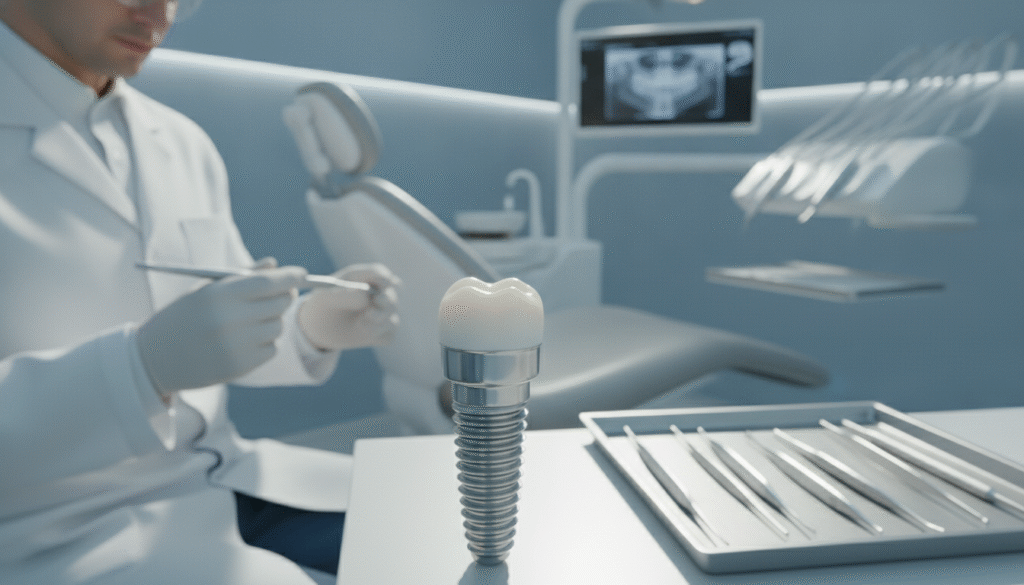
Dental implants are artificial tooth roots made from titanium. This material is safe for the body and can bond with the jawbone. This bonding, called osseointegration, makes the implant stable for new teeth.
There are two main types of dental implants:
- Endosteal Implants: These are the most common, placed directly into the jawbone.
- Subperiosteal Implants: These are placed under the gums but above the jawbone. They are for patients with less bone.
Mini dental implants (MDIs) are smaller, with a diameter under 3 millimeters. They are great for holding dentures in place.
Parts of a Dental Implant
A dental implant has three main parts:
| Component | Description | Function |
|---|---|---|
| Implant Root | A titanium post surgically placed in the jawbone. | Serves as the foundation for the artificial tooth. |
| Abutment | A connector piece that supports the crown. | Links the implant root to the crown. |
| Crown | The visible part of the tooth, made to match natural teeth. | Restores functionality and aesthetics. |
Benefits of Dental Implants
Dental implants offer more than just a pretty smile. Here are some key benefits:
- Preservation of Alveolar Bone: Implants help keep the jawbone strong by stimulating it.
- Functional Restoration: They allow for chewing like natural teeth.
- Adjacent Teeth Preservation: Unlike bridges, implants don’t harm nearby teeth.
- Long-lasting Solution: With care, dental implants can last many years.
“Dental implants offer a level of stability and functionality that traditional dentures cannot match.”
Factors Affecting Longevity
Dental implants are a strong option for replacing teeth. But, their lasting power depends on several key factors. Knowing these can greatly improve the success of the implant and patient happiness.
Material Quality
The materials used in dental implants are very important. Titanium alloys are often chosen because they are safe for the body and strong. Making the surface of the implant rougher helps it bond better with the jawbone.
The type of crown material also matters. Options like porcelain, zirconia, or metal affect how the implant looks and lasts. New technologies that help the implant bond with bone are also important. These advancements can make the implant last longer.
Oral Hygiene Practices
Dental implants themselves don’t get cavities. But, the tissues around them can get infected. Keeping the mouth clean is key to avoiding problems like gum disease and bone loss around the implant.
Brushing, flossing, and dental visits are vital. Not doing these can cause plaque buildup. This increases the chance of implant issues. So, good oral care is essential for implant longevity.
Lifestyle Choices
How you live affects dental implant success. Smoking, for example, can make implants fail more often. Nicotine reduces blood flow, which slows healing.
Teeth grinding can also harm implants. It can cause screws to loosen or bone loss. Conditions like diabetes and certain medications can also affect healing. It’s important for patients to understand these lifestyle factors to ensure their implants last.

Average Lifespan of Dental Implants
Dental implants are made to last, but their life span varies. Knowing how long dental implants last is key for those thinking about them. They can last from 10 to 30 years, based on several factors.
It’s important to know the difference between short-term and long-term durability of dental implants.
Short-Term vs. Long-Term Durability
The first five years after getting an implant is the short-term phase. This time is mostly about how well the implant bonds with the jawbone. Issues like infection or mistakes during surgery can impact this early stage.
Long-term durability goes beyond ten years. Things like patient care, how well the teeth fit together, and overall health matter a lot. The titanium part of the implant can last forever if it bonds well with the bone. But, the crown, which wears out, might need to be replaced in 10 to 15 years.
Success Rates Over the Years
Studies show dental implants succeed in 90 to 95 percent of cases for ten years. Long-term studies show only slight drops in success rates. It’s key to understand the difference between survival rates and success rates.
- Cumulative survival rate: An implant can stay in place even if it doesn’t meet all success criteria.
- Success criteria: This means no signs of bone loss, bleeding, or other issues around the implant.
About 50 to 80 percent of crowns might need to be replaced in 15 to 20 years. This is seen as normal wear and tear, not a failure of the implant.
Maintenance for Long-lasting Implants
Keeping dental implants healthy requires regular care and knowledge. It’s not just about doing something once and forgetting it. Patients must actively take part in the maintenance. This effort greatly increases the implants’ success and prevents problems.
Daily Care Tips
Every day, you need to take steps to keep your implants in top shape. Here are some key tips:
- Brush Twice Daily: Use a soft toothbrush or an electric one with gentle toothpaste. This protects the implant’s surface from scratches.
- Floss Once Daily: Flossing removes plaque and food from around the implant. Use nylon-coated brushes to avoid metal damage.
- Use Water Flossers: These tools clean the implant area well, removing plaque.
- Antimicrobial Mouth Rinses: Use chlorhexidine or essential oil rinses if you’ve had peri-implant disease before.
Good oral hygiene is key. Brushing and flossing keep your gums healthy, which is essential for your implants. If you ignore these habits, you risk peri-implant disease. This can harm your gums and jawbone.
Professional Cleanings
Don’t forget to see your dentist regularly for cleanings. Dental implants need special care:
- Use of Non-Metal Instruments: Hygienists should use plastic or titanium tools to clean implants. Metal tools can damage the surface.
- Routine Monitoring: Your dentist will check your implants during visits. They look for signs of problems early on.
- Frequency of Visits: Cleanings should happen every three to six months. Catching mucositis early is important, as it can be treated. But peri-implantitis needs more serious treatment.
In short, taking good care of your dental implants is vital for their long-term success. By following these daily tips and going to regular cleanings, you can make your implants last longer.
| Maintenance Activity | Frequency | Importance |
|---|---|---|
| Brushing | Twice Daily | Prevents plaque buildup |
| Flossing | Once Daily | Removes debris around implants |
| Professional Cleanings | Every 3-6 Months | Identifies problems early |
Common Myths About Dental Implants
It’s important to clear up common myths about dental implants. Misconceptions can affect treatment choices and long-term care. Knowing these myths is key for those thinking about dental implants.
Myth 1: Only for Older Adults
Many think dental implants are only for older adults. But, age isn’t the main issue. Young adults who lost teeth due to injury or birth defects can also benefit from implants.
The real deciding factor is not how old you are but your biological age. This includes bone health and overall health. Implants are usually suggested after jaw growth stops, around 18 for females and 20 for males. This helps young patients keep their bone healthy and avoid tooth loss problems.
Myth 2: Implants Don’t Require Care
Another big myth is that dental implants don’t need care. While the materials in implants, like titanium and zirconia, resist decay, the tissues around them can get infections. Not taking care of your mouth can lead to silent peri-implant disease.
To keep your implants safe, you must brush and floss well. Regular dentist visits and cleanings are also vital. They help keep your implants and the tissues around them healthy for a long time.
| Myth | Truth | Impact |
|---|---|---|
| Only for Older Adults | Implants are suitable for all ages after jaw growth completion. | Misleading younger patients from seeking treatment. |
| Implants Don’t Require Care | Implants need regular maintenance and hygiene. | Increased risk of peri-implant disease. |
Signs Your Dental Implant Needs Attention
It’s important to know the early signs of dental implant problems. This helps keep your implants working well for a long time. If you notice anything odd, talk to your dentist or periodontist right away. Catching issues early can save your implant and keep your mouth healthy.
Pain or Discomfort
Some soreness is normal after getting an implant. But, if the pain doesn’t go away, it could mean trouble. It might be because the implant isn’t fully attached, or there’s too much pressure on it. Or, it could be an infection.
The type of pain can tell you a lot:
- Sharp, localized pain: This might mean there’s a mechanical problem.
- Dull, throbbing discomfort: This could be a sign of infection or inflammation, along with redness and swelling.
It’s key to tell normal soreness from real pain. If the pain lasts more than a few days, you should see a dentist.
Movement or Loosening
Any movement of the implant is a big warning sign. A good implant doesn’t move. If it does, it might mean the bone and implant aren’t working together right.
Knowing the difference in types of movement is important:
- Implant fixture mobility: This is a serious problem and usually means the implant needs to come out.
- Abutment screw loosening: This is a fixable issue that can be solved by a dentist.
Other signs that need quick dentist visits include:
- Erythema and edema of the peri-implant mucosa
- Bleeding on gentle probing
- Suppuration from the peri-implant sulcus
- Progressive gingival recession exposing implant threads
- Radiographic evidence of crestal bone loss exceeding 0.2mm annually after the first year of function
Spotting these signs early can help fix problems quickly. This is true for issues like peri-implant mucositis, which can be fixed if caught early.
| Sign | Description | Action Required |
|---|---|---|
| Pain during chewing | Persistent pain may indicate complications | Consult your dentist |
| Movement of implant | Any detectable movement signals possible failure | Seek immediate evaluation |
| Redness and swelling | Signs of infection or inflammation | Professional assessment needed |
| Bleeding on probing | Could indicate peri-implantitis | Schedule a dental check-up |
The Role of Bone Health
Bone health is key to dental implant success. The jawbone is the base for these implants. Its quality greatly affects how long they last. A detailed check of the jawbone is needed before implants.
This check might include X-rays and 3D models. They help see how good the bone is at the implant spot.
Jawbone density varies among people. For example, the back part of the upper jaw has softer bone than the front part of the lower jaw. Knowing this helps predict how stable an implant will be. There’s a system to classify bone types based on density.
| Bone Type | Cortical Thickness | Trabecular Density | Implant Stability |
|---|---|---|---|
| Type I | Thick | High | Excellent |
| Type II | Thick | Moderate | Good |
| Type III | Thin | Low | Fair |
| Type IV | Very Thin | Very Low | Poor |
Type I bone is very dense and stable. But, it might not get enough blood. Type IV bone is thin and soft, making surgery riskier. Knowing this helps doctors plan better for implants.
When there’s not enough bone, grafting is needed. After losing teeth, the jawbone shrinks fast. Bone grafts can add the needed bone for implants. A sinus lift helps in the back of the upper jaw, making room for more bone.
Systemic bone health matters too. Conditions like osteoporosis might not stop implants but can affect success. A full check and, if needed, bone augmentation are key to lasting implant success.
How Technology Influences Implant Longevity
Technology is changing how long dental implants last. New technologies make implants work better and help patients more. Knowing about these changes helps us understand how long do dental implants last.
One big change is in how implants are made. Today’s implants are much different from the old ones. They have special surfaces that help them bond with bone better.
These surfaces are made to be rougher and more active. This helps the bone grow around the implant faster. It also makes the healing time shorter.
Another important change is in how implants are placed. Now, doctors use special tools to place implants more accurately. This means the implants last longer and work better.
New surgical methods are also helping. Doctors use computers and 3D scans to plan implant placement. This makes sure the implants are in the best spot.
Also, 3D printing makes guides for surgery. This lets doctors place implants without cutting too much. It makes recovery faster for patients.
Dynamic navigation systems give doctors feedback during surgery. This helps them place implants with incredible accuracy.
In summary, new technologies in making and placing implants make them last longer. Each new idea, from surface engineering to surgical precision, improves dental implants. This answers the question of how long do dental implants last with more confidence.
Comparing Dental Implants to Other Tooth Replacements
Dental implants are the top choice for replacing teeth today. They have many benefits over dentures and bridges. Knowing these differences is key for anyone looking to replace teeth.
Dentures vs. Implants
Dentures are common but have big drawbacks. They can cause the jawbone to shrink because they don’t work like real teeth. This makes chewing less effective.
Dentures also affect how people feel about themselves. They can make someone feel less confident. Implant-supported dentures, on the other hand, are more stable and can help keep the jawbone strong.
Even though implants cost more upfront, they save money in the long run. They need less maintenance and last longer than dentures.
Bridges vs. Implants
Bridges and implants are both fixed solutions, but they affect teeth differently. Bridges harm healthy teeth to support them. This can lead to serious problems like tooth decay and gum disease.
Bridges don’t last as long as implants. They often fail within 10 to 15 years. Implants, on the other hand, protect teeth and spread out chewing forces evenly.
Implants don’t have a periodontal ligament like natural teeth do. This means they work differently with the jawbone. This is important for understanding how implants handle chewing forces.
In summary, dental implants are the best choice for tooth replacement. They last longer and protect the jawbone. This makes them the top choice in modern dentistry.
Insurance and Financial Considerations
Understanding the costs of dental implants is key to making smart choices. The price can change based on the procedure’s complexity and the materials used. It’s important to think about the long-term benefits of dental implants.
The total cost of dental implants includes three main parts:
- Surgical Phase: This part is about placing the implant fixture. It might need extra steps like bone grafting or sinus augmentation.
- Restorative Phase: This is when the abutment and crown are made. They’re vital for the implant’s success.
- Diagnostic Phase: This includes initial imaging and planning, like CBCT scans and digital impressions.
In the United States, a single dental implant can cost between $3,000 and $6,000. This might seem expensive, but it’s worth comparing to other treatments. For example, a three-unit bridge might seem cheaper at first. But it needs to be replaced every 10 to 15 years, and the teeth supporting it can decay.
Conventional dentures also have ongoing costs for adjustments and replacements. They need adhesives and cleansers too. When you spread the cost of dental implants over 30 years or more, it can be more affordable than these alternatives.
Insurance coverage for implants is changing. Many plans used to not cover them, seeing them as cosmetic. But as more research shows implants are better, more plans are starting to cover them. These plans usually have limits and waiting times.
If tooth loss is due to injury, birth defects, or disease, medical insurance might help. You can also use flexible spending accounts (FSAs) and health savings accounts (HSAs) to pay for dental care.
If money is tight, there are financing options and payment plans available. Dental schools might also offer implants at lower prices, making them more accessible.
In summary, getting dental implants is a wise investment for your teeth’s long-term health. The upfront cost is worth it for the durability, function, and quality of life it brings over time.
The Implant Procedure Timeline
A clear timeline for the dental implant procedure helps patients know what to expect. It’s key for a high dental implant success rate. The journey starts with a first meeting, where a full check-up is done.
Initial Consultation
At the first meeting, your dentist will look at your health history. They check for any risks, like:
- Uncontrolled diabetes
- Smoking status
- Medications affecting bone metabolism
Then, a clinical exam is done to check soft tissues and how teeth fit together. X-rays are taken to see bone health. This info helps plan your treatment, including how many implants and where they go.
Recovery Process
The recovery is just as important. After the implant is placed, it bonds with the bone. This bonding takes three to six months. Patients might feel some swelling and pain, but it’s usually mild and can be managed with pain meds.
To help healing, eating soft foods is advised. Avoid chewing on the implant site. It’s important to follow the recovery plan closely. Rushing it can harm the dental implant success rate.
After bonding is confirmed, the next step is the restorative phase. This includes attaching the abutment, making impressions, and placing the final crown. Each step is designed to ensure your implants last long and work well.
Lifestyle Adjustments for Implant Success
To keep dental implants working well, some lifestyle changes are key. These steps help the healing process and make implants last longer. By taking care of your implants, you protect your investment and keep your mouth healthy.
Diet plays a big role in how long implants last. Right after surgery, eat soft, easy-to-chew foods. This keeps the area around the implant clean and prevents food from getting stuck. Good choices include:
- Smoothies
- Soups
- Scrambled eggs
- Yogurt
- Protein shakes
As you heal, you can start eating firmer foods. But, avoid very hard or sticky foods. Foods like ice, hard candies, caramel, and taffy can damage your implants.
Later on, focus on foods that help keep your bones strong. Eating enough calcium, vitamin D, magnesium, and vitamin K2 is important. Here’s how much you should aim for each day:
| Nutrient | Recommended Daily Intake |
|---|---|
| Calcium | 1,000-1,200 mg |
| Vitamin D | 600-800 IU |
| Magnesium | 310-420 mg |
| Vitamin K2 | 90-120 mcg |
Stay away from habits that can harm your implants. Smoking is very bad for implants. It can cut blood flow to your gums by up to 70%, slowing healing and raising the risk of infection. Quitting smoking is very important, but it’s even more critical during the healing time.
Teeth grinding can also hurt your implants. If you grind your teeth, wearing a mouth guard can help. It spreads out the pressure, protecting your implants and teeth from wear.
Also, drink alcohol in moderation. Too much can cause dehydration, lead to nutritional problems, and affect bone health. By making these changes, you can help your implants last longer and keep your mouth healthy.
Emotional and Psychological Impact
Dental implants do more than fix teeth. They boost emotional health too. Getting a full smile back can make you feel better about yourself. Losing teeth can make you feel embarrassed and shy away from social events.
People often feel more confident after getting implants. They can smile, talk, and eat without worrying. This leads to better social life and happiness.
Boosting Self-esteem
Dental implants change lives. People who lost teeth for years see a big change in how they feel about themselves. This change is huge, even for those who got all their teeth replaced.
Getting new teeth that look and feel real is a big relief. It gives you peace of mind, unlike dentures that can make you anxious.
Addressing Dental Anxiety
Many fear going to the dentist, which stops them from getting implants. Dentists can help by explaining the process and what to expect.
Teaching patients about the procedure helps them feel more comfortable. Dentists use sedation and sometimes general anesthesia to reduce anxiety. Modern implant surgery is also less painful than expected.
By focusing on both the emotional benefits and how to handle fear, dentists offer a complete care plan. This makes the whole experience better for patients.
Future Trends in Dental Implants
The future of dental implants is exciting, thanks to new research and materials. These advancements will make implants last longer and help more people.
Researchers are looking into bioactive implant surfaces. These surfaces help bones grow by using special proteins. They’re also working on surfaces that fight off infections and mimic natural tissue. This is a big step forward in dental implants.
Stem cells are another area of interest. Scientists want to use stem cells to help implants integrate better with bone. This could make implants more stable, even in tough spots.
Genetic research is also helping. It’s finding ways to predict how well someone will heal. This means doctors can tailor treatments for each patient. They’re also exploring ways to make the body heal better after surgery.
New materials are being tested too. Zirconia implants are already used and are getting better. They look good and help bones stick to them better. Polymers like PEEK are also being looked at. They might reduce bone loss around implants.
3D printing is changing how implants are made. It lets doctors create implants that fit each patient perfectly. These implants can even have special structures that help them blend in with bone.
Mini dental implants are also getting attention. Studies show they work well for simple tooth replacements. But, there’s not much data on how they last over time.
Looking ahead, all these advancements are moving us closer to implants that last forever. They’ll not only last a long time but also help keep the surrounding bone healthy.
| Research Focus | Key Innovations | Potential Benefits |
|---|---|---|
| Bioactive Surfaces | Incorporation of BMPs and antimicrobial agents | Enhanced osseointegration and reduced infection risk |
| Stem Cell Approaches | Seeding mesenchymal stem cells | Accelerated bone formation and improved stability |
| Material Science | Zirconia and PEEK implants | Better aesthetics and reduced stress shielding |
| Additive Manufacturing | 3D printing of customized implants | Improved integration and vascularization |
| Mini Dental Implants | Comparative longevity studies | Effective options for single-crown applications |
Frequently Asked Questions
Many people wonder about the lifespan and care of dental implants. This section answers common questions and offers expert advice. It helps you make smart choices for your dental health.
Common Concerns
People often ask about the lifespan and upkeep of dental implants. Here are some common questions:
- How long will my implant really last? Dental implants usually last 10 to 30 years. If you get one when you’re young, it might last your whole life.
- Does the procedure hurt? Most patients feel little pain during the procedure because of anesthesia. Afterward, you can manage any pain with over-the-counter meds.
- Am I too old for implants? Age isn’t a big deal. What matters more is your biological age and health.
- What if my implant fails? If an implant fails, it can be removed. You might need a bone graft. Single implants have a 71% success rate for replacements.
- Can my body reject the implant? It’s rare for the body to reject implants made of biocompatible materials like titanium. But, failure can happen due to infection or poor bone quality.
Expert Insights
Experts offer valuable insights on dental implants:
- Choosing the Right Specialist: Pick a qualified periodontist or oral surgeon with implant training for complex cases.
- Planning and Imaging: Using CBCT-based planning is better than traditional 2D radiography.
- First-Year Maintenance: The first year is key for success. Regular care is essential.
- Understanding Peri-implantitis: This condition needs a thorough treatment, including cleaning and antibiotics.
| Concern | Answer | Expert Recommendation |
|---|---|---|
| Lifespan | 10-30 years | Regular dental check-ups |
| Pain Level | Minimal with anesthesia | Follow post-op care instructions |
| Age Factor | Not a primary concern | Assess overall health |
Conclusion
Dental implants are a big step forward in tooth replacement. Knowing how long they last is key for those thinking about getting them. With the right care, they can last forever, making them a smart choice for your teeth.
The life span of dental implants varies from 10 to 30 years. This depends on how well you take care of them and your lifestyle. They have a success rate of 90 to 95 percent over 10 years, showing they are reliable. Unlike other options, implants blend with your jawbone, giving them stability and long-term satisfaction.
Even though the implant itself is meant to last, the crown might need to be replaced every 10 to 15 years. This is because it wears out over time. It’s important to get regular cleanings and check-ups to keep your implant in good shape and avoid problems.
As technology gets better, so do dental implants. This means better results for patients. This progress helps implants last longer and makes them available to more people who couldn’t get them before.
In short, dental implants are more than just a fix for missing teeth. They’re a big step towards a better life, bringing back function and confidence. For those who care about their teeth, the answer to how long implants last is usually very positive: they can last a lifetime.