How Often Should I Do Biorevitalization? Expert Guide
How often should you do biorevitalization? Usually three sessions to start, which is fewer than mesotherapy, where people can need up to 10. That efficiency is a big part of why it has become a favorite anti-aging treatment.
Below we cover how often to schedule it for the best results. In short: three sessions usually bring a visible improvement in wrinkles, hydration and tone, each takes 30 minutes to an hour, and one or two maintenance sessions a year keep it going. Have it done by a skilled professional to keep side effects to a minimum.
Understanding Biorevitalization: What Is It?
Biorevitalization is a minimally invasive procedure that fights aging and refreshes the skin. It uses hyaluronic acid injections to restore and prevent skin from looking old. This method is popular for keeping skin young and glowing.
Definition and Overview
Biorevitalization means “natural revitalization.” It involves putting hyaluronic acid into the skin’s deeper layers. This boosts collagen production and deeply hydrates the skin. The treatment is done in areas like the face, neck, hands, and décolleté through micro-injections.
Benefits of Biorevitalization
The benefits of biorevitalization are many:
- Enhancing skin elasticity and radiance
- Reducing fine lines and wrinkles
- Improving moisture retention
- Repairing acne scars and stretch marks
- Addressing hyperpigmentation and dryness
Right after the first session, you’ll see results. Over time, the effects get even better. Usually, you need 3-5 treatments, spaced 15-30 days apart, for the best results.
What’s actually injected?
Mostly hyaluronic acid, a substance your skin already makes to hold onto water. Injected into the skin, it hydrates and also nudges your skin to produce more collagen, which keeps it soft and resilient.
Vitamins and amino acids might also be added to help repair and refresh the skin. This treatment works well after age 25. It’s also great for skin after childbirth or after spending a lot of time in the sun.
Why it works
Your skin loses hyaluronic acid as you age, and that’s a big reason it gets drier and more lined. Biorevitalization puts it back with small, targeted injections, so the skin holds more water and makes more collagen.
How Hyaluronic Acid Works
Hyaluronic acid (HA) is key for keeping skin moist. It grabs onto water molecules, keeping skin hydrated and giving it a smooth look. As we get older, our HA levels drop, leading to dry and lined skin. Biorevitalization treatments put HA back into the skin, keeping it moist and bright.
It also builds collagen, which is what sets it apart from a moisturizer: the skin firms up over time, and studies report a brighter, smoother look after just two treatments.
Error-Free Procedure Importance
For biorevitalization to work well, it must be done right. The right placement of injections is crucial to avoid problems like scars or damage. Only experts should do these treatments to make sure they are safe and work well. This way, the benefits of better skin hydration and collagen production can be enjoyed safely.
How Often Should I Do Biorevitalization?
Figuring out how often to do biorevitalization depends on many things. Some people need it more often, while others might get good results with less. We’ll look at what affects how often you should do it and suggest a good schedule.
Factors Influencing Frequency
How often you should do biorevitalization depends on your skin and needs. Your age, skin type, and how bad your skin issues are are key factors. Younger people might do it less often as a way to keep their skin looking good.
Those in their 40s or older might need it more often to bring back hyaluronic acid and make their skin tighter. Your lifestyle and what you want to achieve with the treatment also matters.
Recommended Treatment Schedule
Usually, you’ll need 3 biorevitalization sessions, spaced about 3-4 weeks apart. This lets your skin soak up the treatment and heal between times. Here’s what a typical plan looks like:
| Session | Timing | Duration | Results Last |
|---|---|---|---|
| 1 | Week 1 | 45 minutes | 3-4 weeks |
| 2 | Week 4 | 45 minutes | 3-4 weeks |
| 3 | Week 7 | 45 minutes | 3-4 weeks |
Maintenance Sessions
After the first set of biorevitalization treatments, you’ll need to keep it up. You should get more treatments when you need them, usually every 3-6 months. These follow-up sessions keep your skin looking good by maintaining its texture, moisture, and elasticity.
In short, the right schedule for biorevitalization depends on many personal factors. Start with the standard three-session plan and then get maintenance treatments as needed to keep your skin looking great.
Who Can Benefit from Biorevitalization?
Biorevitalization is a treatment that helps with anti-aging and makes your face look younger. It’s great for anyone wanting to improve their skin health, no matter their age. It can help people in their 20s, 30s, 40s, and beyond look better.
For those in their 20s, it’s a way to keep your skin looking young. By the 30s, you might start seeing signs of aging like less elasticity and more wrinkles. This treatment can fix these issues and make your skin look fresh after being in the sun.
For people over 40, it helps bring back what aging takes away, like hyaluronic acid and collagen. Hyaluronic acid is key for keeping skin moist and full. It can hold a lot of water, which is great for dry, aging skin.
This treatment is also good for dry, tired skin. It can make your skin look better after treatments like chemical peels or lasers. You can use it on your face, neck, chest, and hands. It can make your skin look better for months, giving you a younger look.
| Age Group | Benefits |
|---|---|
| 20s | Preventive anti-aging measures |
| 30s | Smoothing skin imperfections, combating early aging signs |
| 40s+ | Replenishing hyaluronic acid, vitamins, and collagen |
This treatment is great for improving skin health. For best results, get treatments every month, and then once or twice a year for upkeep.
Preparing for Your Biorevitalization Session
Starting your biorevitalization journey means getting ready with care. You need to think about pre-treatment steps, managing pain, and understanding the process. Let’s look at the key steps for a smooth and successful session.
How should you prepare?
Skip harsh products and treatments for about a week beforehand, and keep your skin well hydrated. Some brands, Universkin for example, recommend specific prep serums.
Pain Management and Anesthesia
Many worry about pain during biorevitalization. But, the treatment is not painful. A numbing cream is applied 30 minutes before, so you won’t feel anything during the injections. Doctors may also use calming methods to help you relax.
How long does it take?
About 20 to 30 minutes. The provider makes lots of tiny, precise injections of hyaluronic acid, and with the numbing cream most people barely feel them.
Aftercare
Good aftercare keeps side effects down and helps the results last. Here’s what to do.
For the first day, stay out of the sun and skip makeup. Keep the area clean and moisturized. Some redness or a small bruise is normal and usually fades within a few days.
When to call your doctor
Redness, swelling and bruising are the usual side effects. If any of them hang around longer than expected, call your provider.
Long-term Skin Care
Good long-term care is key to keeping the biorevitalization results. Use the right creams and serums as part of your routine. Eating well and staying hydrated also helps.
It’s best to have 3-4 sessions, a month apart, for the best results.
| Treatment Aspect | Recommendations |
|---|---|
| Session intervals | 1 month apart |
| Immediate aftercare | Avoid sun exposure and makeup |
| Potential side effects | Monitor redness and inflammation |
| Long-term care | Use appropriate skincare products |
Following these aftercare steps helps with recovery and reduces side effects. This leads to better and longer-lasting results.
Is Biorevitalization Safe for Everyone?
It’s a popular treatment and mostly a safe one, but it isn’t right for everyone, so it’s worth checking a few things first.
Who shouldn’t have it?
There are some things that make biorevitalization not suitable for everyone. These include being pregnant, breastfeeding, having skin diseases, autoimmune conditions, or taking certain blood thinners. It’s key to know these things and take the right precautions.
The treatment works for all skin types and can be done any time of the year, even in summer. It’s not just for the face. You can also use it on scars, stretch marks, and to firm up the neck, chest, and arms.
Consultation and Professional Guidance
Getting a professional consultation before starting biorevitalization is crucial. An expert will look at your health to see if it’s a good fit for you. They’ll talk about any safety concerns.
For the best results, you might need 4-6 sessions. How often you need more treatments depends on your age and how bad your skin is. Getting advice from a pro makes sure the treatment is safe and works well for you, based on what you need.
| Age Group | Benefits | Frequency of Maintenance | Additional Information |
|---|---|---|---|
| 25-35 | Reduces fine lines | Every 6 months | Recommended 4-6 sessions |
| 40+ | Reduces more defined lines and wrinkles | Every 4 months | Profhilo lasts about 6 months |
| 50+ | Improves visible wrinkles, sun damage, and loose skin | Every 2-4 months | Late Profhilo sessions advisable |
Comparing Biorevitalization with Other Treatments
The skincare market is growing fast, from $37.1 billion in 2022 to $45.6 billion by 2026. This growth shows how popular skin treatments like biorevitalization are becoming. It’s known for its great results, especially when compared to other non-invasive treatments.
Versus mesotherapy, creams and lasers
Against mesotherapy, the main difference is the number of visits: mesotherapy usually takes more sessions, while biorevitalization is often done in 3-4 sessions, 10-15 days apart, twice a year. Against creams, it simply gets further into the skin, so the hydration and collagen boost last longer. And against lasers, it’s the gentler option, with almost no recovery time.
Seasonal Recommendations for Biorevitalization
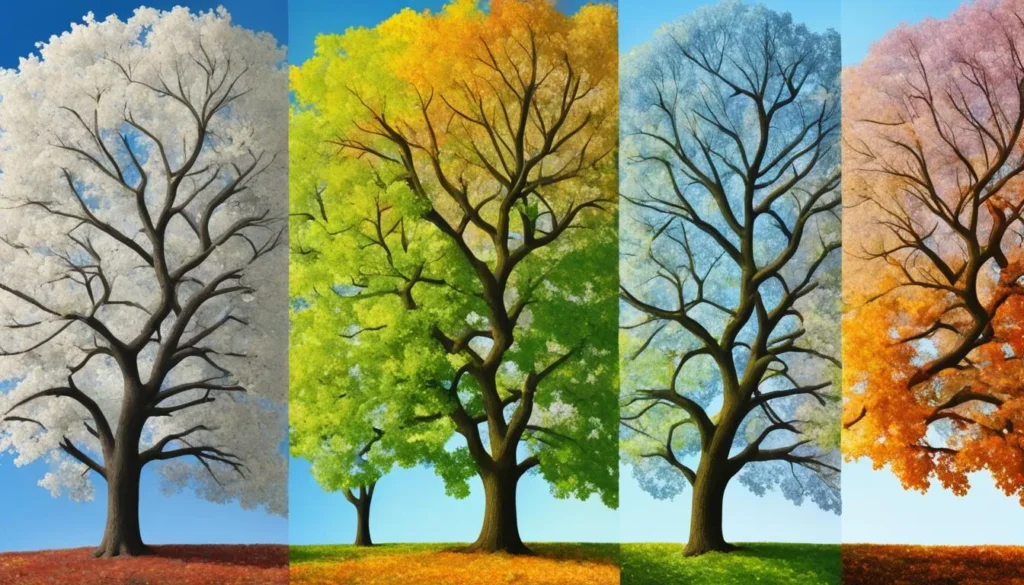
Biorevitalization can change how you care for your skin all year. It’s key to think about seasonal skin care and getting your skin ready for weather changes. Each season brings its own challenges and benefits for this treatment. Picking the right time for your sessions can make a big difference.
Spring and Summer
Spring and summer are great for biorevitalization. They help your skin get ready for the potentially damaging UV rays of the warm months. Start your treatments in spring to refresh and moisturize your skin after winter.
This way, your skin will be ready for the sun’s strong rays. It helps with better UV protection.
In these seasons, experts suggest 3-5 biorevitalization treatments, one to two weeks apart. This keeps your skin full of life, hydrated, and strong against sun damage. A single face session costs about $250. But treatments for the face, neck, and décolleté are $375.
Fall and Winter
Fall and winter bring dryness and dullness from less humidity and indoor heating. Fall treatments fix sun damage and get your skin ready for winter. Winter focuses on keeping skin moist and treating dryness or flakes.
Having a plan for biorevitalization is key in these seasons. Over 2 million treatments have shown great results over 10 years of studies. Doing 3-5 treatments in fall and winter, one week apart, keeps your skin looking good. Each session costs the same, with a face series around $1,000 and the full package $1,500.
| Season | Focus | Treatment Cost | Frequency |
|---|---|---|---|
| Spring and Summer | UV Protection and Hydration | $250 – $375 per session | 3-5 sessions, 1-2 weeks apart |
| Fall and Winter | Healing Sun Damage and Hydration | $250 – $375 per session | 3-5 sessions, 1-2 weeks apart |
Biorevitalization is good for your skin all year and should be planned with the seasons in mind. It helps with UV protection in the warm months and prepares your skin for weather changes as it gets colder. This treatment keeps your skin healthy all year.
Conclusion
Biorevitalization is a great way to get youthful skin. It uses hyaluronic acid and other ingredients to help. This treatment boosts collagen production a lot, making skin look better.
It’s best to have 3-5 sessions, spaced two weeks apart. After 4 sessions, you’ll start to see changes. To keep the results, you might need more sessions every 8 to 12 months.
Before and after treatment, stay out of the sun, drink plenty of water and stick with the full course of sessions; that’s how people get the best results.
FAQ
How often should I do biorevitalization?
The best frequency depends on your skin and needs. You might start with treatments every three to four weeks. Then, you can do them a few times a year for upkeep.
What is biorevitalization?
Biorevitalization is a treatment that uses tiny injections of hyaluronic acid and other nutrients. It deeply hydrates the skin. This helps improve skin elasticity, make it look brighter, and reduce wrinkles without changing the face’s shape.
What are the benefits of biorevitalization?
It deeply hydrates the skin, boosts collagen production, and reduces wrinkles. It also makes the skin more elastic and radiant. This treatment rejuvenates the skin from the inside out.
How does hyaluronic acid work in biorevitalization?
Hyaluronic acid (HA) is a natural skin component that keeps skin moist. In biorevitalization, HA is injected to hydrate the skin. It also helps make more collagen and elastin, which are key for skin elasticity and firmness.
What decides how often I need it?
Your age, skin type, and goals affect how often you should get biorevitalization. Younger people might use it to prevent skin issues. Older people might use it to restore skin moisture and firmness.
Who can benefit from biorevitalization?
Anyone looking to improve their skin can benefit from biorevitalization, no matter their age. It’s great for smoothing out skin in the 20s, addressing imperfections in the 30s, and replenishing skin’s moisture and collagen in the 40s and beyond.
What are the pre-treatment steps for biorevitalization?
Before the treatment, you just need to avoid certain facial treatments. You’ll also use a numbing cream to make the tiny injections comfortable.
What should I expect during a biorevitalization session?
A session is about 20 to 30 minutes long. The doctor will inject hyaluronic acid into your skin to start the rejuvenation process. You might feel a bit of discomfort, but the numbing cream helps.
What is the post-treatment care for biorevitalization?
After the treatment, avoid the sun and makeup for a bit. If you get any bruising, it should go away in a few days. Watch out for any signs of redness or swelling and see a doctor if they don’t go away.
Is biorevitalization safe for everyone?
It’s usually safe, but not for everyone. You can’t have it if you’re pregnant, breastfeeding, have skin diseases, autoimmune issues, or take blood thinners. Always talk to a professional to see if it’s right for you.
Is it better than mesotherapy?
It usually takes fewer sessions and works faster, because it uses a higher concentration of hyaluronic acid to hydrate the skin and stimulate collagen.
When is the best season to undergo biorevitalization?
Choose the best season for biorevitalization based on your skin’s needs. In spring, it prepares your skin for the sun. In fall and winter, it helps maintain moisture during the cold weather.